
News
Type: Story
Showing 26 - 50 of 164
164 results found
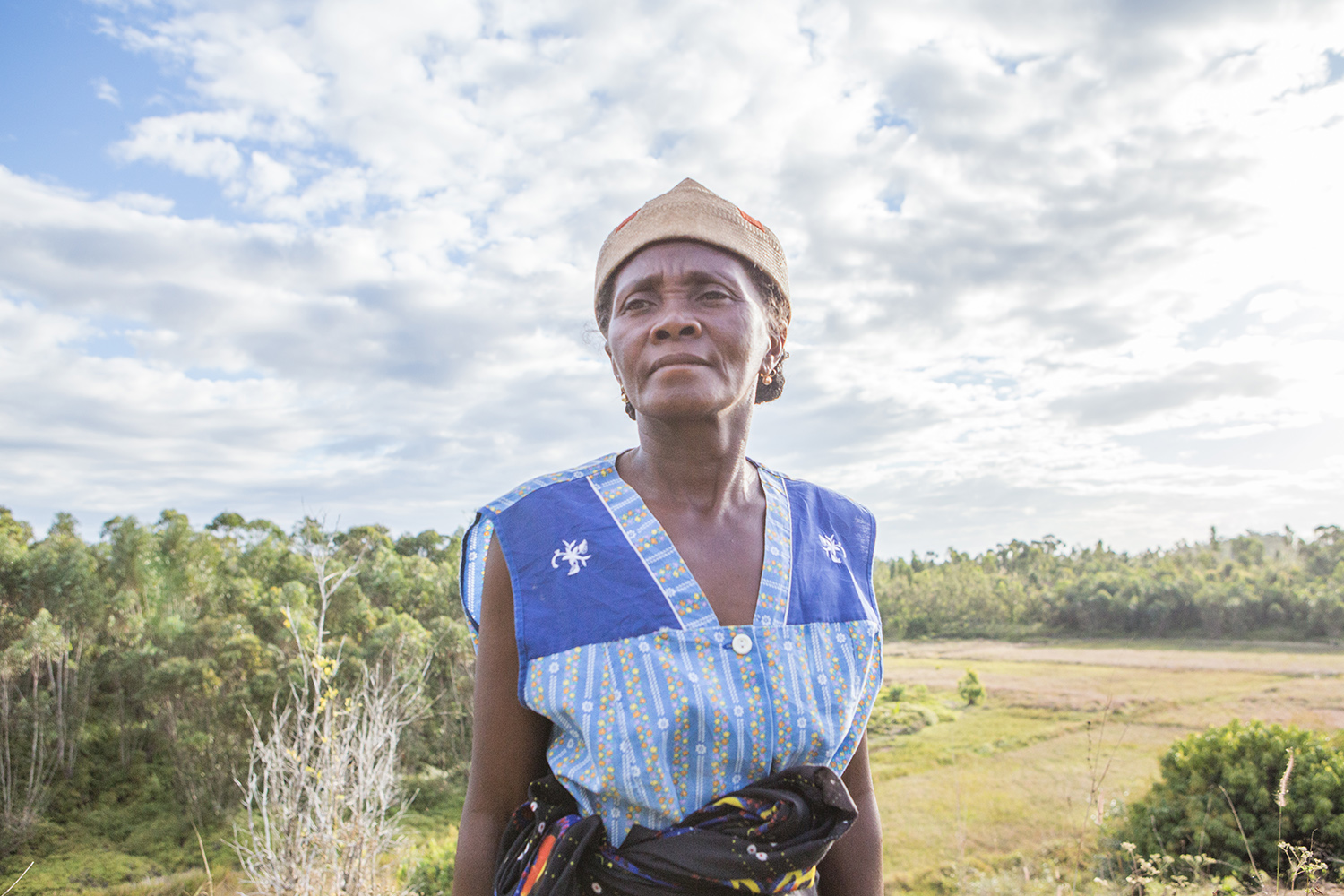
As the planet warms, the fallout from climate change – from droughts, to floods, to superstorms – is getting worse. But not everyone has felt the pain equally. This imbalance is tied to longstanding inequalities: women often shoulder more domestic care responsibilities, have less access to resources, such as land or credit, and are underrepresented in decision-making spaces.
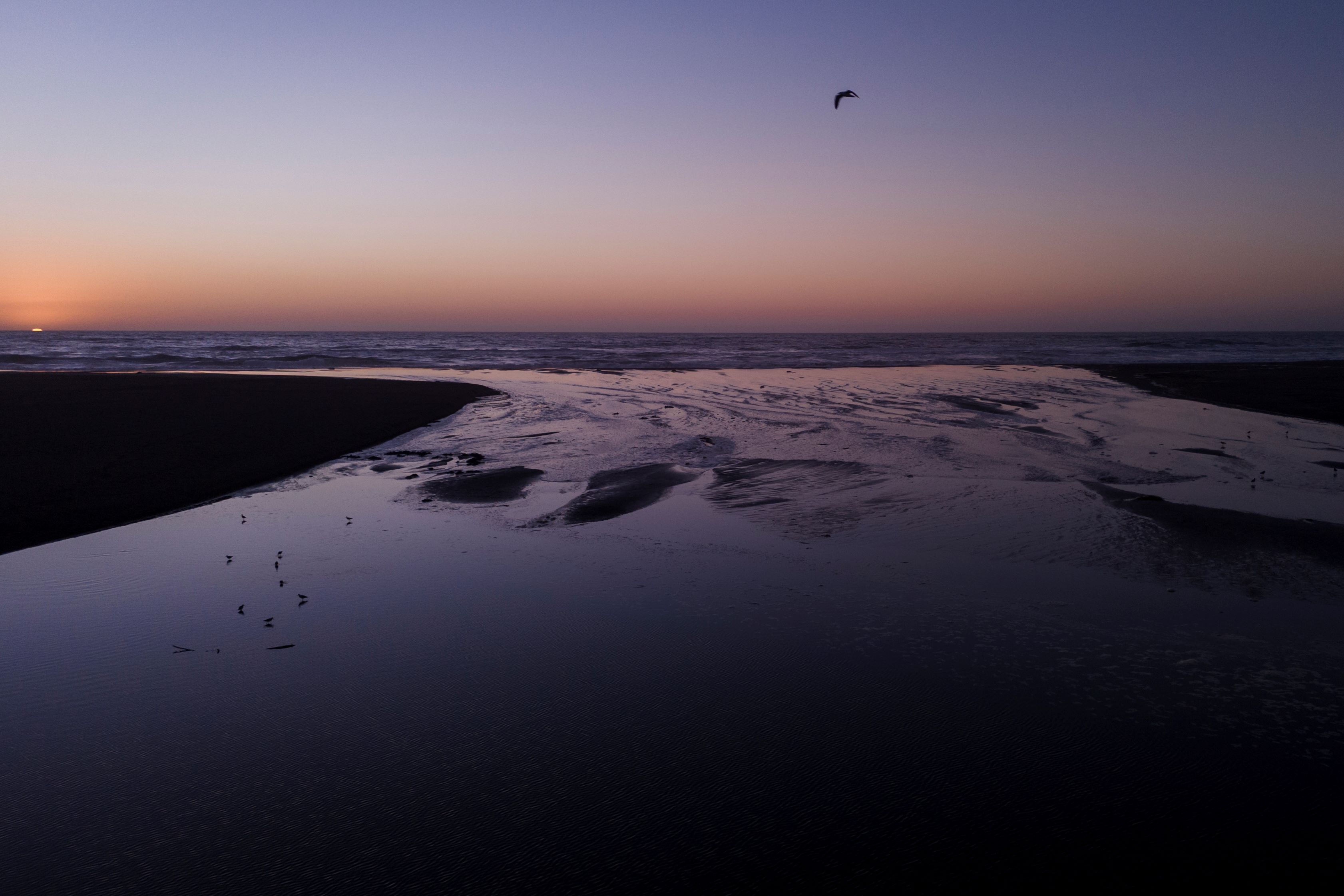
Miriam Abarca is standing on a wooden platform overlooking the Cahuil Lagoon, a small, salty pine-fringed body of water on Chile’s central coast. In the distance, birds weave through waist-high reeds and tourists paddle a rowboat over the lagoon’s placid surface.
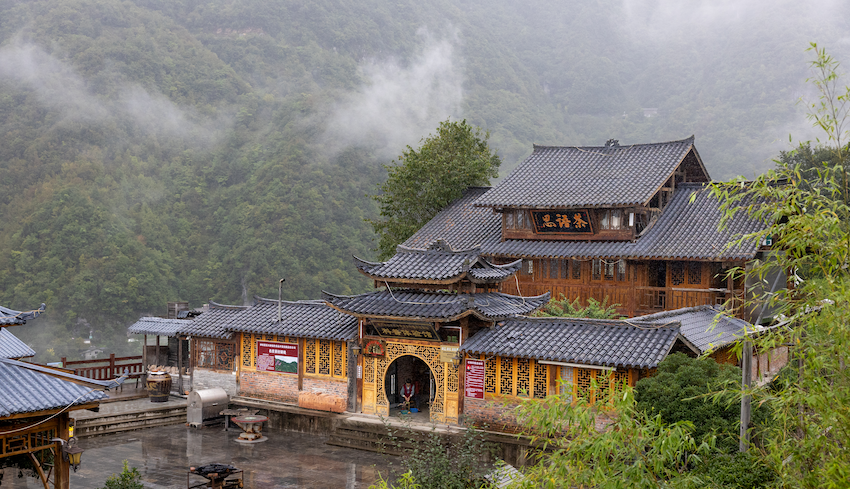
Nestled in the heart of Hubei Province, China’s Shennongjia National Park has become a beacon of hope for conservationists, nature lovers and those dedicated to restoring the delicate balance of ecosystems.

At dawn, Dorothy Mae Dumawal strolls past a fleet of electric three-wheeled vehicles charging at a government-owned parking lot in Pasig City, Philippines. In a short while, the vehicles, which belong to the Philippine Postal Corporation, will set off on mail runs across bustling Pasig City, part of metro Manila.

In a Nairobi hotel last week, models strode down a runway to promote the idea of reuse in fashion. Clad in upcycled looks created by emerging designers, the show focused on avoiding new production and repurposing items already in circulation.
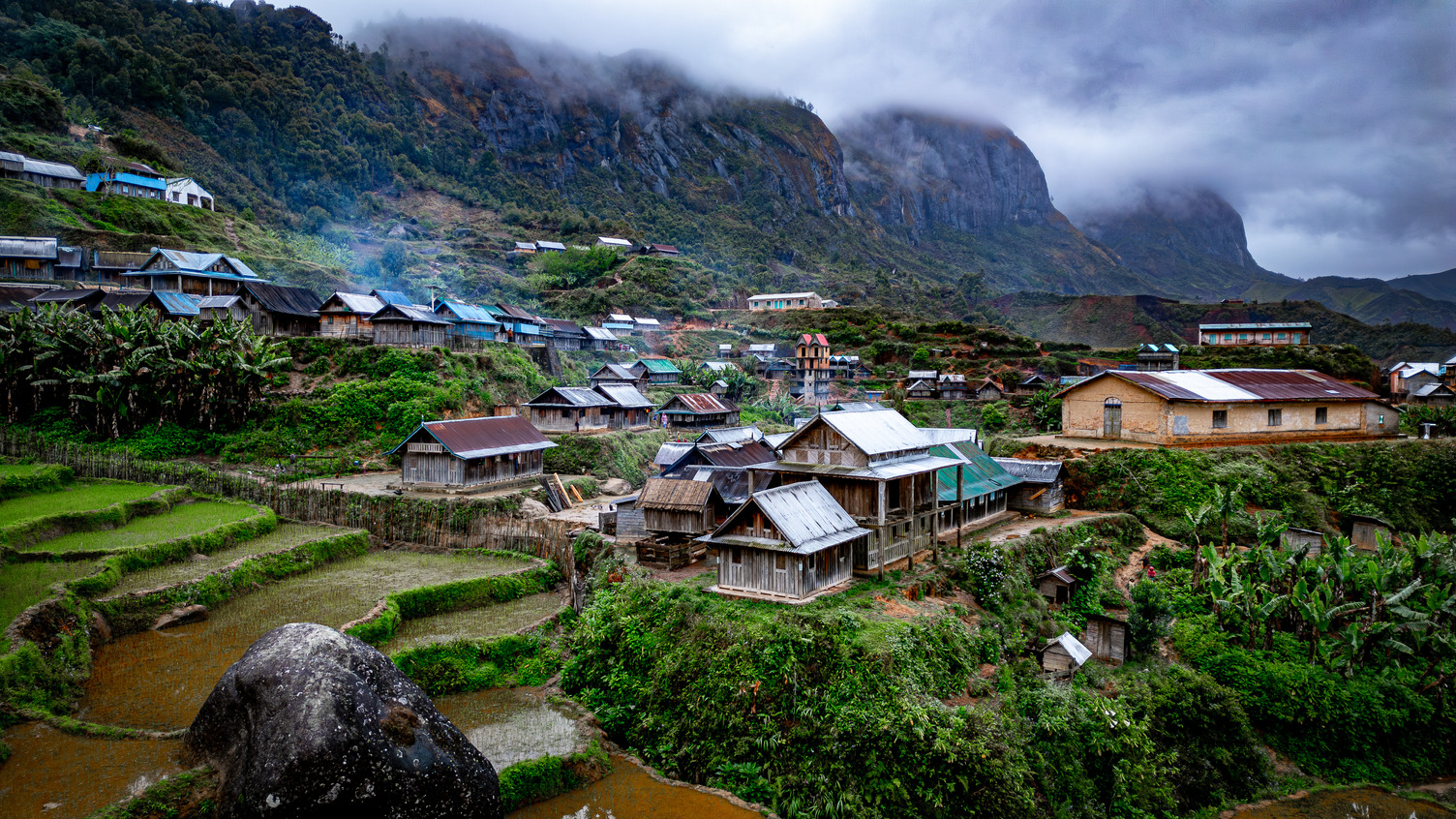
Honorine Rasoamampionona looks after a tree nursery in Sakaivo Nord, a village in Madagascar's Central Highlands. She spends her days tending to saplings, carefully sprinkling them with soil, fertilizer and water until they are mature.
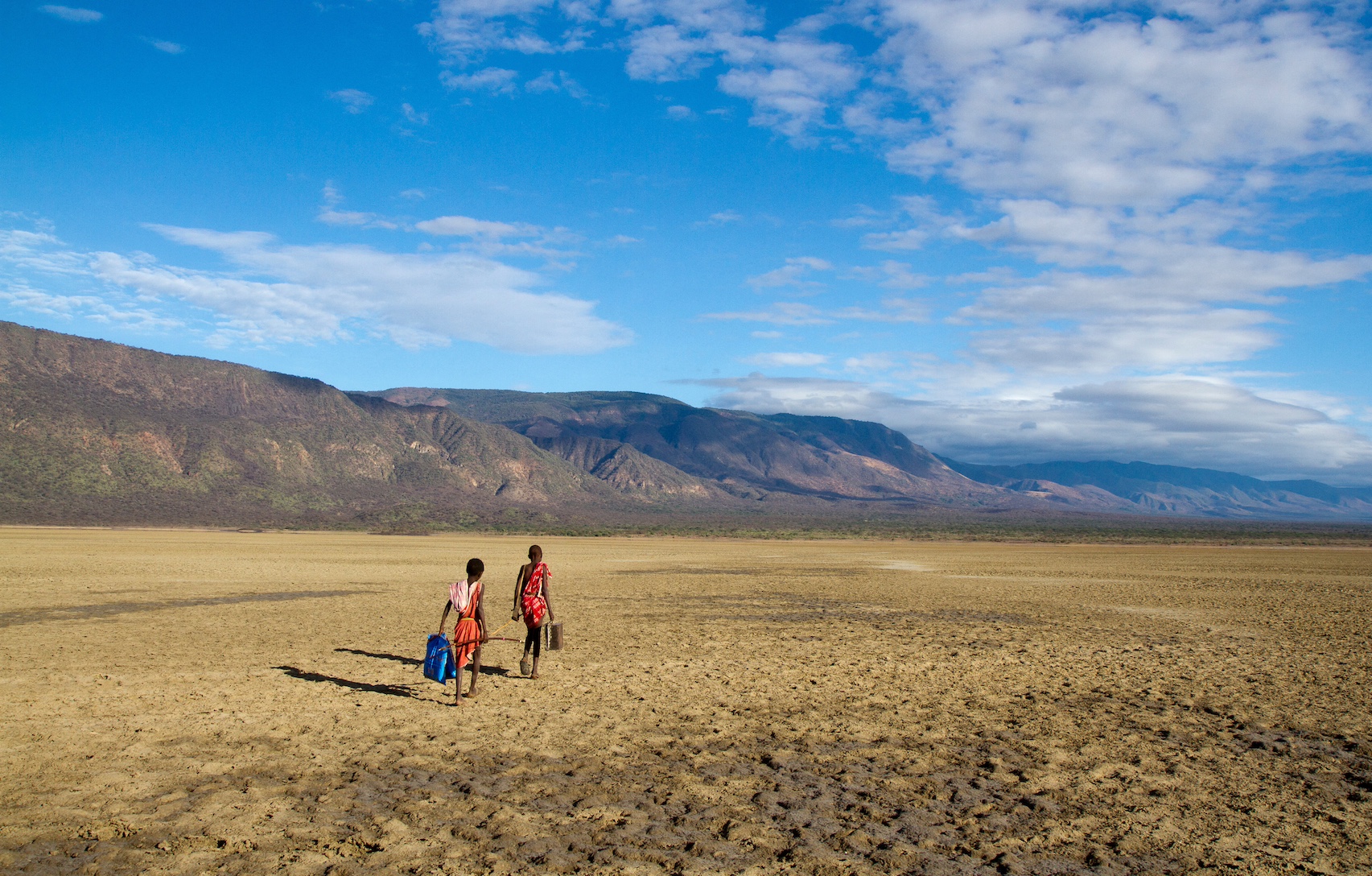
For much of his life, cattle farmer Asherly William Hogo was consumed with finding water for his herd. Hogo, who is in his early sixties, still has vivid childhood memories of rising in the middle of the night, gathering his animals and setting out across Tanzania’s parched central rangelands in search of water.
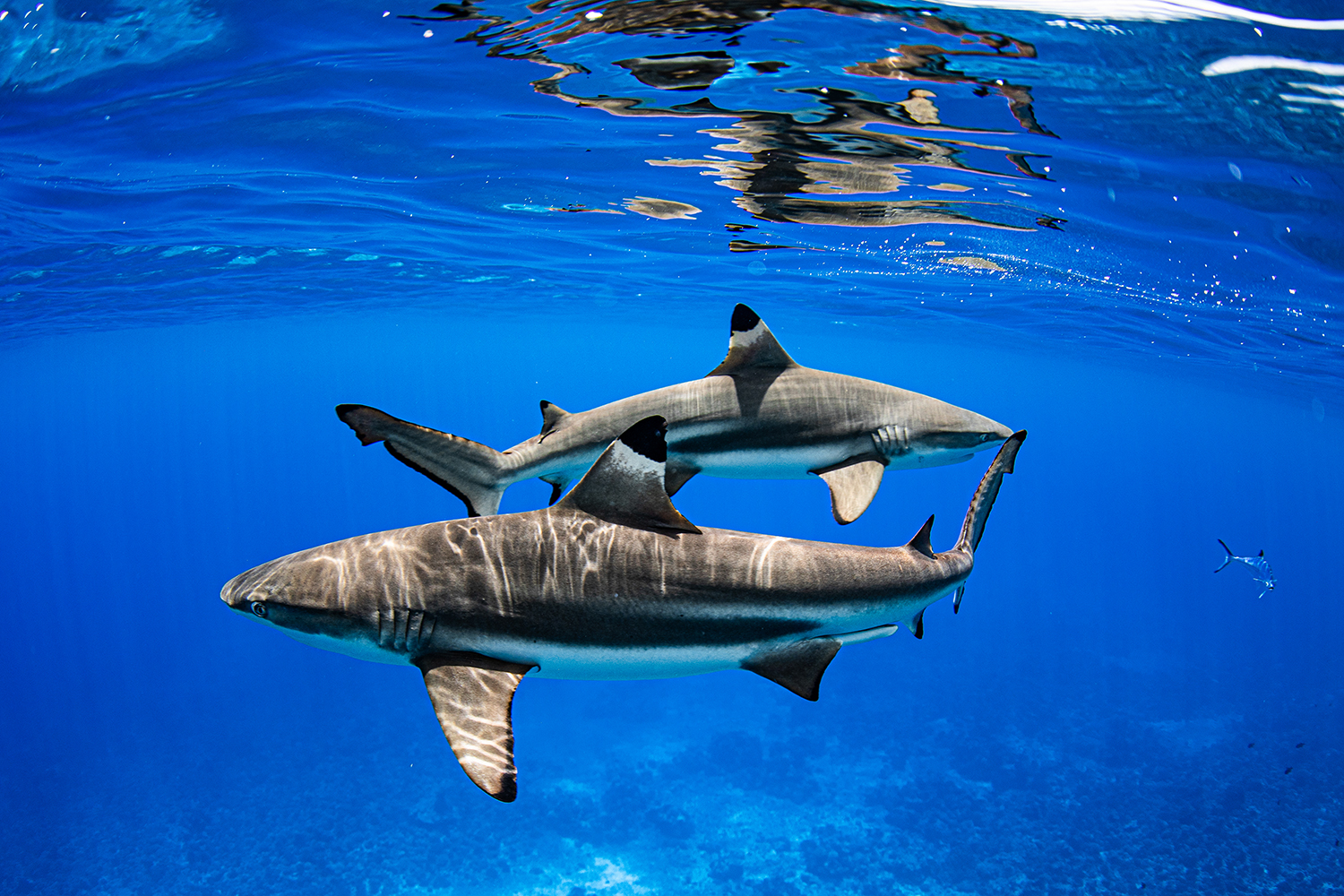
A couple of years ago, in the turquoise waters off the coastal village of Mahébourg in Mauritius, a Japanese oil tanker ran aground.
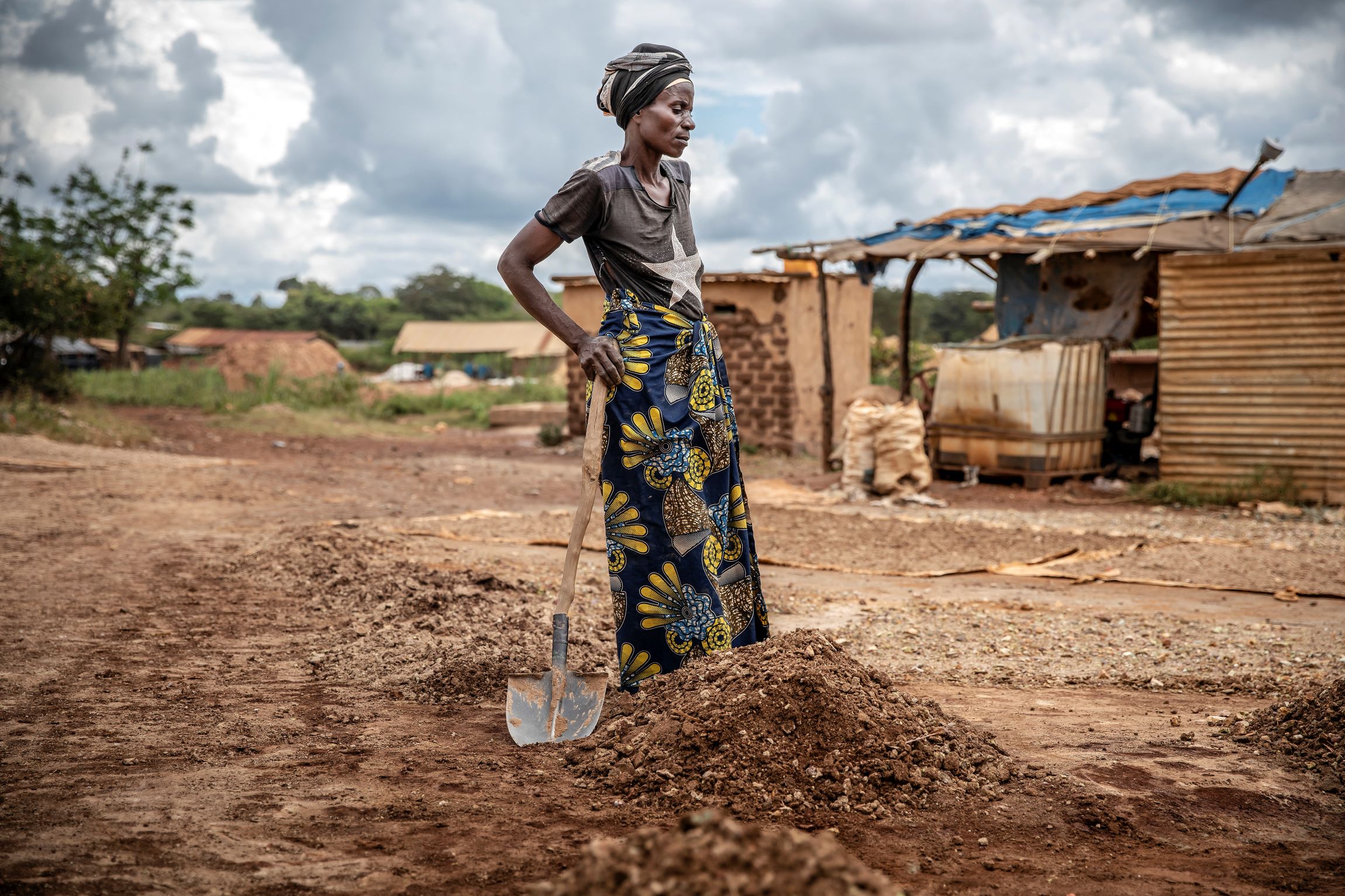
In the small coastal town of Guapi, Colombia, Mary Luz Ante Orobio is meeting with a group she calls “the unstoppable women.”
They are gathered around a wooden chest filled with loose cash, a ledger and a calculator. Orobio flips through the ledger, eyes poring over tidy notes outlining a series of financial investments. She jots down some numbers before distributing cash among the group.
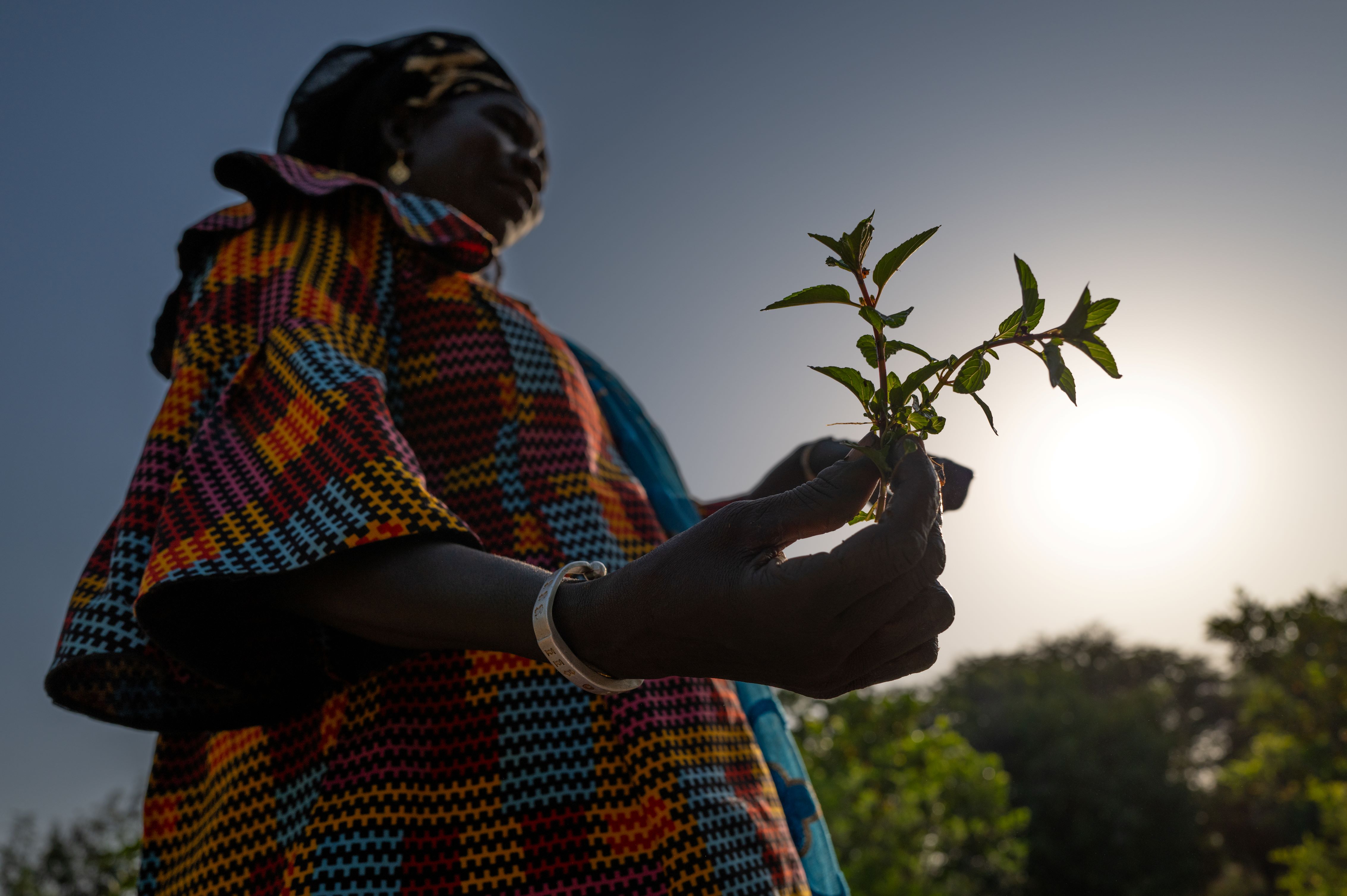
Global agricultural production more than tripled between 1960 and 2015, an expansion that has helped to feed a hungry planet.
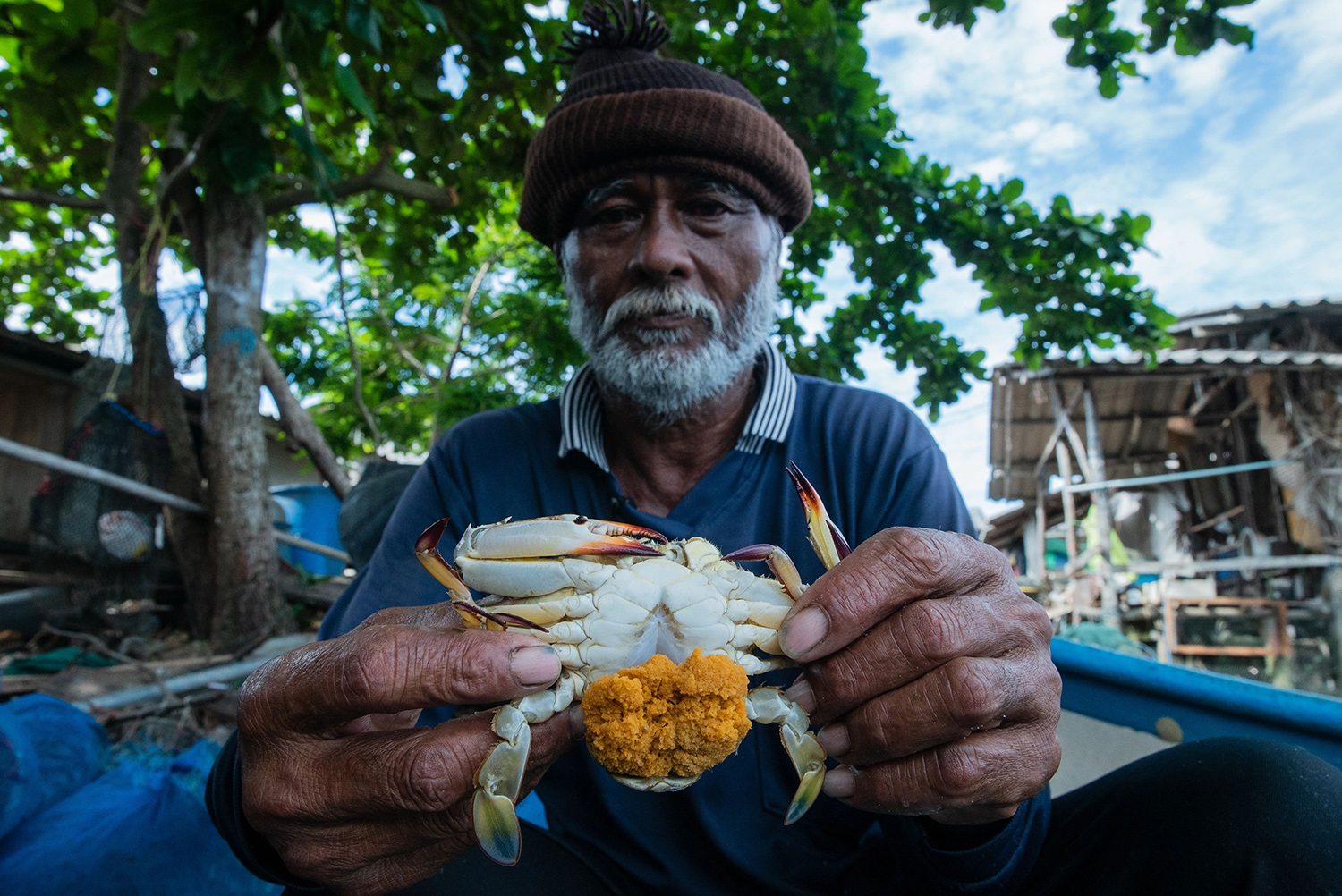
Floating through the crystal-clear waters off the east coast of Thailand, fisher Sutham Hemmanee spots a large female crab amidst the morning’s haul, its underside swollen with the promise of offspring.
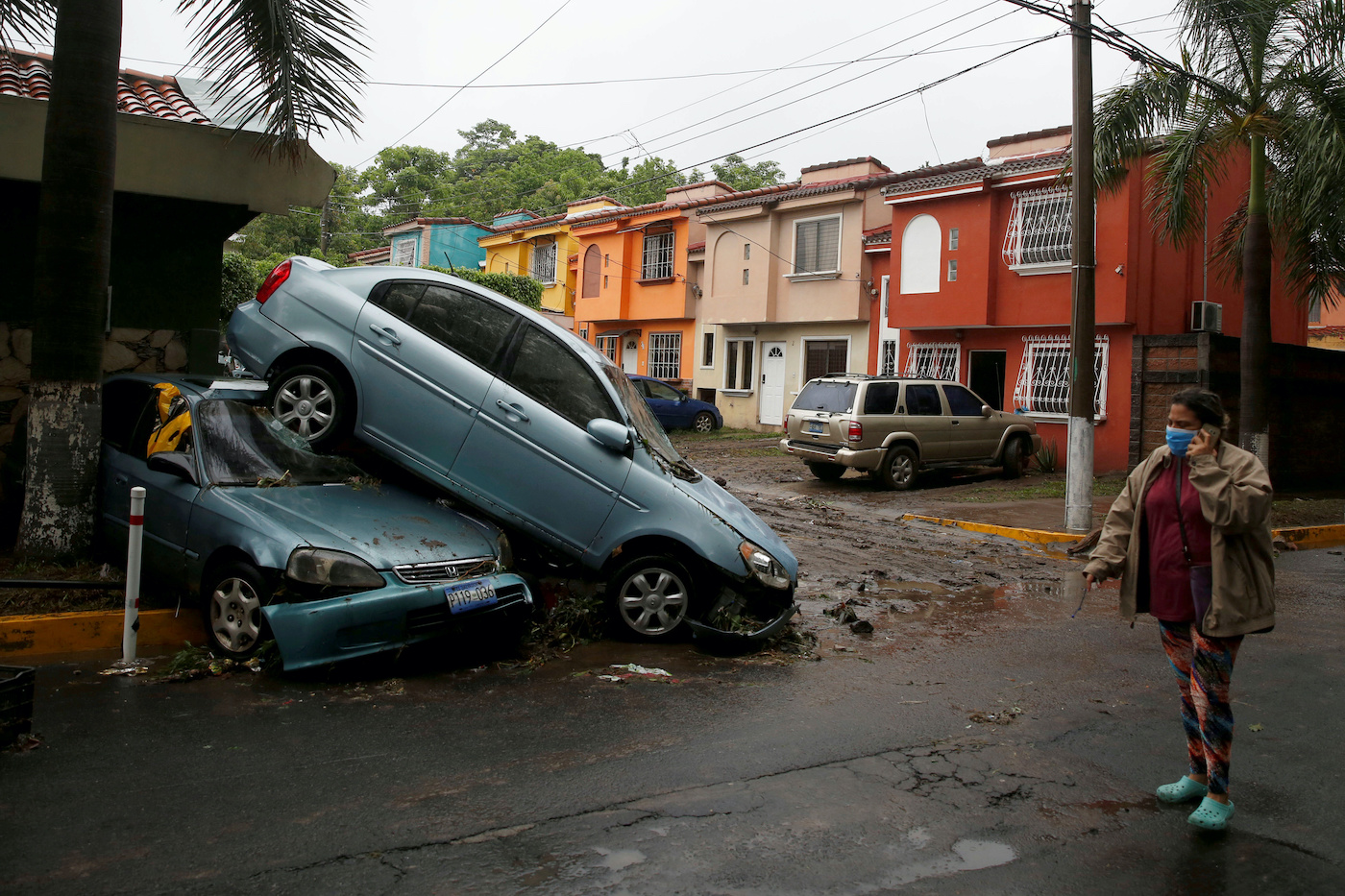
In June 2020, Tropical Storm Amanda descended on El Salvador’s capital, San Salvador. Gale-force winds and torrential rains triggered more than 150 landslides and 20 major floods, tearing apart roads, electrical lines and almost 30,000 homes.
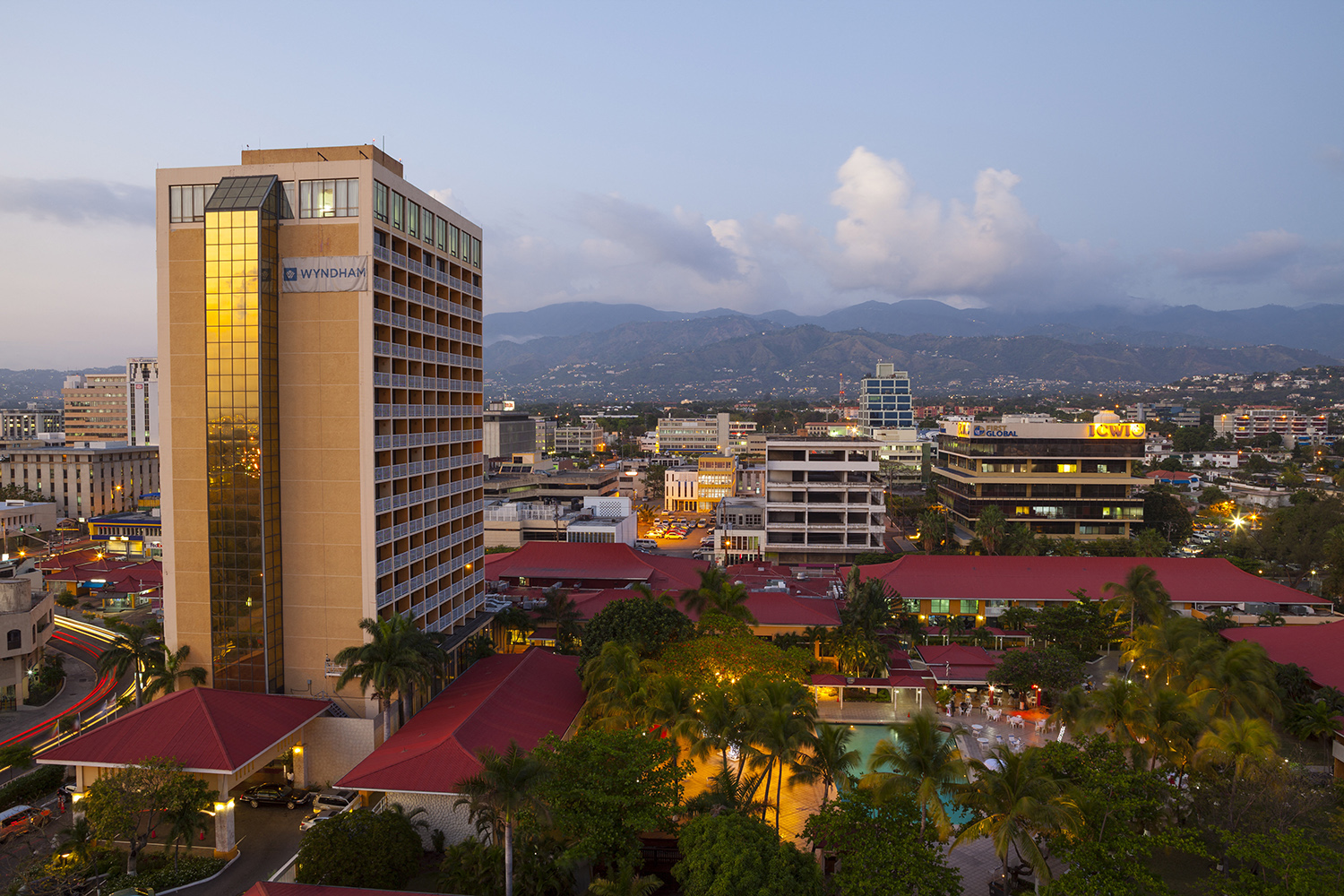
Set amid the rapidly growing city of Kingston, Jamaica’s capital, is a small commercial garden run by the community group the Abilities Foundation. Neat rows of fruits and vegetables line the plot, which helps fund vocational training for students with special needs.
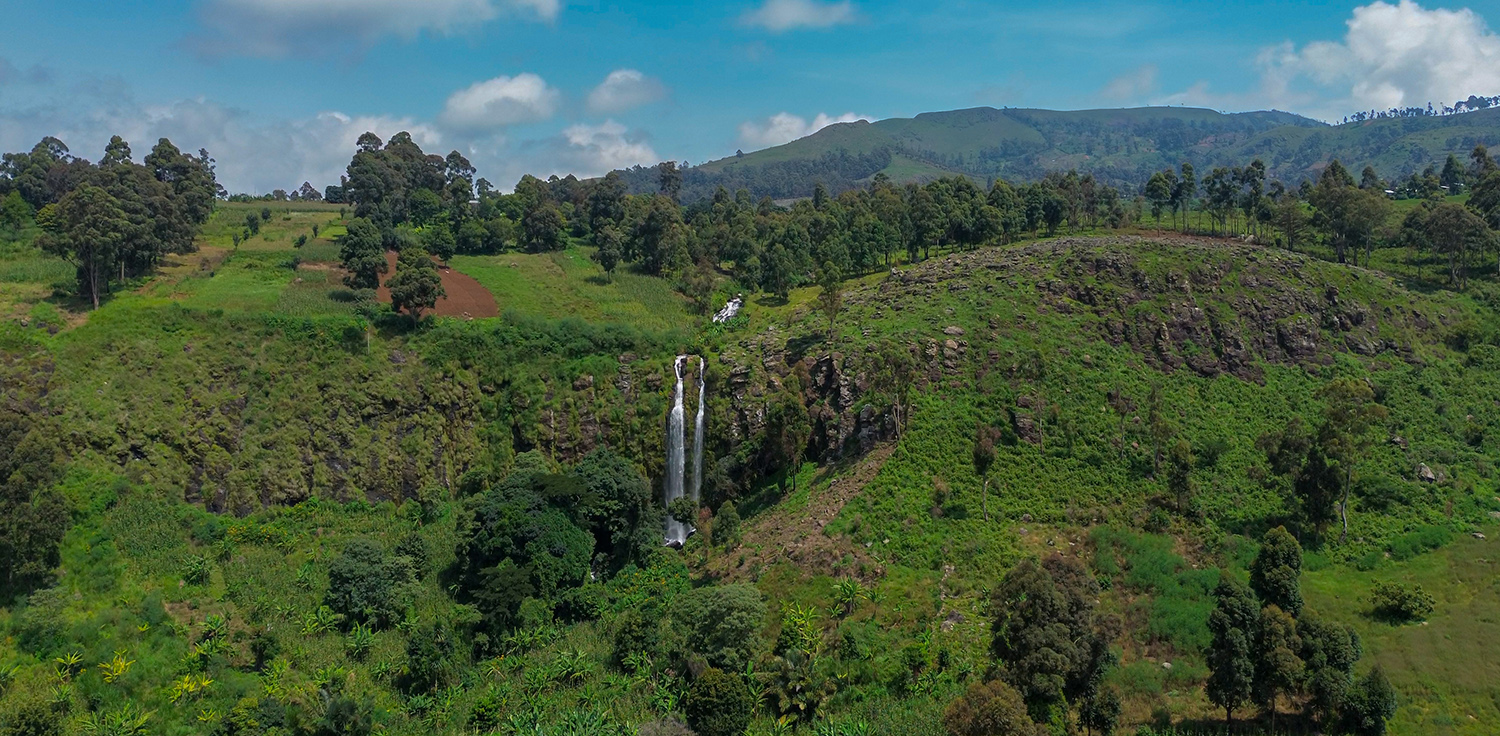
The forests of the Bamougoum Chiefdom in the western highlands of Cameroon have been sacred grounds for generations.
Renowned for their natural beauty and rich biodiversity, these landscapes are also home to wildlife, including great apes, civets and pangolins.

German President Frank-Walter Steinmeier visited Thailand's largest rice-farming province on January 26, highlighting his government’s support for multilateral efforts to shift towards climate-smart agriculture.
Rice is Thailand’s single most important crop. Rice cultivation covers almost half of the country’s agricultural land, supporting exports of more than 8 million tonnes each year.

The Global Environment Facility’s member countries have approved $203 million in high-impact climate adaptation investment for Least Developed Countries, Small Island Developing States, and other countries needing to reinforce their food systems, water resources, and warning systems as a result of growing climate change risks.
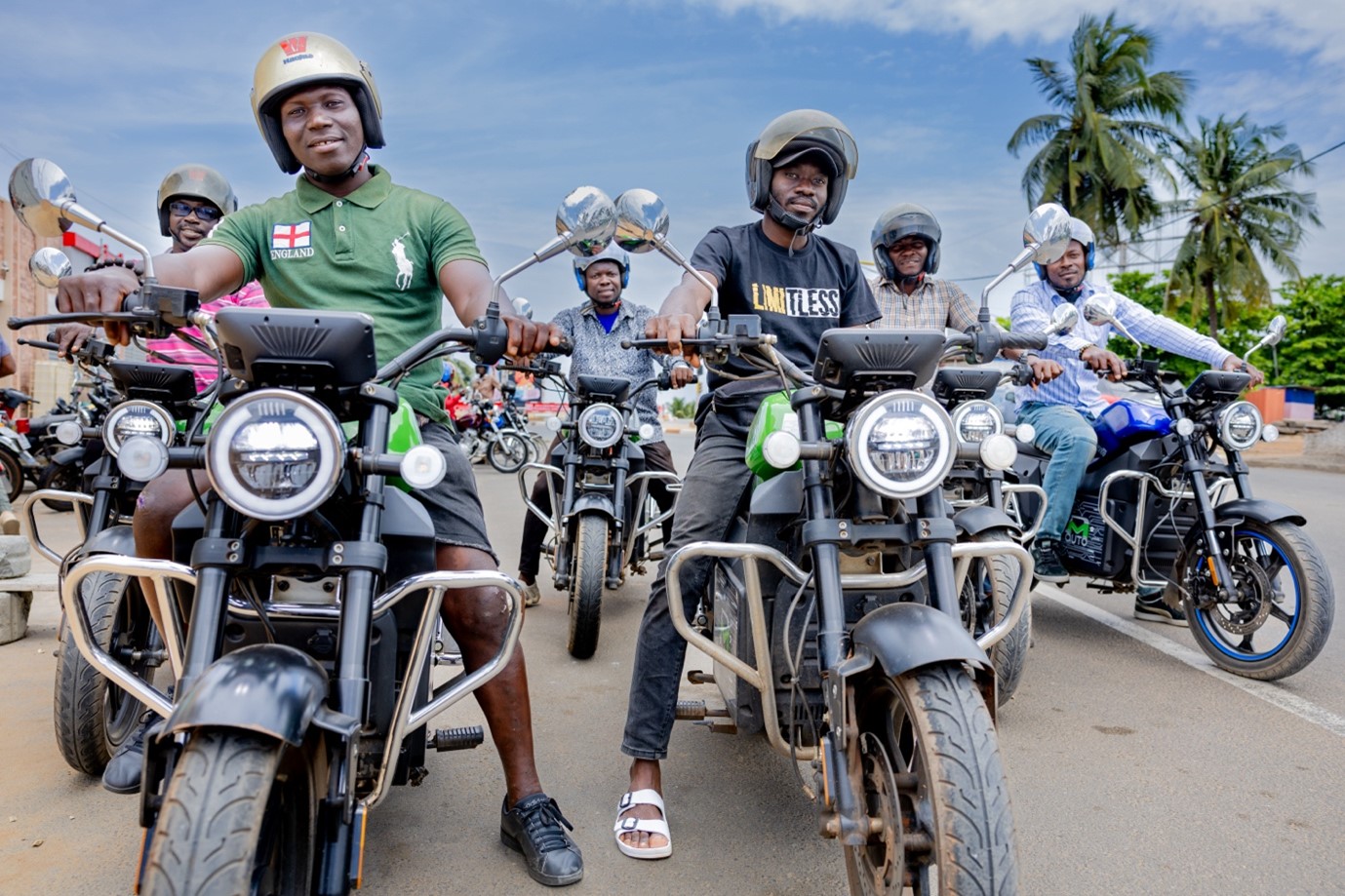
On the busy streets of Togo’s capital, Lomé, change is afoot amongst some of the city’s motorcycle taxi drivers.
They’re going electric.
At a battery swapping station, drivers are quick to share their enthusiasm for their new e-motorcycles, replacements for the petrol-powered models they once rode.

My grandfather would routinely remove debris from the water’s surface and unclog the outlet as part of maintenance for ensuring an unrestricted flow of surface water, which would later be treated and stored by the water utility. This impressed upon me the value of environmental protection and conservation for supporting vibrant ecosystems and keeping good surface water quality.

Sitting at the base of Islamabad’s Margalla Hills is the Raziuddin Siddiqi Memorial Library, a four-storey building packed with more than 2 million books, CDs and DVDs.
Along with being one of Pakistan’s largest libraries, Raziuddin Siddiqi is unique for another reason: on entering the building one won’t hear the tell-tale flicker of fluorescent lights.

At the heart of coastal communities, where the rhythmic waves meet the whispers of the wind, a profound initiative is taking root—a symphony of restoration aimed at revitalizing our oceans and nurturing the sustainable blue economy. The Fisheries Refugia Concept unfolds as a beacon of hope amid declining fish stocks and habitat degradation plaguing marine ecosystems.
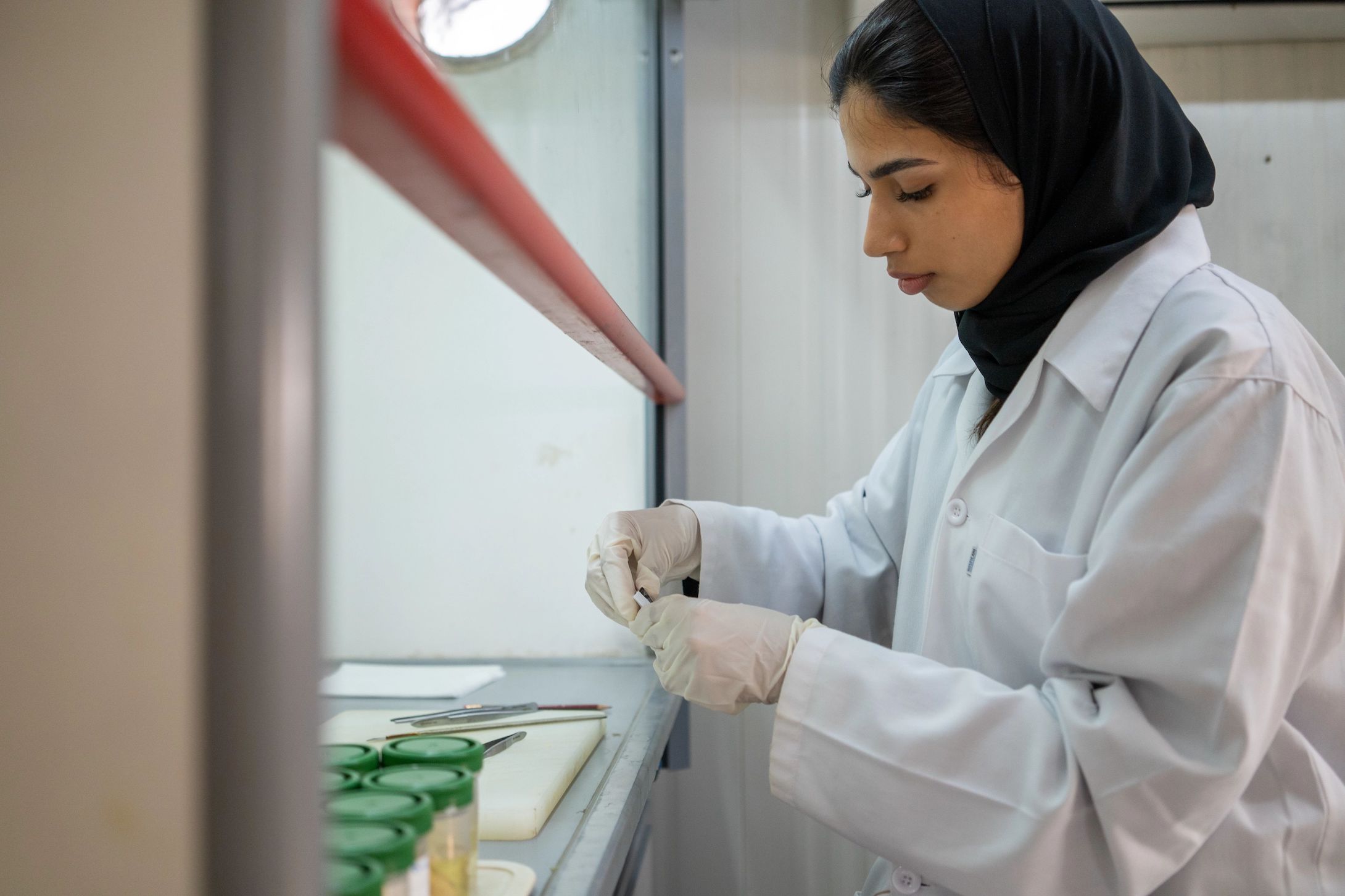
The year 2023 was a landmark one for the global governance of chemicals and waste, with negotiations on a science-policy panel for sound chemical management and talks on an instrument to end plastic pollution both making headway.
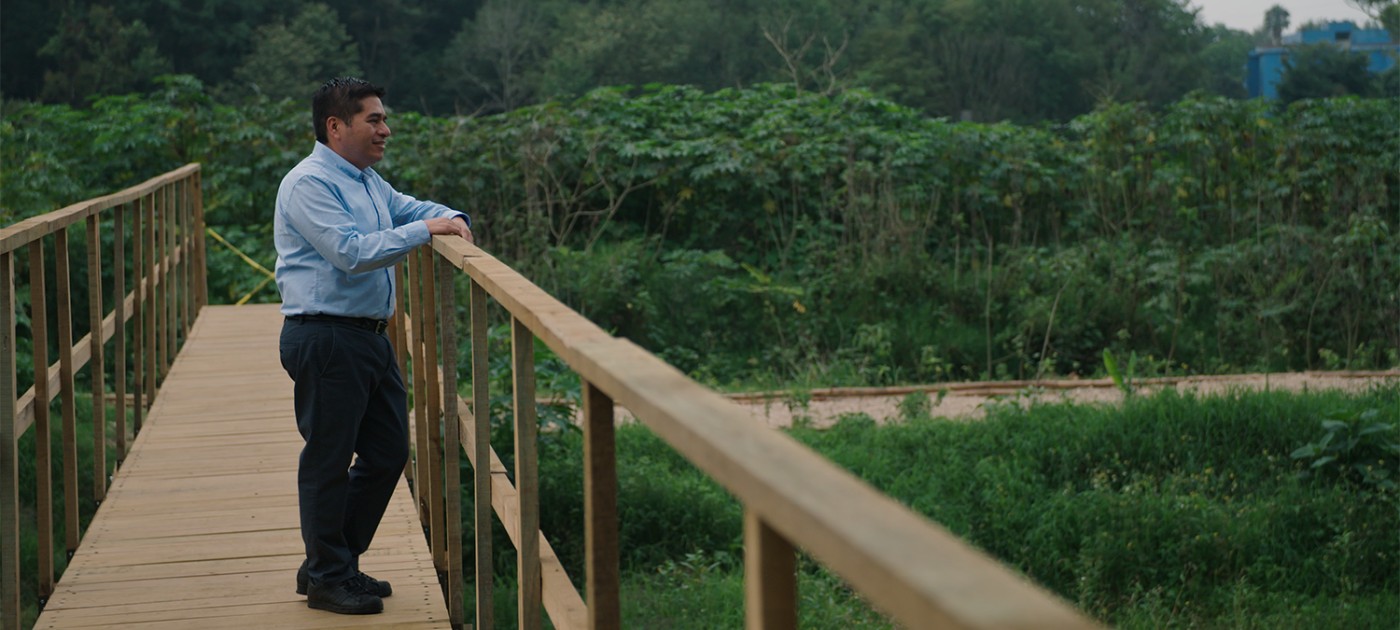
The city of Xalapa, Mexico is bordered by more than 5,300 hectares of mountain forest, a sprawling green sponge that soaks up rainwater and slowly, predictably, releases it to residents downstream.
At least, it used to.
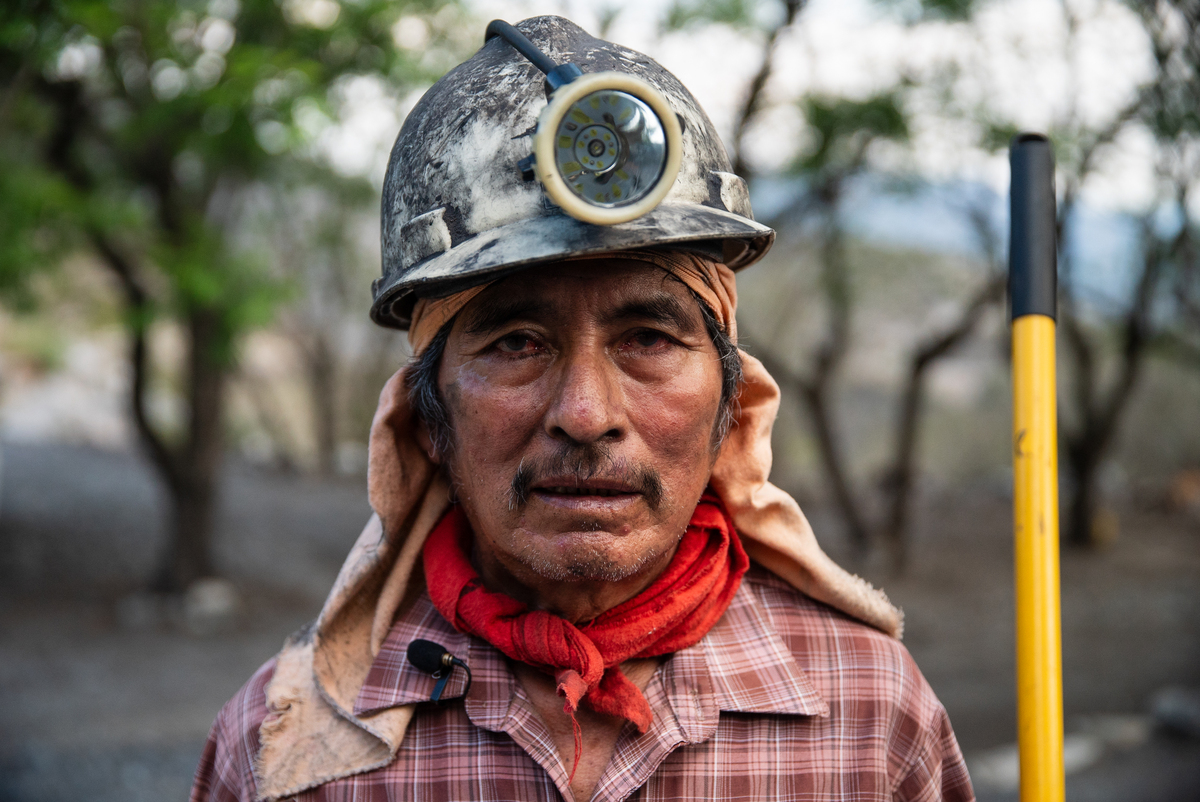
As the sun rises across Mexico’s Sierra Gorda nature reserve, a golden light illuminates its nearly 400,000 hectares of mountains, gorges and valleys.
Set amid this vast wilderness is the Bucareli mercury mine.
Just after dawn, a metal door to the mine opens. The morning’s silence is broken by the dull sound of a generator and workers traipsing to their posts.
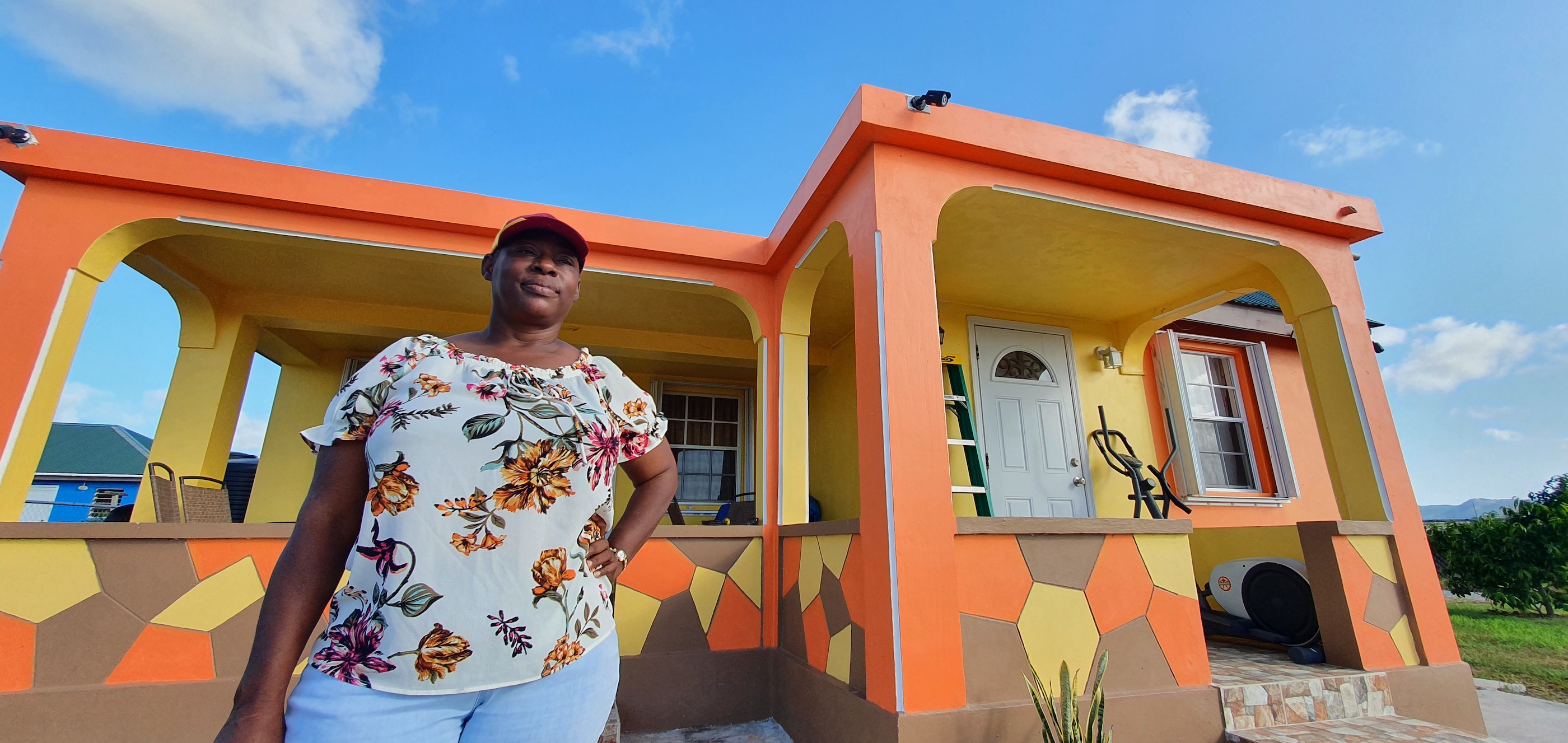
The Caribbean island of Barbuda still bears the battle scars of its most brutal encounter with climate change. In 2017, Hurricane Irma, a Category 5 leviathan of unprecedented power, roared across its pristine turquoise waters.
The island’s only storm shelter collapsed, with 300 people hiding inside. Around 95 per cent of Barbuda’s buildings were wrecked, including homes, schools and critical infrastructure.
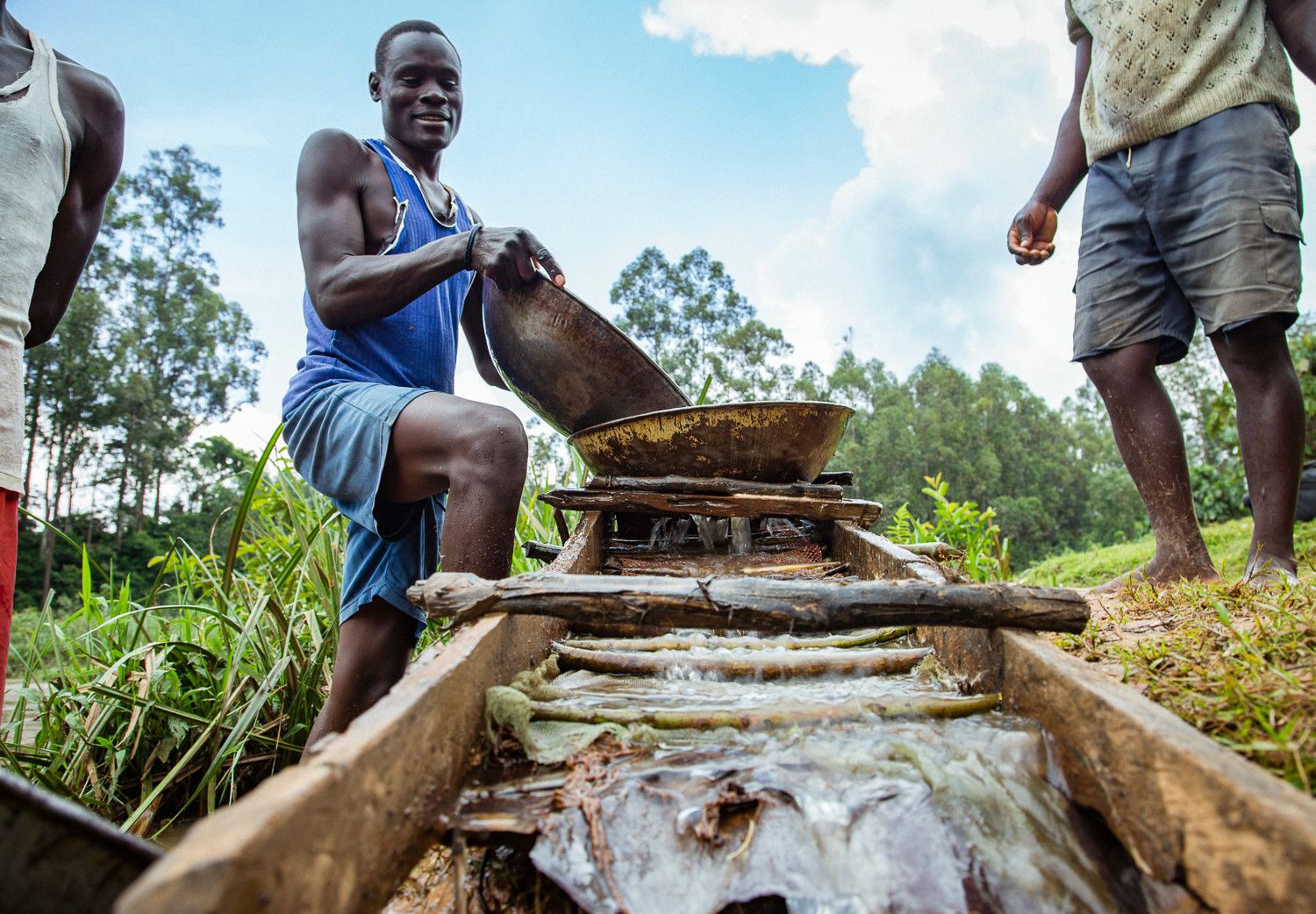
It is October 2013, and Rimiko Yoshinaga is standing behind a podium in Minamata, Japan, gazing at an auditorium packed with world leaders.
Silence descends upon the room as she begins recounting how a mysterious illness had killed her father decades earlier.
Showing 26 - 50 of 164


The Global Environment Facility (GEF) includes several multilateral funds working together to address the planet's most pressing challenges in an integrated way. Over the past three decades, the GEF has provided more than $26 billion in financing, primarily as grants, and mobilized another $148 billion for country-driven priority projects.