
News
Type: Story
Showing 101 - 125 of 164
164 results found
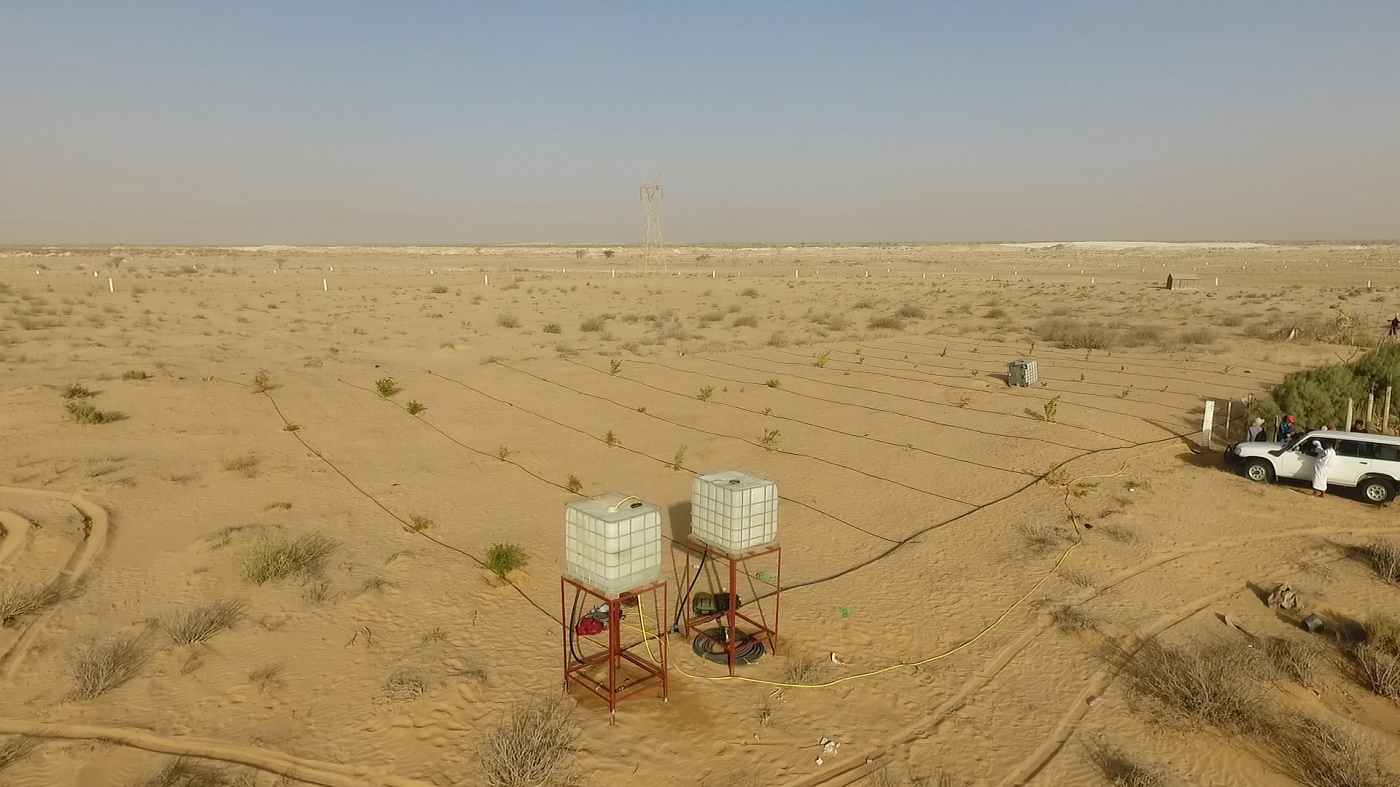
As International Day of South-South Cooperation approaches on 12 September we interview Linxiu Zhang, Director of the United Nations Environment Programme-International Ecosystems Management Partnership, on moves to restore ecosystems and promote livelihoods along Africa’s Great Green Wall.
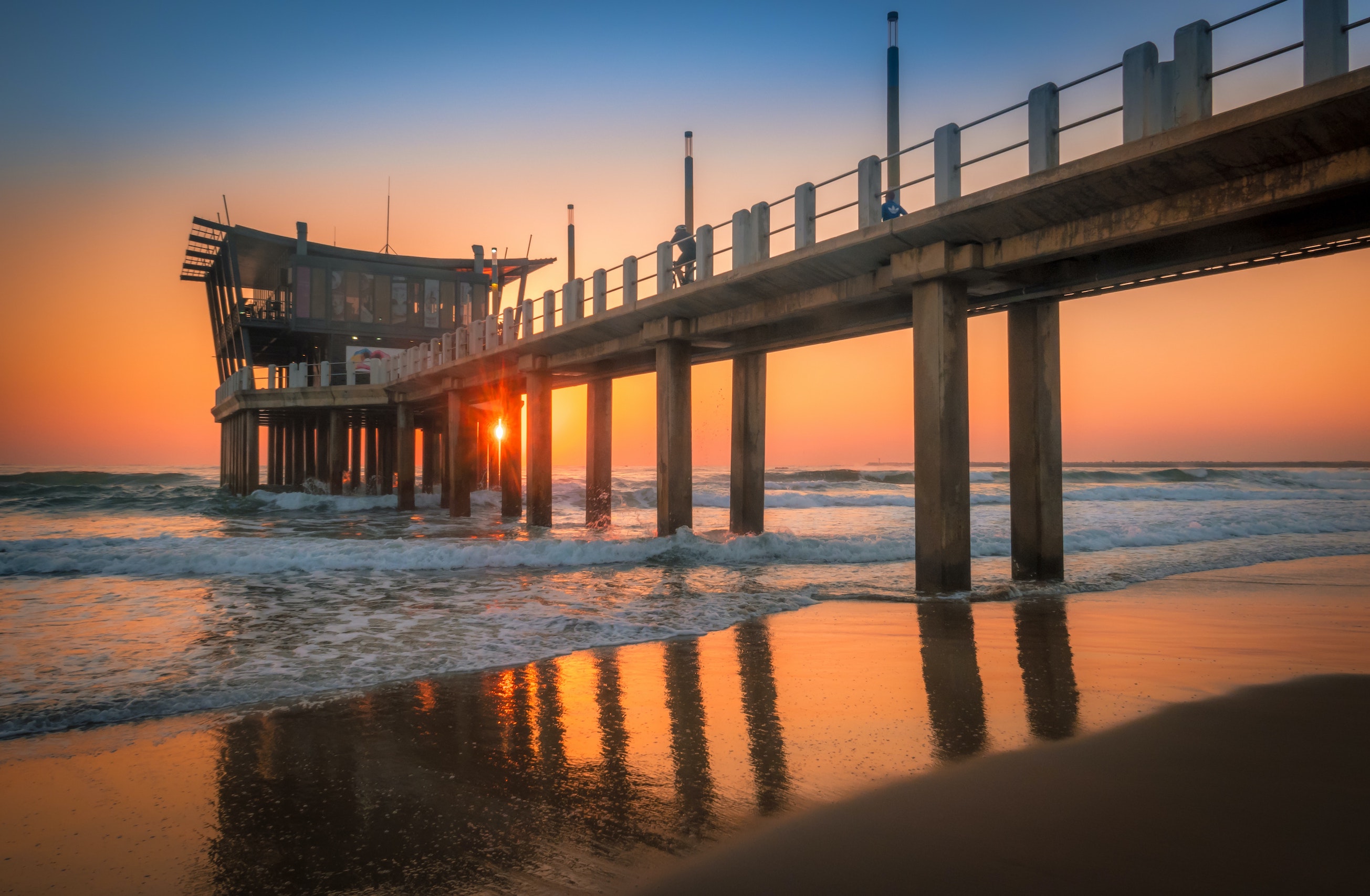
The coast of South Africa’s Kwazulu-Natal province looks like it was pulled from a postcard, with wide, sandy beaches stretching for some 600 kilometres. International and local tourists flock here in normal times, drawn to the warm Indian Ocean waters for surfing, relaxation, and glimpses of spectacular wildlife, like loggerhead turtles.
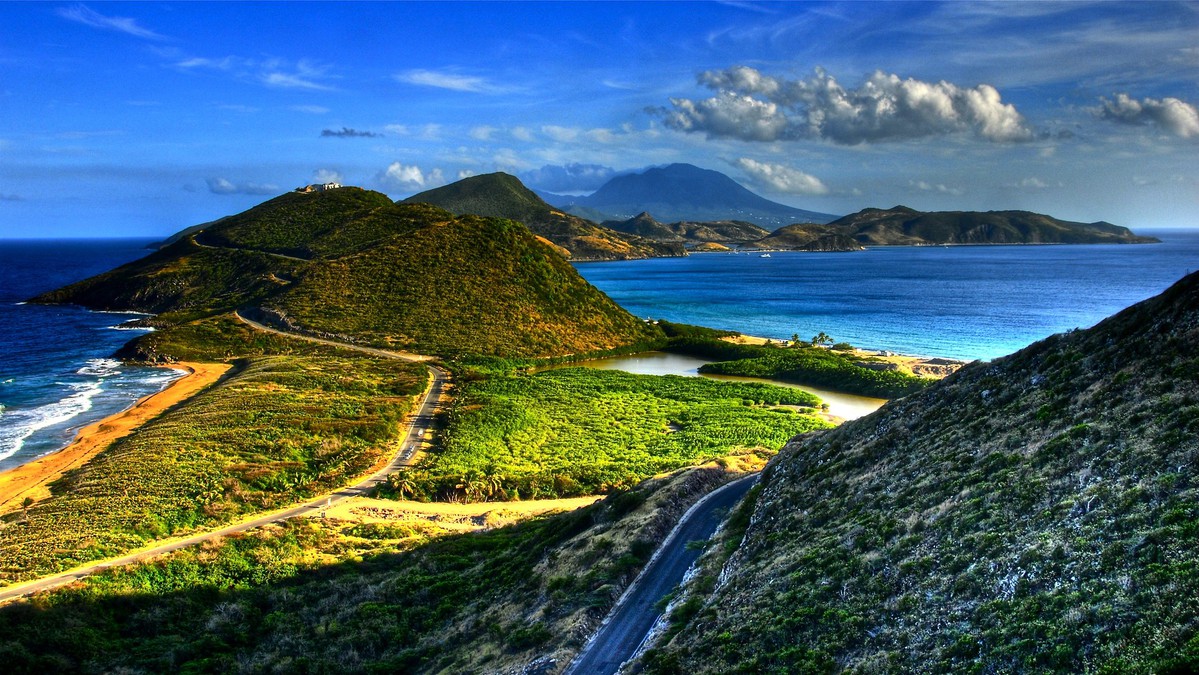
When you are a small island nation, every inch of space counts. But from rising sea levels to natural disasters and coastal erosion, in the age of climate change many islands are shrinking before their citizens’ very eyes.
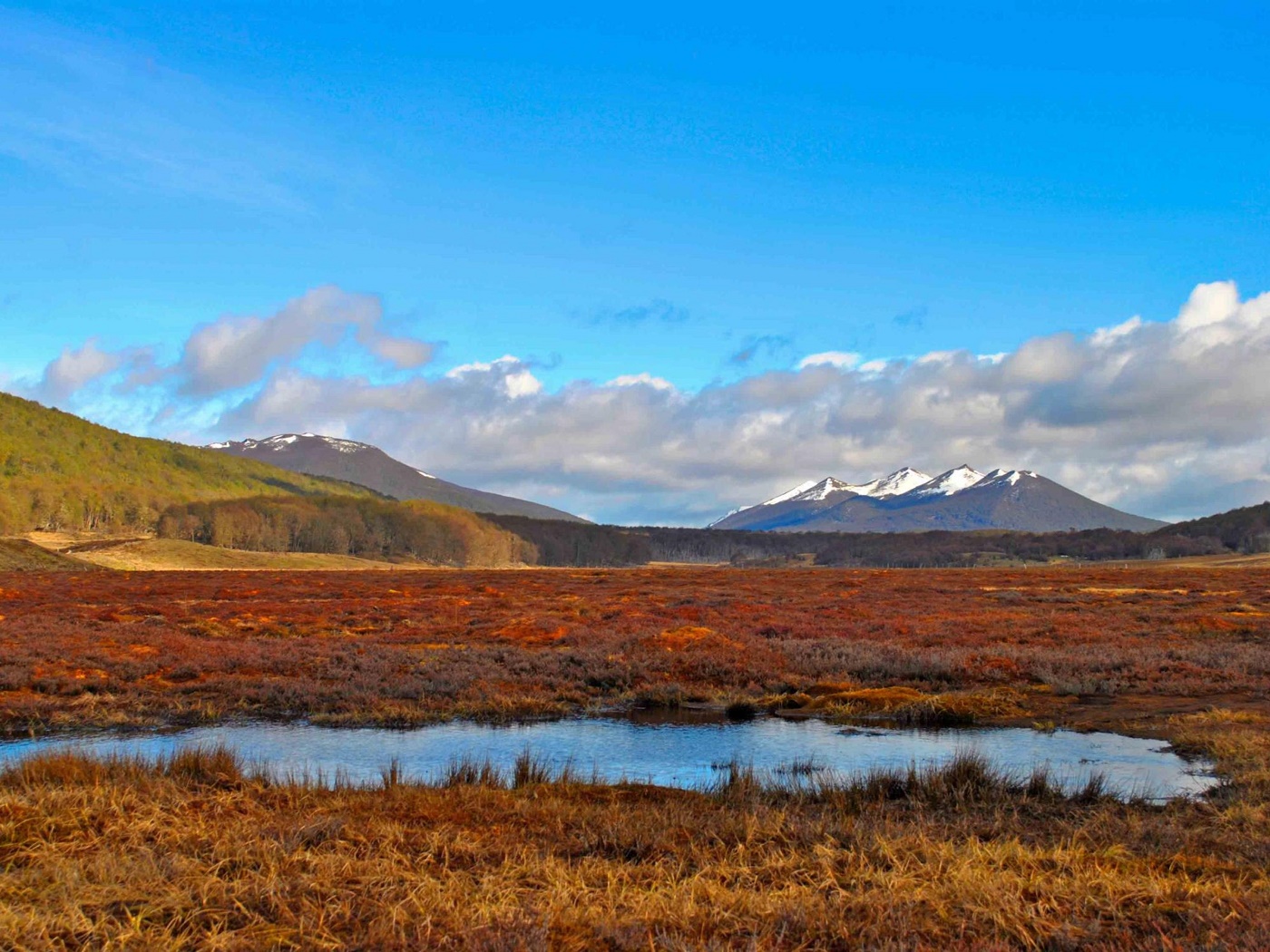
Chile is renowned for its diverse ecosystem, from the vast mountain ranges of Patagonia to the southernmost tip of Tierra del Fuego. The country is also home to a less famous carbon storage powerhouse—peatlands.
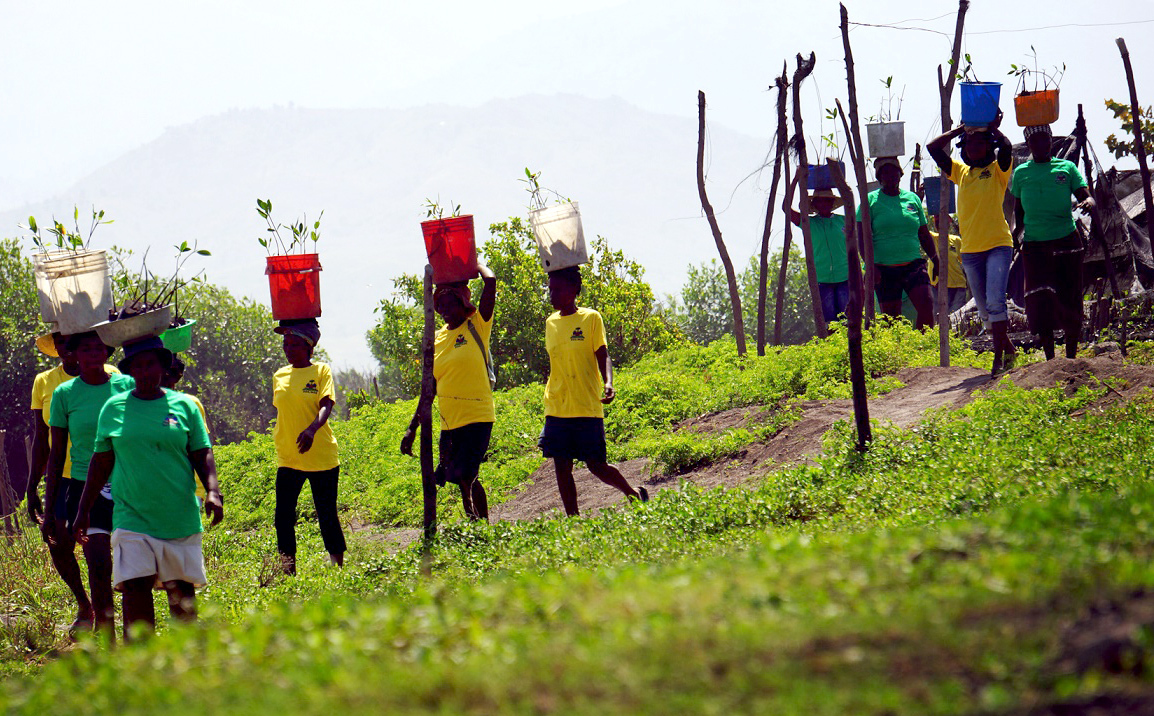
In the lead up to International Day for the Conservation of the Mangrove Ecosystem on 26 July, United Nations Environment Programme (UNEP) is running a series of stories on mangroves, and their impact on the environment and economies of countries across the world.
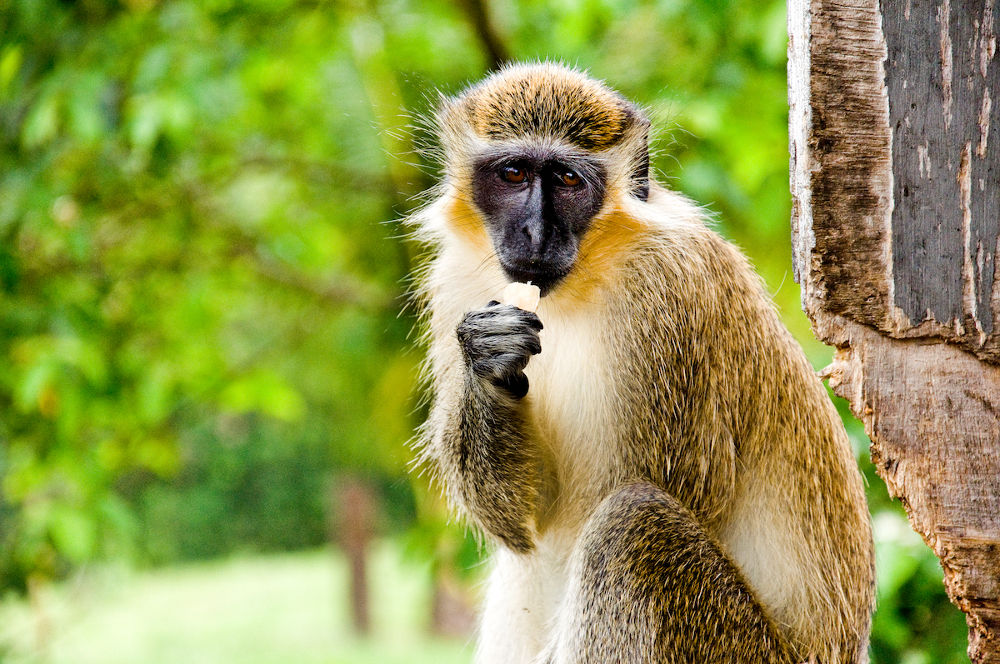
As iconic as the islands’ pristine beaches and tropical forests, the 60,000-plus green monkeys of St. Kitts and Nevis are a quintessential part of the Caribbean experience for many visitors.
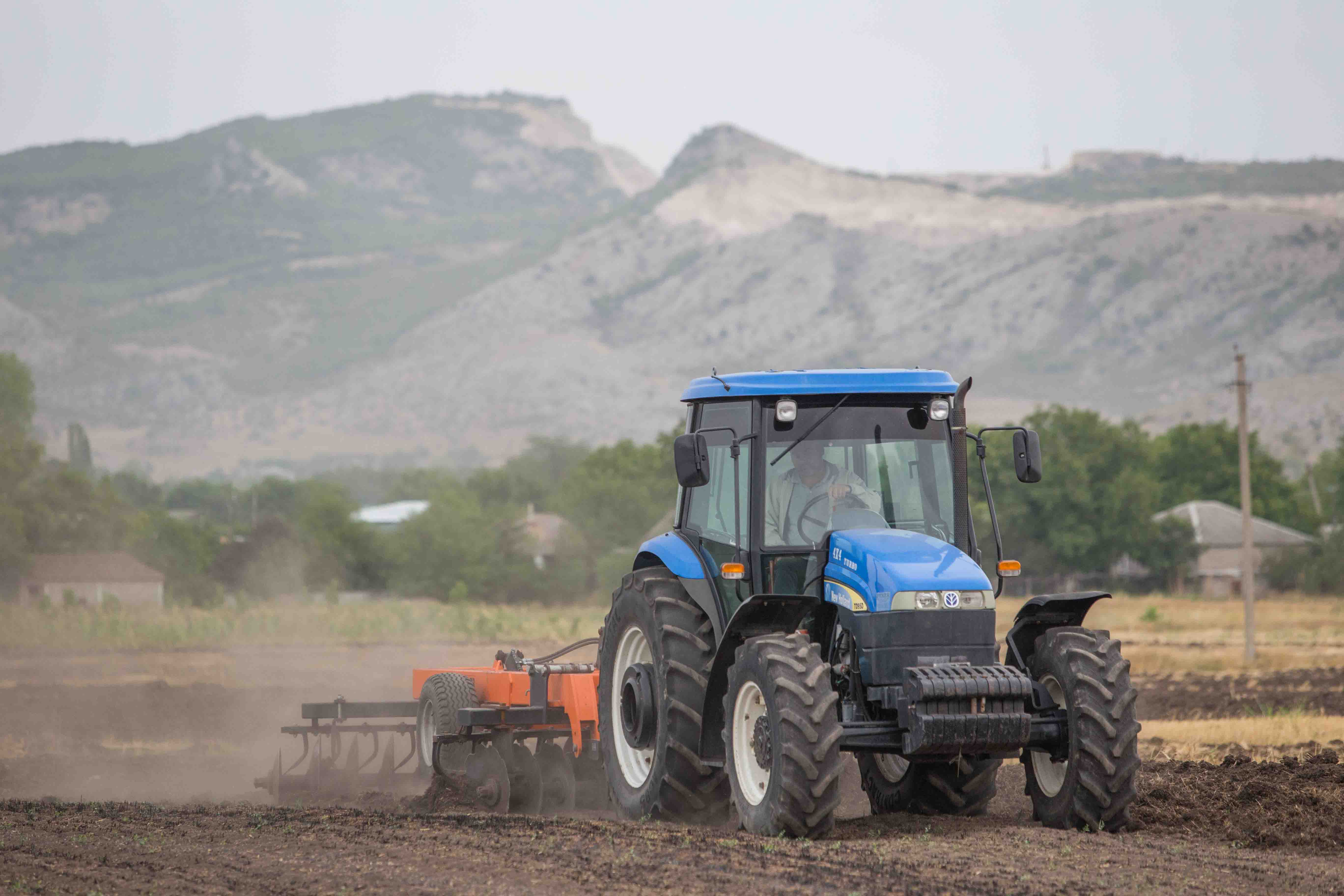
With reports suggesting COVID-19 could spark food shortages around the world, food systems experts and United Nations officials say countries must increase the resilience of their agricultural systems.
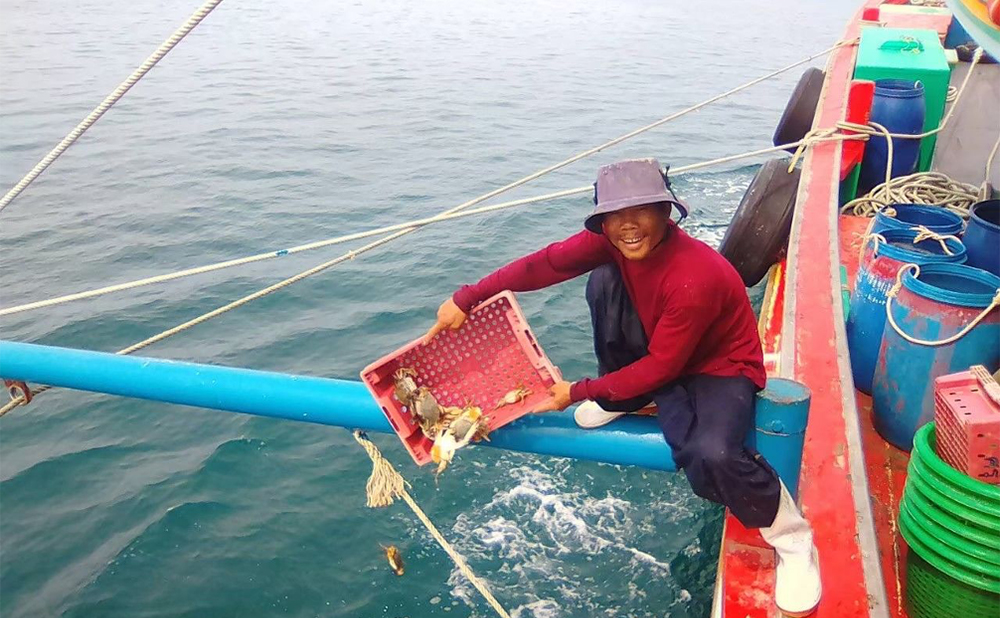
Fishing is big business in the South China Sea and Gulf of Thailand. The industry supports millions of people in the region and accounts for some 10 per cent of global fisheries production every year.
But the region’s success as a seafood exporter has come at a cost – the depletion of local fish stocks, environmental damage and, ultimately, a decline in food security and livelihood opportunities for local communities.
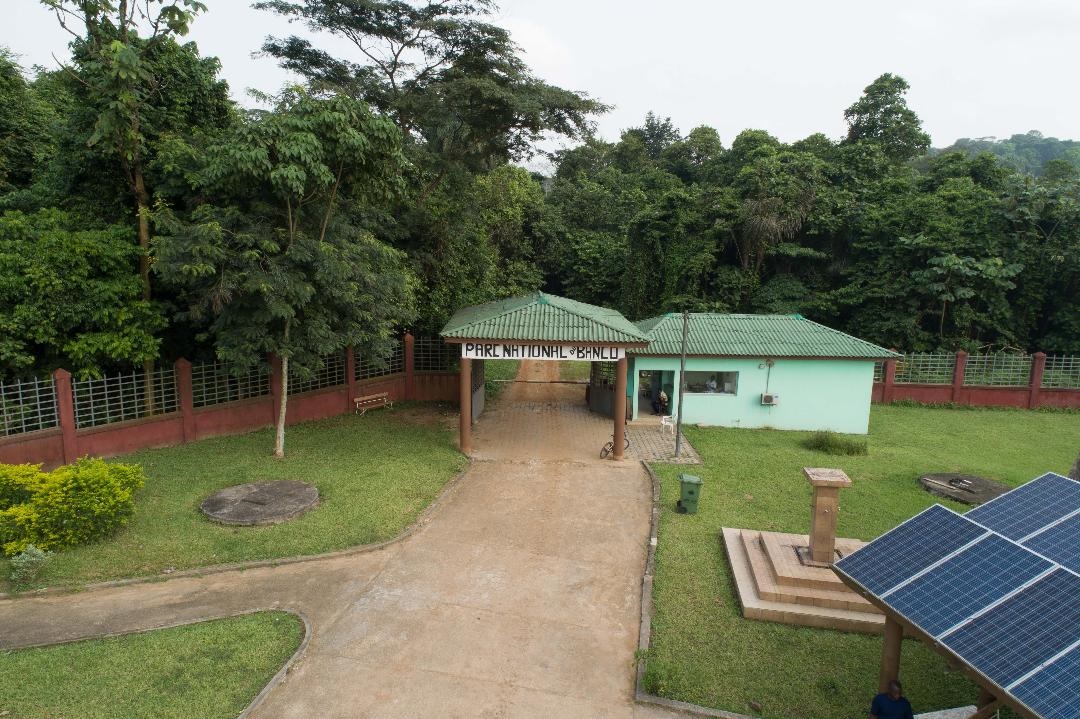
COVID-19 lockdowns have confined people to their homes across the world. For some, this causes stress and mental anguish. People need greenery: research shows that green spaces in and around cities have mental health benefits.
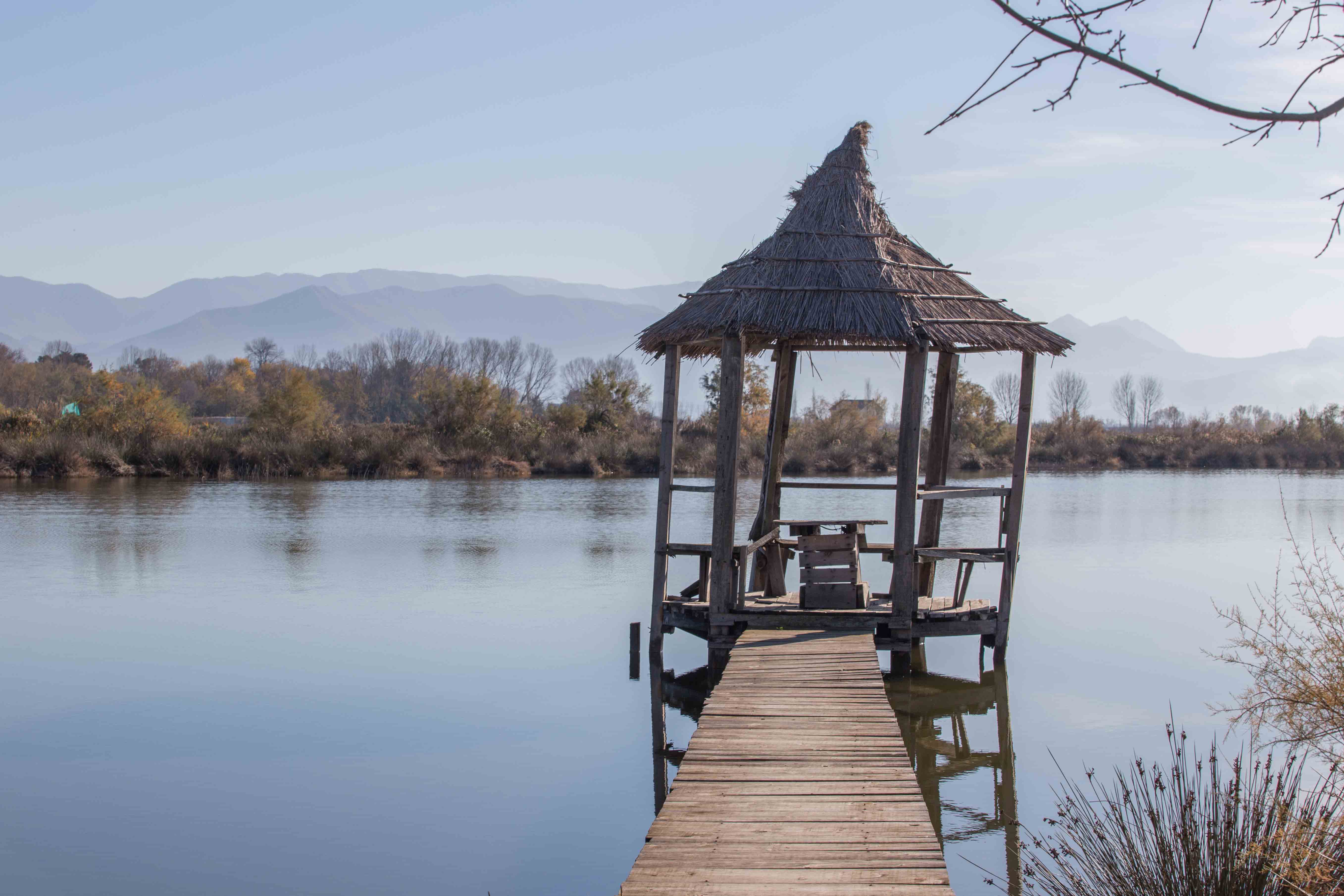
When Albert Pati moved closer to the sea to open a beach bar overlooking the Mediterranean in Albania, he never imagined that the sea would also be moving closer to him, now eroding the soil around his restaurant floor.
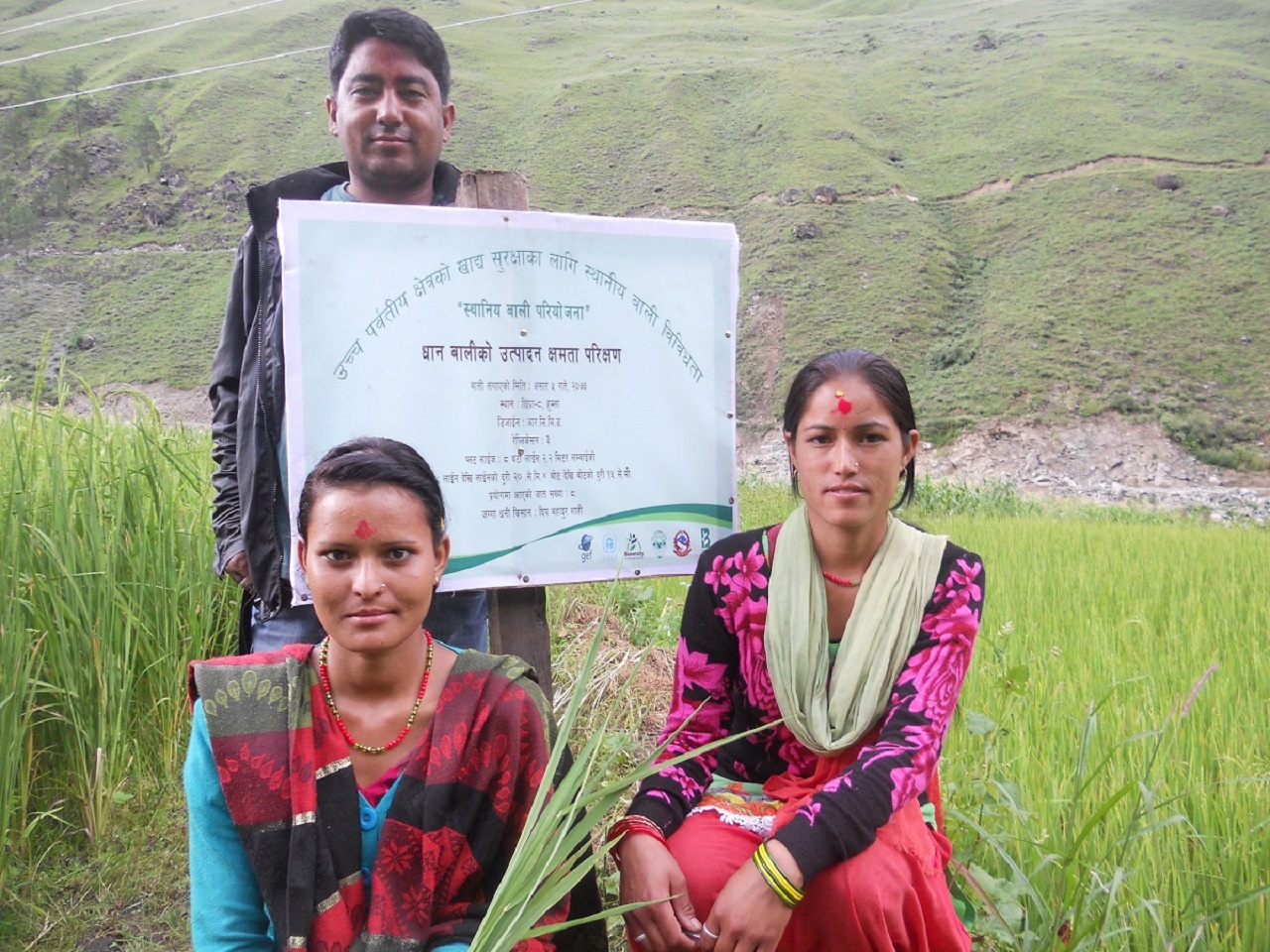
Remote mountainous regions of Nepal are harsh places in which to survive and make a living.
Economic, social and environmental challenges include lack of market access, outmigration, dependency on imports and subsidies, women’s drudgery, malnutrition, unpredictable weather, pests and diseases.
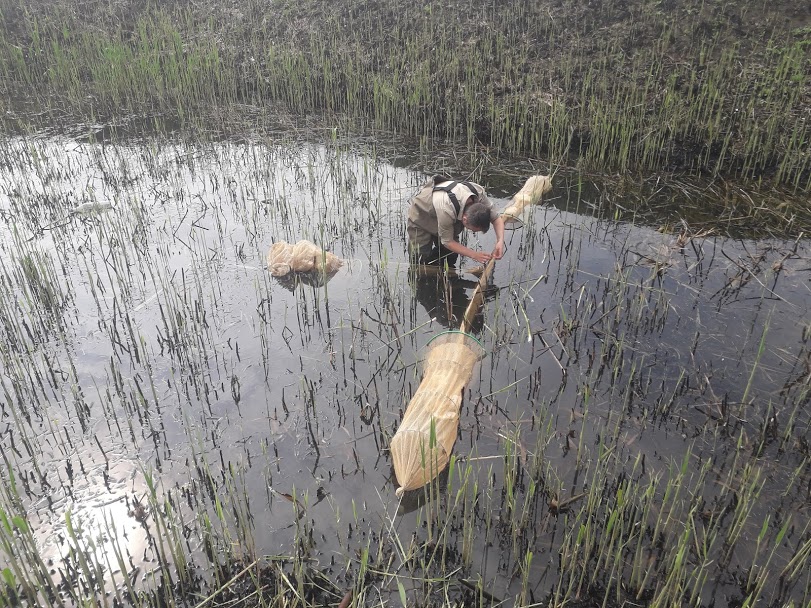
Maintaining healthy ecosystems are important to help protect against the spread of disease. A large mixture of species means that some act as ‘dead end’ hosts, preventing diseases from spreading.
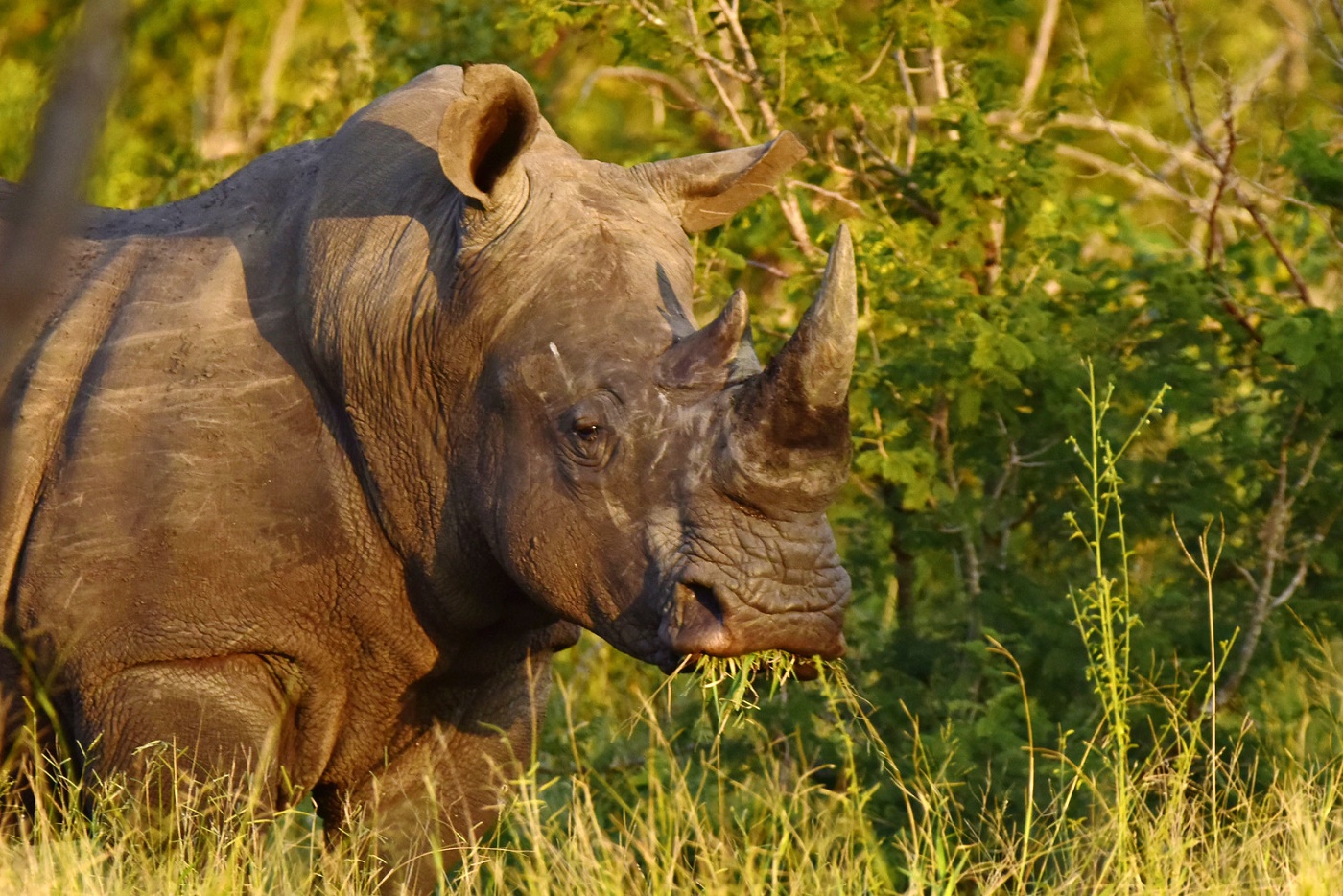
The coronavirus pandemic is forcing us to think deeply about human beings’ relationship with the natural world on which we all depend for our survival.
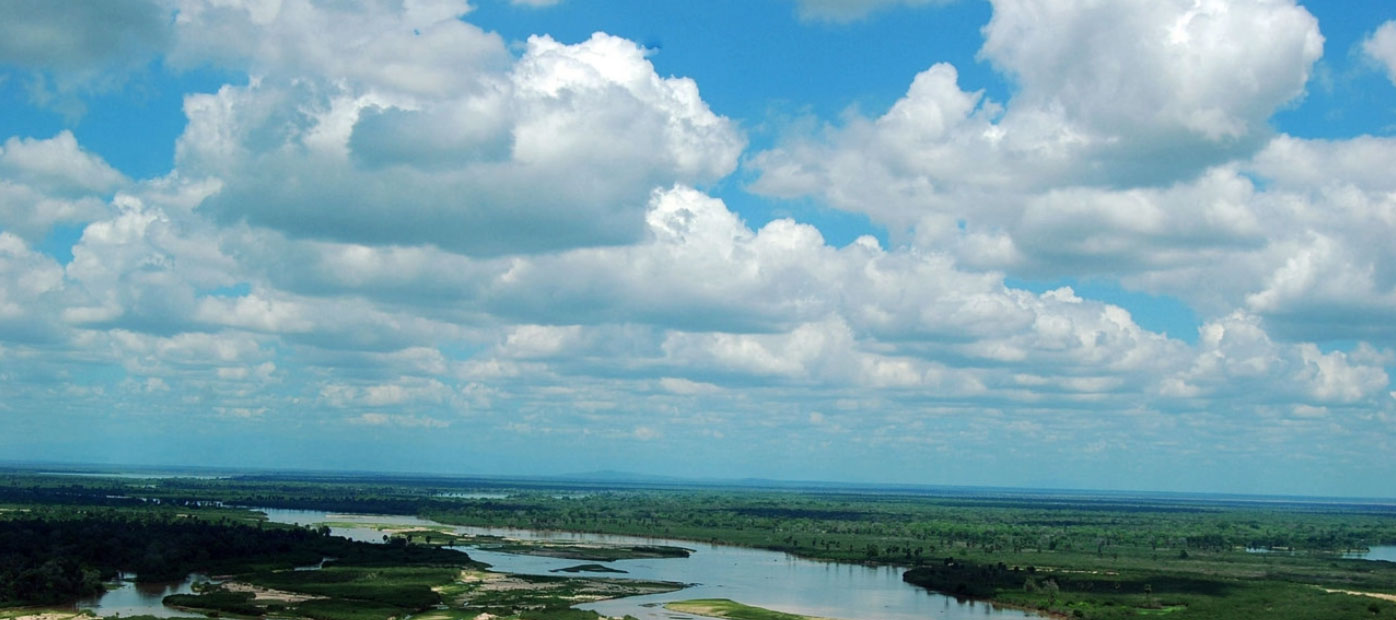
Water, essential to all life, plays a particularly important role in the lives of Tanzanians living near Mbarali River, part of the larger Rufiji River basin in southern Tanzania.

The United Nations Environment Programme (UNEP) has been working closely with the Democratic Republic of Congo (DRC), Ministry of Environment and Sustainable Development (MESD), to help the country to effectively implement access and benefit sharing (ABS) mechanism/framework in accordance with the Nagoya Protocol on Access to Genetic Resources and the Fair and Equitable Sharing of Benefits Arising
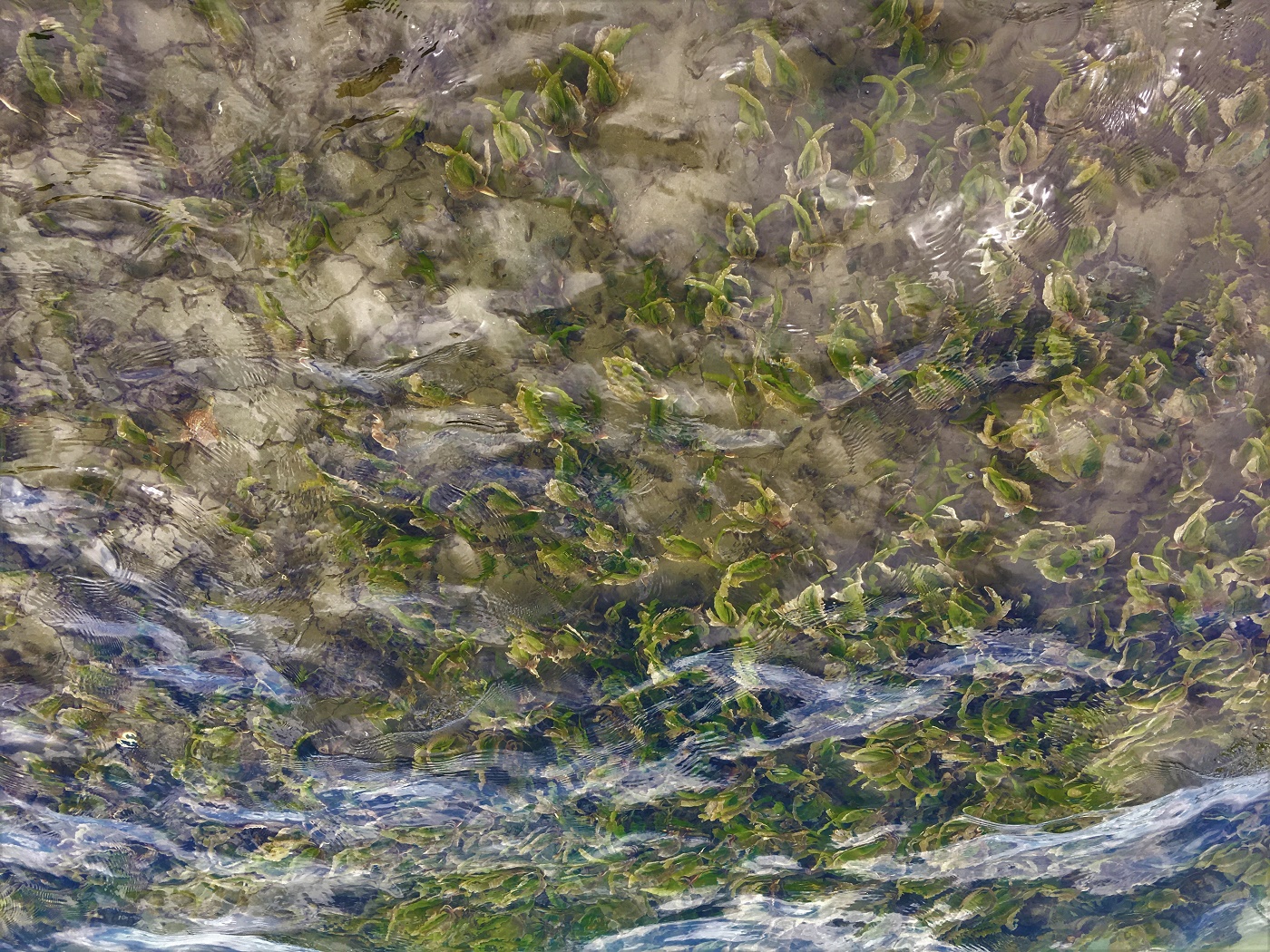
Creating the conditions for sustainable seagrass restoration in Maputo and Inhambane bays
“People can’t think of Inhaca without thinking about seagrass,” says Salamao Bandeira of Maputo’s Eduardo Mondlane University, knee-deep in the shallow waters on the seaward side of Maputo Bay, as he points at the shores of Inhaca Island.
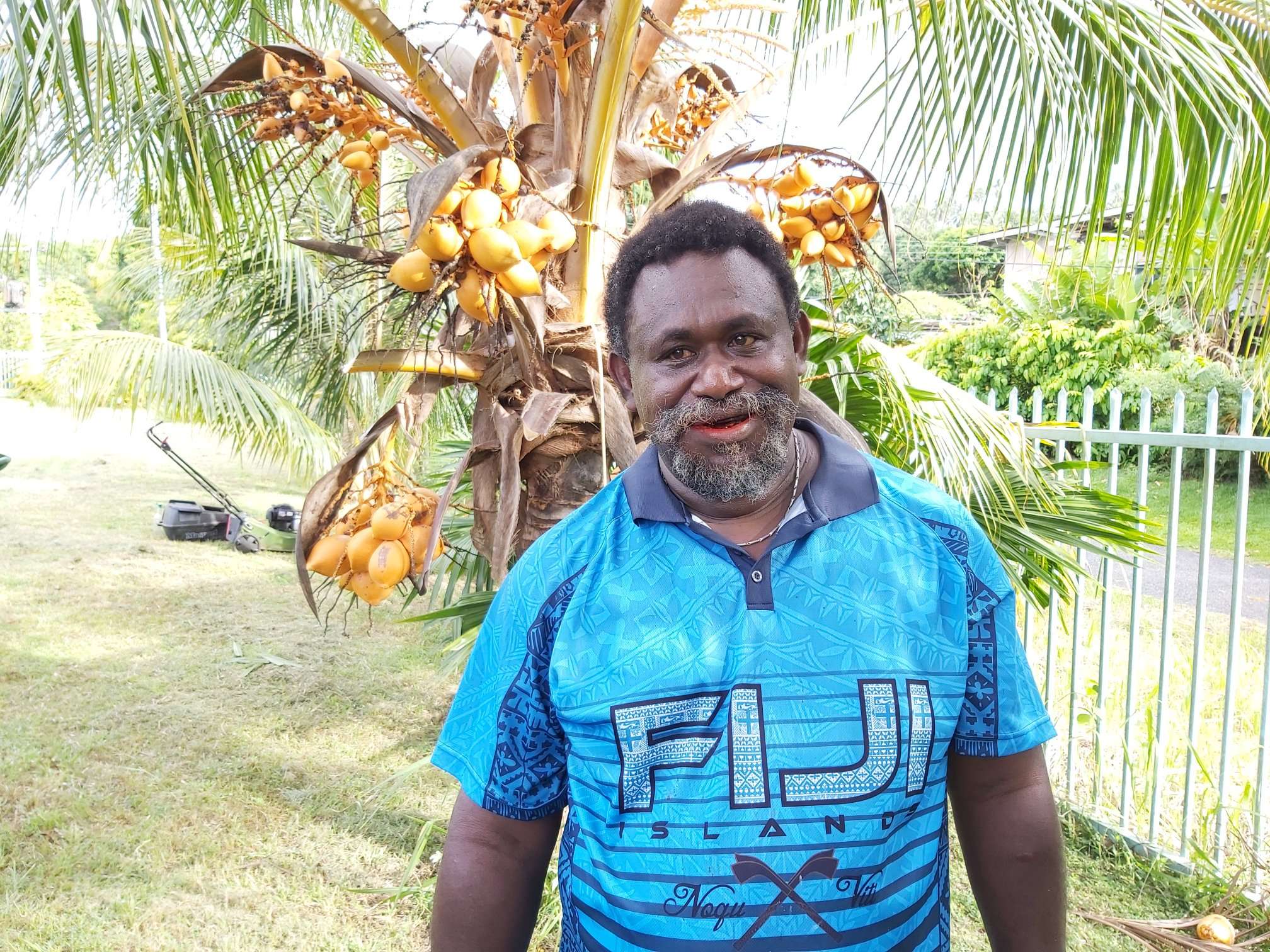
Joshua Wowo discovered and secured 1,400 boxes of DDT in Papua New Guinea’s East New Britain Province. Now he waits for the day when his township’s toxic timebomb will finally be defused.
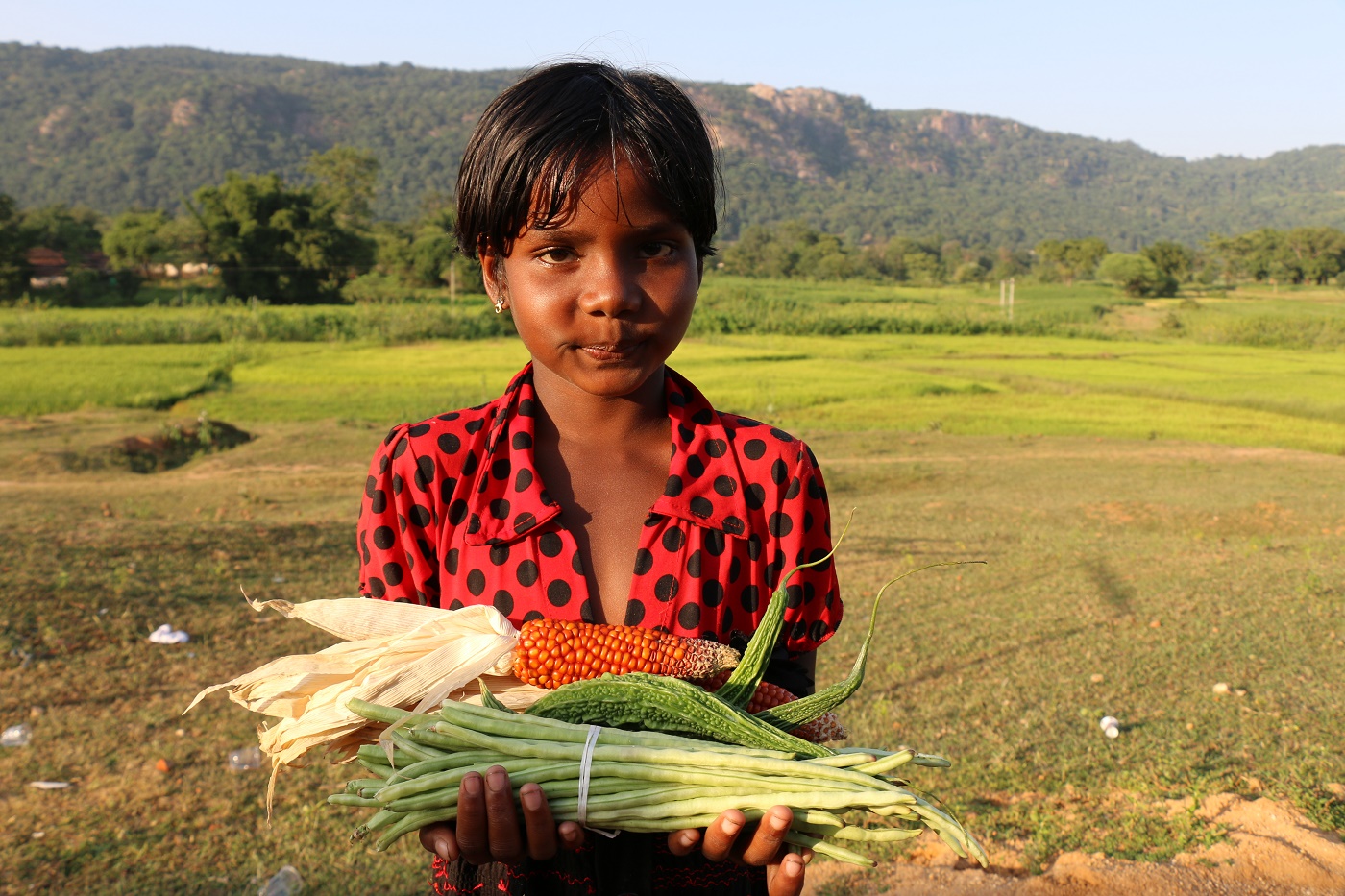
More than 90 per cent of rice is produced and consumed in Asia. Prior to the green revolution in the 1960s, India was home to more than 100,000 rice varieties, encompassing a stunning diversity in taste, nutrition, pest-resistance and, crucially in this age of cli
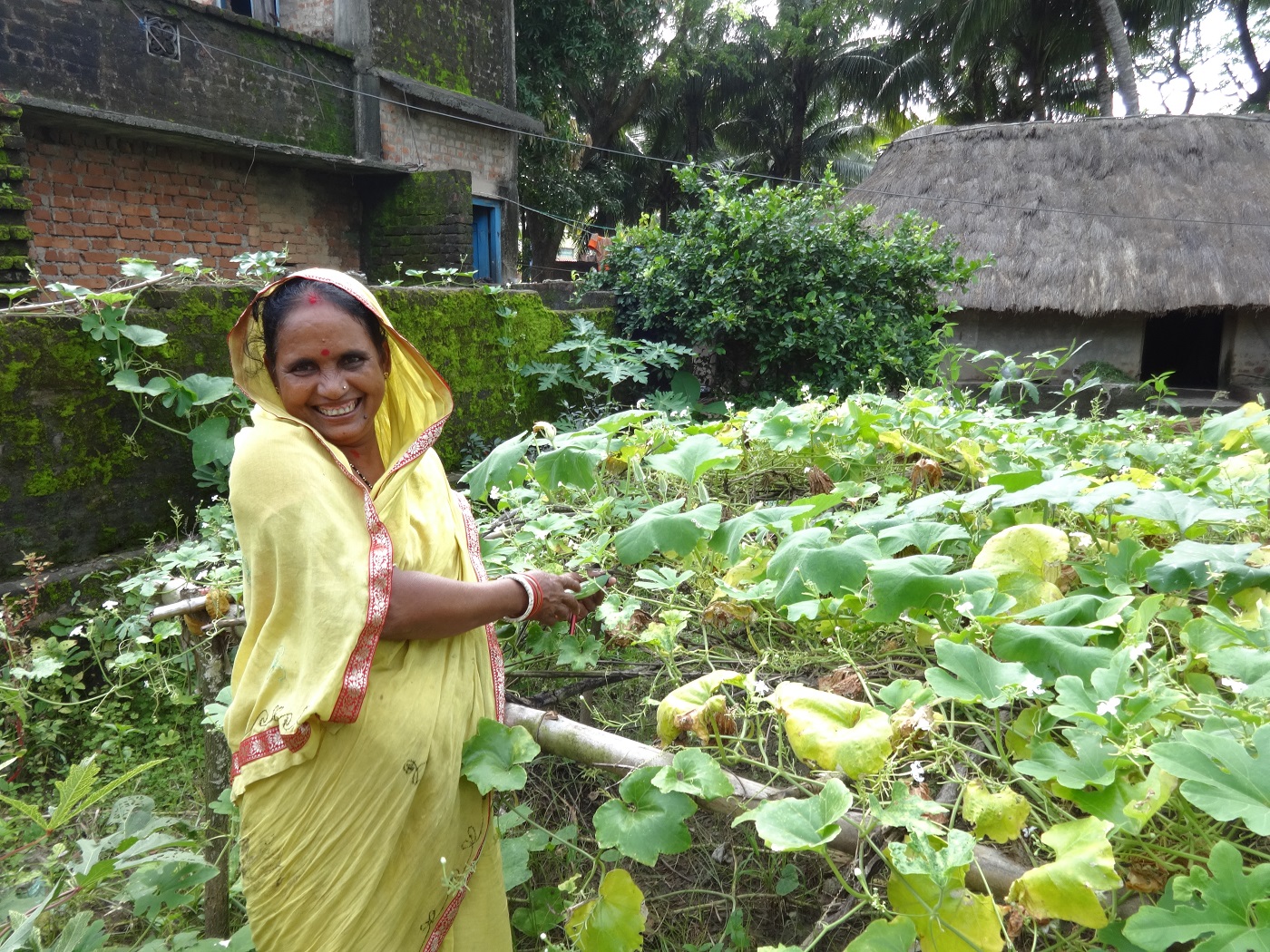
In some ways India could be considered test case for the rest of the world, as it works out how to feed its population of 1.3 billion people in a sustainable way. The challenge is to achieve this feat without degrading the land, soil and water resources, destroying the country’s rich diversity of flora and fauna, or causing serious smog in cities like Delhi.
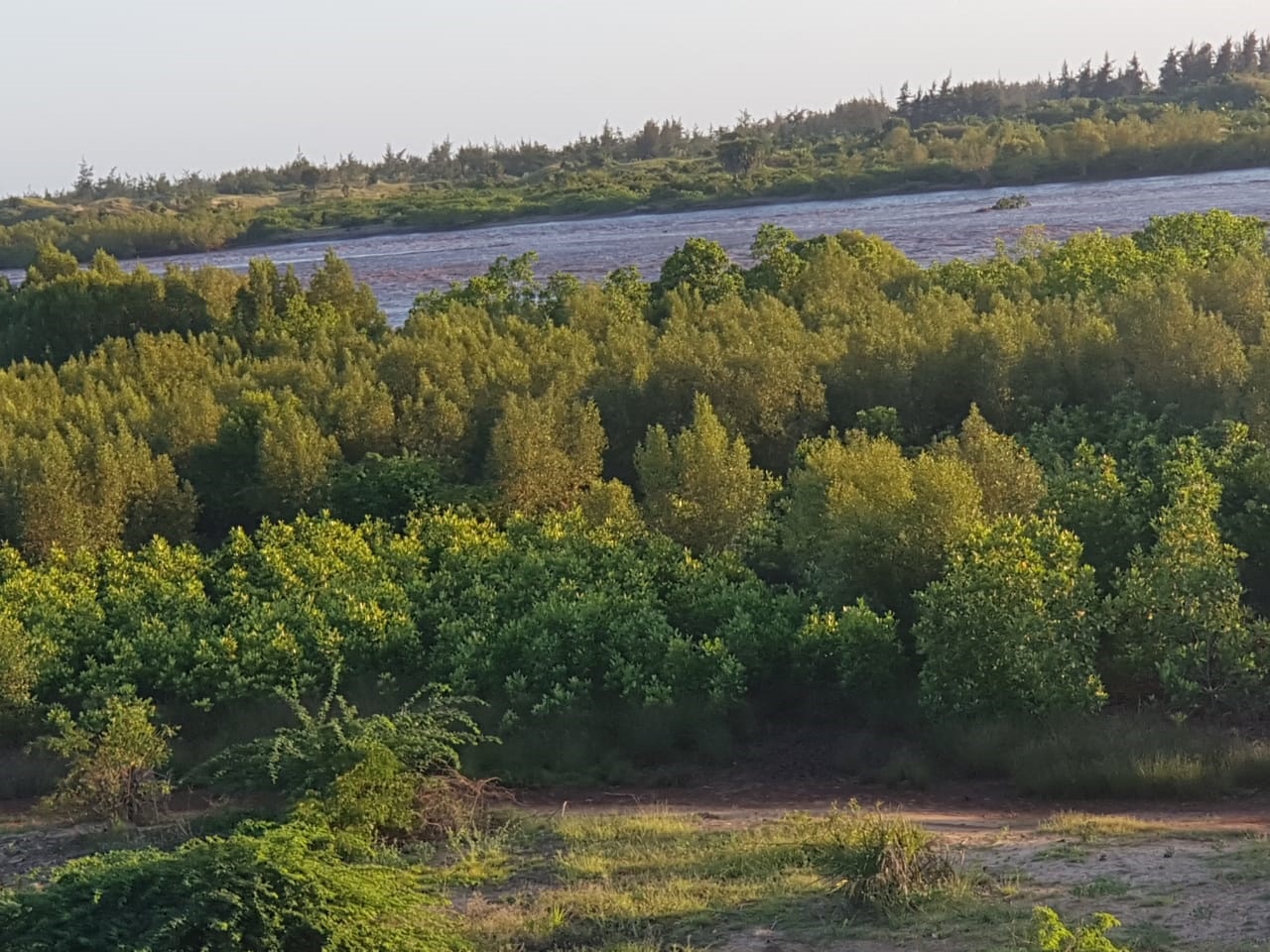
“The smell alone when you cross the bridge tells you something’s wrong,” says Renison Ruwa, deputy director of the Kenya Marine and Fisheries Research Institute.
The bridge in question is Mtwapa bridge, which straddles Mtwapa Creek in Mombasa, Kenya. And the smell to which Ruwa is referring stems from this very creek, into which waste from the nearby Shimo la Tewa prison—and indeed many other places—is directly dumped.

Living atop a hill in Malindza, a tiny county in eSwatini’s lush east, 56-year-old Ntombi Ndzimandze is the matriarch of her household of 11 women and children.
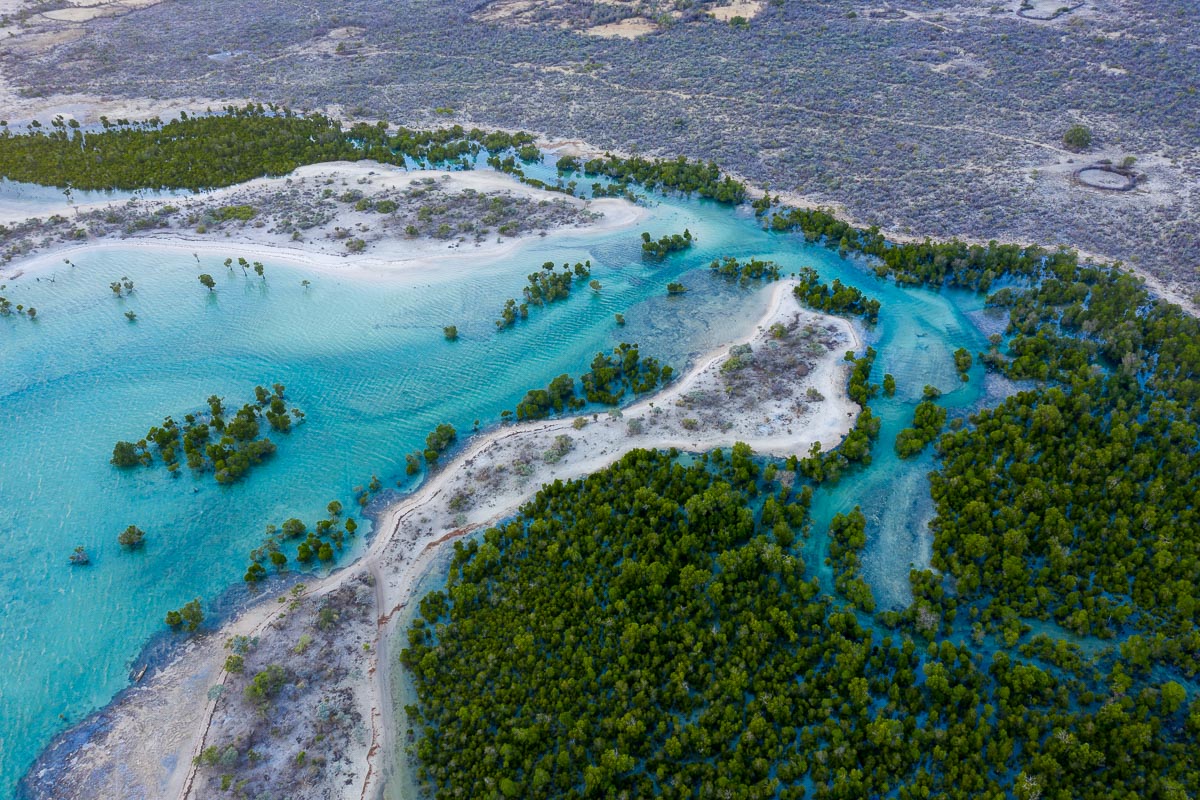
They call them ‘blue forests’—and they are among the most productive and valuable habitats on Earth.
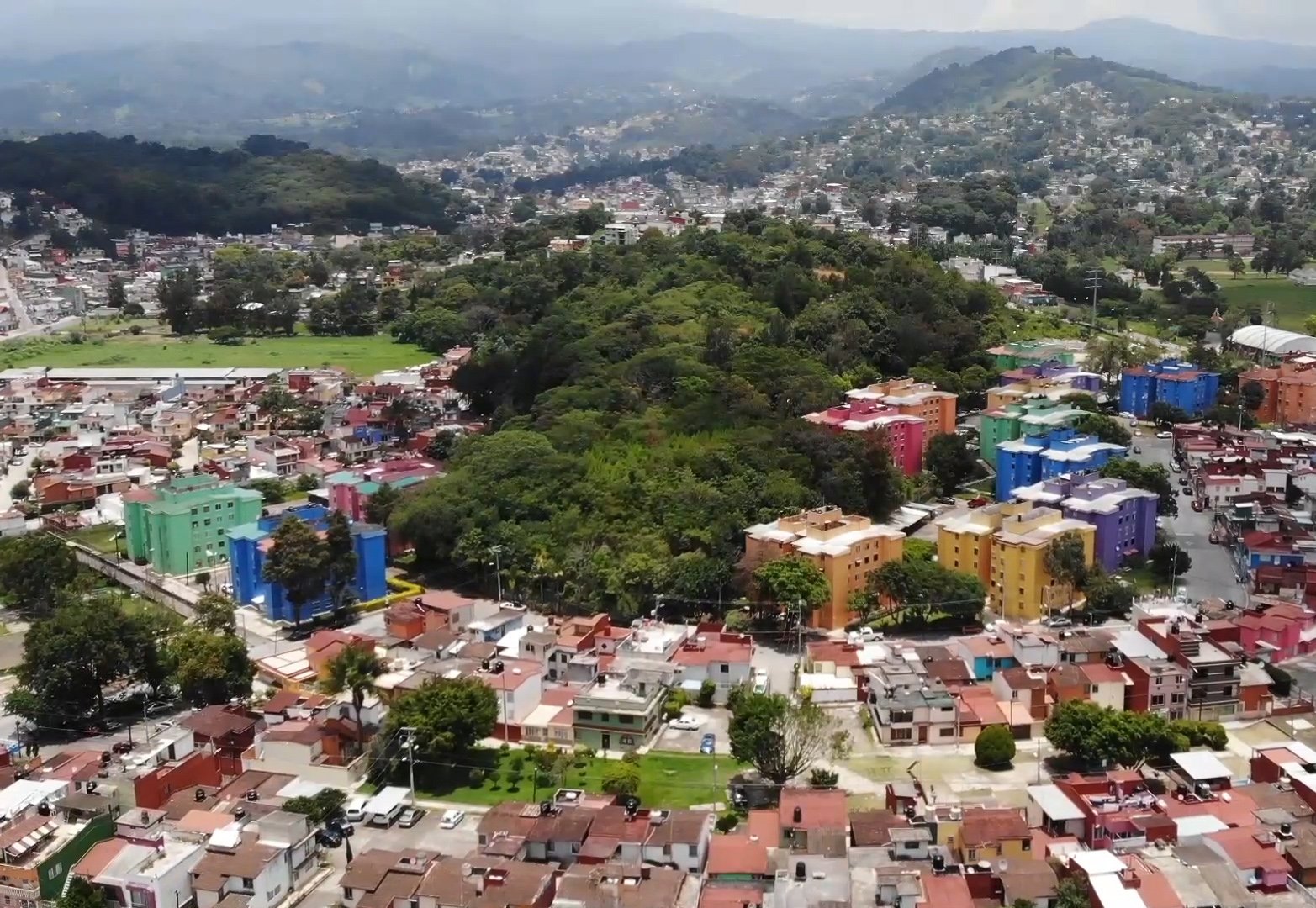
The Mexican city of Xalapa is surrounded by ecosystems that not only harbor stunning flora and fauna, but also provide crucial services to the city and its 580,000 people.
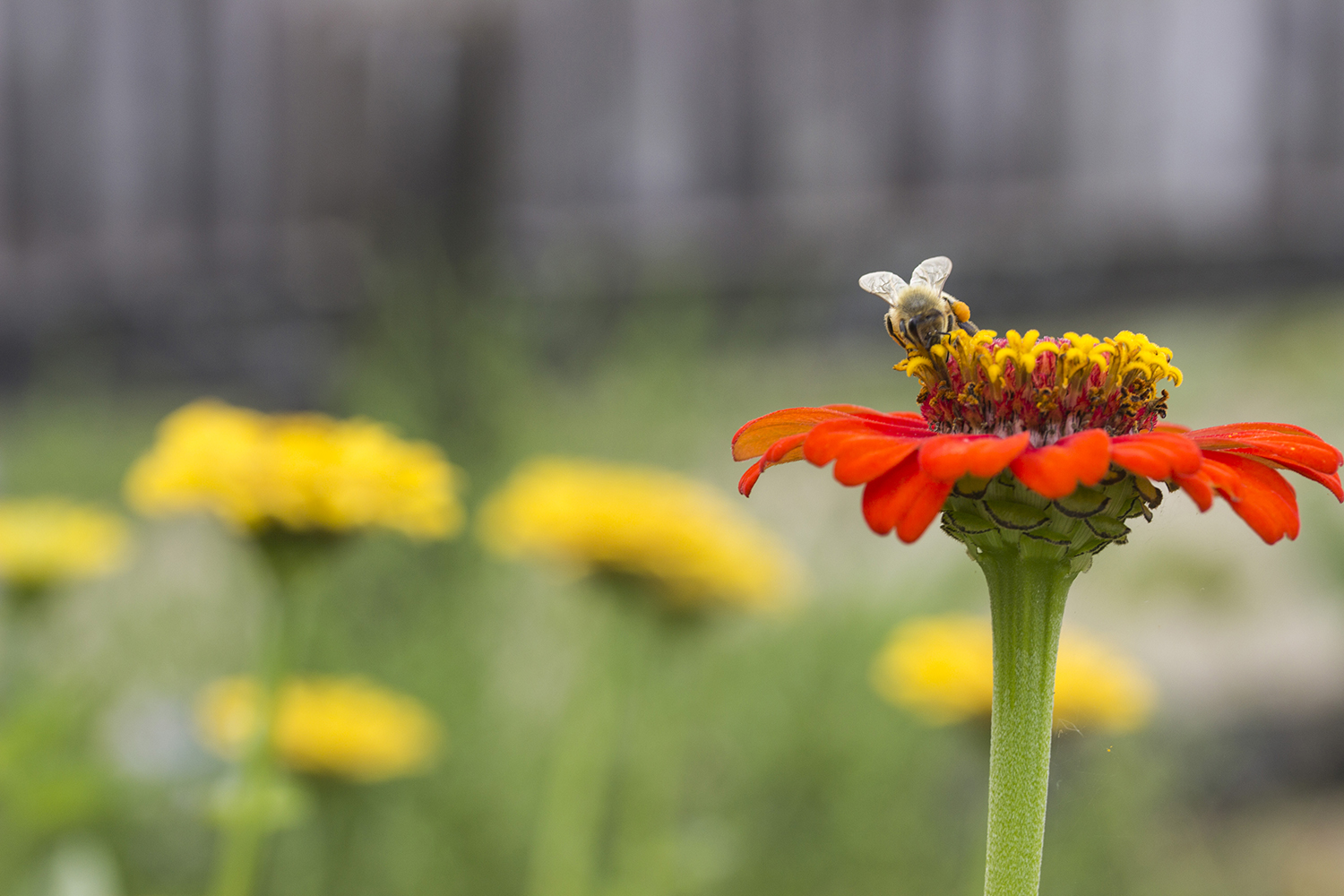
Much of the work of the United Nations Environment Programme (UNEP) is not headline-grabbing and involves things like gap analysis, assessments, strategic action plans and capacity-building—training governments in the use of certain databases, for instance.
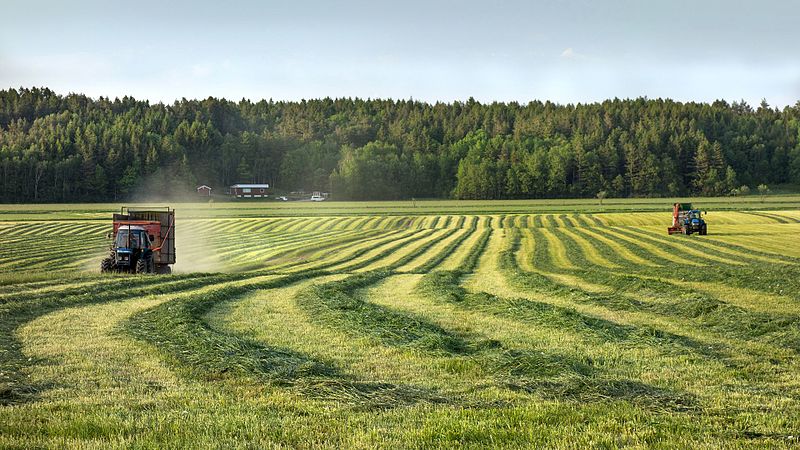
Without nitrogen, most of the world’s crops wouldn’t exist. Nitrogen is to corn, wheat and rice, what water is to fish. Yearly, more than 100 million tonnes of nitrogen are applied to crops in the form of fertilizer, helping them grow stronger and better. But issues arise when nitrogen run-off occurs, polluting air, water and land in the process.
Showing 101 - 125 of 164

The Global Environment Facility (GEF) includes several multilateral funds working together to address the planet's most pressing challenges in an integrated way. Over the past three decades, the GEF has provided more than $26 billion in financing, primarily as grants, and mobilized another $148 billion for country-driven priority projects.