

News
Type: Story
Showing 126 - 150 of 164
164 results found
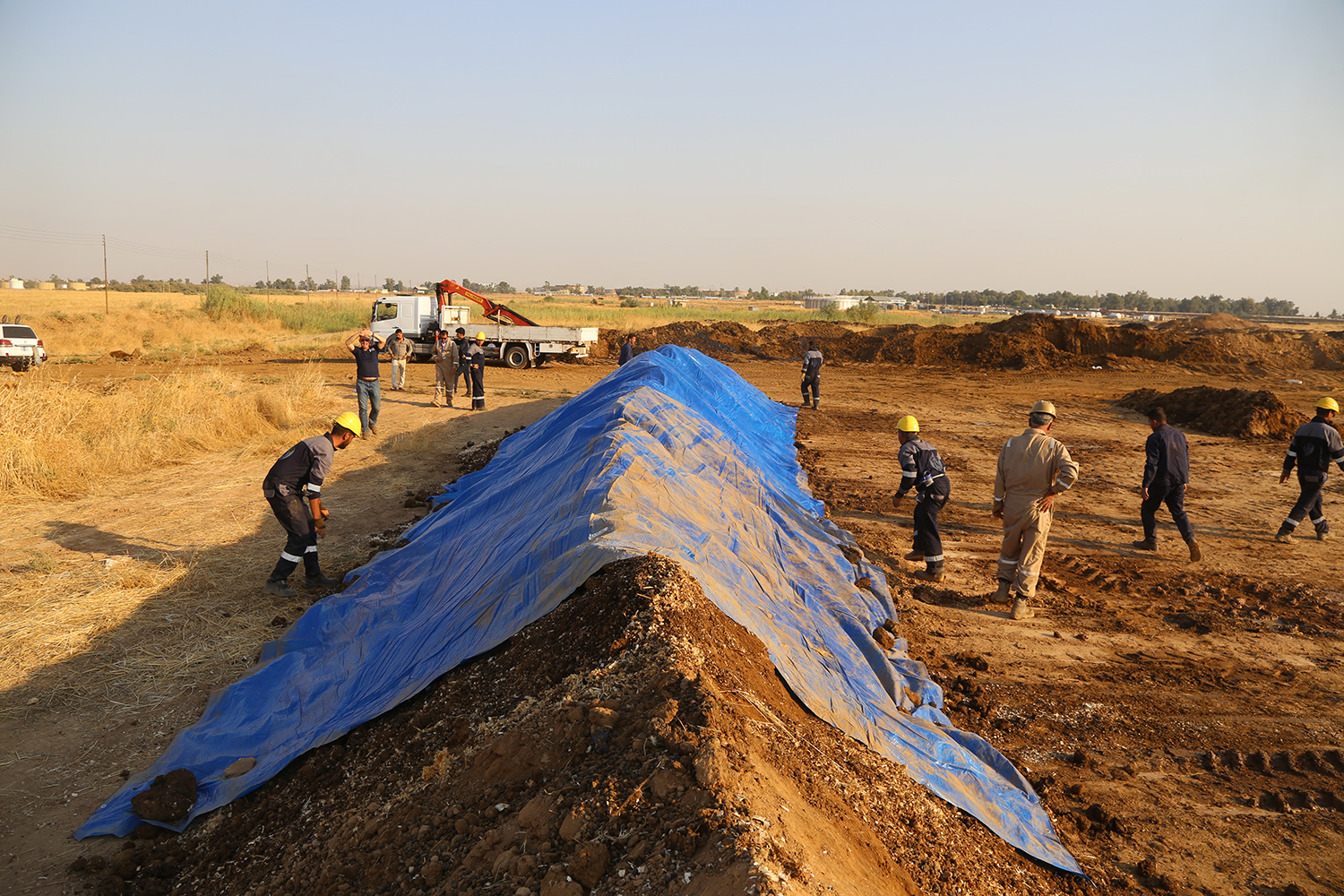
A biological remediation pilot project seeking to enhance nature’s own ability to clear up oil spills in Iraq’s conflict-affected areas has been launched in Kirkuk by the United Nations Environment Programme (UNEP) in collaboration with the state-owned North Oil Company and the Ministry of Health and Environment, and facilitation support from the UN Assistance Mission in Iraq.
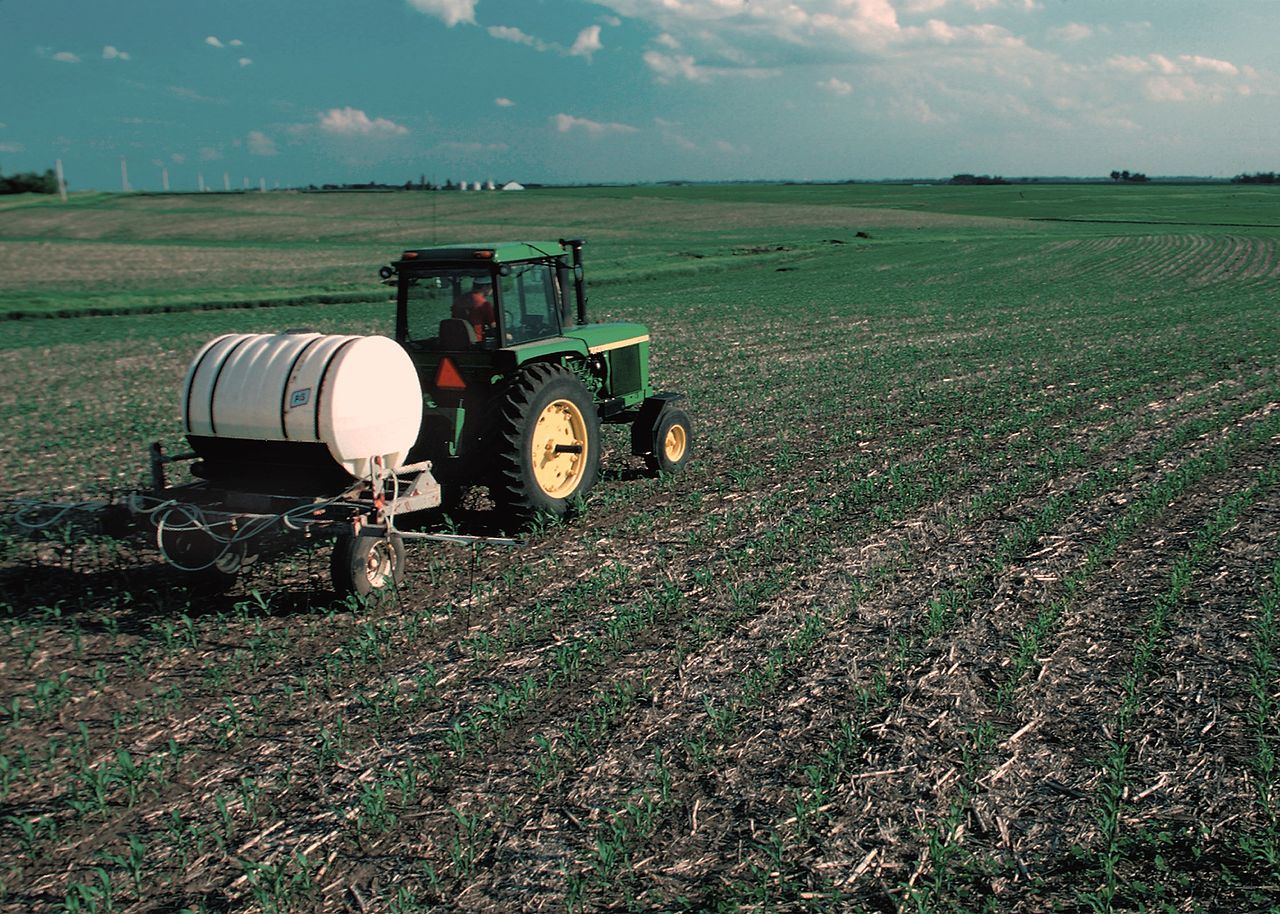
The environmental interest in nitrogen (N2), an essential component of the air we breathe, focuses on the conversion of N2 into other chemically reactive forms. Some are vital for life itself and some cause costly and dangerous nitrogen pollution.
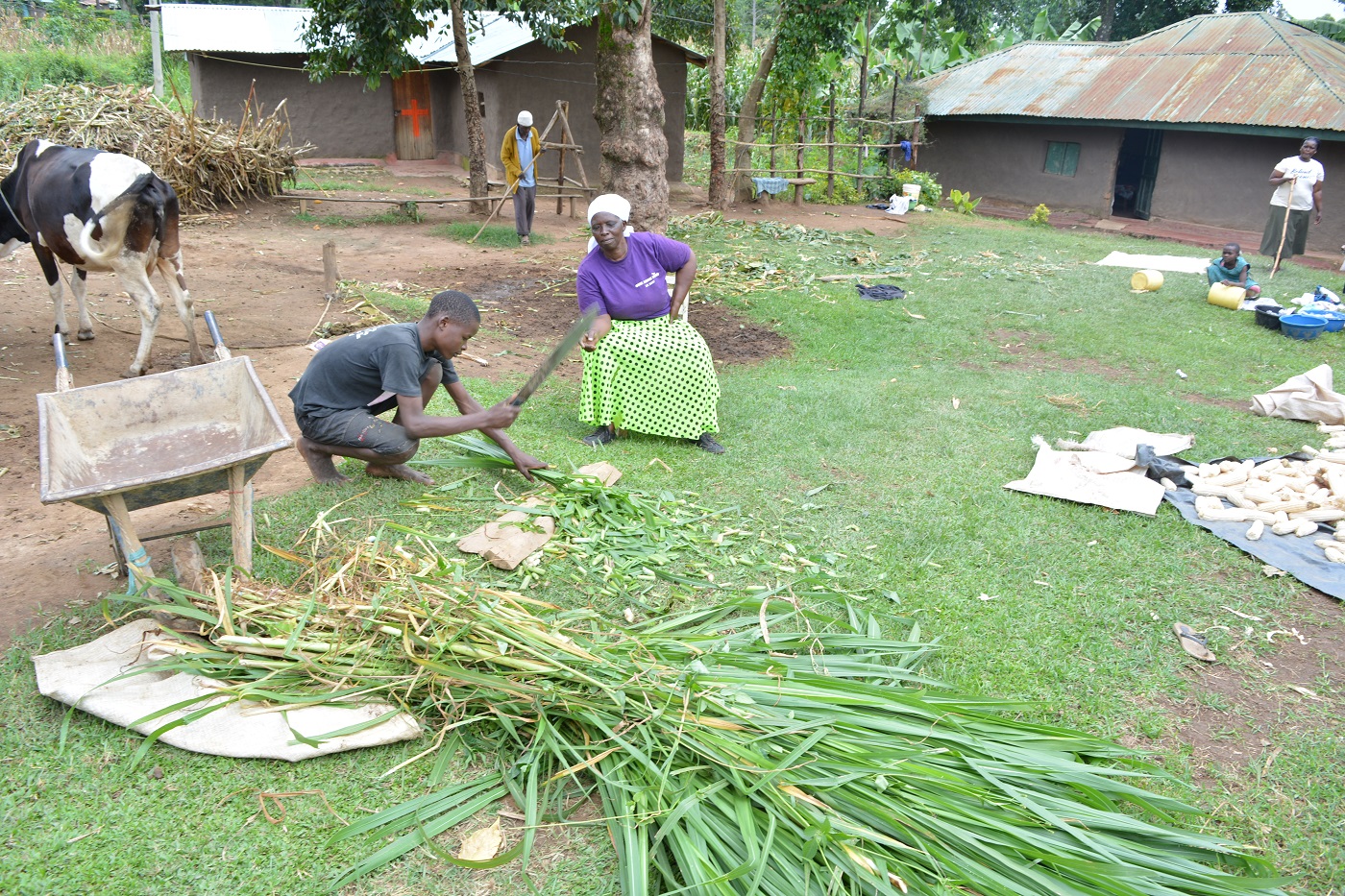
Many countries in sub-Saharan Africa have pockets of food insecurity. These can appear and develop for many reasons. And in some cases, simple nature-based solutions can make a significant difference to people’s lives.
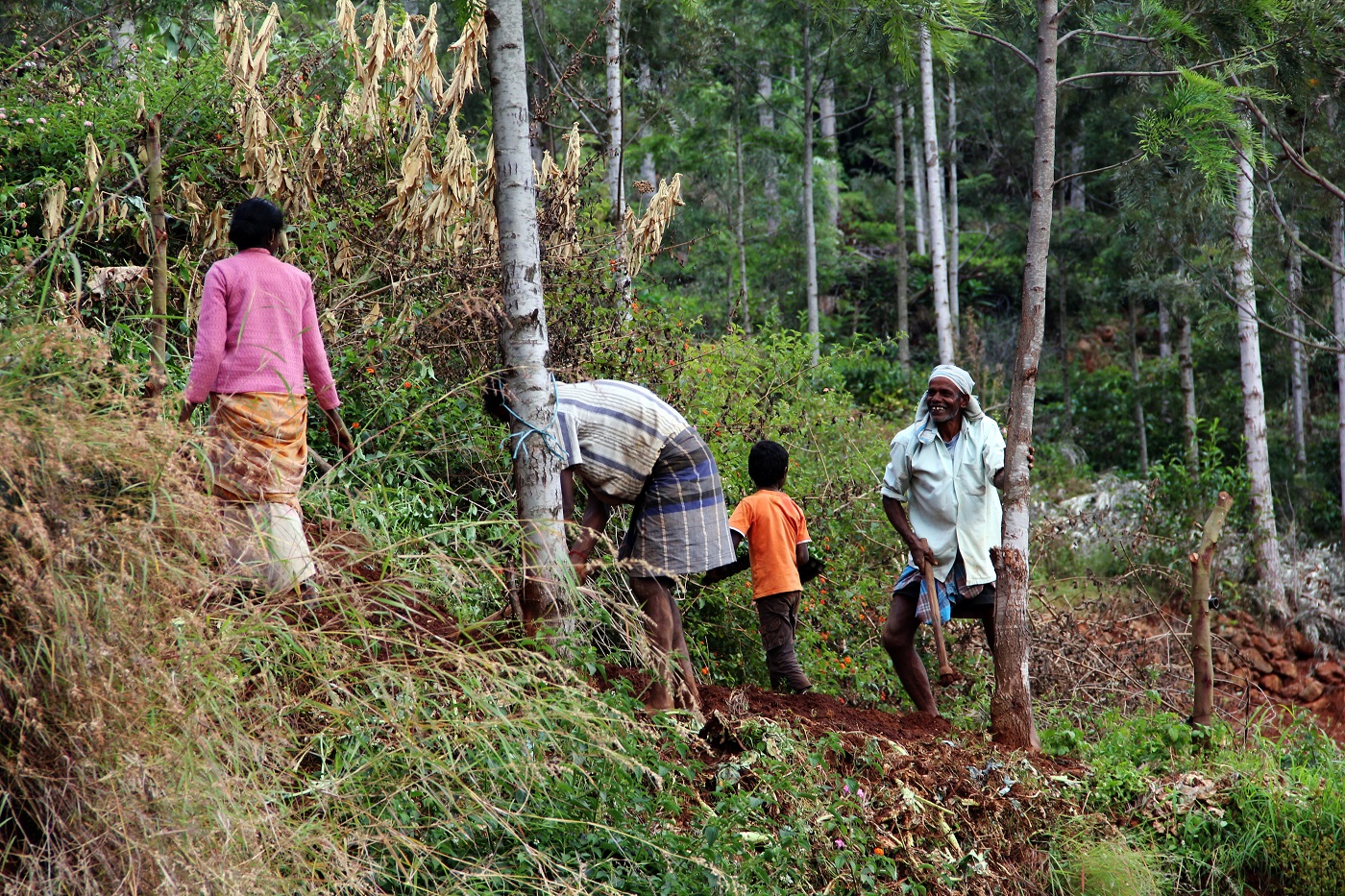
The world faces huge and unprecedented biodiversity and climate change challenges. One way we can help address these challenges is through the restoration of degraded land.
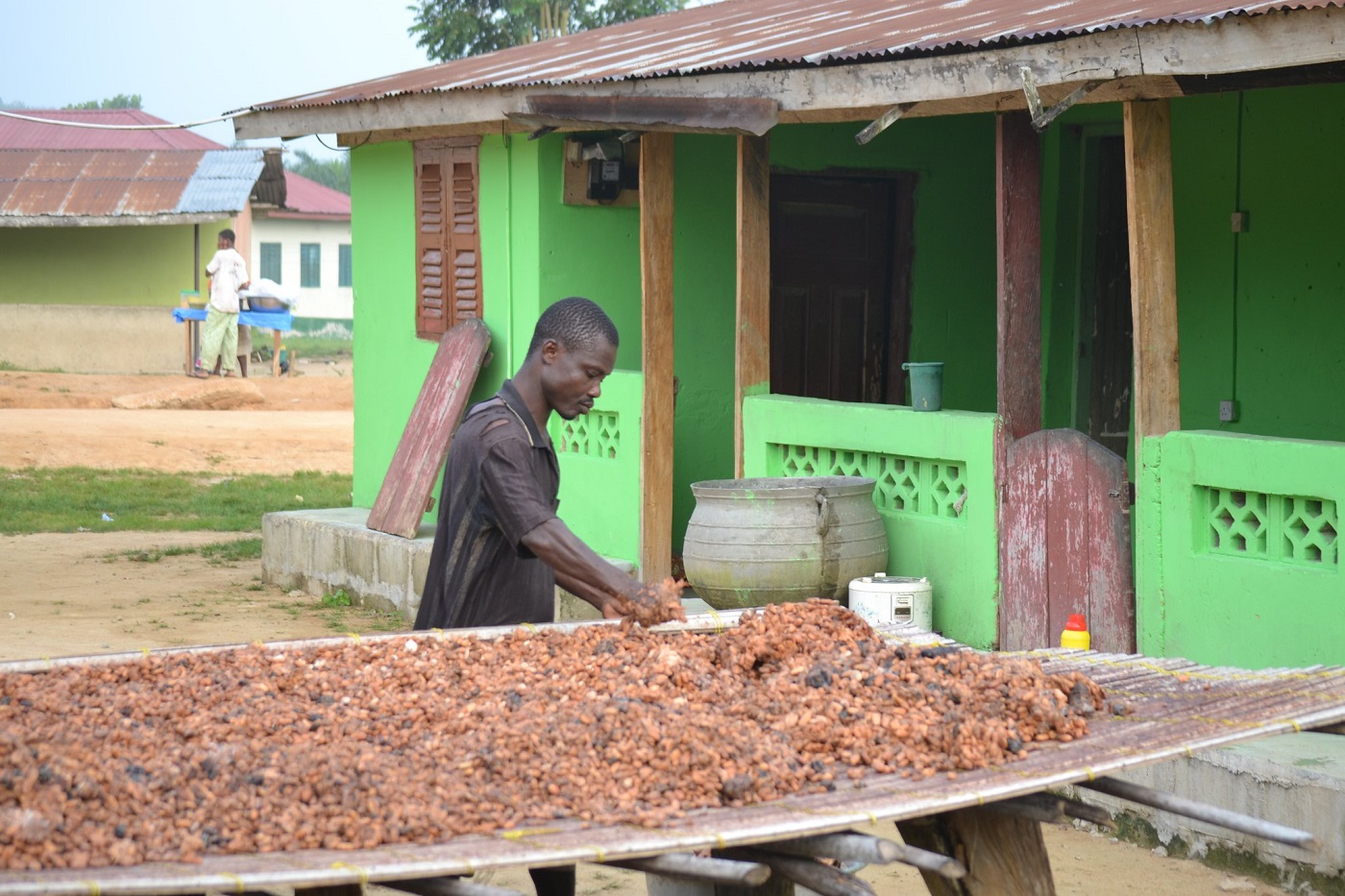
Did you know that, typically, less than 7 per cent of the price of your chocolate bar goes to cocoa producers?
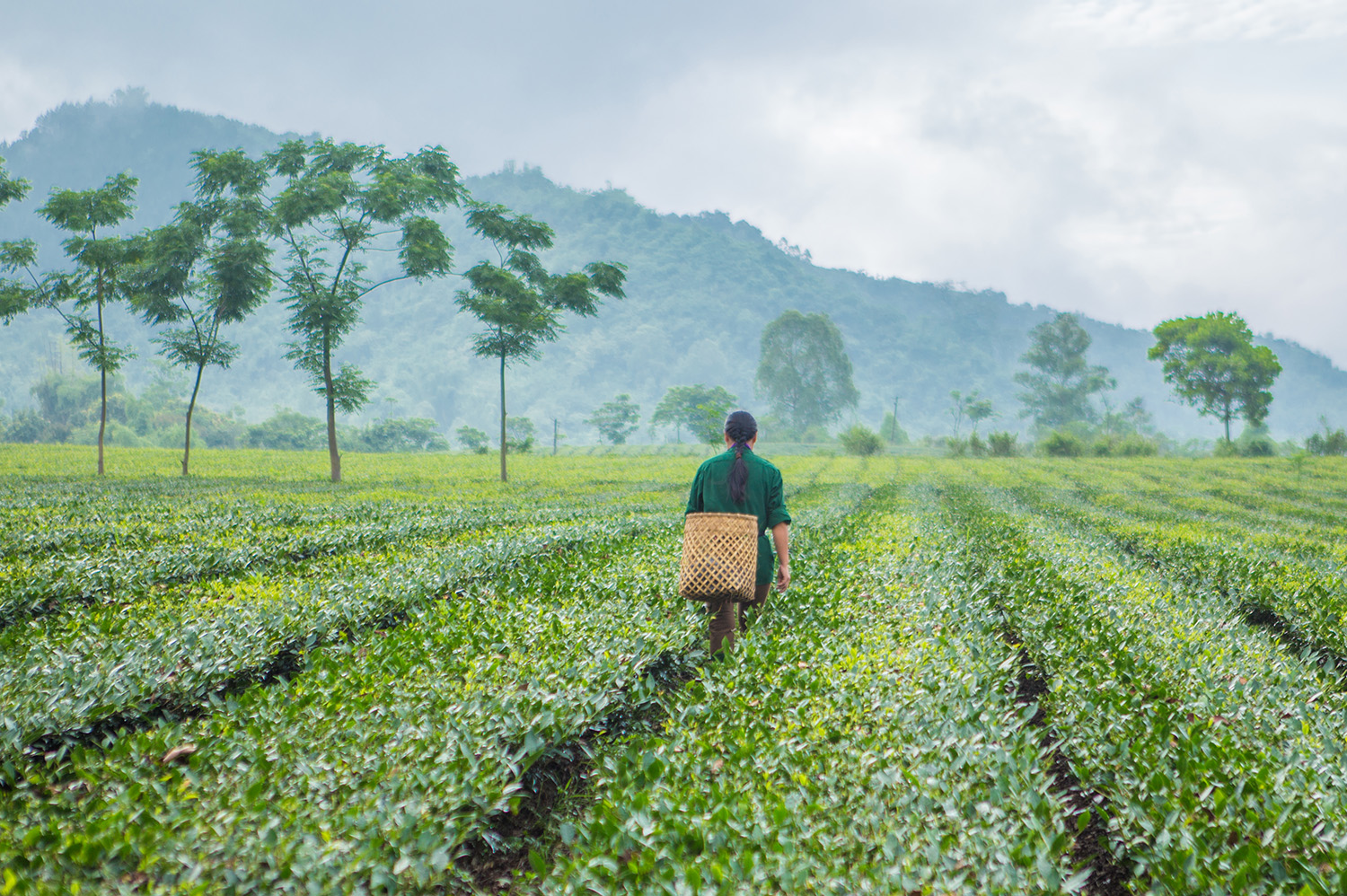
For Thanh, the six annual tea harvests form the rhythm of family life, having raised her two children among the waist-high tea bushes that carpet the steamy slopes near her home in northern Vietnam’s Yen Bai province.
Today, Thanh is proud of the thick, green leaves her tea bushes produce, stretching in straight rows across her two-hectare plantation. But it wasn’t always this way.
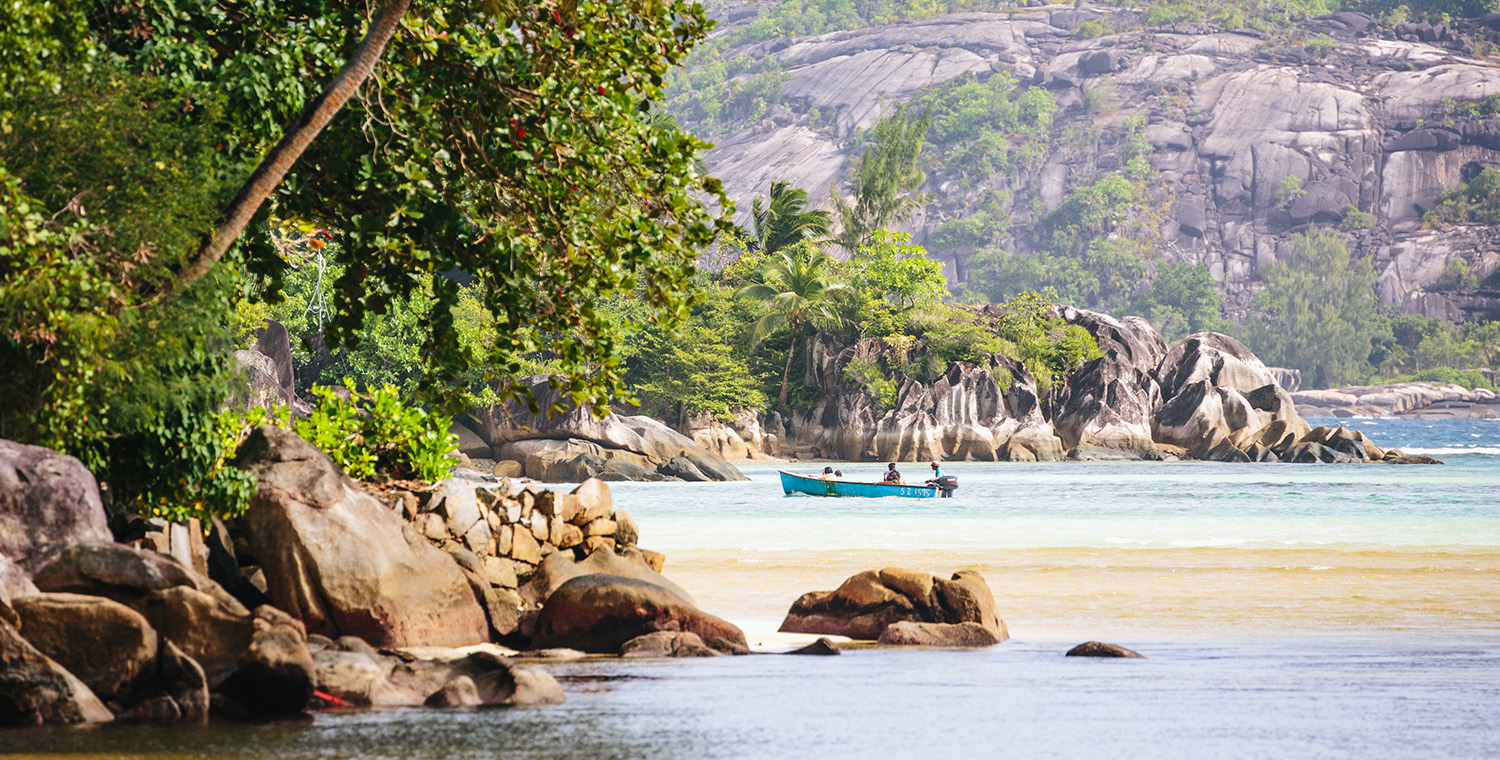
With the launch of a major report by the Global Commission on Adaptation on 10 September 2019, we follow the story of an environmental hero from the Seychelles and their quest to adapt by harnessing the power of trees. #AdaptOurWorld
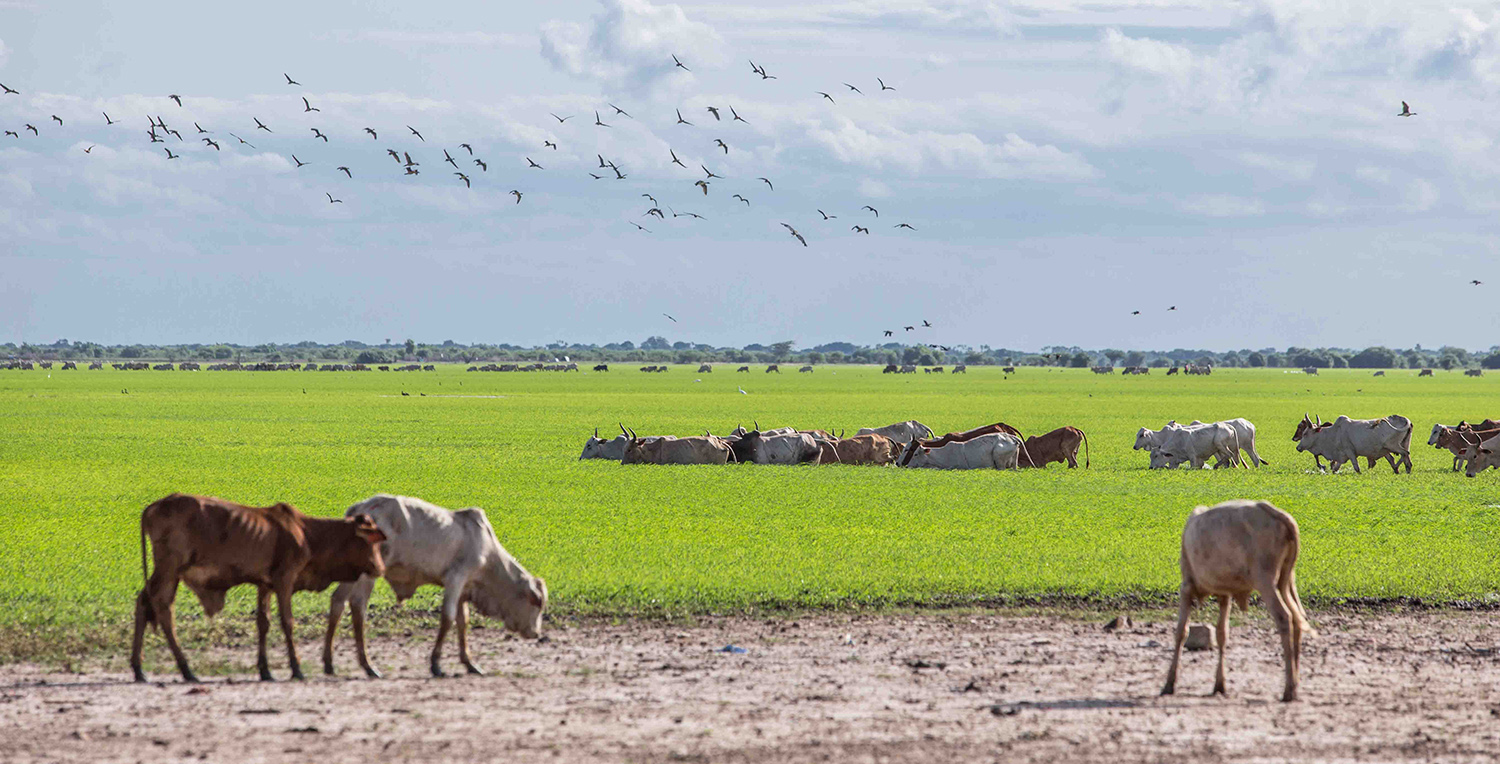
Flowing in shades of green and brown to the horizon from the curves of Kenya’s largest river as it approaches the sea, the Tana Delta is a paradise for wildlife.
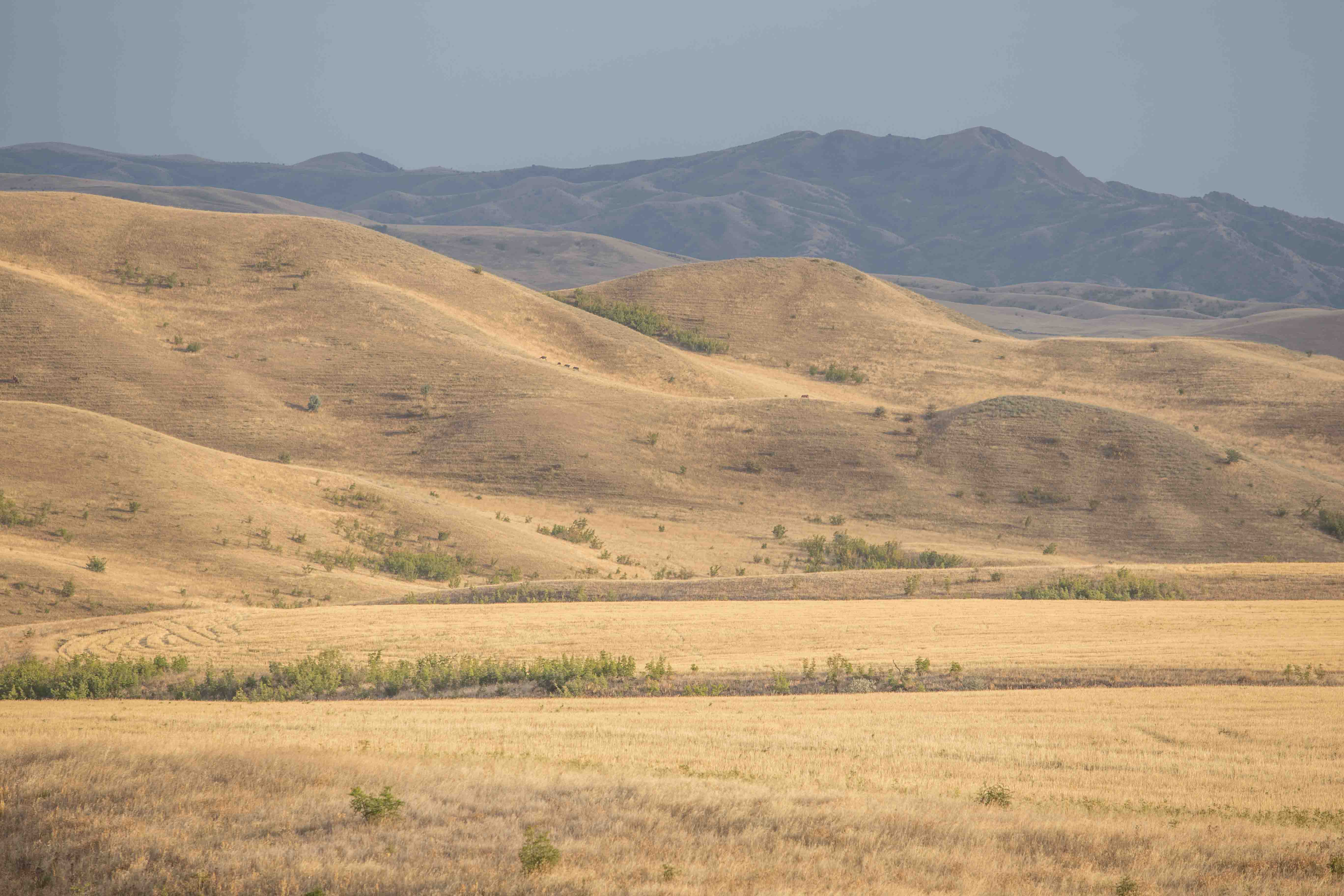
Sometimes referred to as ‘the bread basket of Georgia’, Dedoplistskaro’s fertile soils have provided a living for generations of farmers. But today, periods of drought, compounded by strong, dry winds that erode fields and scatter seeds, are hitting local communities hard.
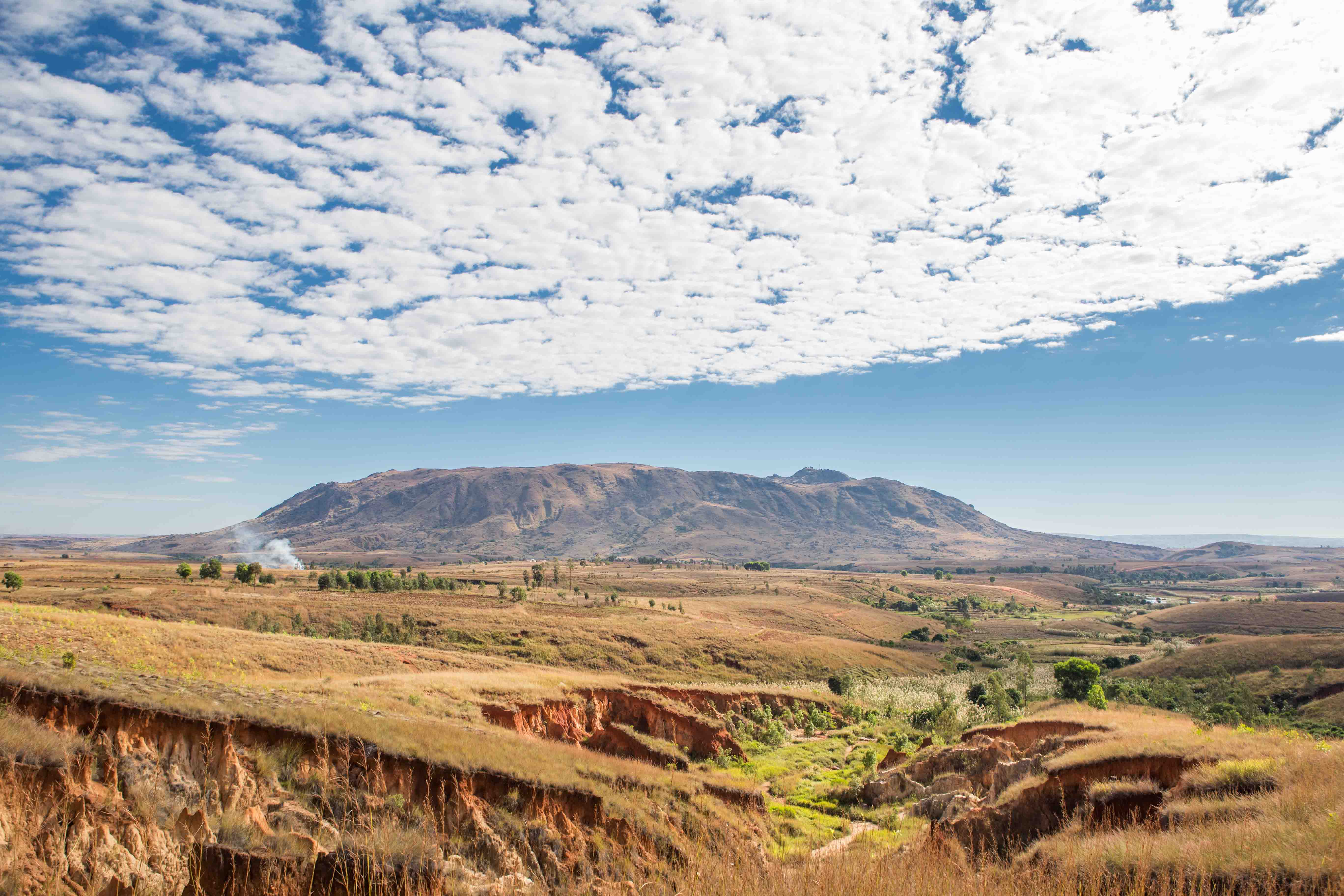
The hills surrounding Ahbohibary Kofay used to be filled with birdsong, says Lydia, who tends a small rice paddy outside the tiny village at the bottom of Bemolanga valley. That was until this area in Western Madagascar was laid to waste by fire in the early 1990s. The fire killed the trees and the birds fell silent.
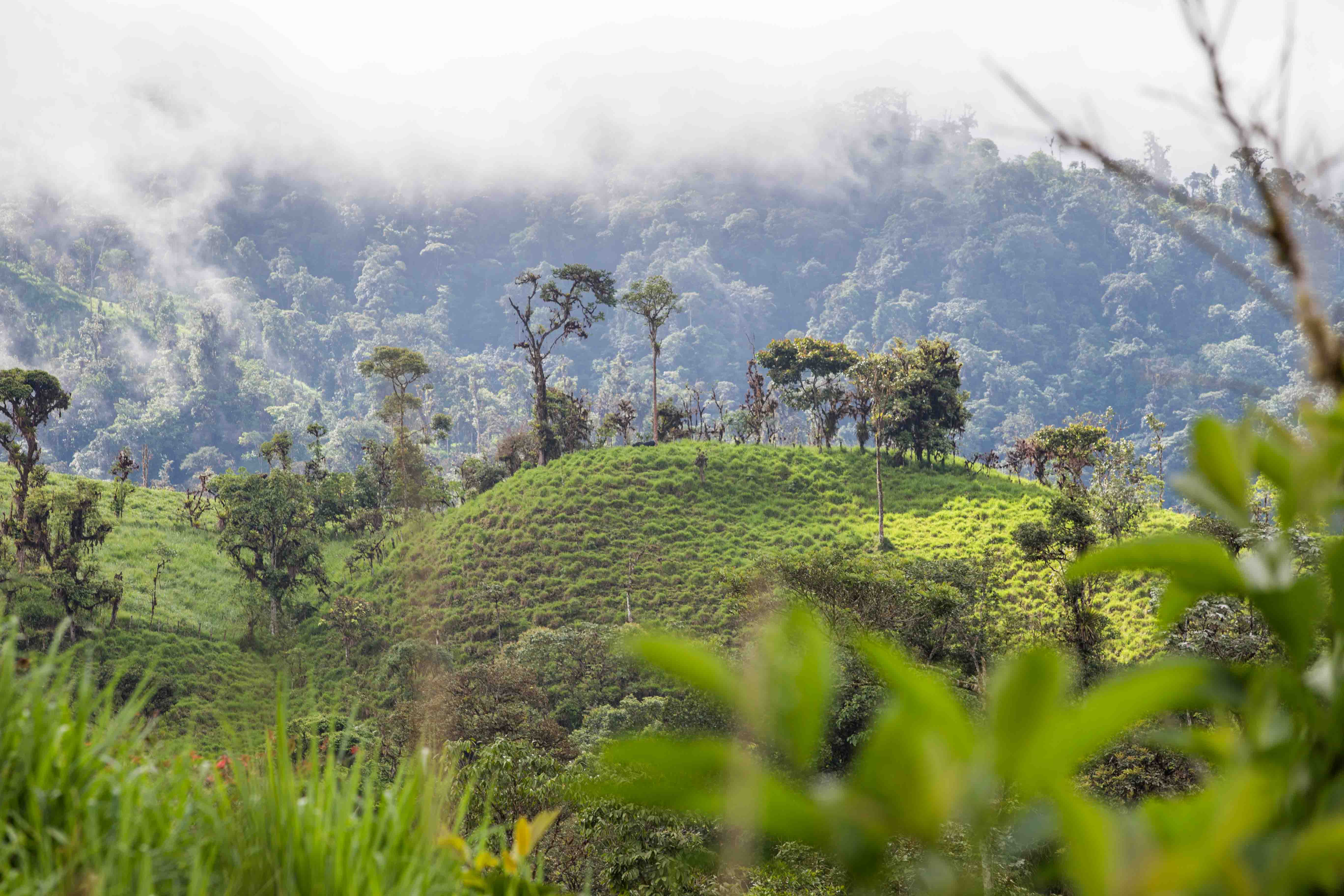
Walking backwards, Georgina unspools a thick white ribbon in a rectangle about half the size of a soccer pitch, before planting fence posts into the thick grass and stringing up an electric fence in Ecuador’s mountainous Pichincha province.
The fence in place, she ushers her 13 prized cows into the lush, green meadow—a now daily routine for the 46-year-old rancher.
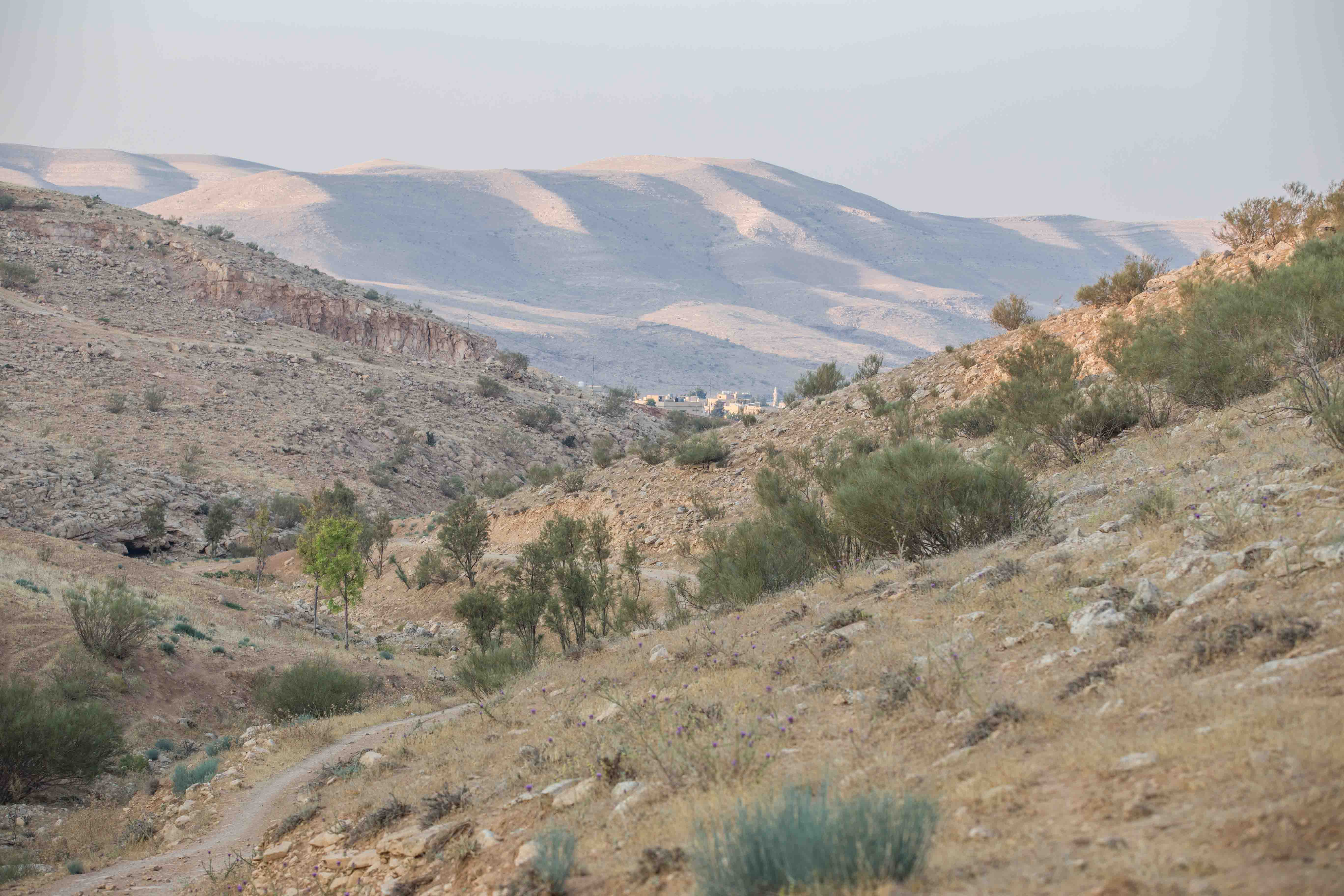
Khatmah thought the hima was lost forever. Decades ago the water in this dry rangeland surrounding her village in north-west Jordan had started to disappear, and it had become little more than a wasteland.
“I thought it was pointless trying to regenerate the hima,” Khatmah says, pouring sweet black tea for her guests.
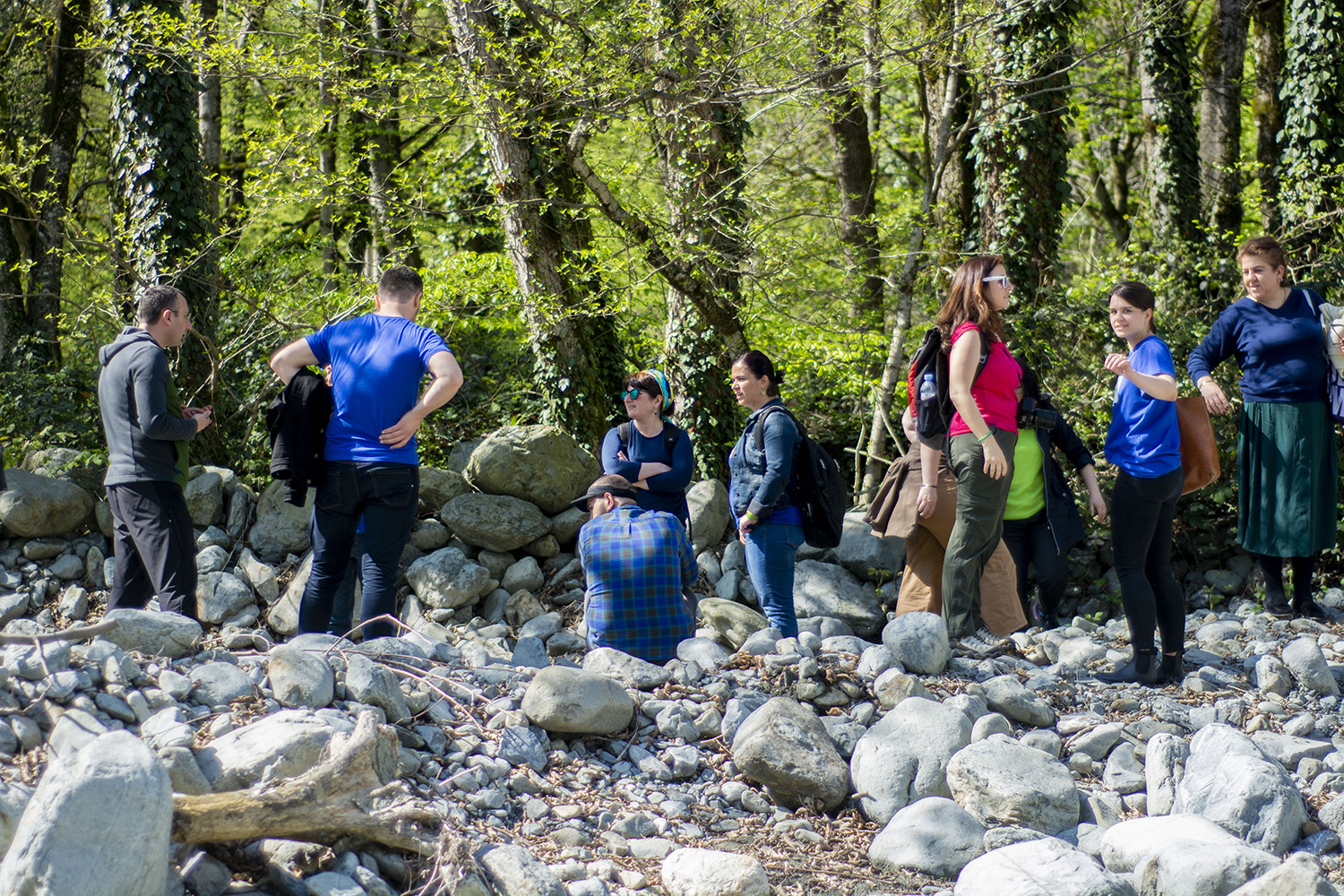
In the tiny village of Sabue, Georgia, people had been concerned about the activities of a logging company in the woods close to their homes for years, but there was not much they could do—the company had been legally permitted to cut trees in this area.
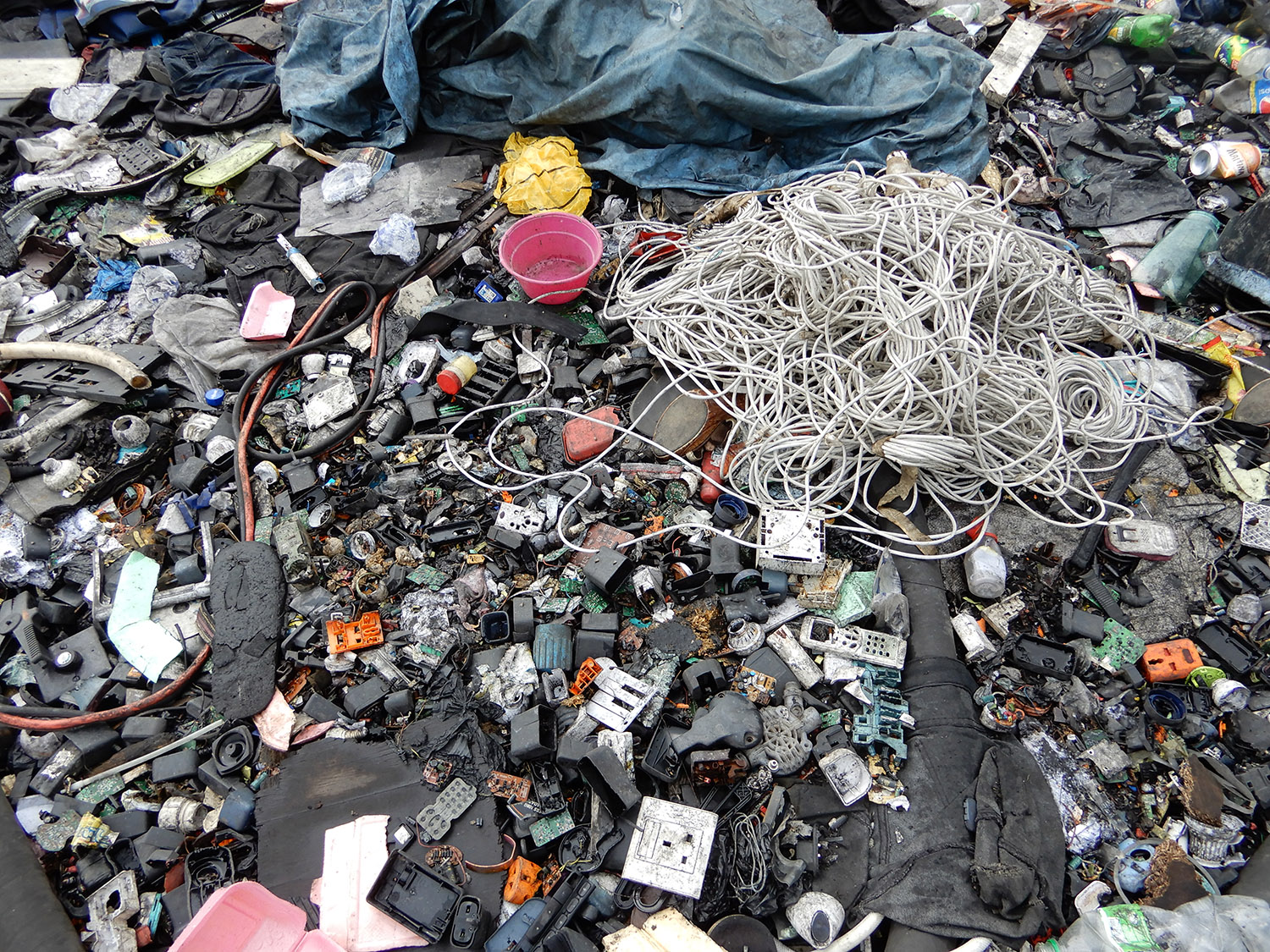
It’s close to midnight on a Sunday and the skies of Lagos hang dark over the glittering lights of the city’s 17.5 million residents. One of those lights is small fire in a field in Ikeja, the capital of Lagos State, where 24-year-old John stands, tossing cables into the flames.
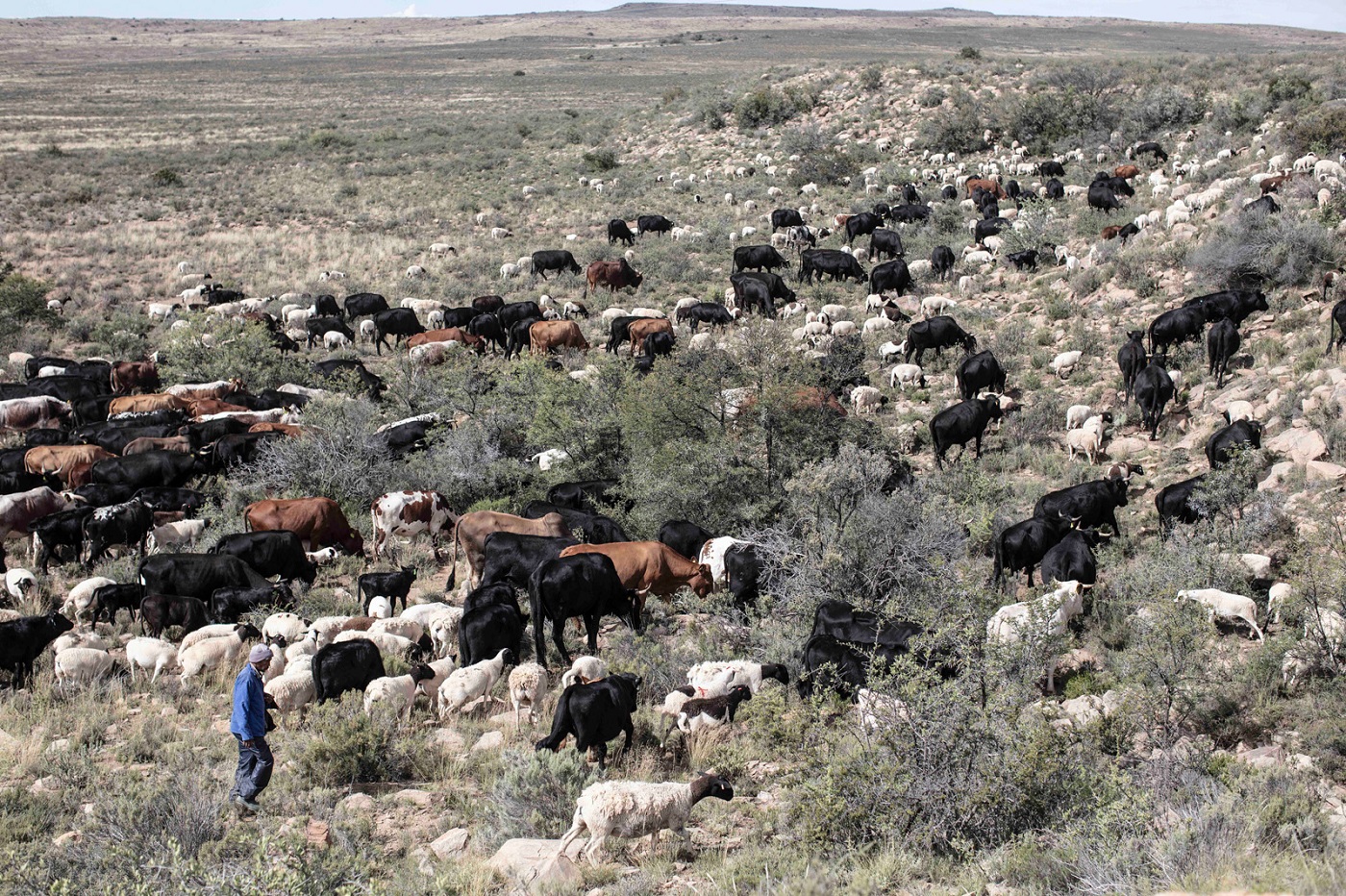
The Karoo, in South Africa, is a harsh environment in which to make a living out of agriculture—the area is mostly devoid of surface water. Its name is derived from the Khoisan word meaning “land of thirst”.
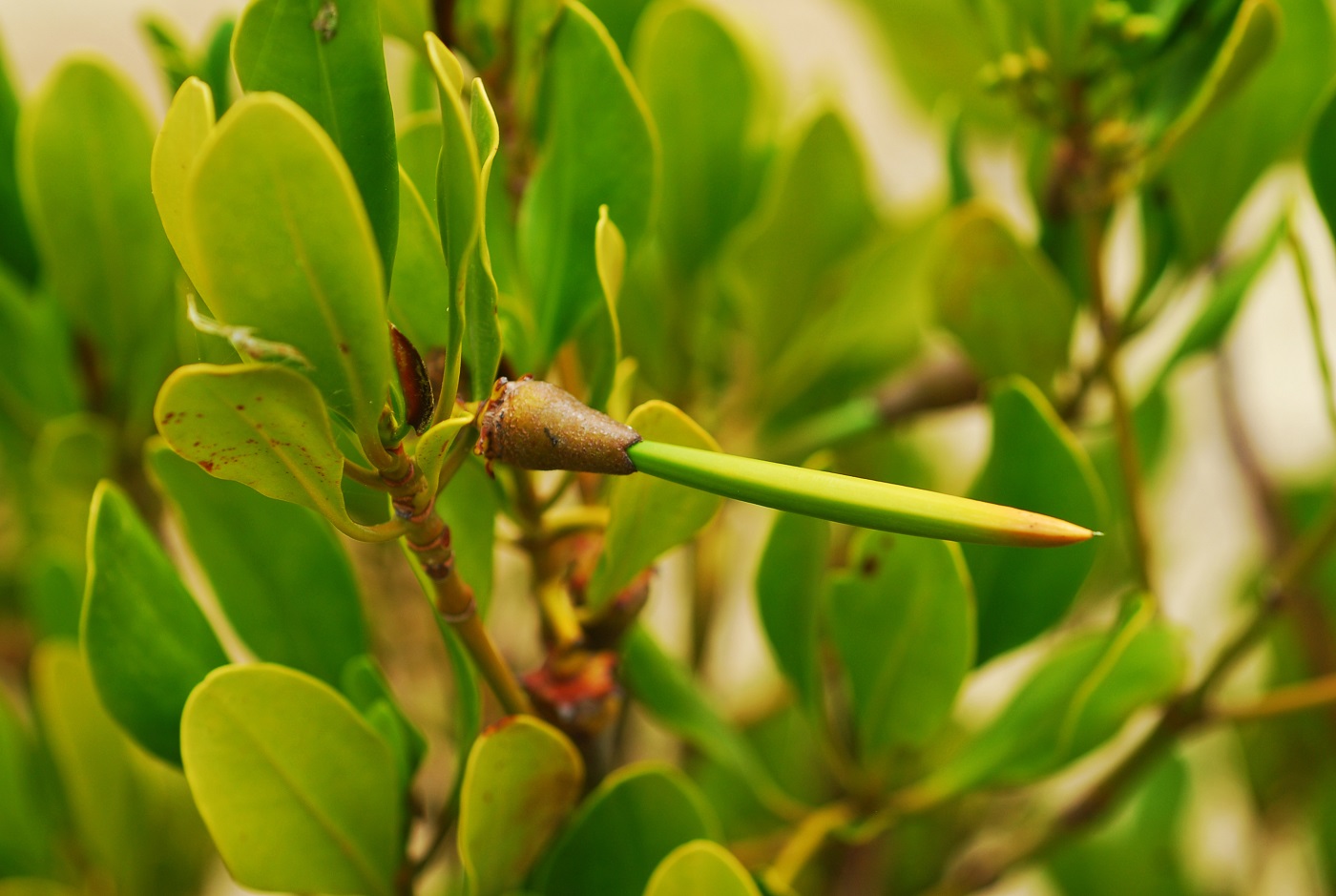
When a proven ecosystem restoration method also helps reduce poverty and build economic resilience, governments will often back them as a win-win solution.
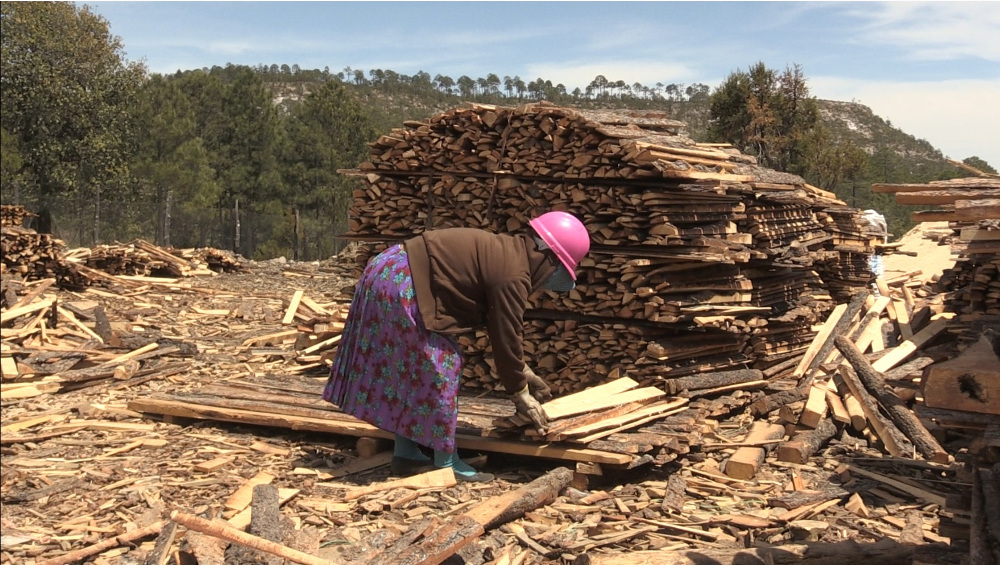
The shy and elusive neotropical otter is widely distributed in Latin America, but it is hardly spotted. When Manuel Chávez and his team discovered that a specimen was captured by one of their river camera traps in the depths of the Sierra Tarahumara canyons, in northwestern Mexico, they were thrilled.
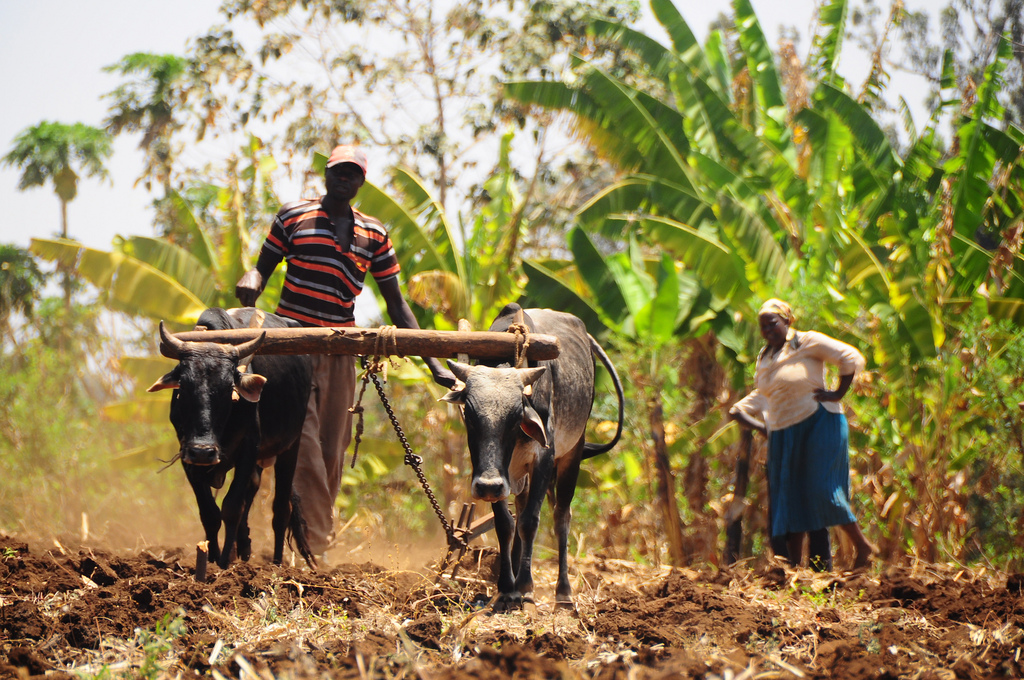
The theme for the International Day for Biological Diversity on 22 May 2019 is: "Our Biodiversity, Our Food, Our Health".
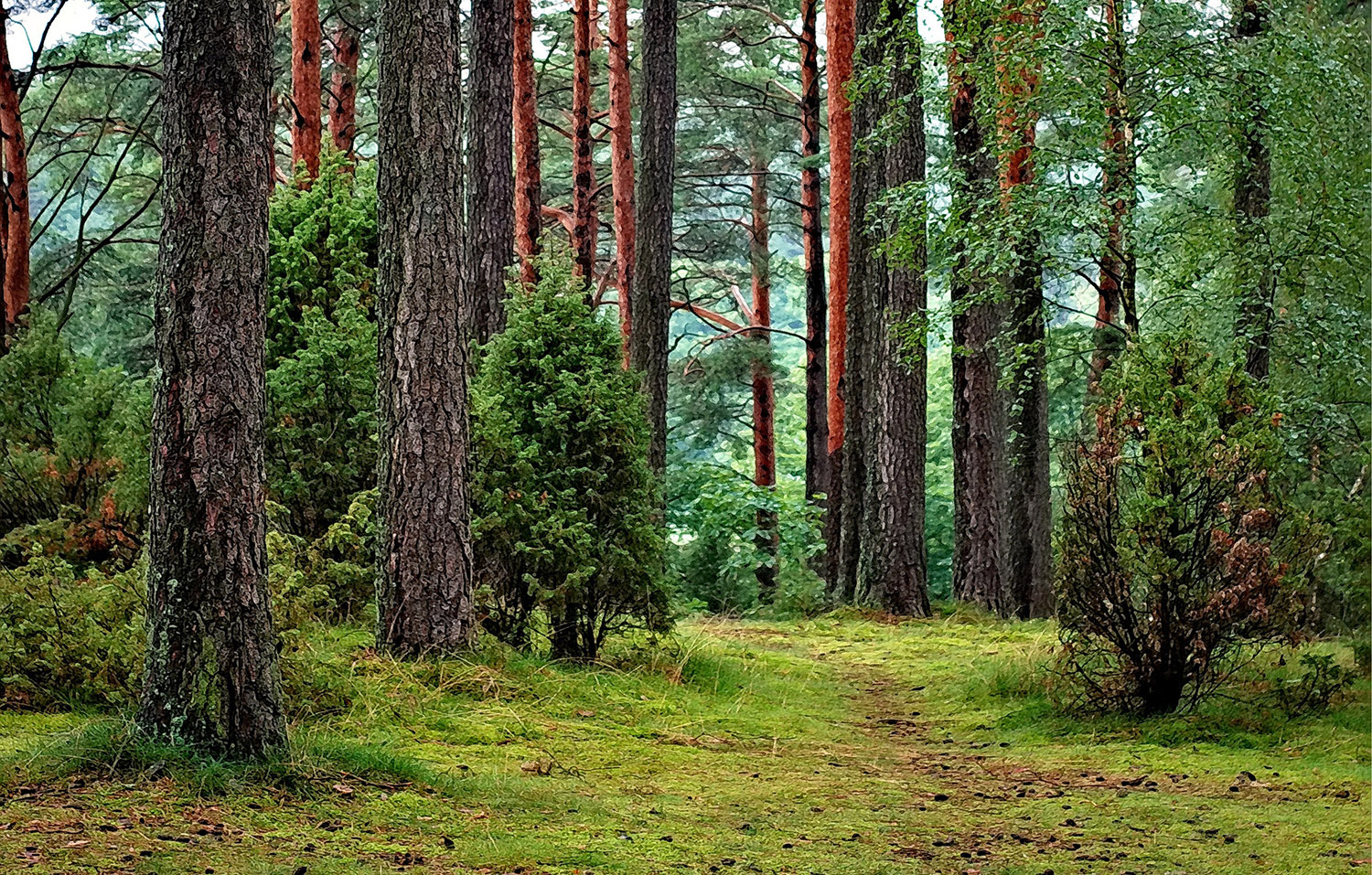
Wild mushroom picking in Eastern Europe is more than a tradition. It is a social event. Every year, in late summer and early fall, thousands of people roam the woods for the biggest, most perfect specimens. They take their children along to teach them which mushrooms are edible and which are poisonous, which are ripe and which should be left for another week or so, passing on generations-old teachings and care for the woods.
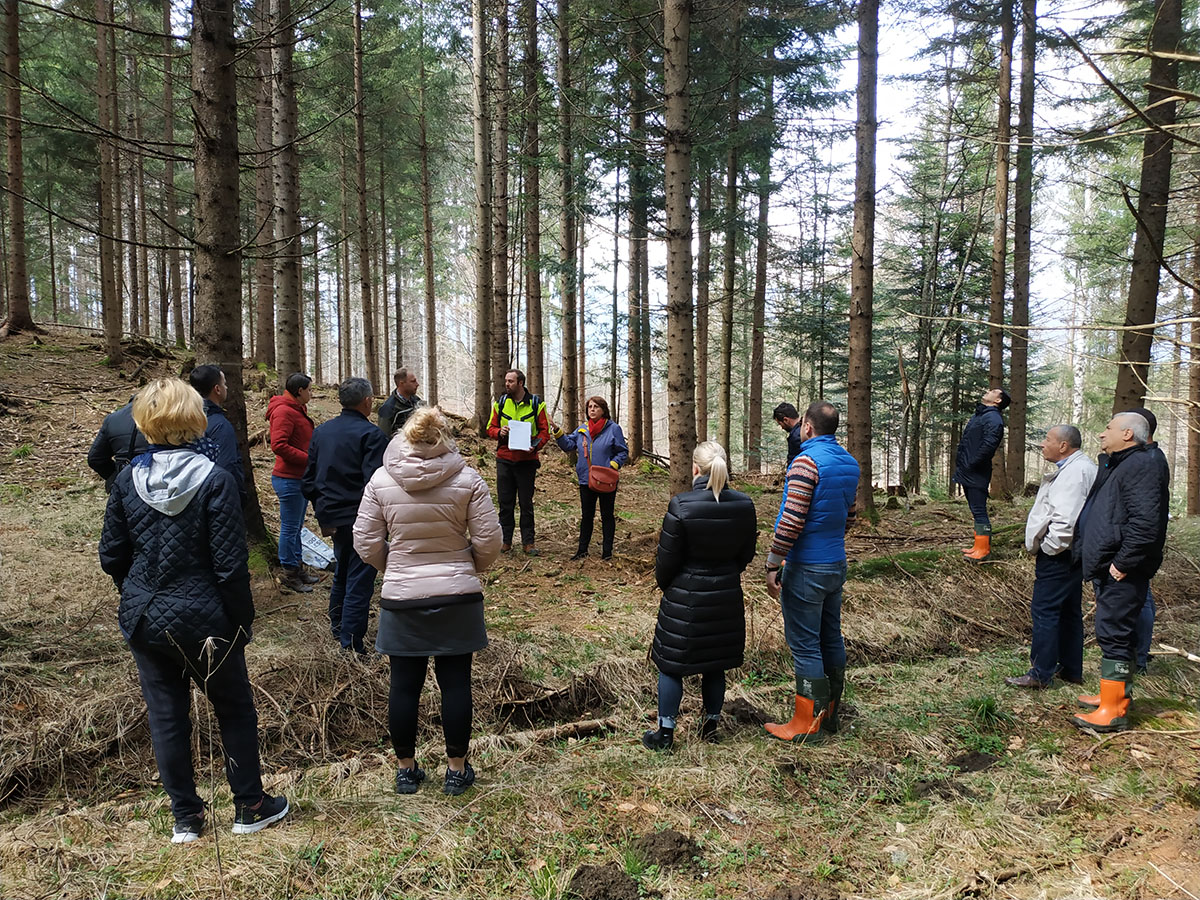
Edmond Prifti, a Project and Investment Specialist based in Kolonja, Albania, has been trying for years to grow specific tree species in his municipality. Although state-owned lands are ready to be used for this, his lack of expertise greatly hampered progress.
In the world before modern medicine it was up to the local shaman, monk or wise woman to treat injury and disease, often with remedies based on local medicinal plants.
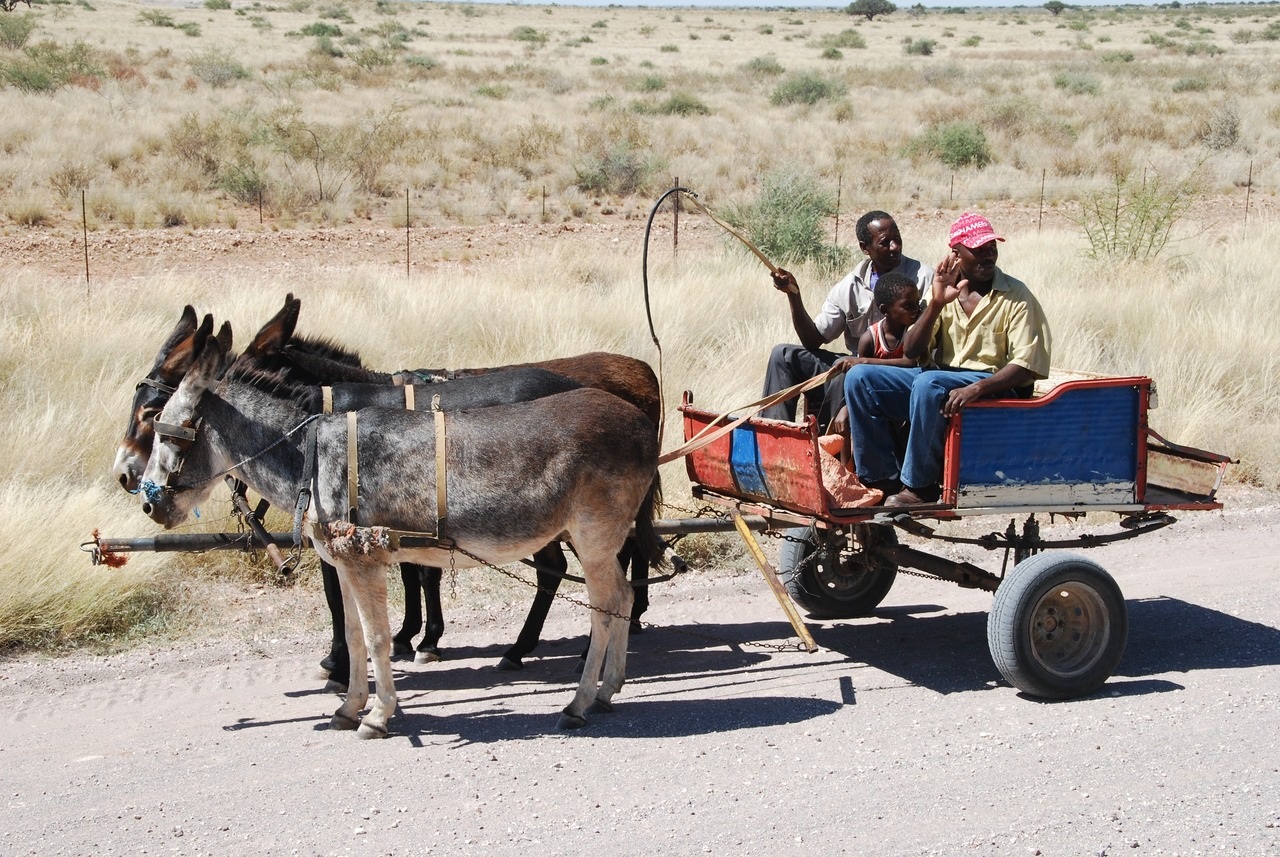
When an entrepreneur designs, makes and markets handbags made of donkey skin, and they become hugely popular, that’s good for business and employment, right? But if the donkey leather is sourced from developing countries with weak environmental laws, what is the socio-economic and environmental impact?
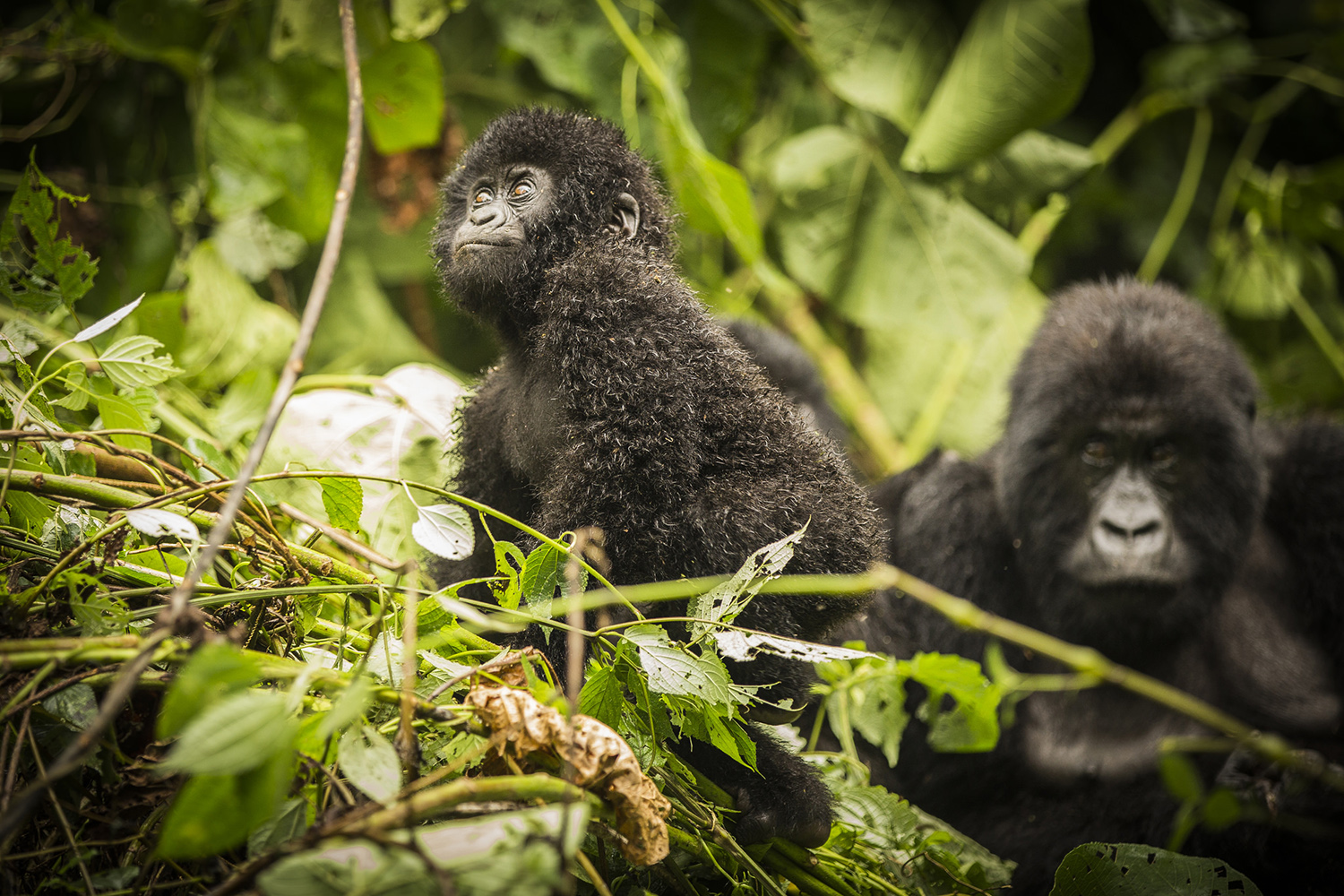
An ambitious new conservation programme brings six nations together to ensure the future of one of the world’s most vital ecosystems.
One of the world’s most vital ecosystems is set to take a step closer to a sustainable future, with the announcement of a US$63-million programme to stabilize forest cover, peatlands, and wildlife populations across the Congo Basin.

If you’re sweltering in Delhi or shivering in Detroit and want affordable, environmentally friendly cooling or heating, district energy may be your best bet.
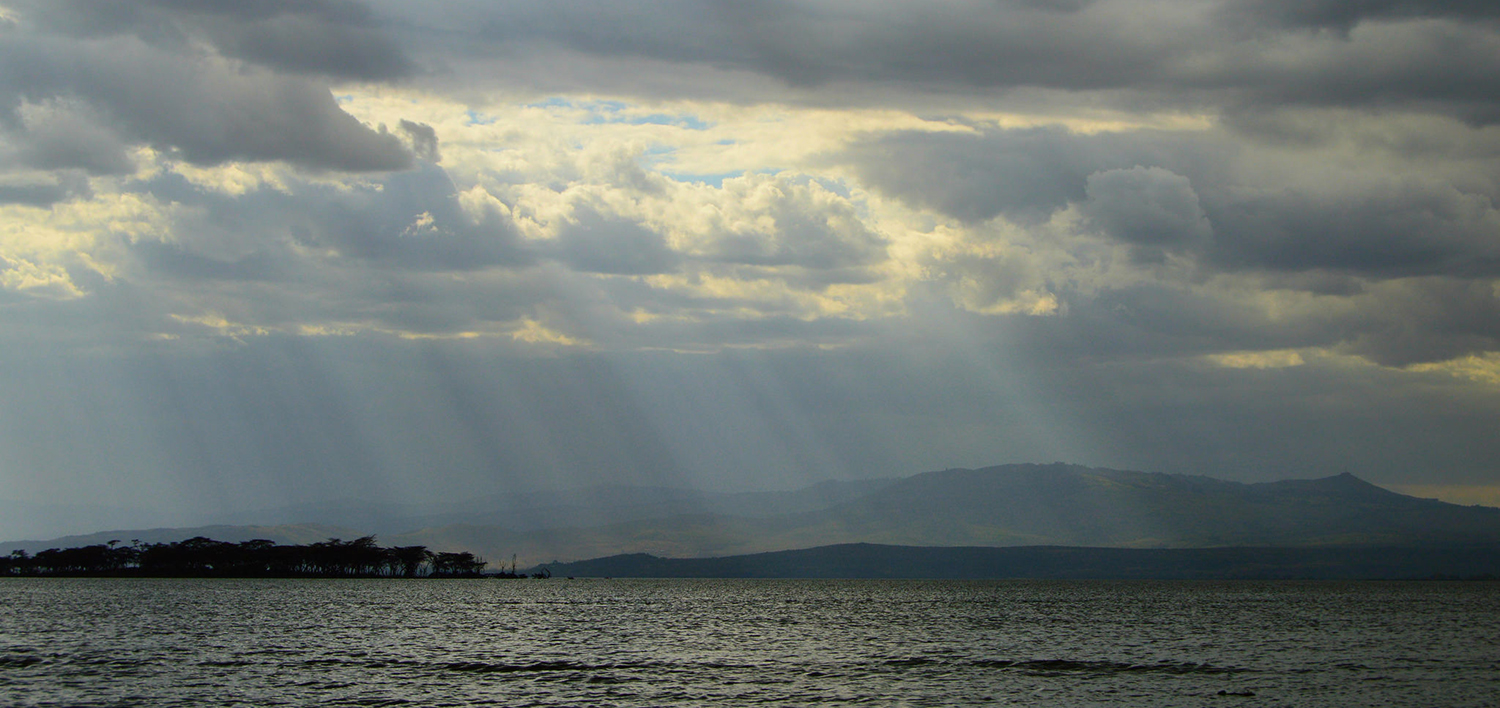
UN Environment has been working with a broad range of partners to better assess the health of lake ecosystems in India, Kenya and the Philippines.
Economic activity in and around Lake Naivasha, and the rapidly growing population, have placed mounting environmental pressure on this important source of freshwater in central southern Kenya.
Showing 126 - 150 of 164

The Global Environment Facility (GEF) includes several multilateral funds working together to address the planet's most pressing challenges in an integrated way. Over the past three decades, the GEF has provided more than $26 billion in financing, primarily as grants, and mobilized another $148 billion for country-driven priority projects.