


In its role as an Implementing Agency of the Multilateral Fund under the Montreal Protocol, UNEP OzonAction actively promotes gender equality and the systematic integration of gender considerations in all its activities. This approach reflects UN‑wide commitments, UNEP’s Policy and Strategy for Gender Equality and the Environment, and the Multilateral Fund’s Gender Policy.
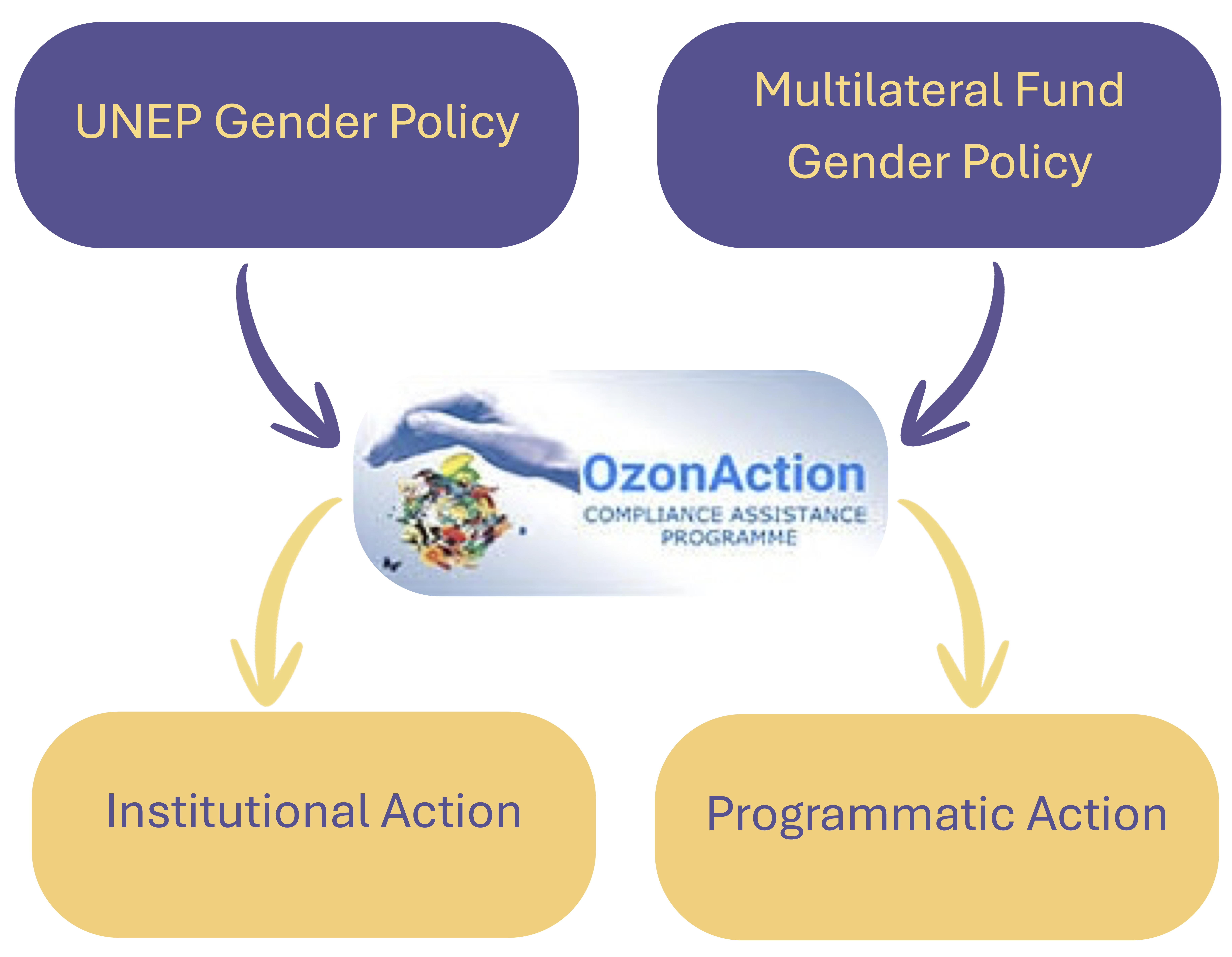
OzonAction adopted its Gender Action Plan in March 2022, combining institutional and programmatic measures to ensure gender equality is systematically addressed throughout its work. At the institutional level, the Plan strengthens internal systems through dedicated gender focal points, leadership engagement, staff performance objectives, and regular reporting. At the programmatic level, gender considerations are integrated into the design, implementation, and reporting of Multilateral Fund‑supported projects, including HCFC Phase‑out Management Plans (HPMPs) and Kigali Implementation Plans (KIPs).
The Plan responds, inter alia, to the Multilateral Fund’s recommendation that “each bilateral and implementing agency could develop an agency‑specific guide on how to mainstream gender in Multilateral Fund‑supported projects, consistent with their corporate policies.” The Plan will be reviewed and updated as needed.
Integrating gender considerations in montreal protocol implementation
UNEP OzonAction supports Article 5 (developing) countries in integrating gender considerations across all aspects of Montreal Protocol implementation, recognising that inclusive approaches strengthen environmental outcomes, institutional capacity, and long‑term sustainability.
 ➜ Guidance and tools: OzonAction supports countries in operationalising gender mainstreaming through a range of practical tools, guidance, and knowledge products tailored to Montreal Protocol implementation. These include a Gender Assessment Factsheet, which provides step‑by‑step guidance on how to conduct and apply gender assessments during the preparation and implementation of Multilateral Fund‑supported projects, such as HCFC Phase‑out Management Plans (HPMPs) and Kigali Implementation Plans (KIPs). In addition, OzonAction has developed a series of gender factsheets highlighting the links between the Montreal Protocol, gender equality, and the Sustainable Development Goals, with particular attention to the refrigeration, air‑conditioning and heat pump (RACHP) sector, where women remain significantly underrepresented.
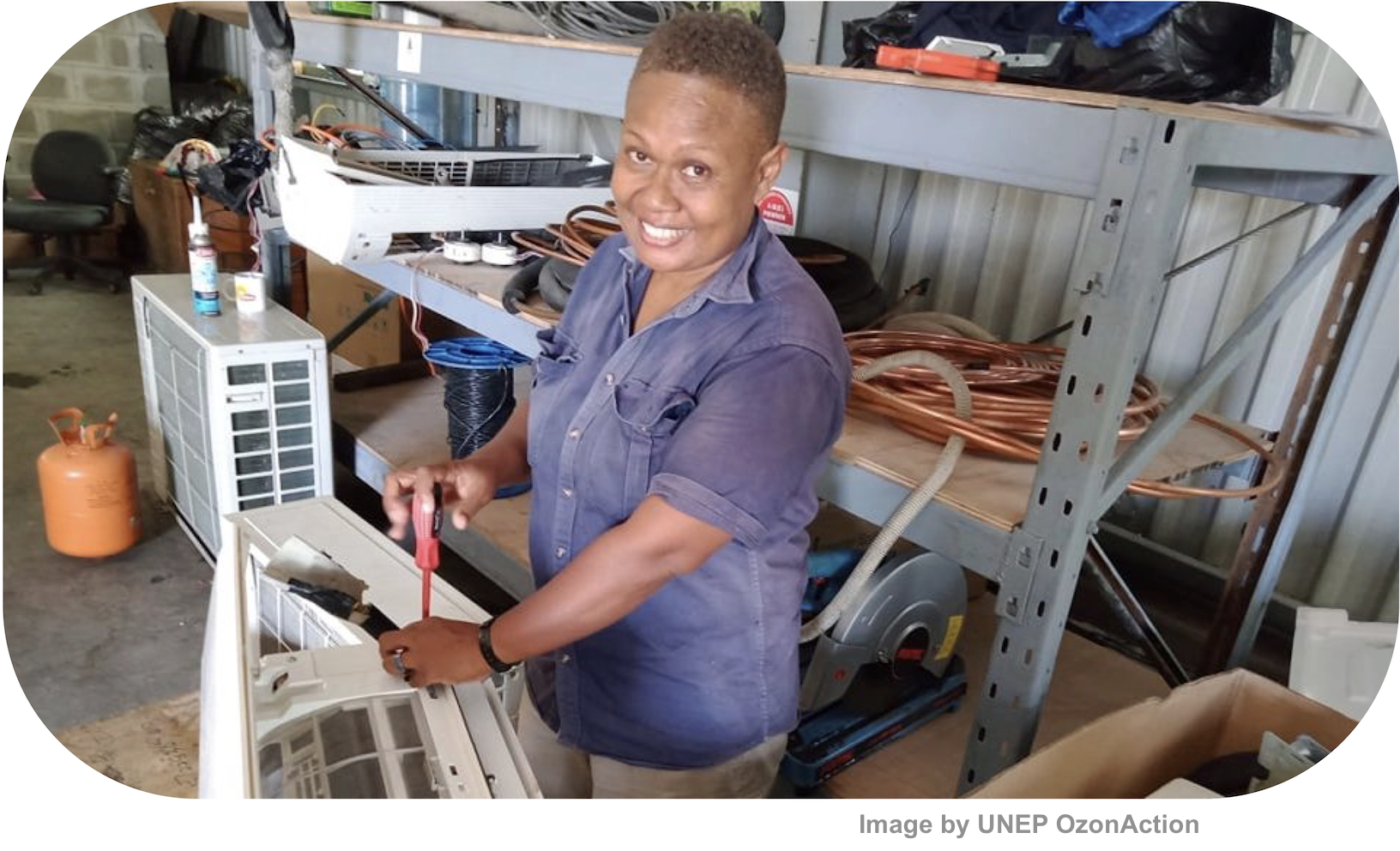 ➜ Compliance Assistance Programme: Gender mainstreaming is further advanced through OzonAction’s Compliance Assistance Programme (CAP), which integrates gender perspectives into regional network meetings of National Ozone Officers, technical workshops, and dedicated expert sessions. These platforms enable countries to share experiences, lessons learned, and good practices on incorporating gender considerations into policies, training programmes, and project activities. OzonAction also supports targeted capacity‑building initiatives, including regional and national workshops for female technicians in the RACHP sector, aimed at st
 rengthening technical skills, improving access to professional networks, and addressing barriers faced by women in traditionally predominantely male fields. Insights gathered through surveys and consultations are used to inform national action plans and improve project design.
➜ Partnerships: Partnerships and knowledge exchange are central to this work. OzonAction co‑launched the International Network of Women in Cooling (INWIC) to enhance women’s participation, visibility, and career opportunities in the RACHP sector through networking, mentoring, and knowledge‑sharing. 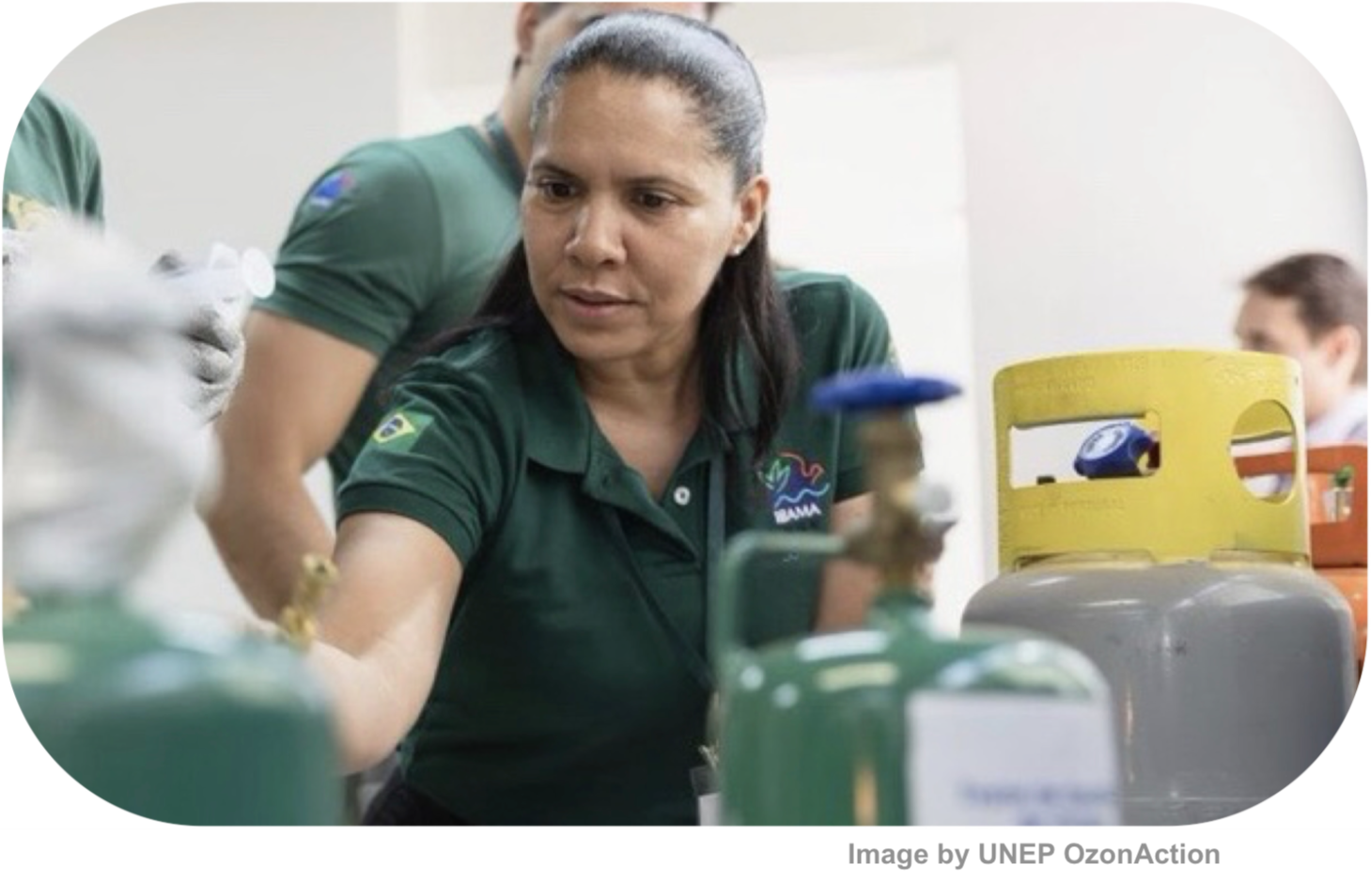
➜ Results and impact: Progress is tracked through sex‑disaggregated data, gender‑responsive indicators, and regular analysis of Multilateral Fund‑supported projects. Gender‑related results, lessons learned, and country examples are shared through OzonAction’s website, publications, and outreach campaigns, organised annually around International Women’s Day, are helping to promote transformative change and encourage replication across regions.
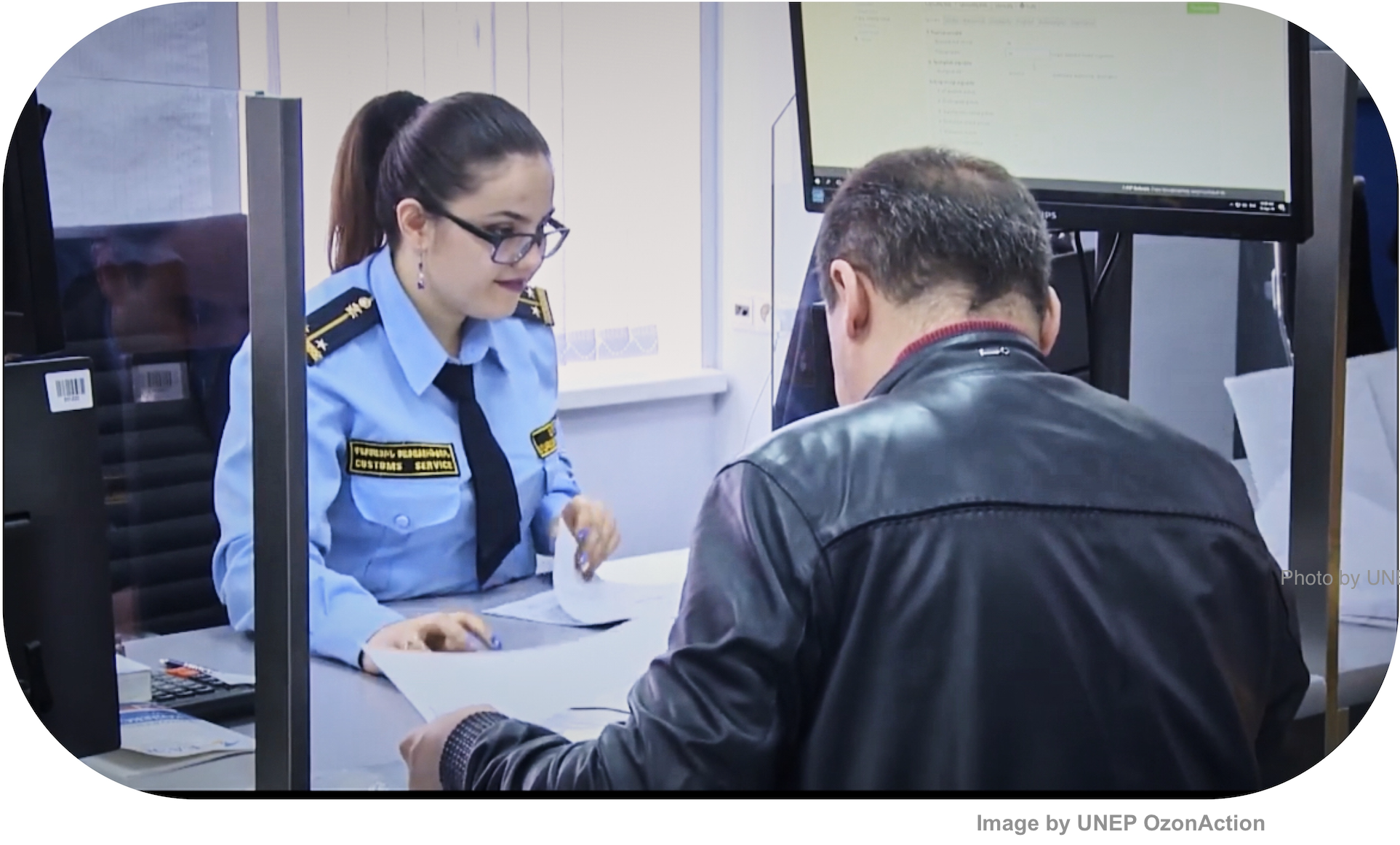
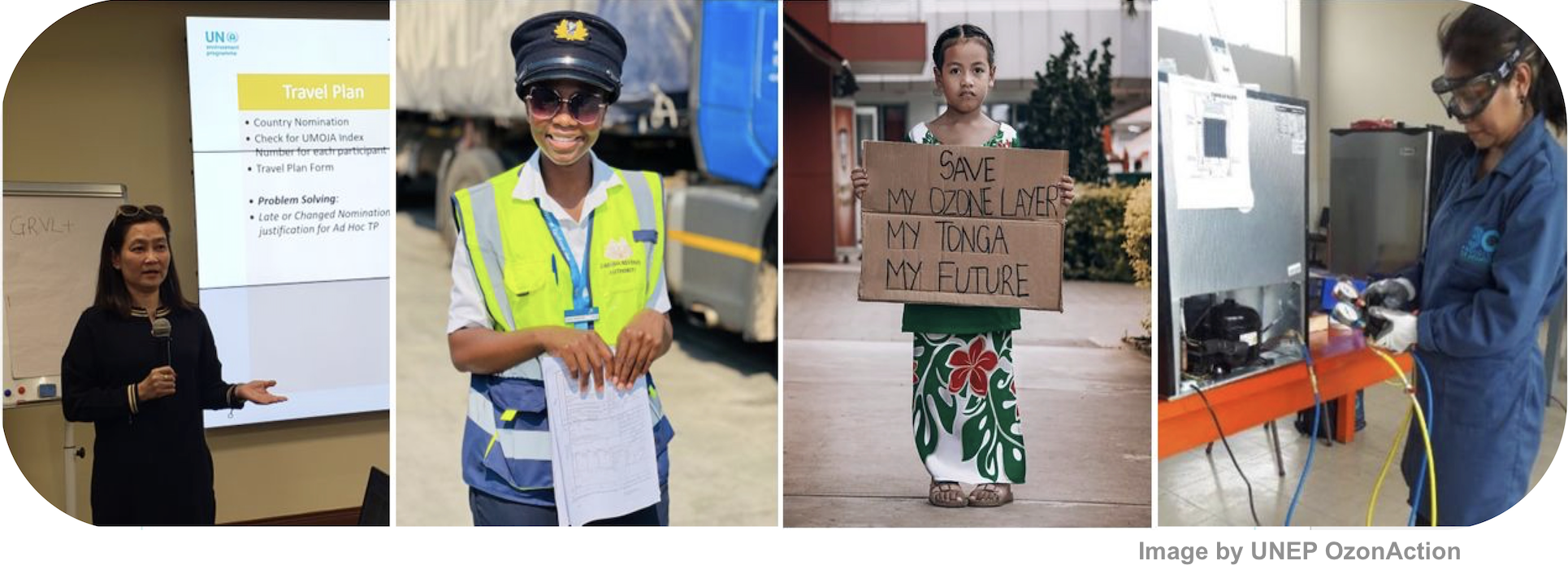
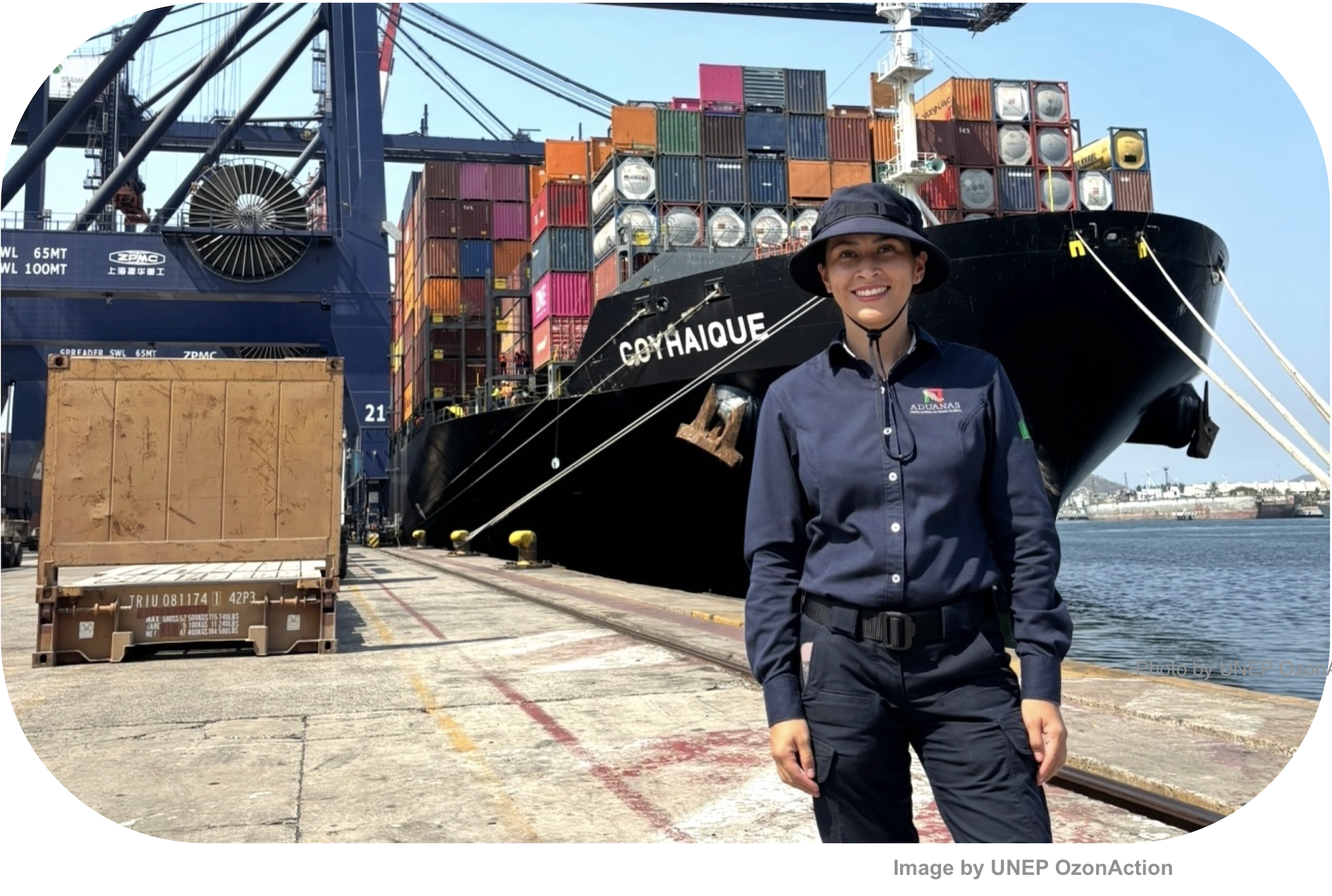
Despite progress, women remain historically underrepresented in both the Customs sector and the refrigeration and air‑conditioning (RACHP) sector. Addressing this gap requires enhanced cooperation with leading organizations in these fields to promote women’s participation in Montreal Protocol activities, increase the visibility of role models, and encourage young women to pursue careers in these professions.
OzonAction’s Programmatic Actions
| ◉ Integrating gender into Regional Networks of National Ozone Officers by addressing gender as a standing topic in Regional Network and thematic meetings, promoting peer exchange, role models, and mentorship opportunities, including through the International Network of Women in Cooling (INWIC). |
| ◉ Information sharing and outreach through OzonAction’s Information Clearinghouse and communication channels to disseminate gender‑related resources, good practices, and initiatives that promote women’s participation in Montreal Protocol‑related sectors, particularly refrigeration and air conditioning (RACHP). |
| ◉ Capacity‑building and training by developing gender‑responsive curricula and training materials for ozone officers, RAC technicians, and customs and enforcement officers, and supporting National Ozone Units (NOUs) in delivering inclusive national training under HPMPs and Kigali Implementation Plans (KIPs). |
| ◉ Direct compliance assistance to Article 5 countries through tailored technical support that helps NOUs identify entry points for integrating gender considerations into national programmes, projects, and day‑to‑day implementation of the Montreal Protocol. |
| ◉ South‑South cooperation that promotes equitable access for female ozone officers and stakeholders to study tours, exchanges, and peer‑learning opportunities, with the option to include gender mainstreaming as a dedicated topic linked to cross‑country mentorship. |
| ◉ Strategic partnerships with international, regional, and national organizations—particularly in the RACHP and customs sectors—to increase women’s participation, visibility, and leadership, including joint initiatives, surveys, and collaboration under INWIC. |
| ◉ Gender‑responsive Multilateral Fund projects by systematically integrating gender considerations into project design, implementation, monitoring, and reporting across institutional strengthening projects, HPMPs, KIPs, and technical assistance activities, supported by dedicated guidance tools and indicators. |
More information - Gender Policy context
UNEP’s Gender Equality and the Environment Policy and Strategy (2014 - 2017)
UNEP’s Gender Equality and the Environment Policy and Strategy (2014-2017), developed by UNEP headquarters, builds on the Rio+20 outcome document (The Future We Want) and the United Nations System-Wide Action Plan on Gender Equality and the Empowerment of Women (UN SWAP).
The Strategy enables UNEP to work for gender equality and women’s empowerment in a coherent and coordinated manner with all its development partners. A strategy-based approach ensures that gender analysis is methodologically incorporated into environmental programming; and that the insight, knowledge, and expertise of both women and men inform environmental decision-making and setting of the environmental agenda.
The strategy sets the following objective: Technical assistance is provided to national, regional and local partners and stakeholders, so that their policies, plans and programmes achieve clearly articulated, time-bound and measurable gender equality and women’s empowerment results in each of UNEP’s sub-programme areas, identified based on gender analysis, assessed against clearly defined baseline data disaggregated by sex and age.
Multilateral Fund’s Operational Policy on Gender Mainstreaming (2019)
The Multilateral Fund for the Implementation of the Montreal Protocol approved its operational policy on gender mainstreaming for Multilateral Fund-supported projects in 2019, requiring its application by implementing agencies throughout the project cycle. The policy was further strengthened in 2023. The Strategy focus is on three main priorities:
➜ Priority 1: Developing tools to facilitate gender-responsive review/approval process, and reporting and monitoring systems of the Multilateral Fund, including the tracking and reporting of gender equality results based on set targets and indicators.
➜Priority 2: Considering and addressing gender issues and approaches systematically in all projects prepared to phase out controlled substances for Article 5 countries in all phases of the project cycle.
➜ Priority 3: Delivering capacity building for all bilateral and implementing agency partners and Article 5 countries to facilitate gender mainstreaming, and effective use of the identified strategic entry points to promote gender equality and women’s empowerment in all projects financed by the Multilateral Fund.