

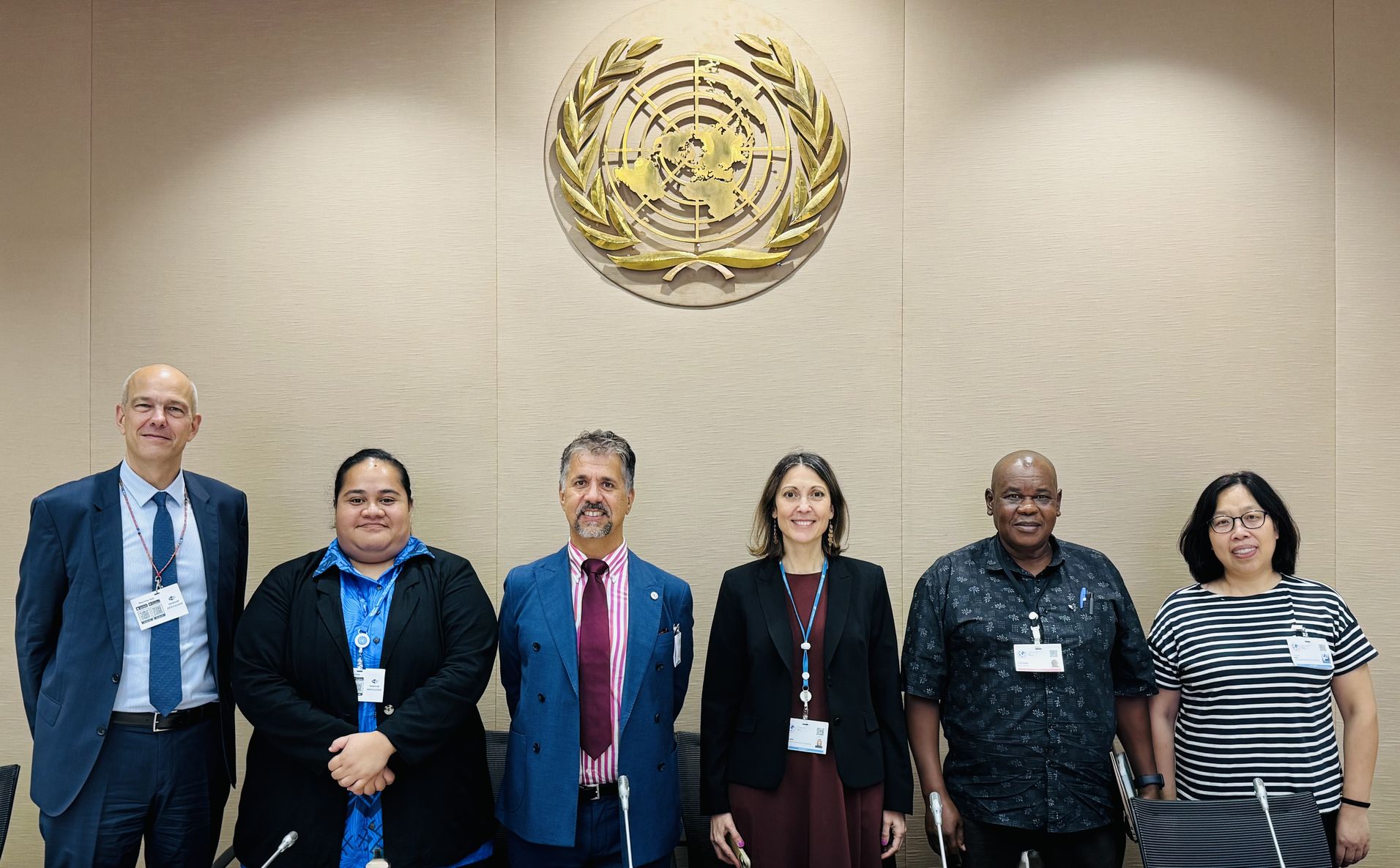
Bangkok, Thailand, 15 July 2026 – UNEP OzonAction and AREA jointly organized a side event during the 48th Meeting of the Open-ended Working Group (OEWG-48) to highlight the critical role of the refrigeration and air-conditioning (RAC) servicing sector in advancing the objectives of the Montreal Protocol and the Kigali Amendment. The event brought together around 90 participants (45% women) representing governments, industry associations, training institutions, and international organizations to exchange experiences and explore practical approaches to strengthening technician capacity and promoting sustainable cooling.
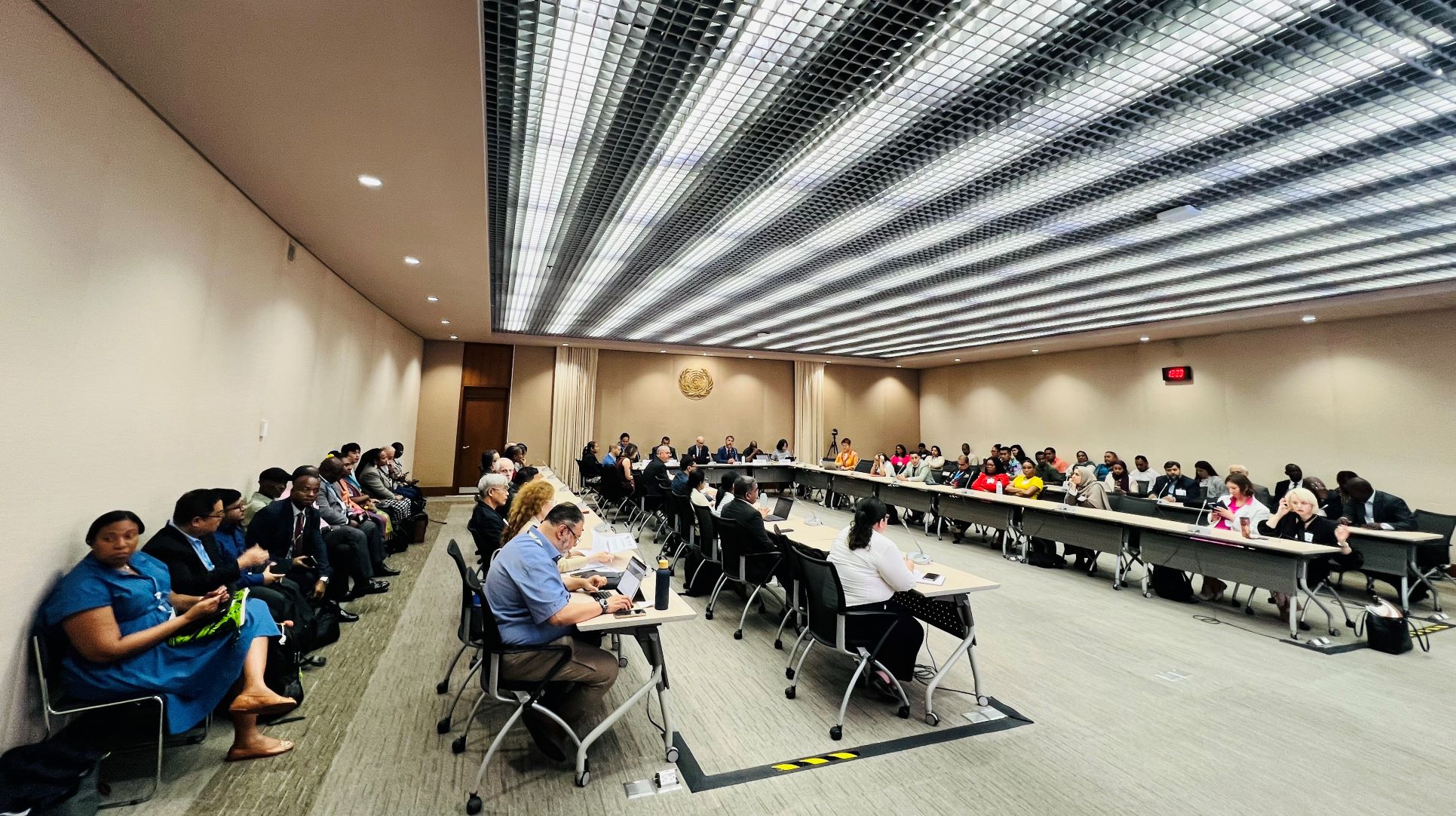 The side event emphasized that the successful transition to low-global warming potential (GWP) refrigerants and energy-efficient cooling technologies depends not only on policies and equipment but also on a well-trained workforce. Technicians play a central role in ensuring proper installation, servicing, refrigerant recovery and recycling, leak prevention, energy efficiency, and the safe handling of refrigerants.
Participants were introduced to UNEP OzonAction's extensive portfolio of training and capacity-building resources, including the OzonAction Products and Tools Catalogue, university courses developed with ASHRAE, e-learning programmes on refrigerant management and energy efficiency, educational videos, mobile applications, and certification support tools. These resources are designed to support National Ozone Units (NOUs), training institutions, and RAC practitioners in building the skills required for sustainable cooling transitions.
A key focus of the event was the UNEP-AREA Training Manual, a comprehensive modular training package developed to promote good servicing practices and sound refrigerant management. The manual covers environmental considerations, refrigerant classifications, safe handling of flammable and low-GWP refrigerants, refrigerant recovery and recycling, and a dedicated module on maximizing energy efficiency in RAC operation and servicing. The event showcased how the manual is being applied in technician training programmes and training-of-trainers initiatives in Article 5 countries.
Through practical examples from recent training activities and country experiences, speakers demonstrated how effective training can translate into improved servicing practices, stronger certification systems, better-equipped training centres, and enhanced readiness for new technologies. Particular attention was given to promoting women's participation and leadership in the RAC sector through targeted training and professional development opportunities.
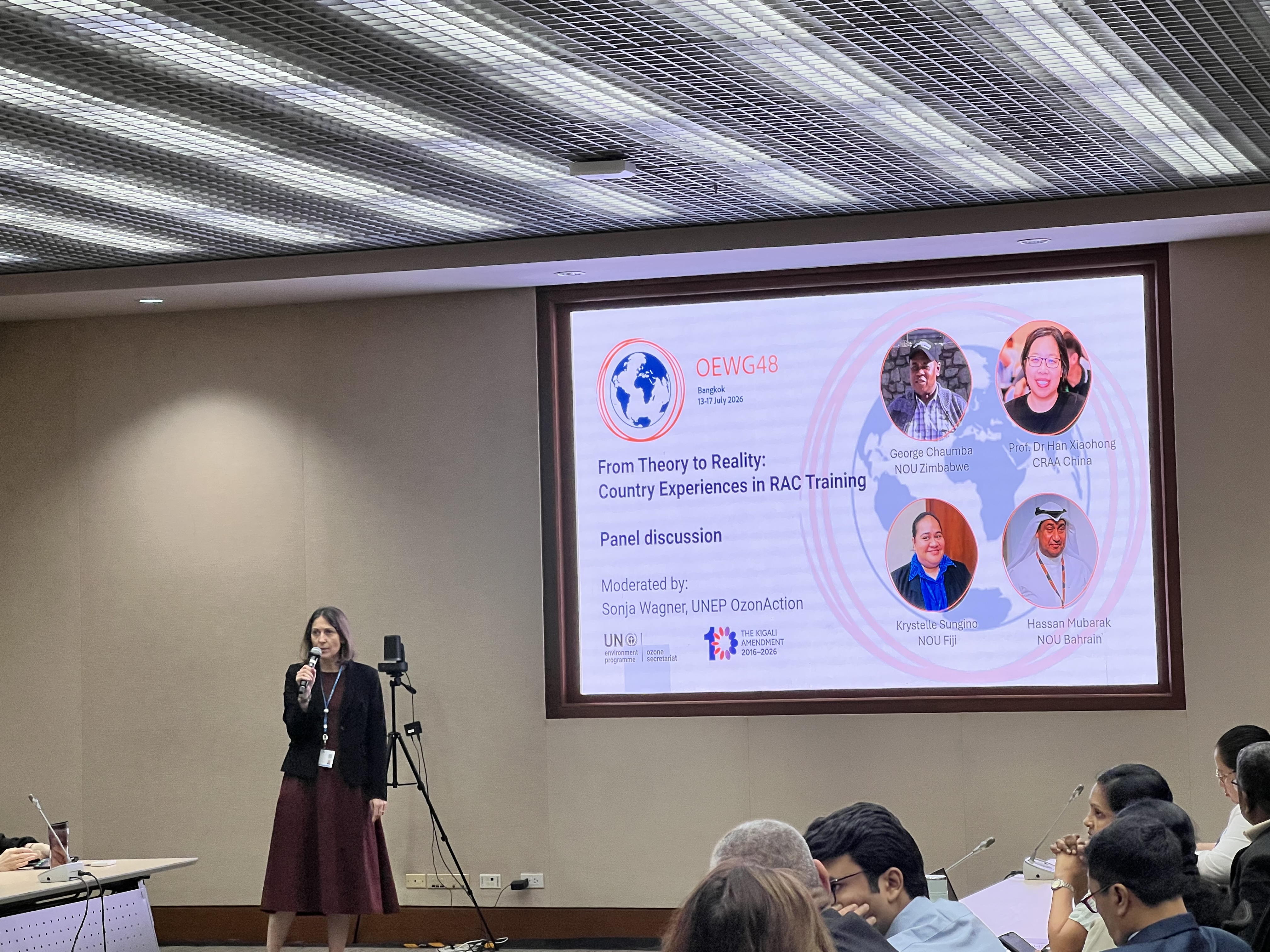
The programme featured presentations by Jim Curlin (UNEP OzonAction), Sonja Wagner (UNEP OzonAction), and Marco Buoni (AREA), followed by a panel discussion with Mr. George Chaumba, Zimbabwe, Prof. Dr. Han Xiaohong, China, Ms. Krystelle Sungino, Fiji, and Mr. Hassan Mubarak, Bahrain who shared national experiences in RAC training and workforce development.
The panel discussion highlighted the need to position RAC training within the wider national skills development system, engaging relevant stakeholders and education authorities to ensure sustainability and recognition of qualifications. Panellists emphasized the important role of RAC associations in supporting continuous professional development, promoting best practices, and serving as a bridge between technicians, industry, and policymakers. Participants also underscored the importance of regularly updating training materials, curricula, and tools to reflect technological advances, energy efficiency requirements, safety considerations, and evolving regulatory frameworks. The session further addressed strategies for reaching technicians operating in the informal sector, the need for a strong legislative and policy foundation supported by the adoption and enforcement of relevant standards, and the challenges of delivering training and certification programmes to technicians in remote areas and small island contexts. The exchange of experiences demonstrated the value of coordinated national approaches to strengthening the RAC workforce and supporting the long-term objectives of the Montreal Protocol and the Kigali Amendment.
The event underscored the importance of partnerships among governments, industry associations, training institutions, and international organizations to ensure that technicians are fully supported throughout the transition to climate-friendly and energy-efficient cooling technologies. By strengthening skills, expanding access to quality training resources, and supporting continuous professional development, stakeholders can help accelerate compliance with the Montreal Protocol and contribute to sustainable cooling worldwide.
For more information:
Ms. Sonja Wagner
Programme Management Officer,
UNEP OzonAction