Preventing, controlling and managing pollution is central to improving health, human well-being and prosperity for all.
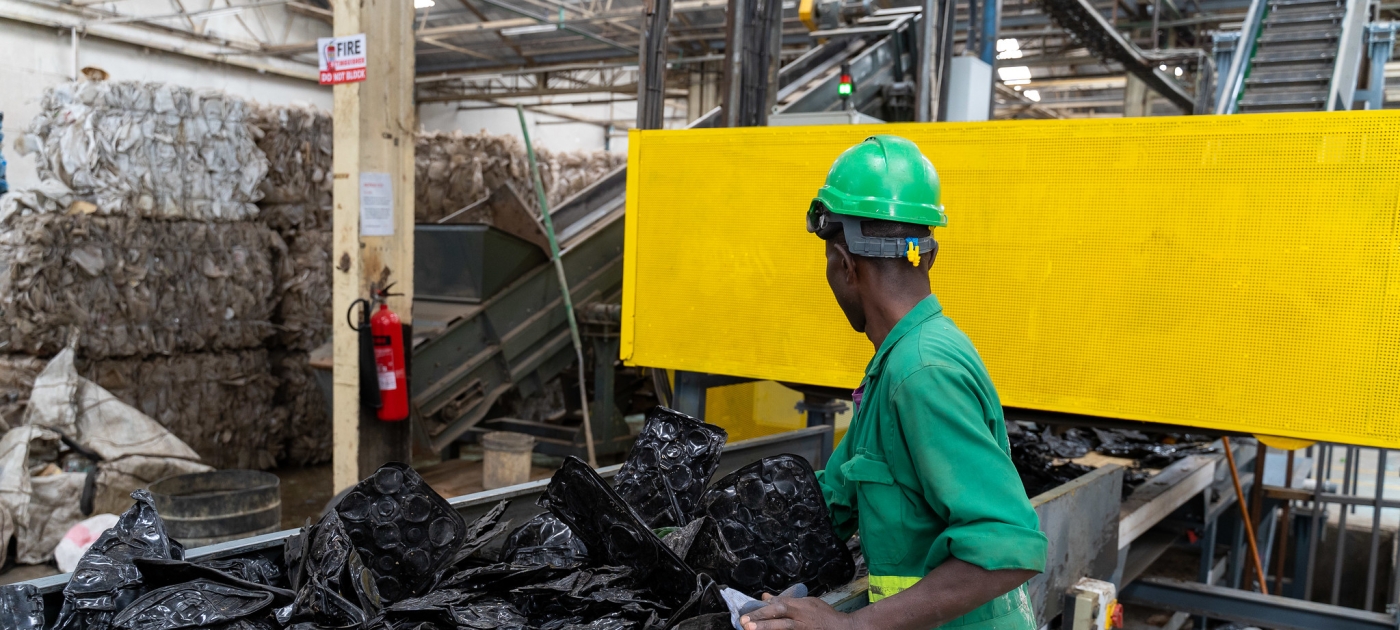
UNEP drives capacity and leadership in sound management of chemicals and waste while working to improve ways to reduce waste through circularity and pollutants released to the air, water, soil and the ocean.
09 Sep
2025
13:18
Collaboration in Wastewater and Environmental Surveillance: One Health & Stakeholder Engagement
Credit: UNEP/Geraldine Deblon
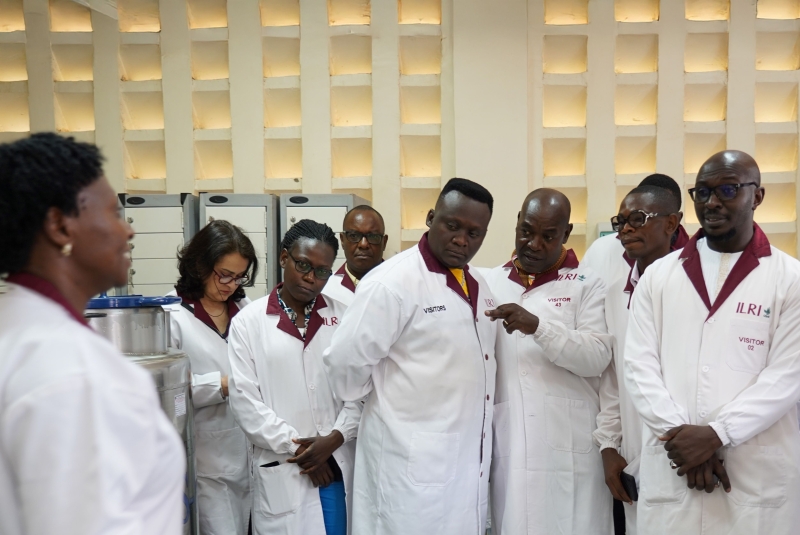
This webinar will explore how different actors—such as professionals working in public health, the environment, or water services—can come together to track, analyse, and respond to potential health risks identified through conducting wastewater and environmental surveillance activities. The One Health approach illustrates the interconnectedness of people, animals, and the environment.
The session will share real-life examples from across Africa, illustrating how collaboration across different sectors can help communities stay healthier and better protect the environment.
Air Quality and Climate Bulletin of WMO highlights vicious cycle
The annual Air Quality and Climate Bulletin of the World Meteorological Organization, published ahead of #CleanAirDay, traces the complex interplay between air quality and climate, highlighting the role of tiny particles called aerosols in wildfires, winter fog, shipping emissions and urban pollution. It stresses the need for improved atmospheric monitoring and more integrated policies to safeguard human and environmental health and reduce agricultural and economic losses.
With electric bikes, African cities hope to clear the air and empower women
04 Sep
2025
14:06
UN Secretary-General's message ahead of the International Day of Clean Air for blue skies
Credit: Unsplash/ Joshua Hoehne
Ahead of the International Day of Clean Air for blue skies, UN Secretary-General António Guterres has called for reining in "pollutants that choke people and heat the planet by investing in renewable energy, improving waste management, halting deforestation, including wildfires, and promoting eco-friendly agriculture."
The First Technical Session of the UNEP Working Group on Nitrogen: Social Dimensions of Sustainable Nitrogen Management
Credit: Unsplash/Christian Linnemann
Nitrogen use presents complex, far-reaching challenges for ecosystems, human health, livelihoods, and food systems. Addressing these issues goes beyond technical solutions and requires a systemic understanding of the social, economic, and political contexts in which they occur.
In this session, expert scientists will highlight the critical social dimensions of sustainable nitrogen management, demonstrating the value of integrating these perspectives into research, policy, and governance.
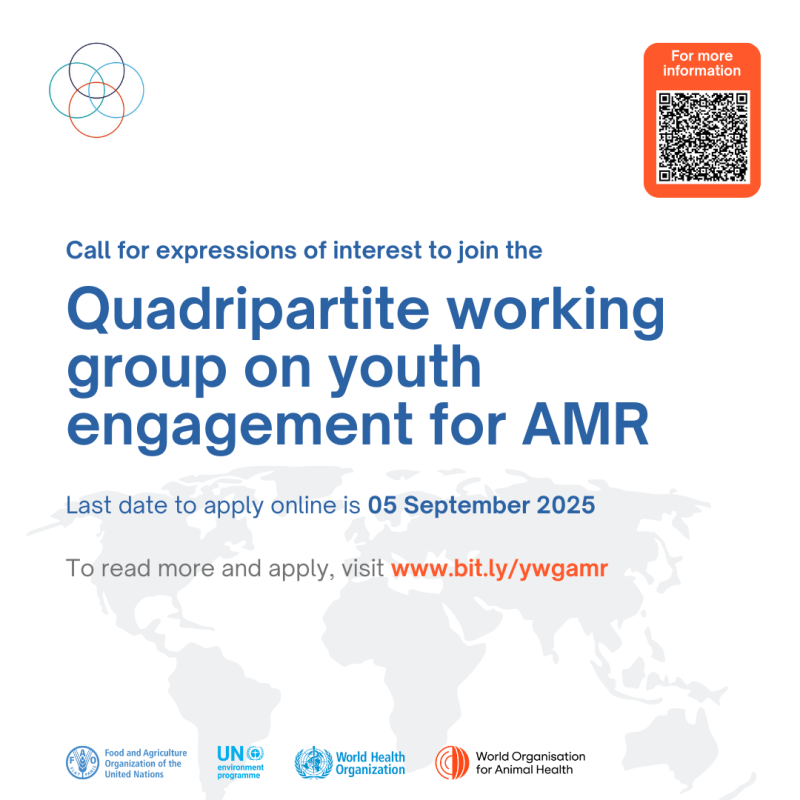
Apply to join the Quadripartite Working Group on Youth Engagement for AMR
The Quadripartite agencies are pleased to announce a call for expressions of interest from representatives of youth-led and youth-serving organizations to serve on the Quadripartite Working Group on Youth Engagement for Antimicrobial Resistance (AMR).
Those with experience of working on AMR and under the age of 30 are strongly encouraged to apply.
The objective of the Quadripartite Working Group on Youth Engagement for AMR is to guide the engagement of the Quadripartite with youth in order to harness the energy of this population in the global fight against AMR. The Working Group will build on existing work by Quadripartite agencies with youth in other contexts and will both feed into and learn from the work of the other Working Groups to ensure synergy.
UNEP and ICAO launch project to eliminate harmful firefighting foams in African airports
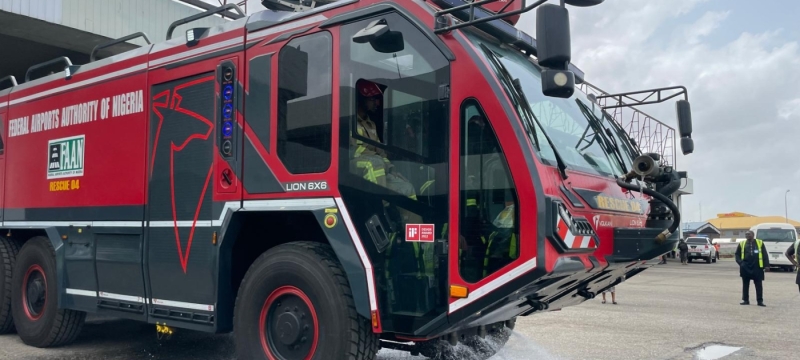
Image: ICAO
UNEP and the International Civil Aviation Organization (ICAO) have jointly launched the Fortifying Infrastructure for Responsible Extinguishment (FIRE) project, which aims to phase out the use of toxic fluorinated firefighting foams and replace them with safer alternatives at major airports in Egypt, Ethiopia, Kenya, Nigeria, and South Africa.
Together with participating airports, FIRE will support the transition from highly toxic firefighting foams to fluorine-free foams while maintaining safety and operational integrity. These efforts are expected to promote safe removal of 4,500 tonnes of PFAS-contaminated material from fire trucks and safe disposal of 130 tonnes of PFAS-based foam concentrate.