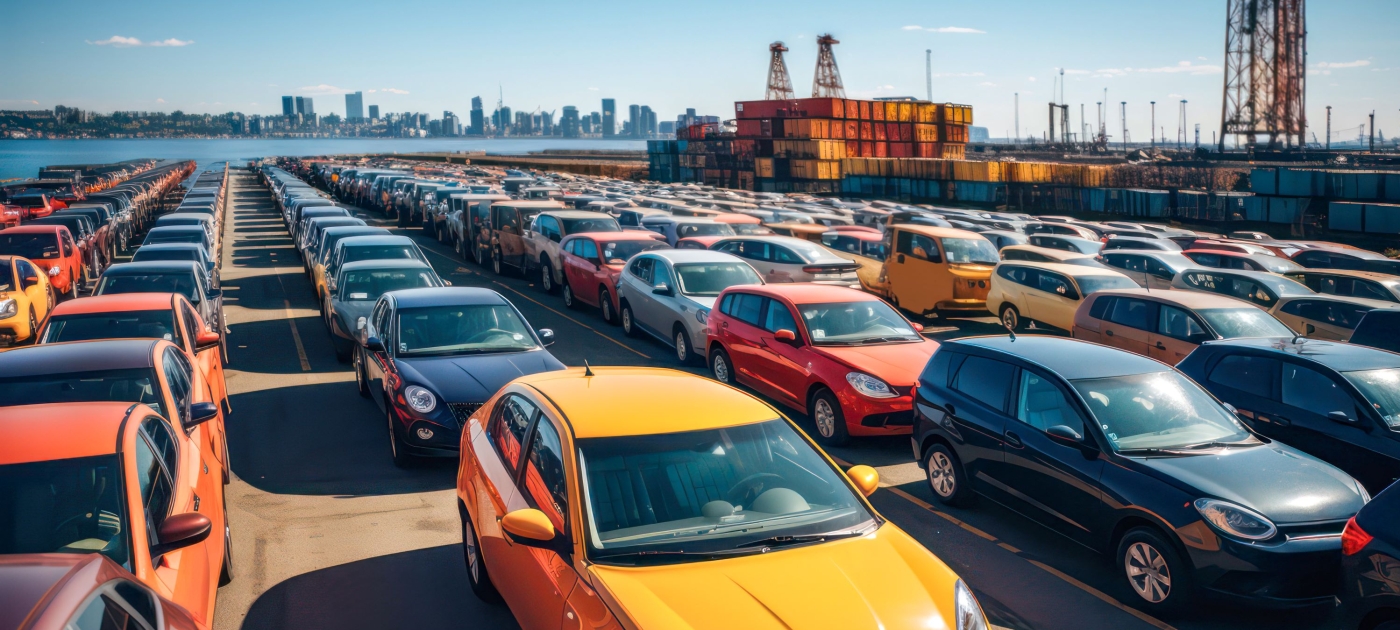
Every year, millions of used vehicles leave European ports bound for Africa. Many are of good quality. But a significant share arrives with faulty exhaust filters, failed brakes, non-functional airbags, or emission levels that would never pass a European inspection. For the families, commuters and taxi drivers who depend on them, these cars are not bargains – any money saved on the purchase price is soon swallowed up by endless repairs.
That is about to change. The European Parliament has given its final approval to new EU vehicle circularity rules covering a vehicle’s entire lifecycle – along with a ban on the export of high-emitting, unsafe used vehicles. EU member states must apply the rules and ban within five years; some states intend to move even sooner.
Adopted with a large majority – 437 votes – the regulation draws a line that no major exporting bloc had drawn before: vehicles unfit for European roads will not be shipped overseas.
From evidence to legislation
These rules did not emerge in a vacuum. Five years’ worth of evidence backed by the United Nations Environment Programme (UNEP) has documented the environmental toll of high-emission, unroadworthy vehicles, as importing countries have been sounding the alarm on road safety.
In 2020, UNEP launched a first-of-its-kind global report on the trade in used vehicles, followed in 2024 by a companion study on heavy-duty vehicles. The findings were eye-opening: used vehicles supply up to 90 per cent of fleets in many low- and middle-income countries – in Kenya and Nigeria, some 95 per cent of vehicles added to the roads each year are second-hand imports – and a significant share of those vehicles leaving EU ports are of poor quality.
When research conducted by the Netherlands into vehicles exported from its ports confirmed these findings, the European Commission turned to UNEP for support. UNEP helped develop the proposals behind three conditions now at the heart of the regulation: no export of vehicle wrecks (end-of-life or irreparably damaged vehicles), a valid roadworthiness certificate for every used vehicle shipped abroad, and EU assistance to help Global South import countries enforce their own standards at the point of export. The principle is simple: if a vehicle is not cleared to drive on Europe's roads, it should not be allowed on anywhere else's.
Why it matters
Transport is the world's second-largest source of greenhouse gas emissions – the sector was responsible for 8.4 gigatonnes of CO₂ equivalent in 2024, according to the UNEP 2025 Emissions Gap Report. The global vehicle fleet is predicted to almost double by 2050, with most of that growth happening in developing regions. This means that every substandard vehicle exported today locks in higher emissions and higher health costs for decades.
The human toll is already staggering: air pollution contributes to an estimated 7.9 million premature deaths each year, and road traffic deaths in Africa are nearly three times higher than in Europe.
That is why UNEP is working to make the three-part standard the global benchmark for all vehicle exports worldwide – an effort made possible by partners including the UN Road Safety Fund, the FIA Foundation, the Climate and Clean Air Coalition (CCAC) and the Government of the Netherlands.
Rules on both sides of the border
UNEP has always taken a dual approach to vehicle exports: it works with exporting nations to stop unsafe vehicles from leaving, and helps importing nations set and enforce their own standards. Ministers from the Economic Community of West African States (ECOWAS) adopted a binding framework in 2020 combining Euro 4/IV emissions standards with used vehicle age limits. In 2022, the East African Community (EAC) adopted common Euro 4-equivalent emissions standards for cars and light vehicles and Euro IV-equivalent standards for heavy-duty vehicles, covering both new and imported used vehicles. Similar UNEP-supported efforts are advancing in Southern and Central Africa.
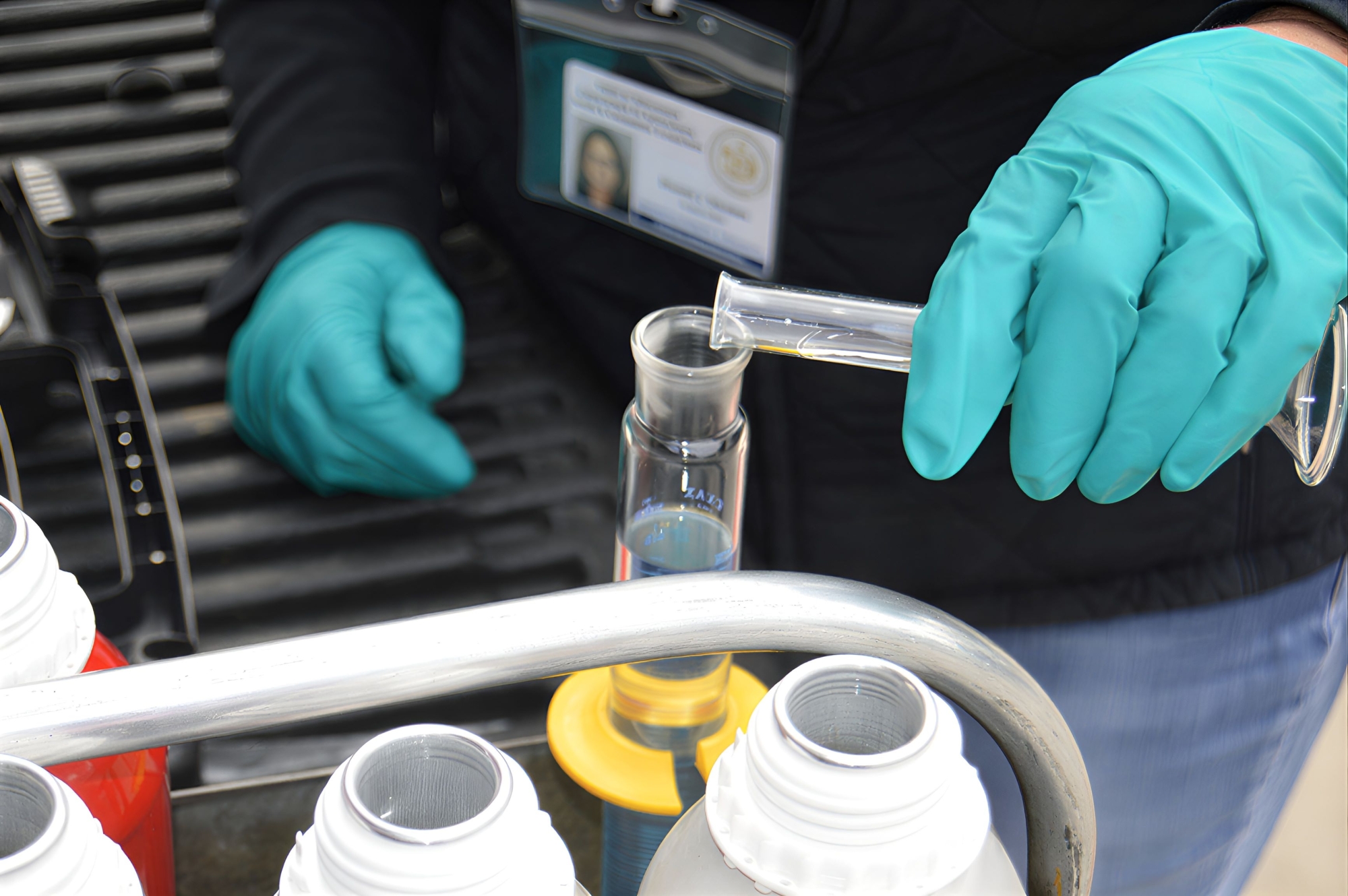
This work follows a "systems approach", matching fuel quality to vehicle technology, as cleaner vehicles only work properly when they are paired with sufficiently clean fuel. Diesel containing no more than 50 parts per million (ppm) sulphur supports Euro 4 vehicles, while ultra-low-sulphur diesel at 10 ppm enables the introduction of Euro 6 vehicles.
The logic is proven. When UNEP began working with countries to phase out leaded petrol in 2002, 82 countries still used the fuel. Today, leaded petrol in vehicles has been completely eliminated worldwide – delivering health and economic benefits valued at US$2.45 trillion annually.
Momentum is building on fuels, too. After reports revealed that European companies were shipping fuels with sulphur levels up to 150 times the EU domestic standard to West Africa, all three Benelux countries banned substandard fuel exports between 2023 and 2025.
A first mover — and a call to follow
"We welcome the EU’s actions in regulating the quality of used vehicles allowed to be exported to Africa. It is the first major exporter to address this issue, and that leadership matters," said Rob De Jong, Head of UNEP's Sustainable Mobility Unit.
China has recently introduced quality standards for its own used-vehicle exports, requiring inspections before shipment. For other major used-vehicle exporting countries such as Japan, the Republic of Korea, the United Kingdom and the United States, ensuring that their used-vehicle exports are at least roadworthy would enable a safe and environmentally sound used-vehicle market to flourish.
For Europe, the new rules mean that many vehicles once destined for export will now be recycled at home. For a commuter in Lagos or a taxi driver in Nairobi, they mean something more tangible: safer, cleaner vehicles on the road.
The era of exporting poor vehicles to the communities least equipped to bear the consequences is finally drawing to a close.