As the Bonn Climate Change Conference concluded with a call to scale digital and artificial intelligence (AI)-driven solutions, the Climate Technology Centre and Network (CTCN) has supported innovations that are already demonstrating how these ideas can work in practice.
“From drought-resistant farming systems to AI-powered early warning technologies, innovation is helping communities respond to increasingly unpredictable climate conditions”, said Ariesta Ningrum, Director, CTCN. “Yet too often, promising solutions stall at the pilot stage, unable to secure the investment needed to scale”.
Here are four examples of adaptation innovations supported by the Adaptation Fund Climate Innovation Accelerator (AFCIA) , in partnership with CTCN, making the journey from pilot to scale.
1. Digital crop insurance in Mongolia
Climate change is making Mongolia’s already harsh climate more unpredictable, increasing financial risks for livestock herders.
With support from CTCN, partners piloted a digital insurance product that allows farmers to submit photos via mobile phones, significantly speeding up claims assessment and payouts.
A US$200,000 pilot attracted US$7.5 million in follow-on funding from the Government of Canada and has the potential to benefit 3.4 million herders, representing around 30 per cent of Mongolia's population.
2. Transforming weather forecasting in Malawi
Following the devastation caused by Cyclone Freddy in 2023, Malawi needed faster, more reliable weather data.
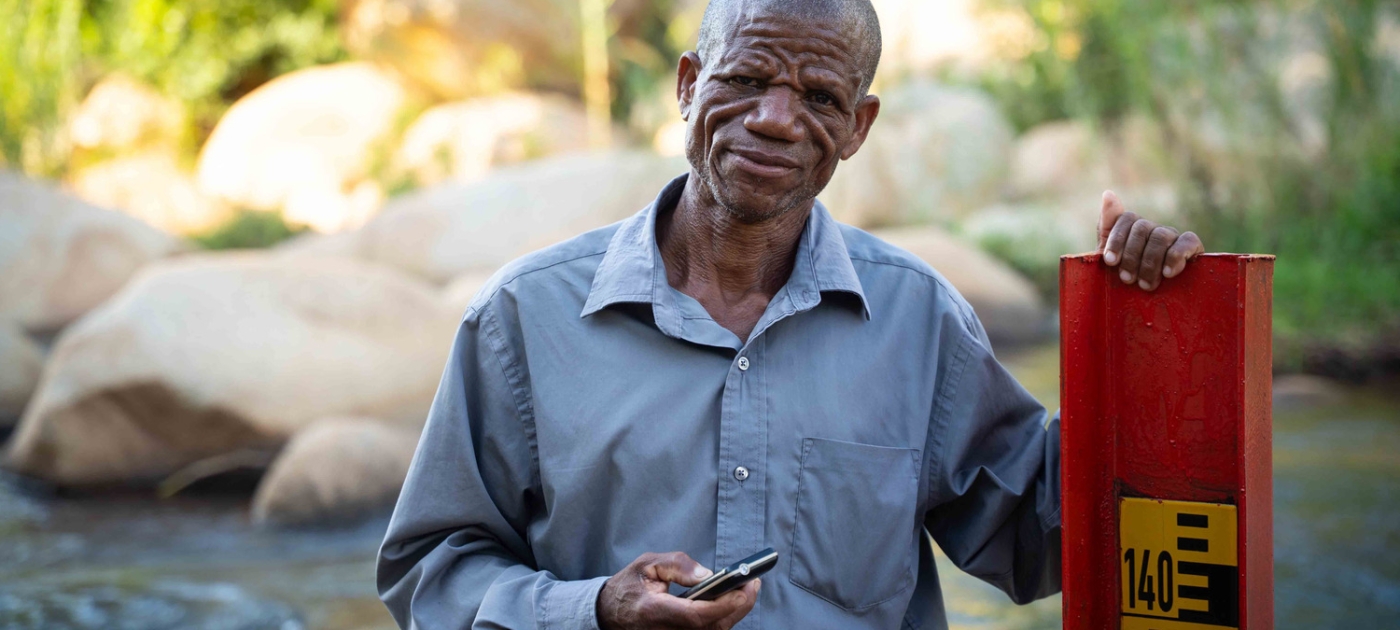
Paper-based reporting often delays data by weeks. AFCIA supported a new system that enables trained community observers to send daily rainfall and water-level data via free SMS, which is uploaded and analyzed using AI.
This provides near real-time information, improving forecasts and enabling more timely emergency responses.
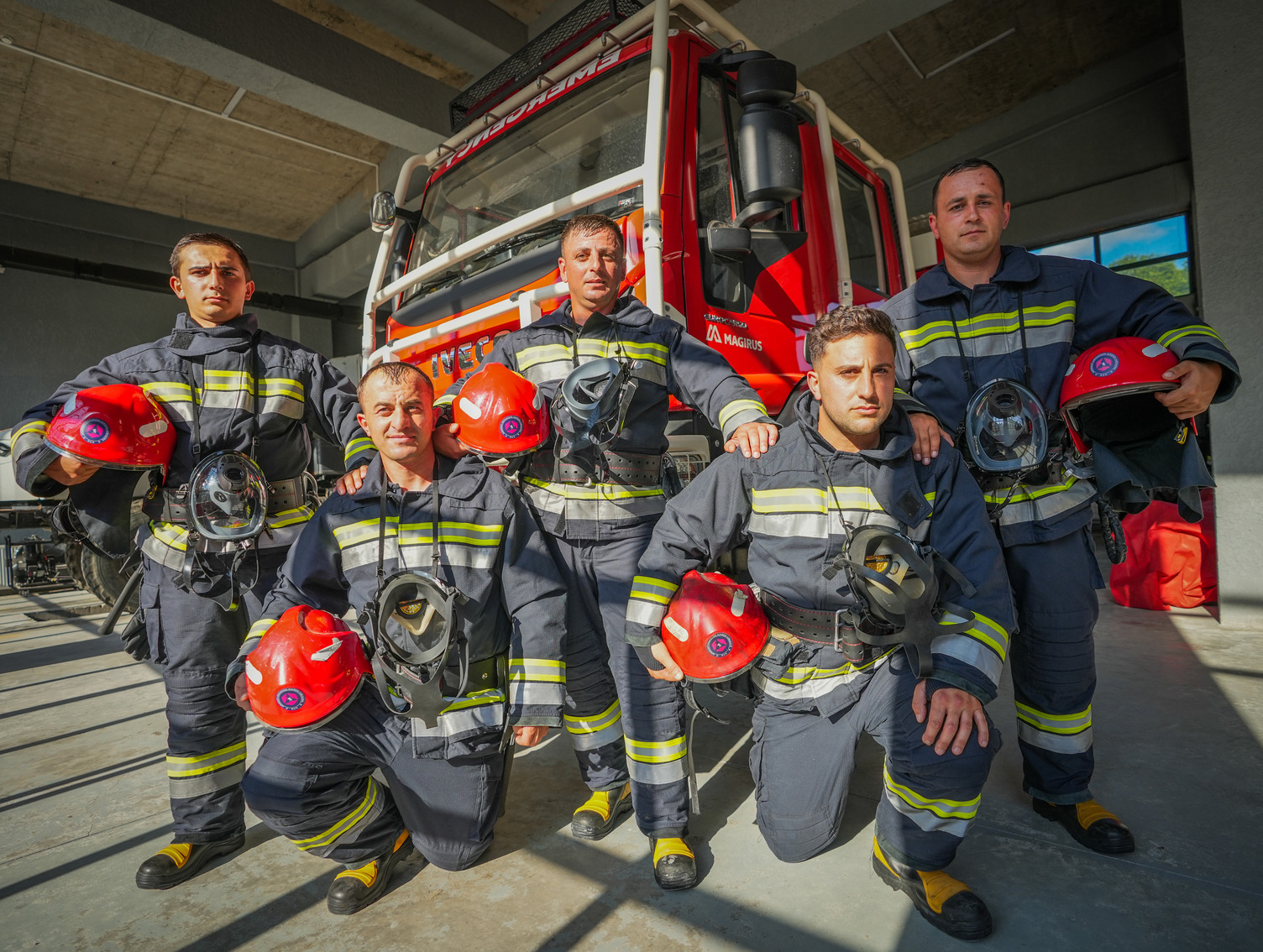
3. Tackling wildfires with AI technology in Georgia
Rising temperatures and drought are increasing wildfire risks in Georgia.
An early warning system combining solar-powered monitoring towers, satellite connectivity and AI detects small signs of smoke, while drones and digital mapping help responders act quickly.
The pilot led the Agency of Protected Areas to co-finance expansion, now covering approximately 12,000 hectares. The investment demonstrates how successful pilots can rapidly become embedded within national disaster management systems.
4. Portable flood barriers in Burundi
Flooding regularly destroys crops and livelihoods in Burundi. SLAMDAM is a portable flood barrier that can be rapidly deployed using water from nearby sources. Unlike sandbags, it can be installed quickly by two people and can store water for irrigation.
The pilot is now being scaled nationwide across 14 provinces.
From innovation to transformation
These examples show that adaptation innovation is not just about new technologies, but about solutions that can scale and attract investment.
With US$5 million invested across 25 innovations, the CTCN AFCIA programme has mobilized an additional US$17 million from public and private sources to scale impact.