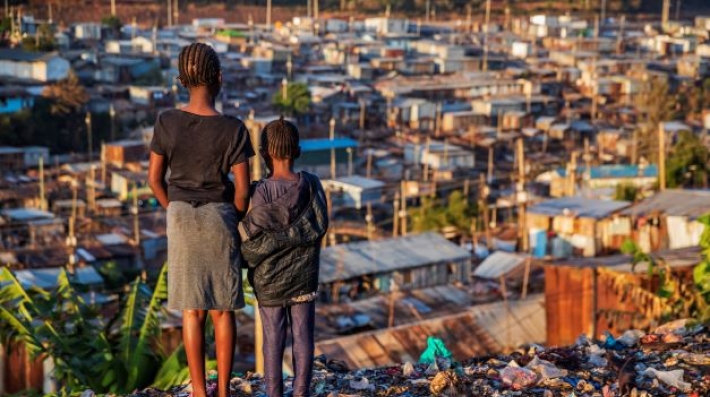
Wastewater is a growing threat to public health and the environment, with the wastewater sector being a significant contributor of planet-warming emissions. As the world’s population nears 10 billion, wastewater from homes, industry, and farms is expected to rise by up to 38 per cent (UNEP, 2023) by 2030.
The United Nations Environment Programme (UNEP) works with governments and communities to tackle the challenge of managing wastewater sustainably. Through the Global Wastewater Initiative (GWWI), a global partnership launched in 2013, UNEP has been supporting countries in finding solutions to wastewater pollution while creating new opportunities for health, energy and livelihoods.
One success story is unfolding in Sabah, on the southeast Asian island of Borneo.
Floating villages see real change
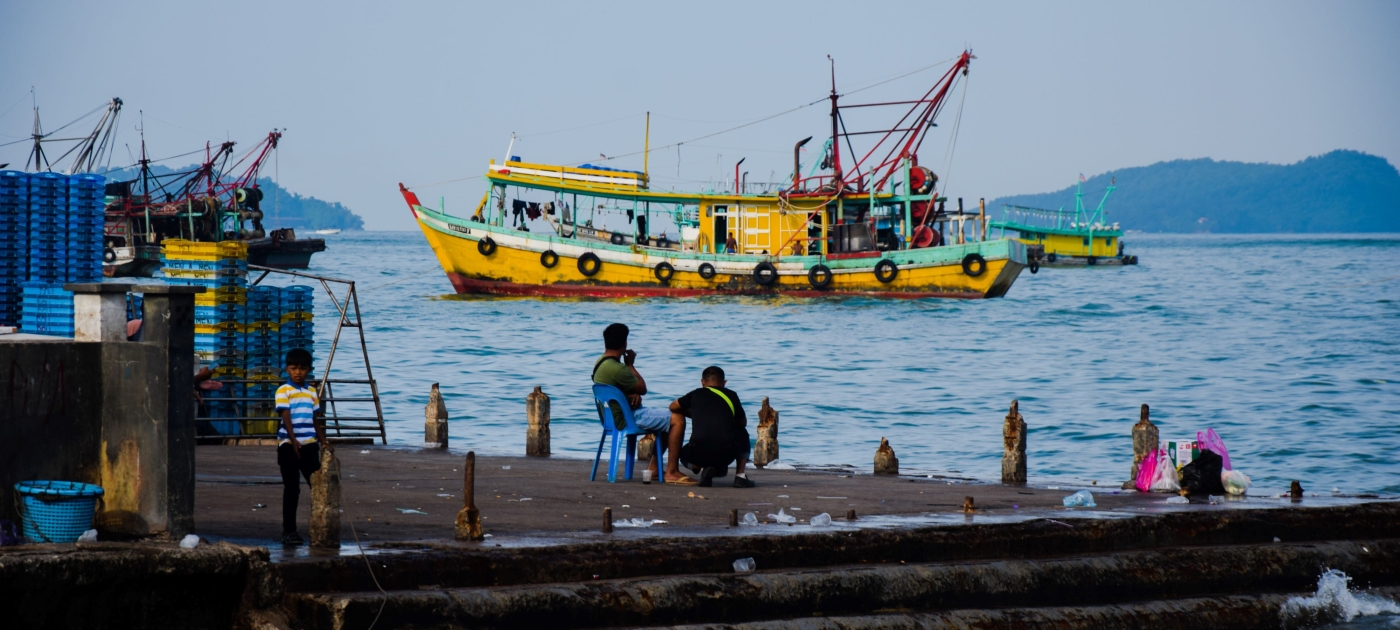
In Sabah, thousands of coastal families live in floating villages, many without basic sanitation. On initiative from local authorities, in 2024, UNEP, the United Nations Human Settlements Programme (UN-Habitat) and local partner ACT Malaysia, launched the third phase of an initiative to improve wastewater and sanitation services to these communities. Supported by the Malaysia-UN SDG Trust Fund, the initiative focused on the coastal village Lok Urai.
The 18-month initiative concluded this week with a two-day gathering of local authorities, community leaders, civil society, donors, and UN representatives. They celebrated the initiative’s achievements and explored how similar solutions could be scaled up in Southeast Asia.
Cleaner water, improved lives
In Lok Urai, more than 10,000 stilt houses once discharged raw sewage into the sea every day. To tackle this, the initiative installed more than 10 locally designed independent sewage treatment plants – small, energy-efficient units to treat wastewater on-site.
Six of these were installed at a community-run, Pusat Pembangunan Kemanusiaan Kanak-Kanak, which serves 330 students. In addition to preventing significant amounts of untreated sewage from polluting the ocean, the new sanitation facilities improved sanitary conditions, especially for girls, and boosted school attendance by 65 per cent since the initiative’s first phase began in 2020. Today, 56 per cent of students who are girls can now attend school with dignity.
“Over 330 students are happy to come to school every day and especially the girls, who can now safely use the comfortable toilet facilities,” said Normina Binti Abdul, Lead Volunteer Supervisor for Pusat Pembangunan Kemanusiaan Kanak-Kanak. “The students’ attendance has significantly increased, thanks to the beautiful and clean sanitary conditions. Everyone is proud to help reduce wastewater pollution.”
Job creation and local empowerment
Beyond improving health and the environment, the initiative is creating jobs and boosting local economies. Thanks to improved living conditions in the village, eco-friendly businesses have started flourishing, including eco-homestays promoting tourism and a fish fair-trade social enterprise.
The initiative also trained community leaders to operate and maintain the wastewater treatment systems and monitor water quality, building skills and sharing knowledge in the community.
“Integrated solutions that link environmental protection, health, and income generation are not only affordable—they are essential,” said Doreen Robinson, Deputy Director, Ecosystems Division, UNEP, before adding: “The promising results in Lok Urai provide a practical blueprint to demonstrate that scalable solutions for protecting marine ecosystems in areas with floating villages do exist and people are embracing them and continuing to apply, learn, and innovate.”
An inspiring example for floating communities
The initiative also worked with the Sabah local authorities to support policies on wastewater and sanitation. It’s a model that can be replicated in other coastal communities.
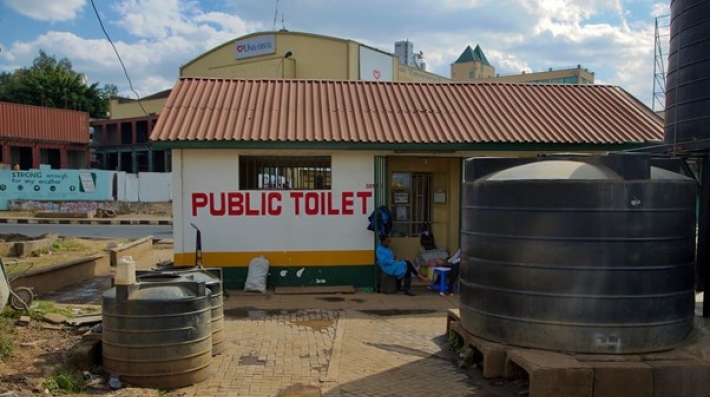
“This initiative shows that remote communities can adopt cost-effective and climate-resilient sanitation systems,” said Kazuko Ishigaki, Director of UN-Habitat Regional Office for Asia and the Pacific. “Tailored independent sewage treatment plants help reduce untreated wastewater discharge, conserve biodiversity, and even enhance schooling attendance by offering a more conducive learning environment. The community-driven approach of the initiative, blending affordable technology and local ownership, protects the fragile coastal ecosystems as much as it improves health.”
The initiative also helps protect the Tunku Abdul Rahman Park, a marine reserve made up of five islands spreading over 5,000 hectares, with rich biodiversity. By reducing pollution, the initiative supports Target 7 of the Kunming-Montreal Global Biodiversity Framework, helping bring down wastewater pollution levels to safe thresholds to protect nature.
For further information: riccardo.zennaro@un.org