

News
Type: Ecosystems
Showing 26 - 50 of 95
95 results found
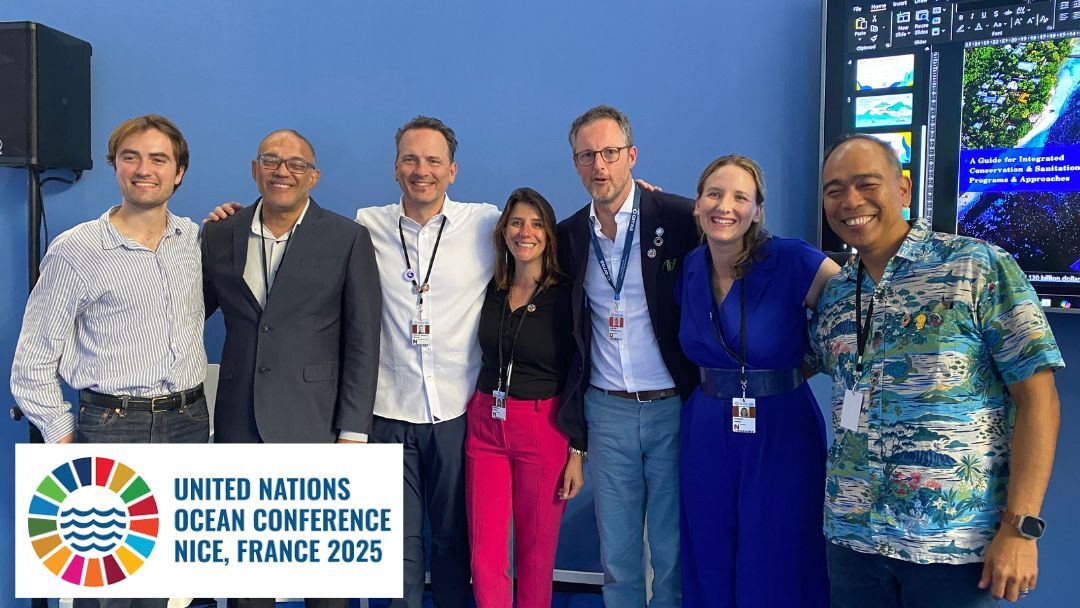
At the recent United Nations Ocean Conference in Nice, France, Christopher Corbin, Coordinator of the UNEP Cartagena Convention Secretariat delivered a powerful message: Sargassum inundations are no longer occasional, with major events reported annually across the Caribbean. from the Mexican Caribbean and Central America to the Dominican Republic, Guadeloupe, Barbados, Grenada, and Colombia.
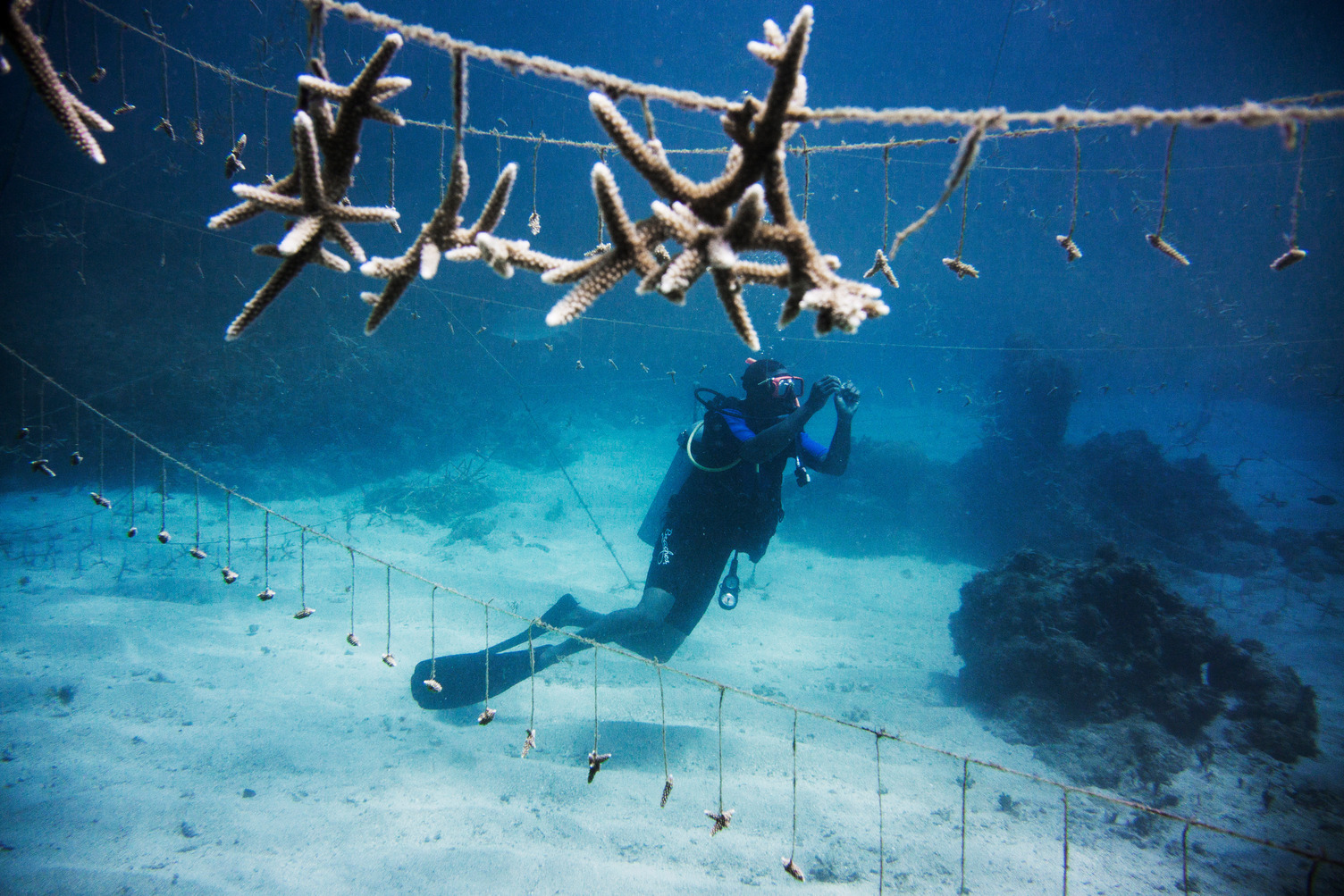
The Cartagena Convention Secretariat is proud to announce the 25th anniversary of the entry into force of the Protocol Concerning Specially Protected Areas and Wildlife (SPAW Protocol) being observed today, June 18, 2025. This significant milestone marks a quarter century of dedicated efforts to conserve and sustainably manage the rich and fragile marine and coastal biodiversity of the Wider Caribbean Region.

Message from Christopher Corbin, Coordinator Cartagena Convention Secretariat, Ecosystems Division

Message from Chris Corbin on the Observance of Jamaica’s Labour Day, May 23, 2025 UNEP Congratulates Government on Environmental Focus for Labour DayEncourages Ratification of Cartagena Convention SPAW Protocol

We’re Hiring! We are excited to have you join our team!We are seeking a Programme Management InternThe post is located within UNEP-Cartagena Convention Secretariat, Kingston, Jamaica, under the GEF CReW+ Project, which falls under the Assessment & Management of Environmental Pollution (AMEP) sub-programme. Under the overall supervision of the Coordinator and the direct supervision of the Programme Management Officer/Regional Project Coordinator,

UK and UNEP Join Forces with Jamaica to Tackle Marine Pollution Threatening Coastal Livelihoods and Food SecurityInitiative set to enhance water quality and unlock sustainable growth in Jamaica’s blue economy

We are Hiring! We are excited to have you join our team!We are seeking a Programme Management Assistant

UNEP Cartagena Convention Secretariat, as the administrative body responsible for coordinating and facilitating the implementation of the Cartagena Convention, has been leading several environmental projects in the Caribbean region and has witnessed firsthand the growing concern over plastic pollution—particularly its devastating impact on Caribbean oceans, communities, and local economies.

The UNEP Cartagena Convention Secretariat is inviting organizations and individuals to complete our Observer Information Request Form.

We are Hiring! We are excited to have you join our team!We are seeking a Programme Management Assistant

Title: Leveraging Interlinkages Between the Biological Diversity of Areas Beyond National Jurisdiction (BBNJ Agreement) and Related Multilateral Environmental Agreements (MEAs)Date: 18 March 2025 Time: 15:00 – 16:30 (EAT, UTC+3)Register hereObjectives

From 18-20 March 2025, a joint meeting of the Specially Protected Areas and Wildlife (SPAW) Sargassum Working Group and the Open-Ended Working Group on Land-Based Sources of Pollution (LBS) was successfully convened at the Institute of Marine Affairs (IMA) in Trinidad and Tobago.

We are Hiring! We are excited to have you join our team!The UNEP Cartagena Convention Secretariat is seeking a consultant, ideally based in Grenada, to support the Ministry of Climate Resilience, the Environment and Renewable Energy (MoCRERE) in their implementation of the GEF CReW+ Project by defining the specific national-level activities in Grenada.

We are Hiring! We are excited to have you join our team!We are seeking a Programme Management Assistant

On February 2, 2024, the world celebrated World Wetlands Day, a reminder of the crucial role wetlands play in sustaining biodiversity, mitigating climate change, and supporting local livelihoods. For the Caribbean, these ecosystems—including mangroves, seagrasses, and coastal swamps—act as natural storm barriers, provide habitats for marine life, and drive economic activities like fishing and tourism. However, waste pollution remains a major threat to their survival.

We are Hiring! We are excited to have you join our team!We are seeking a REPORT WRITER- Consultant.This position is located within the Cartagena Convention Secretariat, Ecosystems Division and under the overall supervision of AMEP and SPAW Programme Officers.

The Caribbean Water and Wastewater Association (CWWA), in collaboration with the Institute of Marine Affairs (IMA) of Trinidad and Tobago and the Royal Agricultural University, is pleased to invite you to a virtual workshop entitled

As we celebrate World Wetlands Day 2025, (Sunday, February 2) under the theme “Protecting Wetlands for Our Common Future”, we recognize wetlands' critical role in sustaining biodiversity, human well-being, and climate resilience. In the Caribbean, these ecosystems provide essential services such as water purification, flood regulation, carbon sequestration, and coastal protection while supporting many communities' livelihoods through fisheries, tourism, and agriculture.

Waste management, plastic pollution reduction, and circular economy approaches were some of the issues that took the spotlight when Taylor Clayton, Regional Project Manager and Alejandra Gamez, Project Associate of the United Nations Environment Programme (UNEP) Cartagena Convention Secretariat met with authorities at the St James Municipal Corporation (SJMC) in Jamaica recently. The municipality, in partnership with UNEP plans to embark on an

The High Seas Alliance, in collaboration with the UNEP Cartagena Convention Secretariat, is proud to host the Caribbean Regional BBNJ Conference.

Mr. Christopher Corbin, Coordinator of the UNEP Cartagena Convention Secretariat participated in a Counter Pollution Workshop organized by the Maritime and Coast Guard Agency of the United Kingdom from 27-29th November in Miami, Florida. The workshop, while targeting primarily UK Overseas Territories also afforded an opportunity for sharing of experiences and best practices of neighbouring countries in the Wider Caribbean Region.

UNEP Cartagena Convention Secretariat's Participation in BBNJ Workshops for the Caribbean and Latin America in Belize and Chile

We are pleased to invite you to the final two webinars in the “Resilient Islands: Zero Waste and Circular Caribbean” series, which has been running since January 2024.

We’re excited to share that at CBD COP16, Susan Gardner, Director of the UNEP Ecosystems Division, has officially signed the Memorandum of Understanding (MOU) that will create the Ocean Coordinating Mechanism (OCM) for the Wider Caribbean Region, in the presence of Patrick Debels, Coordinator of the PROCARIBE+ Project.

Towards greater engagement of regional research, academic, environment, and economic institutions in addressing climate change challengesGood governance of the ocean cannot be achieved by States acting individually.
Showing 26 - 50 of 95

CEP was established in 1981 as part of the Regional Seas Programme in recognition of the importance and value of the Wider Caribbean Region’s fragile and vulnerable coastal and marine ecosystems including endemic plants and animals.