The United Nations Environment Programme (UNEP) has supported a wide range of projects and initiatives in Colombia over the last 20 years, working on topics related to sustainable consumption and production, climate change mitigation and adaptation, environmental governance, disaster risk reduction, ecosystem management and conservation, and integrated environmental assessments.
Since the Peace Accord between the Government of Colombia and the Revolutionary Armed Forces of Colombia (FARC in Spanish), Colombia has entered a post-conflict phase, and a new chapter has opened in the supporting efforts of UNEP.
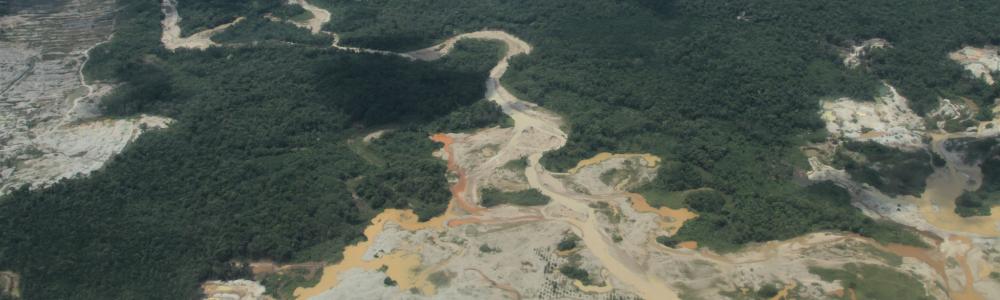
Colombia’s conflict has had several negative impacts on the environment. In the last decades different armed groups and criminal gangs gained control over large parts of the territory, where they exploited natural resources or taxed extraction to finance their operations. As a consequence, environmental destruction from unregulated extraction of minerals and other natural resources, illicit crops, deforestation and the unregulated use of hazardous chemicals like mercury has taken place.
Peace offers the opportunity for Colombia to realise the potential of its unique and immense natural resources. If managed properly and wisely, nature can be an important source of wellbeing, prosperity and peace. Hence, in 2016, the Government of Colombia requested the support of UNEP to help the country in realising the environmental dividends of peace.
In response to that request, UNEP conducted a series of missions to define, together with the Colombian government and other partners, the areas where UNEP could support the implementation of the peace agenda, post-conflict recovery, and sustainable development.
As a result of the UNEP missions, initial support in the post-conflict phase will include:
- Technical recommendations and training for the effective implementation of peacebuilding projects;
- Strategic environmental assessments of post-conflict interventions;
- Advice on measures to improve social, economic and environmental conditions for the extractive sector and to remediate damage caused by illegal operations; and
- Strengthening of the institutional and technical capacities for the Participatory Territorial Planning and Monitoring, which includes improving public access to environmental information.
Find out more about UNEP's work in Latin America and the Caribbean.