Summary
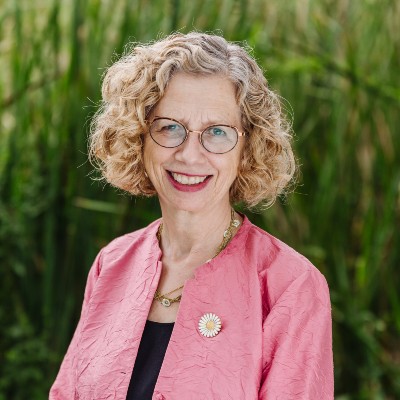
In scene-setting remarks, Ms Inger Andersen, Executive Director of UNEP, emphasized that environmental, economic and human health are inseparable and should be understood as “chapters of one story.” She stressed that reactive approaches to environmental harm are costly and insufficient, and called for decisions that restore ecosystems, shift production and consumption towards circularity, and redirect finance towards prevention and resilience. She underscored that addressing climate change, biodiversity loss and pollution at source is fundamental to safeguarding health, reducing inequality and protecting development gains.
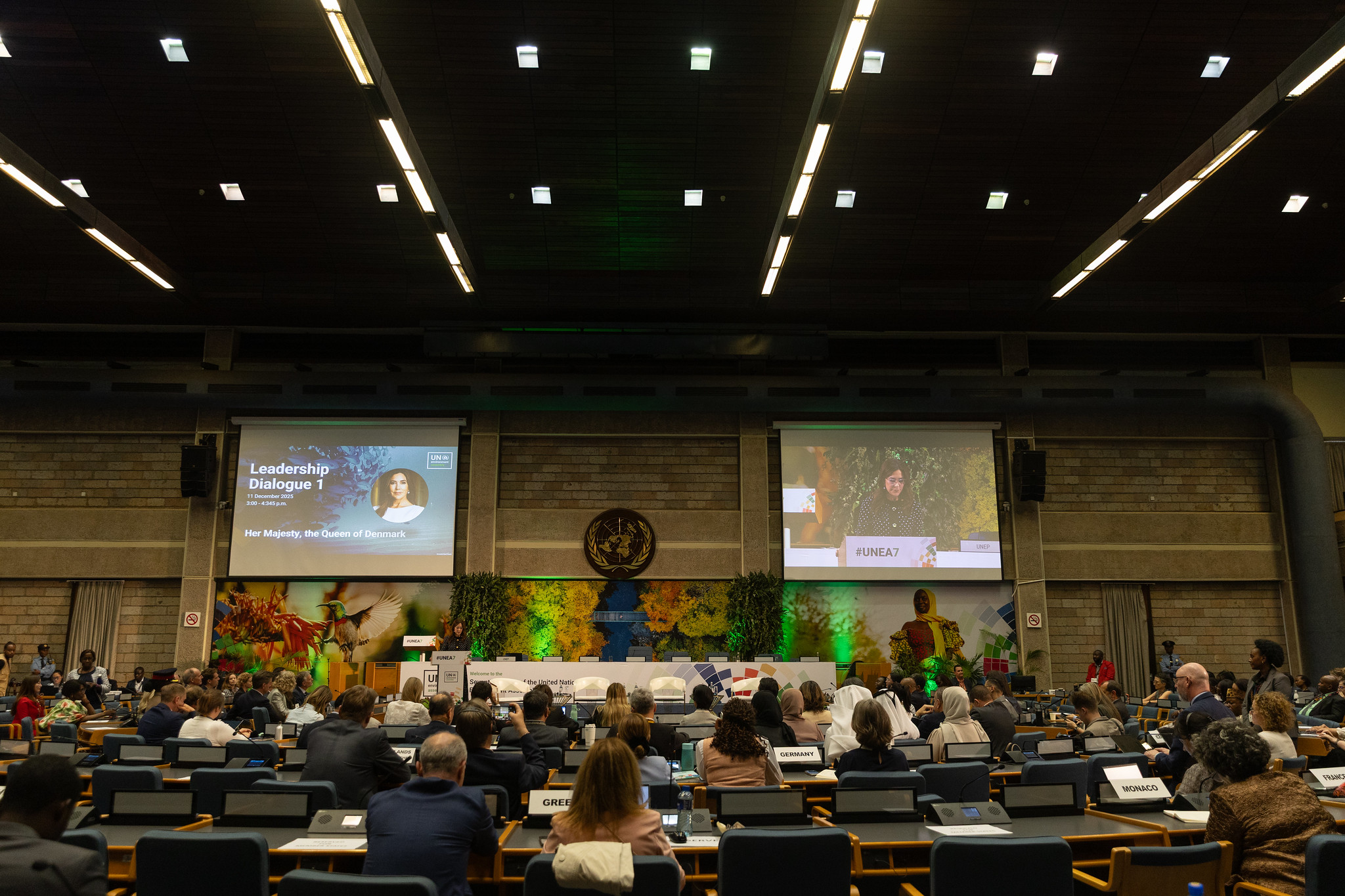
Her Majesty Queen Mary of Denmark, UNEP Patron of Biodiversity, highlighted the profound links between nature and human wellbeing, noting that environmental degradation and climate impacts disproportionately affect vulnerable communities, women and children. She emphasized the importance of grounding action in science, Indigenous knowledge, adaptation and nature-based solutions, and recalled the global response to ozone depletion as a powerful example of how collective, preventive action can deliver lasting benefits for health and the environment.
Leadership dialogue 1 was moderated by Ms Antoinette Taus, singer and UNEP Goodwill Ambassador, who framed prevention as a unifying principle for policy coherence across environment, health, food, water and economic systems. The discussion underscored that preventing environmental harm is more effective and less costly than responding to crises after they occur, and that health outcomes must be integrated into environmental decision-making at all levels.
Mr Steven Victor, Minister of Agriculture, Fisheries and the Environment of Palau, highlighted how preventive action rooted in integrated governance can strengthen resilience, drawing on examples linking ocean health, food security, water management and community wellbeing. He stressed that aligning climate, biodiversity and pollution policies with health objectives enables countries to reduce risks while supporting sustainable livelihoods.
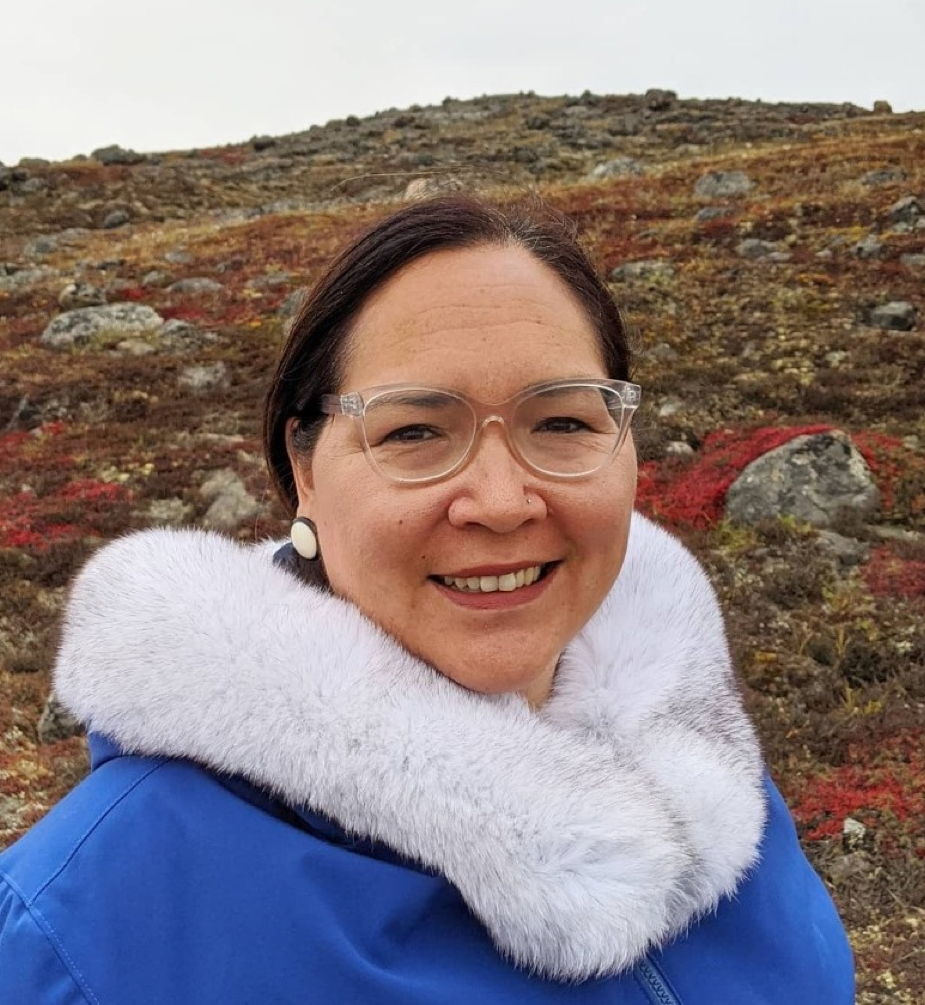
Ms Aluki Kotierk, Chair of the United Nations Permanent Forum on Indigenous Issues, emphasized the deep interconnections between nature, culture and human health, and underscored the need to respect, protect and integrate Indigenous knowledge systems alongside scientific evidence. She highlighted that inclusive governance and recognition of Indigenous stewardship are essential for effective prevention and long-term resilience.
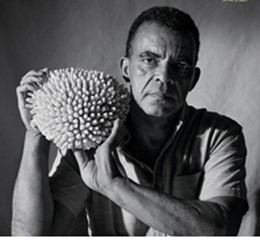
Mr David Obura, Chair of the Intergovernmental Science-Policy Platform on Biodiversity and Ecosystem Services (IPBES), emphasized that biodiversity loss directly undermines ecosystem services that support health, food systems and livelihoods. He called for investment in knowledge systems, integrated governance and economic models that prioritize long-term resilience over short-term gains.
Messages from the floor converged around four themes. First, participants emphasized the need to reduce pollution at source and strengthen environmental governance to protect health, including through improved monitoring, enforcement and risk communication. Second, participants highlighted resilient water, sanitation and food systems as central public-health priorities, including through nature-based solutions, healthy diets and locally led innovation. Third, participants stressed the importance of early-warning systems, preparedness and climate-informed planning to reduce health impacts from extreme events and slow-onset environmental change. Fourth, participants underscored inclusive, whole-of-society approaches that protect vulnerable groups, empower communities and strengthen local resilience.
Overall, participants reaffirmed that safeguarding human health requires decisive, preventive action to address environmental degradation. They emphasized that science-based decision-making, inclusive governance and sustained investment in prevention are essential to reduce risks, strengthen resilience and deliver lasting health and environmental benefits for present and future generations.