Summary
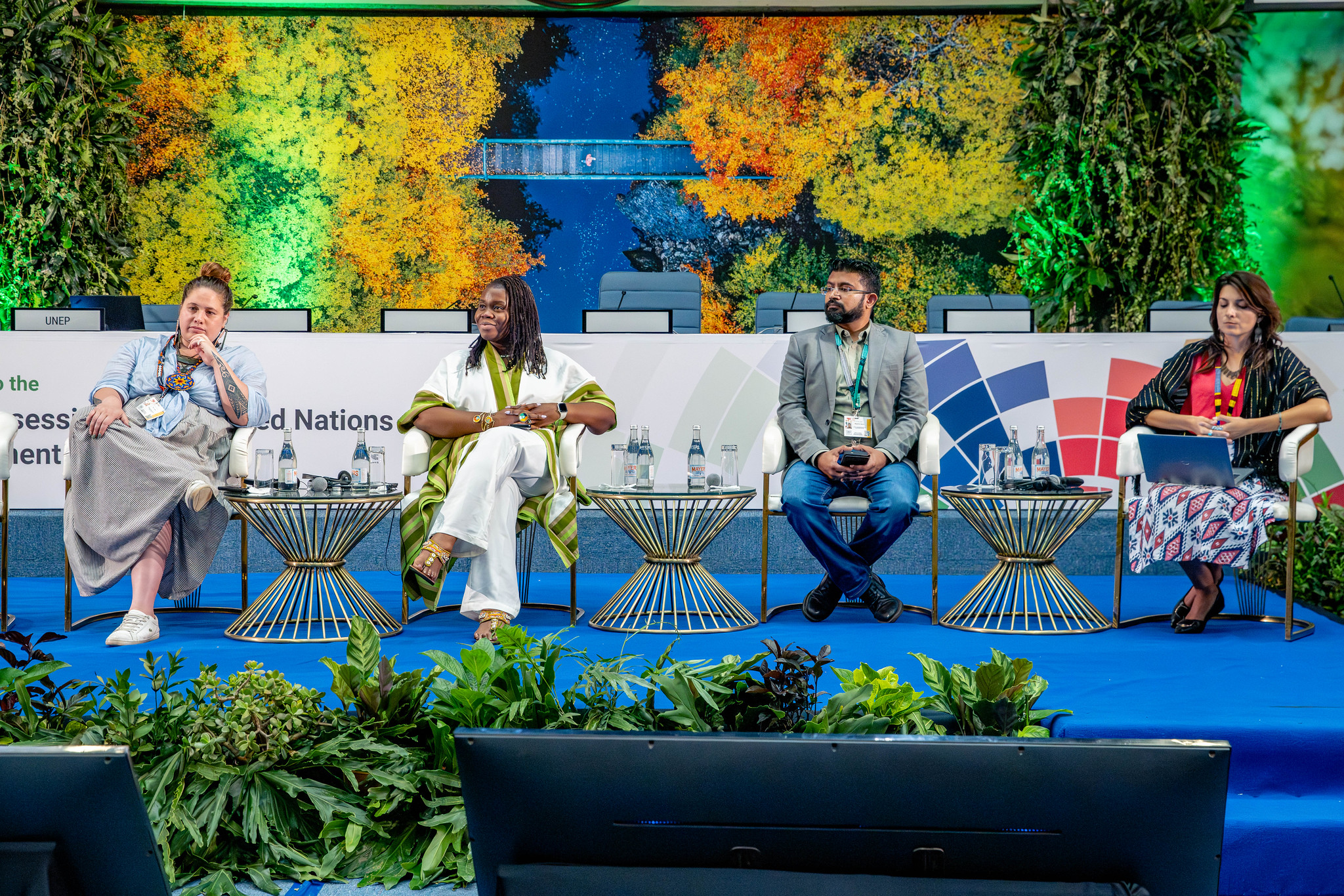
Partnerships and multistakeholder collaboration is no longer optional — it is essential. It is a prerequisite for outcomes that are effective, legitimate and implementable in the multilateral environmental arena. Participants emphasized that today’s environmental challenges are complex, interconnected, and socially embedded. As such, solutions must be cross-sectoral, collaborative, and inclusive. No single institution or sector can tackle these challenges alone. What is required are integrated approaches, not siloed interventions.
Participants underscored that resilience in the face of accelerating environmental crises can only be achieved through inclusive, cross-sectoral partnerships that meaningfully engage governments at all levels, civil society, Indigenous Peoples, youth, the private sector, academia, and local communities. The dialogue affirmed that environmental governance is strongest when it is inclusive, participatory, and grounded in the lived realities and solutions of people and communities across the world. Solutions that address our shared environmental challenges must be co-created, both bottom-up and top-down, ensuring they serve all who are affected by them.
Speakers also highlighted persistent barriers: uneven progress on the ground, limited financing, weak institutional capacities, competing priorities, and insufficient coordination among sectors and governance levels.
In summarizing the outcomes of the dialogue, one conclusion stood out: solutions for a resilient planet can only be resilient when they enjoy shared ownership and shared ownership requires co-creation.