Summary
The dialogue focused on the implications of environmental and climate risks for financial stability, fiscal space and development pathways. Participants emphasized that environmental degradation was increasingly material to macroeconomic outcomes and that coherent, system-wide measures were needed to steer public and private finance towards sustainable economies aligned with environmental and social objectives.
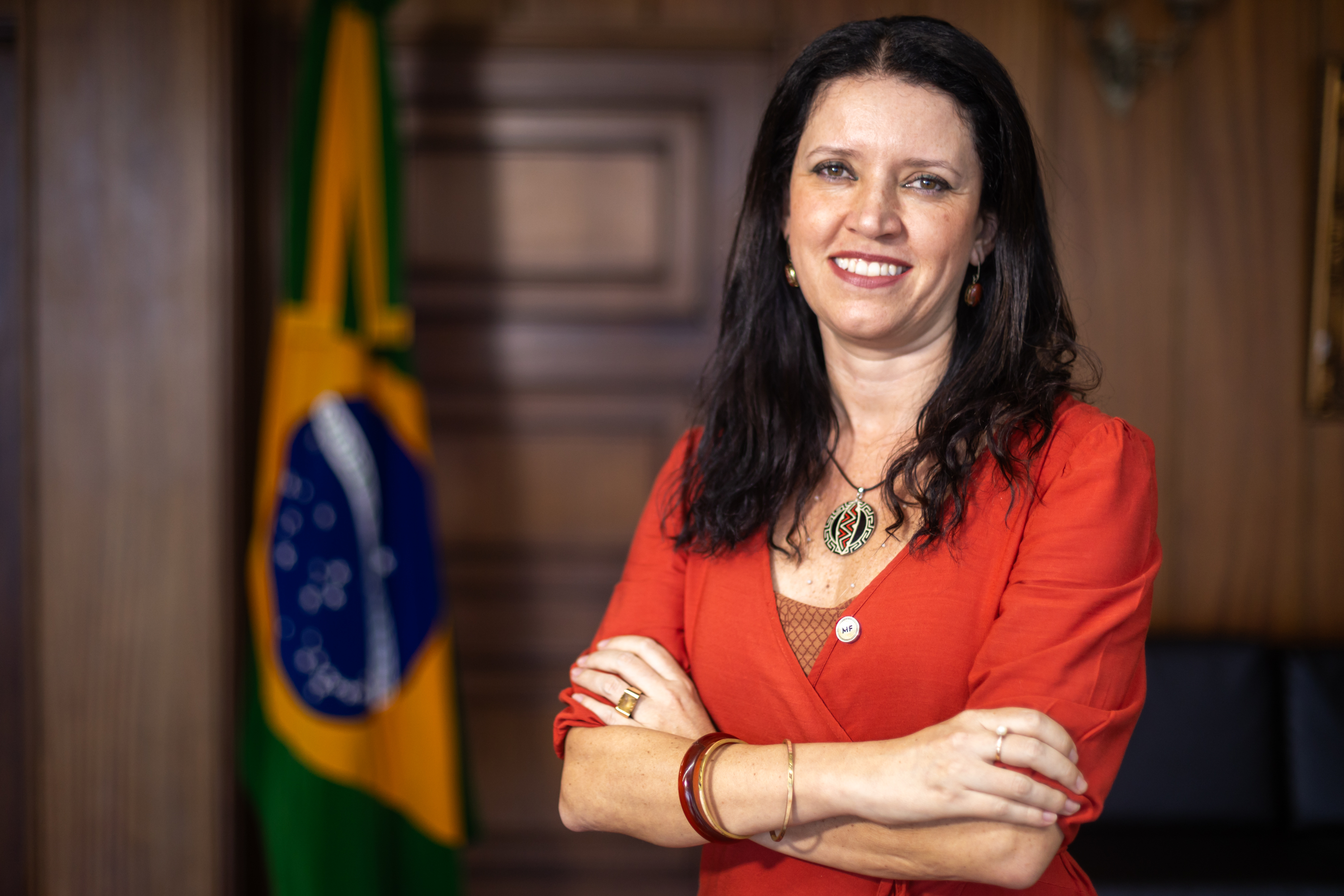
The discussion was moderated by Ms. Attiya Waris, United Nations Independent Expert on Foreign Debt and other Related International Financial Obligations and Professor at the University of Nairobi, who emphasized that financial reform must support resilience and equity and that countries require policy space to invest in prevention, adaptation and nature. Ms. Pia Bernadette Roman Tayag, Assistant Governor and Chief Sustainability Officer of the Bangko Sentral ng Pilipinas, highlighted the role of central banks and regulators in integrating climate and nature-related risks into supervision, disclosure and incentives, and in supporting the scaling-up of sustainable finance. Ms. Cristina Reis, Secretary of Carbon Markets at the Ministry of Finance, Brazil, highlighted how governments can develop sustainable finance measures such as science-based taxonomies to address strategic environmental and social objectives through structural transformation across high-impact sectors.
Guest speakers highlighted how sustainable finance frameworks, including taxonomies and credible standards, can help channel finance towards mitigation, adaptation and nature-positive outcomes while strengthening transparency and reducing greenwashing risks. They also emphasized the urgency of scaling up accessible and affordable finance for adaptation and resilience, including through international cooperation to lower the cost of capital. 51 UNEP/EA.7/21
Messages from the floor emphasized four priority areas. First, participants underscored integrating climate and nature-related risks into financial decision-making through improved data, metrics, disclosure and tools such as scenario analysis and stress testing. Second, participants emphasized clear, long-term policy signals to crowd in private capital and improve risk pricing. Third, they highlighted the need to scale finance for mitigation, adaptation and nature, including through blended finance and risk-sharing approaches, particularly for vulnerable contexts. Fourth, participants emphasized integrity, comparability and interoperability across frameworks to reduce greenwashing and support a just transition.
Overall, participants emphasized that addressing environmental degradation is integral to financial stability and sustainable development, and called for stronger coordination among finance ministries, central banks, regulators and line ministries, supported by international coherence and cooperation.