Preventing, controlling and managing pollution is central to improving health, human well-being and prosperity for all.
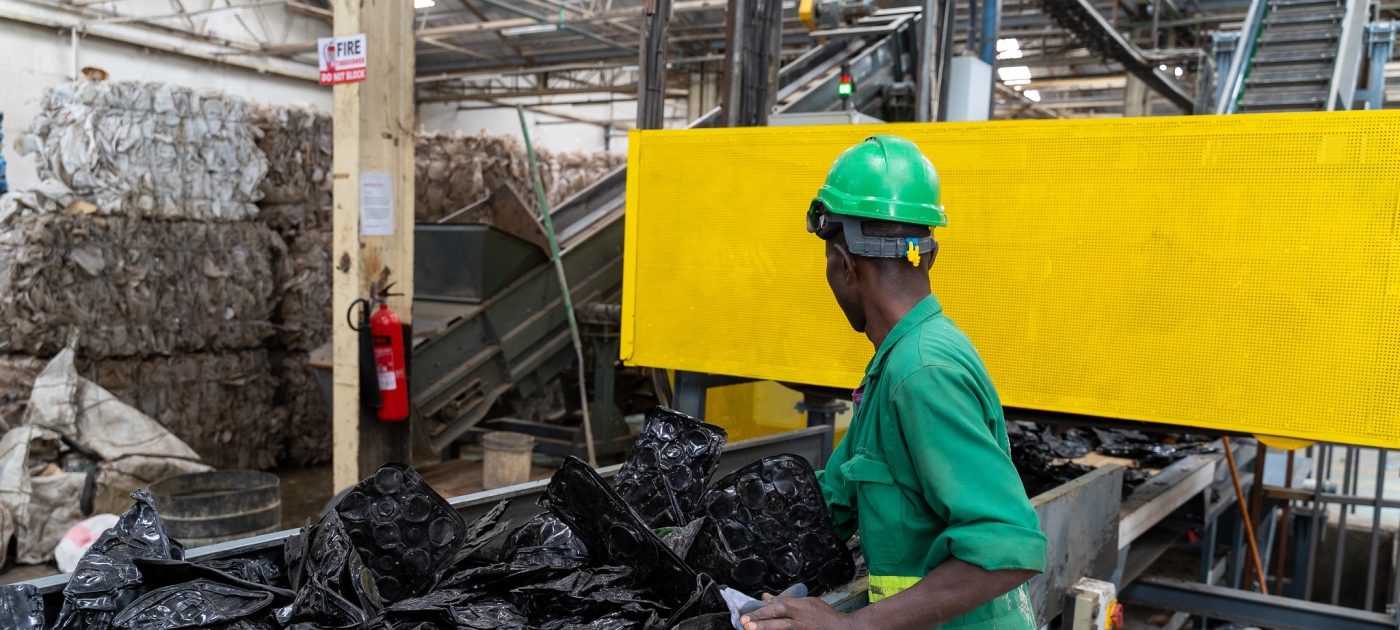
UNEP drives capacity and leadership in sound management of chemicals and waste while working to improve ways to reduce waste through circularity and pollutants released to the air, water, soil and the ocean.
04 Nov
2025
10:00
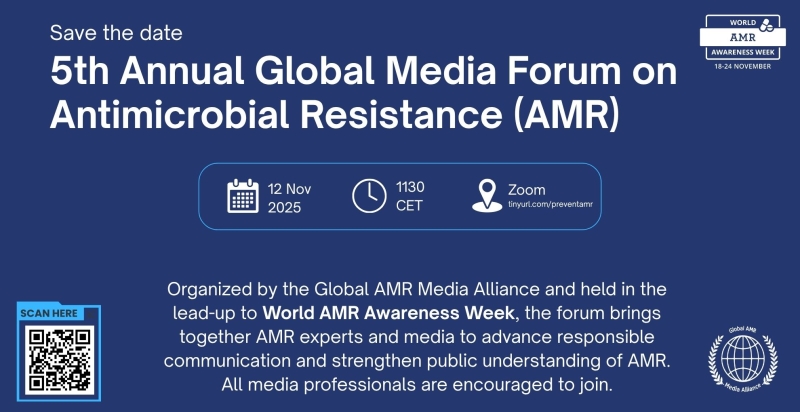
Join the 5th Annual Global Media Forum on #AntimicrobialResistance
Registration is now open for the 5th Annual Global Media Forum on #AntimicrobialResistance, ahead of World #AMR Awareness Week.
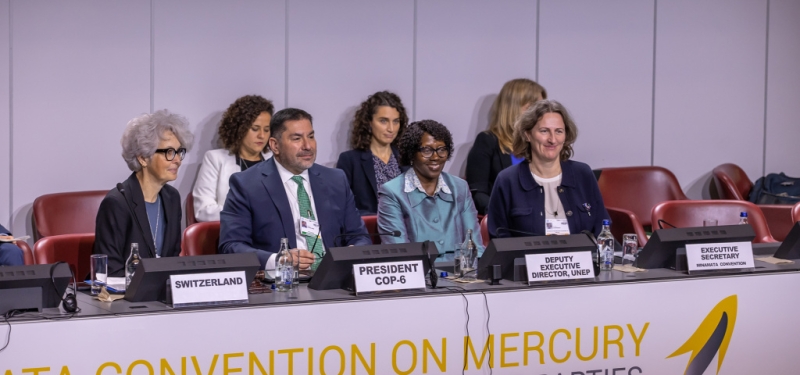
COP-6 will consider measures to curb the illegal trade of mercury and strengthen control of its supply and compounds; review progress on artisanal and small-scale gold mining (ASGM), which remains the largest source of global mercury emissions, and assess the enforcement of the ban on mercury-added skin-lightening products.
All plenary sessions, including the opening and closing ceremonies, are being live streamed on the Convention’s website in the six official UN languages.
29 Oct
2025
16:08
4 reasons why preventing pollution is good for you and your economy
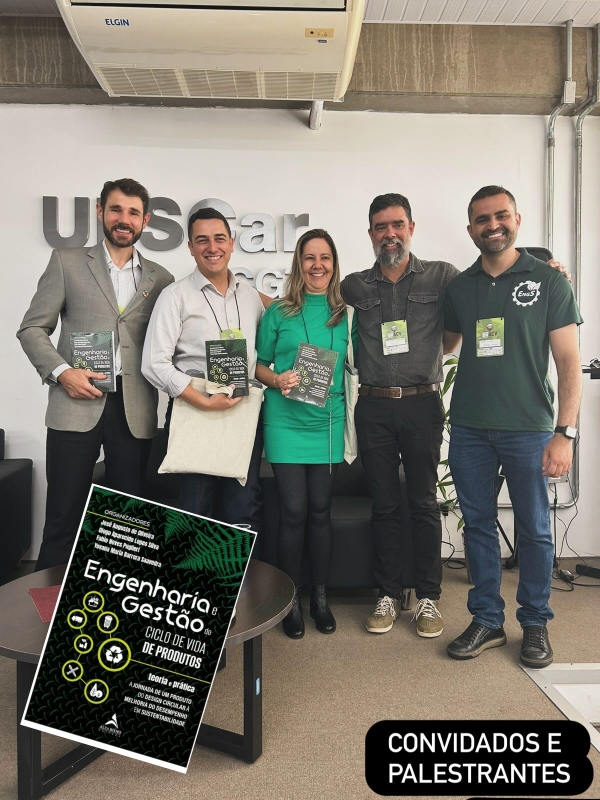
Policymakers’ Guide to Life Cycle Assessment launched in Portuguese in Brazil
Credit: UNEP
The Portuguese version of the Policymakers’ Guide to Life Cycle Assessment – Policy Brief, developed by UNEP’s Life Cycle Initiative, was launched during the 4th Brazilian Forum on Life Cycle Assessment held from 7–9 October at the Universidade Federal de São Carlos, in Brazil.
The policy brief supports governments and stakeholders in integrating life cycle thinking into national policies and strategies for a more sustainable and circular future.
UNEP will host activities and events to promote the phase-out of mercury use in sectors such as mining and cosmetics through policymaking, industry transformation and awareness raising. A photographic exhibition in the sides of Lake Geneva and the screening of the Senegalese film Timpi Tampa defying toxic beauty ideals are some of the public activities in the agenda.
09 Oct
2025
11:16
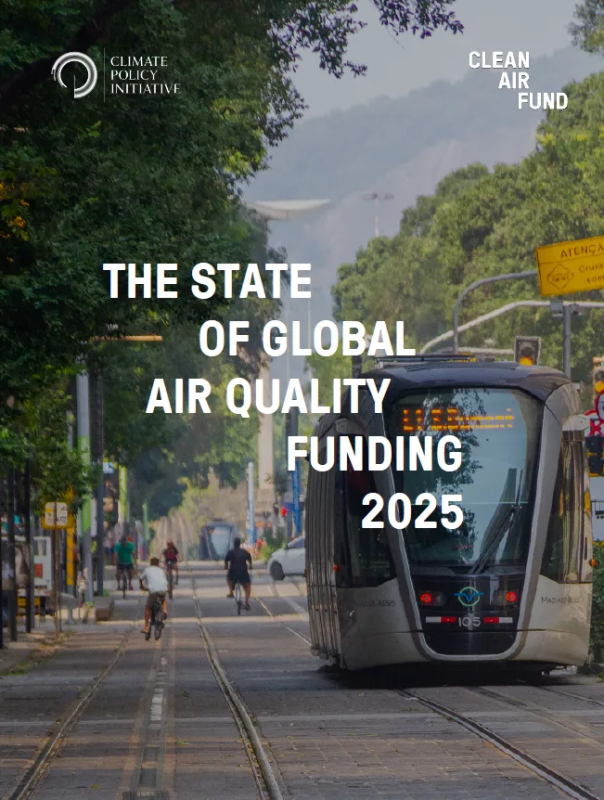
New report reveals dip in clean air funds
Governments worldwide channelled far more aid into projects that prolong fossil fuel use than into tackling air pollution, a new Clean Air Fund report reveals. In just one year, fossil fuel-prolonging funding jumped 80% to $9.5 billion, while clean air support fell by a fifth to $3.7 billion, leaving it stuck at around 1% of international development finance.
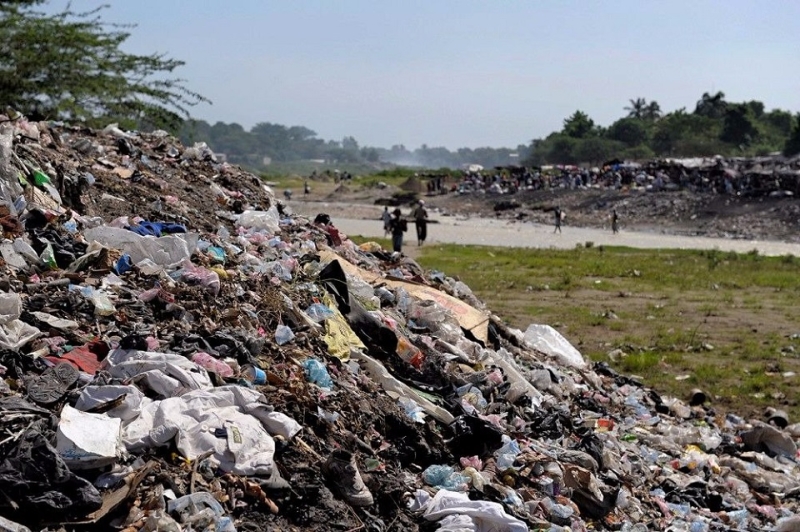
Reducing methane emissions from the waste sector in Latin American and Caribbean countries
Credit: UNEP
Latin American and Caribbean countries agreed to urgently and significantly reduce methane emissions from the waste sector, prevent the disposal of organic waste in landfills and advance the progressive closure of dumpsites in the next 15 years.
In the XXIV meeting of the Forum of Ministers of Environment of the region, the authorities approved a Regional Cooperation Programme with this shared vision, including integrated solutions across the entire waste management chain, from prevention (upstream), to deviation and valorization (midstream) and the improvement of final disposal infrastructure (downstream).
Currently, 45% of municipal waste is not adequately managed in the region, and more than 10,000 active dumpsites release uncontrolled methane emissions, posing risks to human health and the environment. Although organic waste accounts for 50% of total waste, less than 3% is recovered.
02 Oct
2025
15:21
Meet Joseph Nguthiru: Young Champion of the Earth 2025
30 Sep
2025
18:03
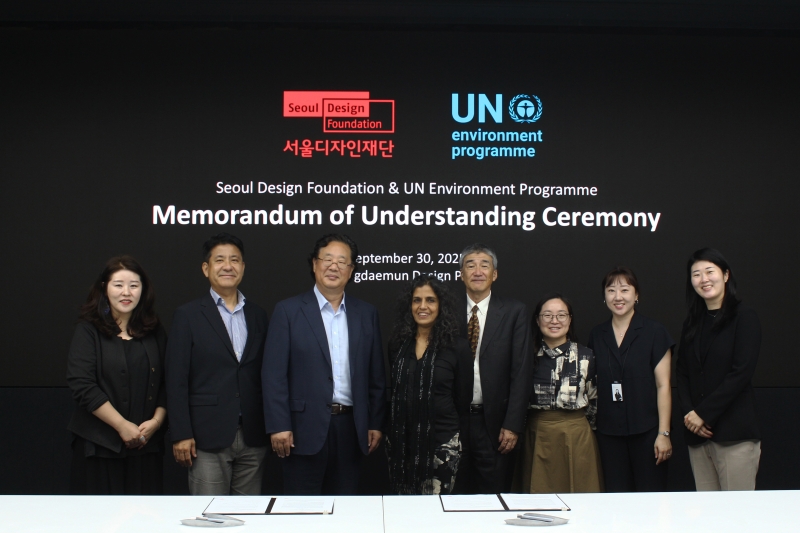
UNEP partners with Seoul Design Foundation to promote innovative design for circularity and sustainability
Credit: UNEP
UNEP signed and memorandum of understanding with the Seoul Design Foundation (SDF), under the Seoul Metropolitan Government, to explore collaboration on circular design across industries. The partnership aims to advance circular economy practices through design-led industrial innovation.