
Many impacts of pollution are invisible, making their true scale challenging to understand and measure. But experts agree that preventing pollution is far more beneficial than dealing with the costs of addressing its effects. Tackling the causes of pollution can be a cost-effective way of not just improving human well-being but also achieving progress across the Sustainable Development Goals – and economic growth.
Here are four ways in which addressing chemicals, waste and pollution can provide multiple gains.
Improved health, saved lives
Pollution continues to be the largest environmental cause of disease and premature death worldwide, responsible for at least 9 million deaths per year. This figure could be even higher if the long-term and cumulative effects of pollutants could be taken into account. For instance, toxic metals and harmful, persistent chemicals can cause non-communicable diseases, such as cancer, reproductive disorders and other health effects that are difficult for primary healthcare professionals to link with pollutants.
While the full economic benefits of reducing pollution and waste are difficult to capture in a single global figure, existing data already makes a compelling case. Tackling pollution’s effects on human health translates directly into improved social and economic outcomes.
For example, disease and disfunction caused by exposure to endocrine-disrupting chemicals is estimated to cost annually more than 2 per cent of U.S.’s GDP in the U.S. and more than 1 per cent of the European Union’s GDP. And by addressing the effects of just one pollutant — lead — on the cardiovascular damage and intelligence quotient of young children could alone save costs equivalent to 6.9 per cent of global GDP.
In terms of health, addressing water pollution and achieving universal access to clean water, including through improved sanitation and hygiene, can save millions of lives and reduce the hundreds of millions of annual global diarrhoea cases by 60 per cent -- and, by proxy, the use of antimicrobials to treat these cases. This could then slow the rise of antimicrobial resistance (AMR), which, according to the most recent estimates, could cause 39 million deaths between 2025 and 2050 if decisive action is not taken.

Thriving economies with new and better jobs
Scientists have agreed that a transition to sustainability, circularity and a healthier environment could help the world achieve a global GDP about 3 per cent larger than historical trends predict while mitigating growth in material use by 30 per cent.
Signs of hope are underway in high-impact sectors — such as food and agriculture, mining, electronics, transport and textiles —. Circular business models for fashion, for instance, could account for 23 per cent of the global fashion market by 2030.
The transition toward a circular economy, which encompasses new areas of work in recycling, repairing, renting and remanufacturing, could also help create about 6 million jobs and formalise an estimated 20 million jobs that currently deal with waste in the informal sector. Extended producer responsibility schemes, which hold businesses responsible for managing their products’ end-of-life, are an opportune space to formally compensate waste pickers and improve their working conditions in places where there are no current formal recycling and reuse systems. Overall, improving waste management and embracing lifecycle approaches that address and minimize the impacts of products and services from early production stages to disposal or end of life can lead to an annual net gain of US$108.5 billion by 2050.


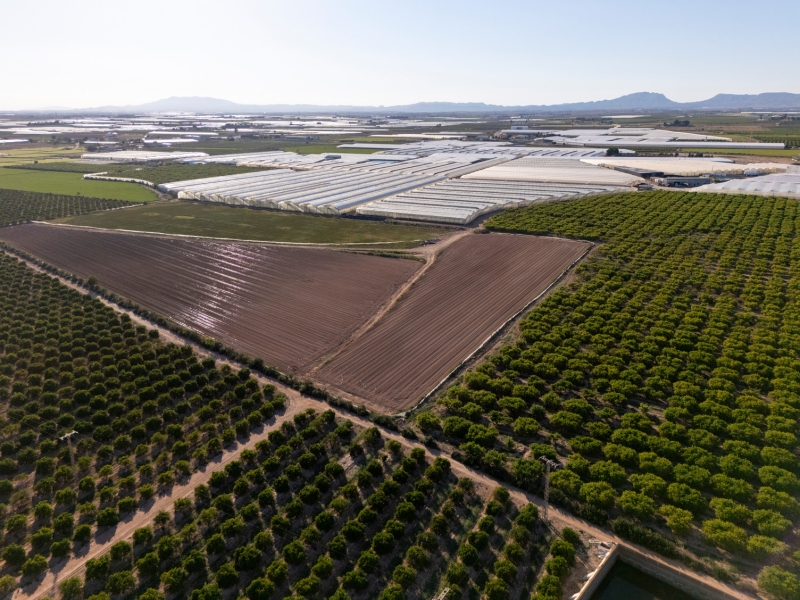
Reduced hunger and healthy food for all
Pollution erodes ecosystem services that are critical for food production, affecting the health and availability of crops, livestock and fisheries. The development of AMR in livestock in particular could result in production losses equivalent to the consumption needs of up to 2 billion people by 2050.
Increasing sustainable farming practices and reducing reliance on synthetic fertilizers can contribute to food security by improving crop yields and providing economic stability to farmers. Measures to reduce methane pollution could contribute to halving global crop losses, preventing up to US$33 billion in annual losses by 2050.
Circular practices like safe wastewater management and reuse can also help reduce pollution while improving harvests. A UNEP report has shown that 25 per cent of the global nitrogen and phosphorus demand in agriculture could be provided by nutrients recovered from wastewater, while also preventing these substances from entering and disrupting ecosystems.
Reducing plastic pollution can also help the world improve food security. The Food and Agriculture Organization of the United Nations (FAO) warned this year that the current plastic use in agriculture will result in “long-lasting and increasingly severe harm to soil health, crop productivity, food safety and human health.” The organization called for urgent action to prevent this type of pollution.
Fairer and just societies
Acting on pollution is an important step toward reduced inequalities. Nearly 92 per cent of pollution-related deaths occur in low- and middle-income countries, and globally, disease caused by pollution is most prevalent among minorities and marginalised groups. Women and girls are especially affected by toxic exposures for biological reasons, including during pregnancy, as well as for gendered expectations that increase their exposure to chemicals, such as in cleaning products.
A World Bank study conducted in Africa concluded that reducing fine inhalable particles (known as PM2.5, of 2.5 micrometers and smaller) in the air by 20 per cent can lead to a 33 per cent increase in productivity and a 16 per cent increase in employment growth, particularly benefiting low-income communities.
To achieve universal access to safe water, wastewater reuse also stands as an untapped resource: it could account for 320 billion cubic meters of water per year, which is10 times the current global desalination capacity, addressing water scarcity while countering pollution.
UNEP works to minimize pollution in its different forms and promotes approaches that demonstrate the economic, environmental and health advantages of sound chemicals and waste management. This advances many of the Sustainable Development Goals, including zero hunger (SDG 2), good health and well-being (SDG 3), clean water and sanitation (SDG 6), reduced inequality (SDG 10), and responsible consumption and production (SDG 12). UNEP also contributes to tracking the progress towards the SDG targets related to pollution, shedding light on areas where further efforts are needed.
Through its Beat Pollution campaign, UNEP is inspiring circular, cleaner economies. More recently, by hosting the Secretariats of the Global Framework on Chemicals and the Intergovernmental Science-Policy Panel on Chemicals, Waste and Pollution, UNEP is contributing to accelerate renewed global action for a pollution-free planet.