
News
Region: Africa
Showing 26 - 50 of 78
78 results found
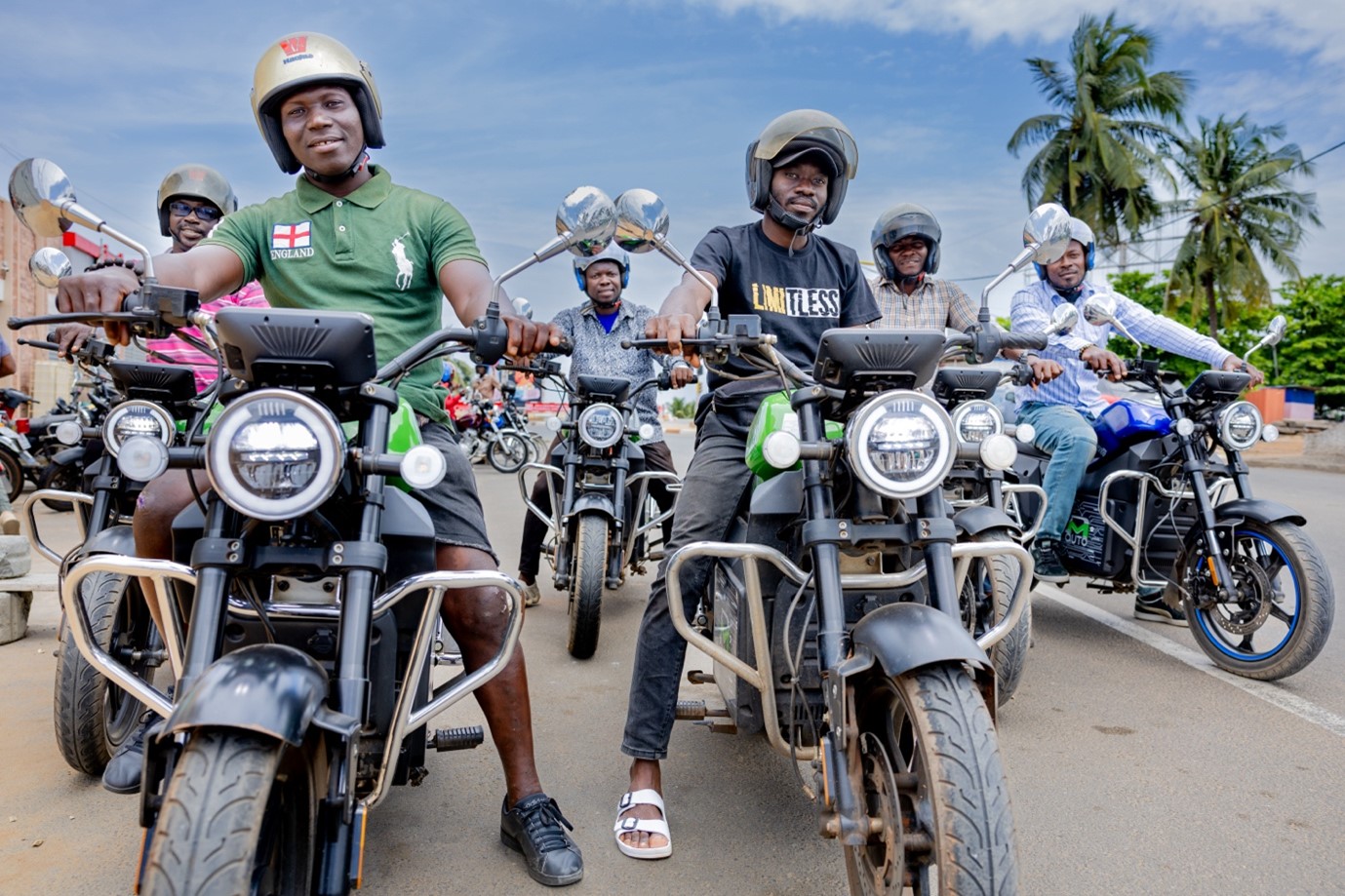
On the busy streets of Togo’s capital, Lomé, change is afoot amongst some of the city’s motorcycle taxi drivers.
They’re going electric.
At a battery swapping station, drivers are quick to share their enthusiasm for their new e-motorcycles, replacements for the petrol-powered models they once rode.

Angèle Delo began panning with mercury in her town in southeastern Burkina Faso at the age of 12. Now she is one of 116 miners who are newly equipped with skills to process ore without the use of this toxic metal, thanks to a new vocational training program developed by planetGOLD Burkina Faso.
Angele plans to not only use this training for her own work, but to also raise awareness among her fellow women miners, especially in the town of Poura where many women still work using mercury.
Meet Angele in episode 12 of planetGOLD's #DispatchesFromTheField series.
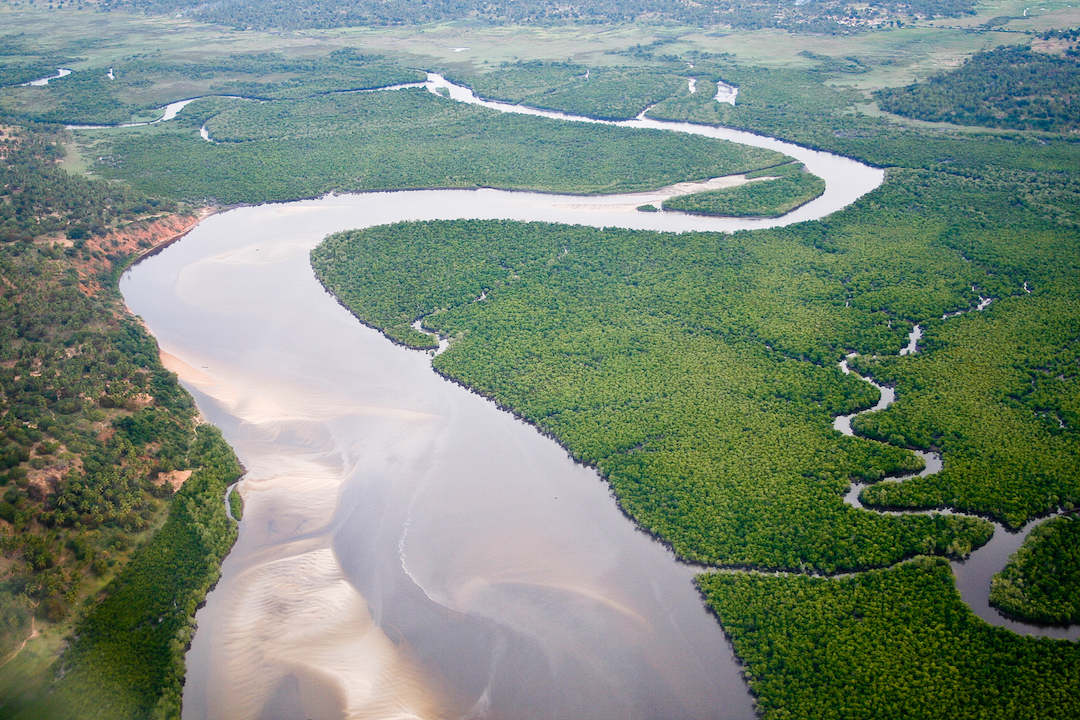
The rhythmic sound of voices singing in harmony floats across Mozambique’s Limpopo River as several women stand ankle deep in the sticky mud along its banks.
In a well-rehearsed routine, one woman scoops up sediment with a hoe while another buries a fragile mangrove sapling in the void.
The joyous songs of the women obscure the difficulty of their job.

West Africa’s six Volta River Basin countries launch initiative to reduce socioeconomic pressures on the basin's natural resources
$7-million project aims to reverse ecosystem and water resource degradation in one of Africa’s fastest-growing regions
Currently home to 29 million people, the population of the Volta River Basin is expected to top 68 million by 2046

Côte d'Ivoire acts to reduce mercury pollution from its artisanal gold mining sector
Over half a ton of mercury is used by Côte d'Ivoire’s miners annually
$17-million initiative will support access to markets, finance and the uptake of mercury-free technologies by miners
Abidjan, 25th April 2023 – The Ivorian Government has taken decisive action to protect the nation’s health and environment today, launching a $17-million project to reduce the use of mercury in its artisanal gold mining sector.

19 April 2023, Juba – The Government of South Sudan has launched a major USD 9 million-initiative to help communities adapt to climate change by strengthening climate early warning systems and restoring the country’s precious ecosystems in 2 of the 10 states.

Guinea moves to reduce mercury pollution from its artisanal gold mining sector
$17-million initiative will support access to markets, finance and the uptake of mercury-free gold mining technologies
Mercury poses significant risks to human and ecosystem health
Conakry, 17th April 2023 – The Guinean Government has taken an important step today, launching a $17-million project to reduce the use of mercury by the nation’s artisanal gold miners.
Used to extract gold from ore, mercury is a toxic chemical that can cause irreversible brain damage.

International Women's Day, celebrated annually on March 8th, is a day dedicated to recognizing the social, economic, cultural, and political achievements of women around the world. It is also a time to raise awareness about women's ongoing struggles and inequalities and to renew the call for gender equality and women's rights.
This day has been observed since the early 1900s and continues to be a powerful symbol of the progress that has been made and the work that still needs to be done to create a more just and equal world for all women.
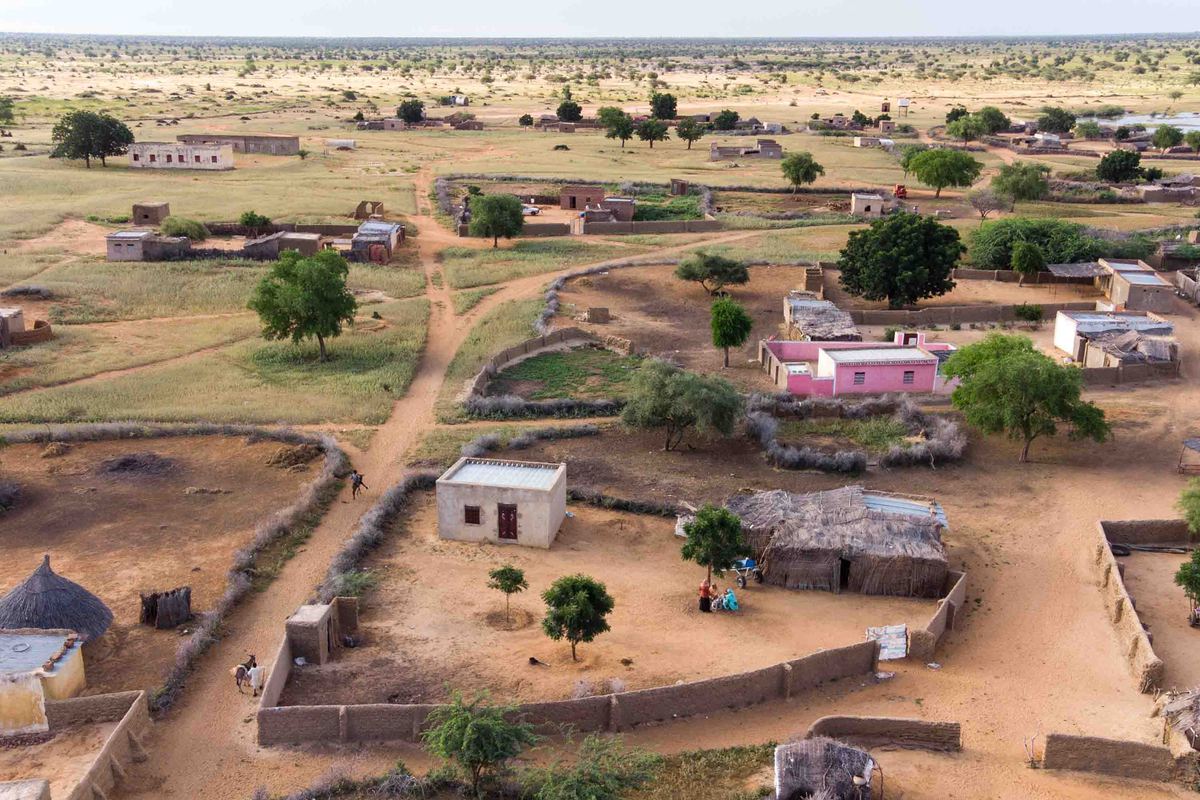
Farmer Nima Elmassad noticed the weather changing around seven years ago. In Sudan’s southern White Nile State, the rains began coming later and falling inconsistently. During the long, harsh dry season, her children had to travel three hours per day to collect water, and all but one dropped out of school. The family donkey that towed their water wagon became progressively weaker.


Yemen and Somalia are working to make climate action a win-win, tackling the impacts of both conflicts and climate crisis, while also addressing some of the underlying causes of both.
Despite significant challenges, both countries are pushing for meaningful climate action addressing the most urgent vulnerabilities and some of the causes of unrest, while paving the way for more climate friendly development and growth.

The Nigerian Government has announced revised environmental regulations to reduce pollution from its electronics sector.
The legislation will strengthen Nigeria’s Extended Producer Responsibility programme, making producers accountable for the end of life of their products.
Hazardous chemicals released by e-waste pose significant risks to human and environmental health.

Kampala, November 23, 2022 – A new project launched today in Kampala by national authorities and international organizations aims to advance more responsible artisanal gold mining sector across the country.
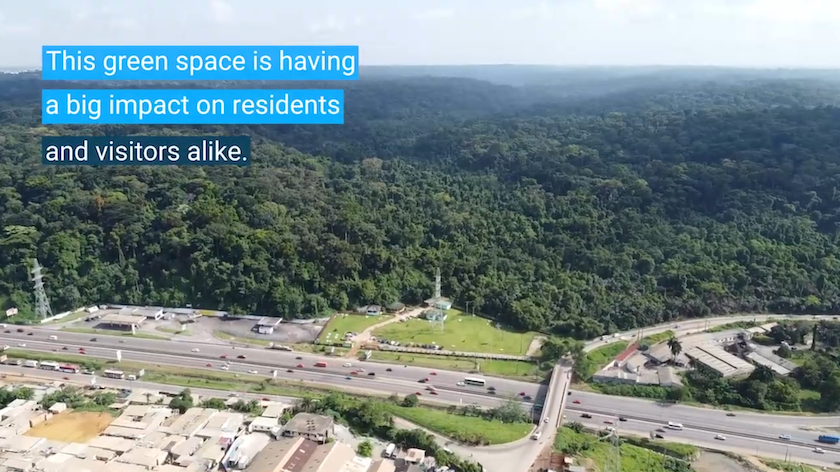
Banco National Park in Abidjan, Côte d’Ivoire, is much more than just a pocket of green. It is a sprawling nationally protected park that is 10 times the size of New York City’s Central Park – and yet is completely ensconced by the hustle and bustle of Abidjan, a city of 5 million.

The Republic of the Congo moves to reduce mercury pollution from its artisanal and small-scale gold mining sector
$10.5-million initiative will promote technical solutions, access to markets and finance for artisanal gold miners
Mercury pollution poses significant risks to human and environmental health
Brazzaville, 11 October 2022 – The Republic of the Congo has taken an important step towards a sustainable mining sector today, with the launch of a $10.5-million project to reduce the use of mercury by the nation’s artisanal miners.
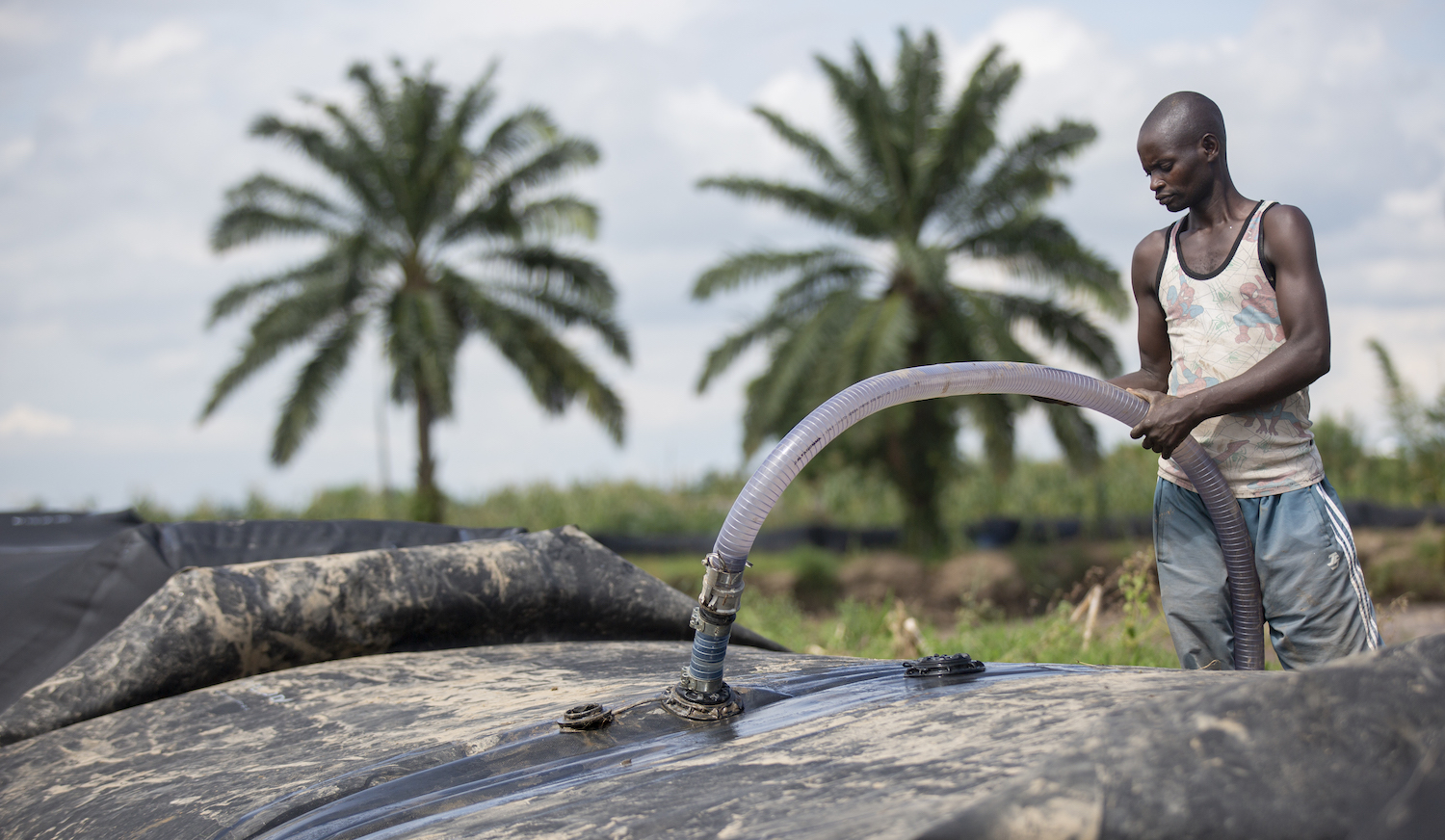
In the Mpanda Commune in north-western Burundi, a long ribbon of rubber – about a metre high and two metres wide – snakes through a farmer’s field before disappearing into foliage.
A woman is sowing her crops alongside the structure, which is bulging with water and circles much of the commune.
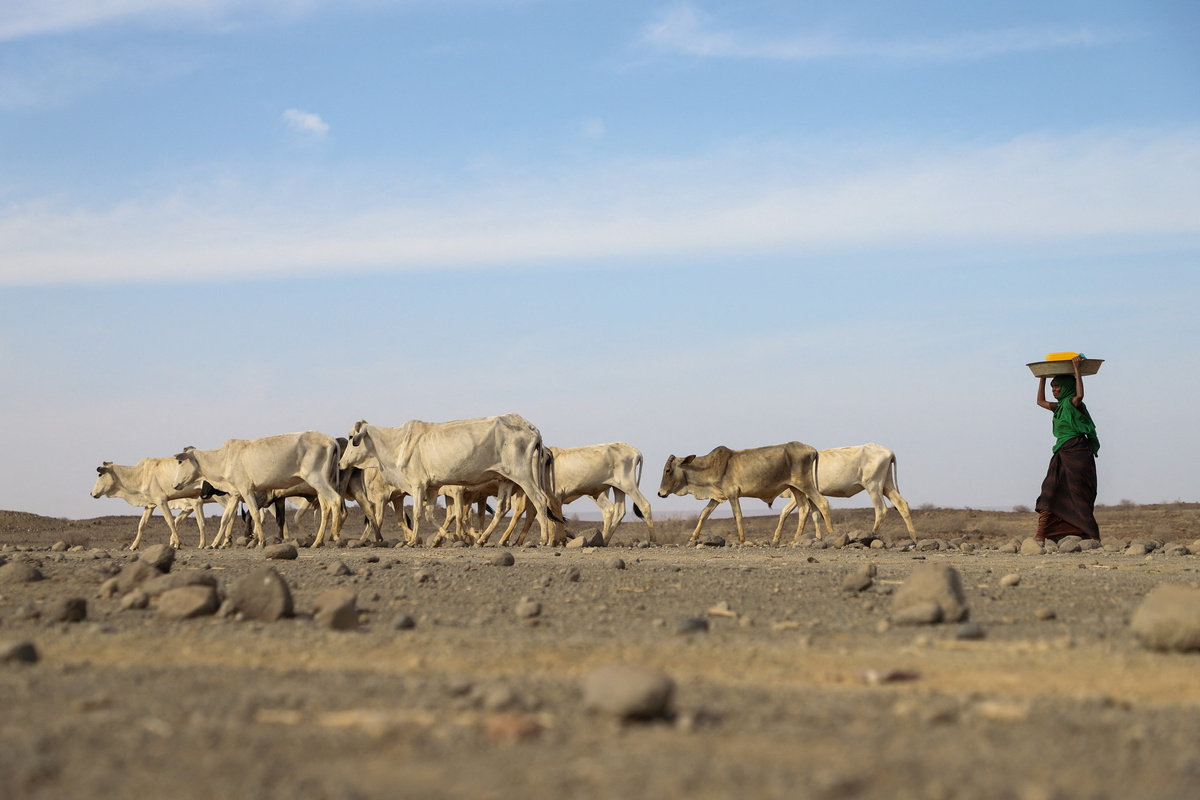
As Riziki Bwanake walks along the Tana River Delta, the dry, dusty earth crunches beneath her feet. This part of eastern Kenya was once lush, home to a rich expanse of mangroves and an abundance of fish.
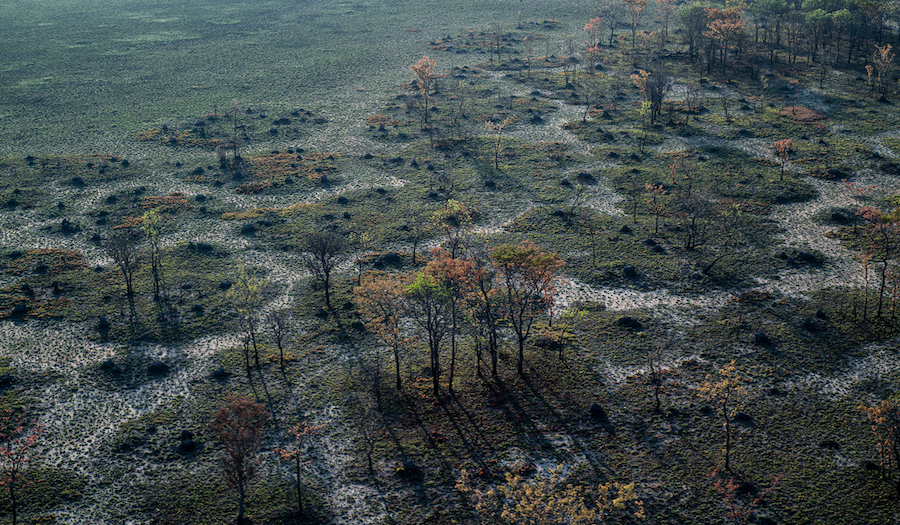
Located in Zambia’s North-Western Province, the greater Kafue National Park and West Lunga ecosystem complex was once home to an abundance of ancient rosewood trees and a host of other endemic and endangered species.
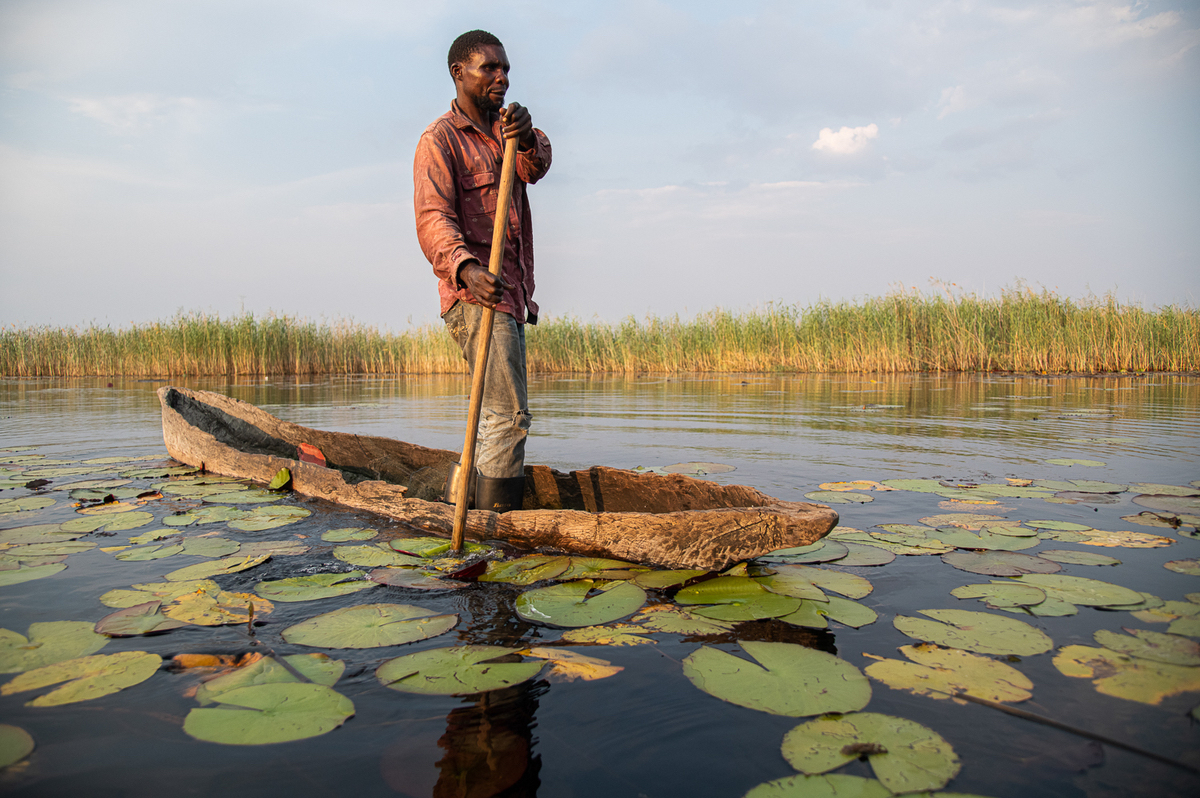
As the sun sets in central Zambia, orange rays reflect across the Lukanga Swamp, a vast wetland spanning 2,600 km2.
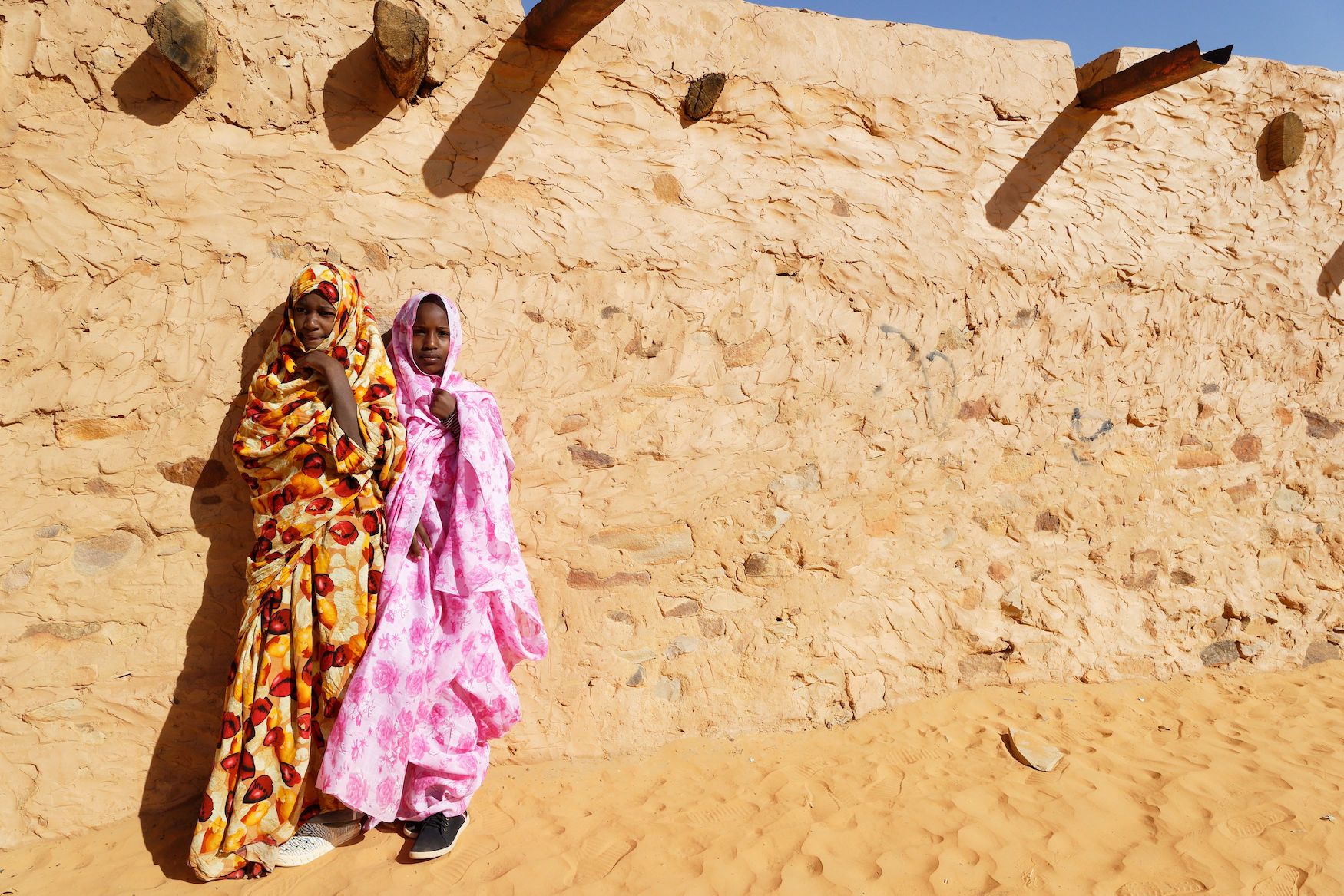
Mauritania’s battle against encroaching desertification, which has damaged ecosystems and endangered species, has received a timely boost with the news that 200,000 hectares will be turned into a protected area to support biodiversity in the country.
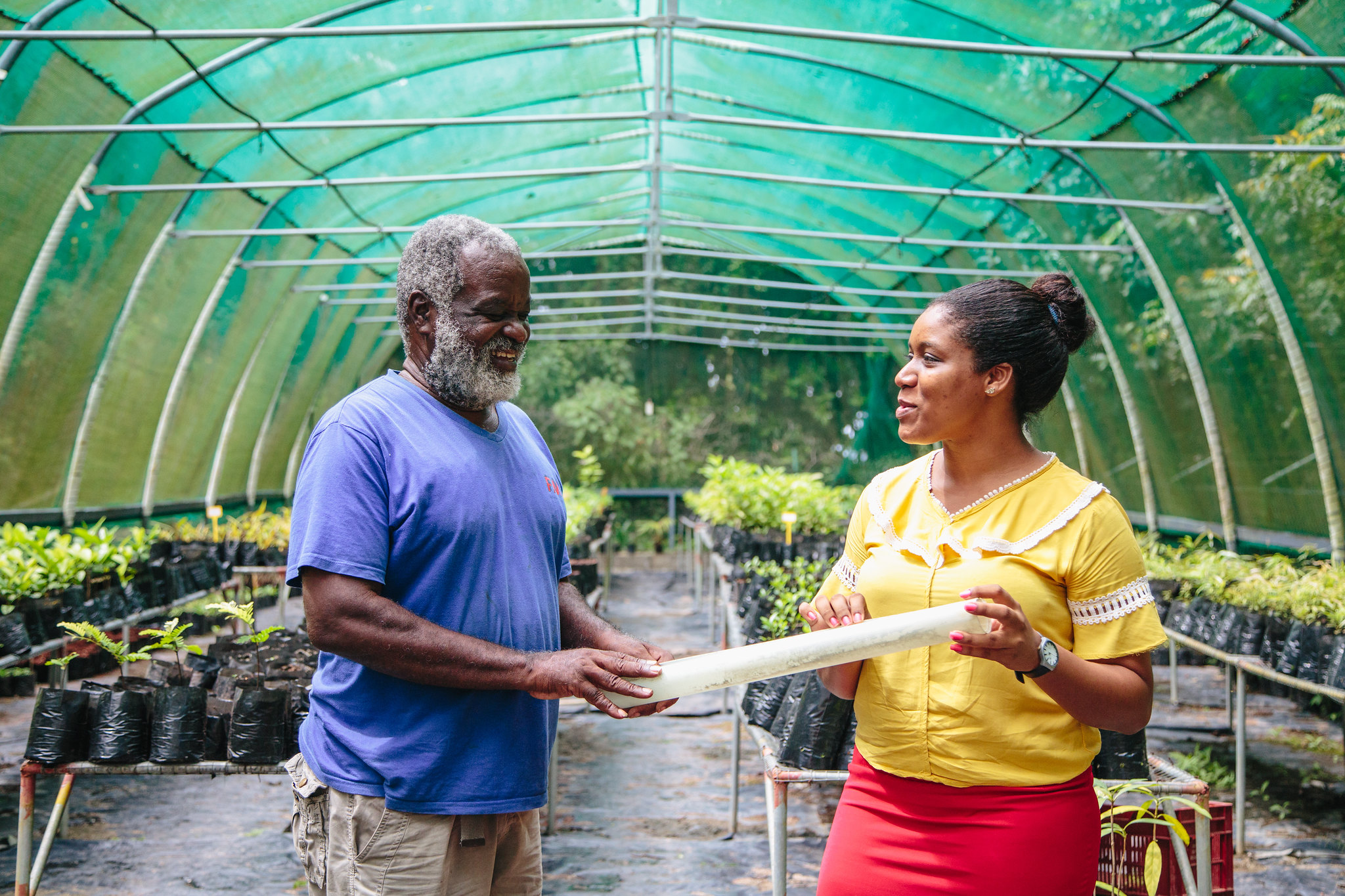
Despite being responsible for only around 3 per cent of global carbon dioxide emissions, experts say that Africa will be the region hardest hit by climate change.
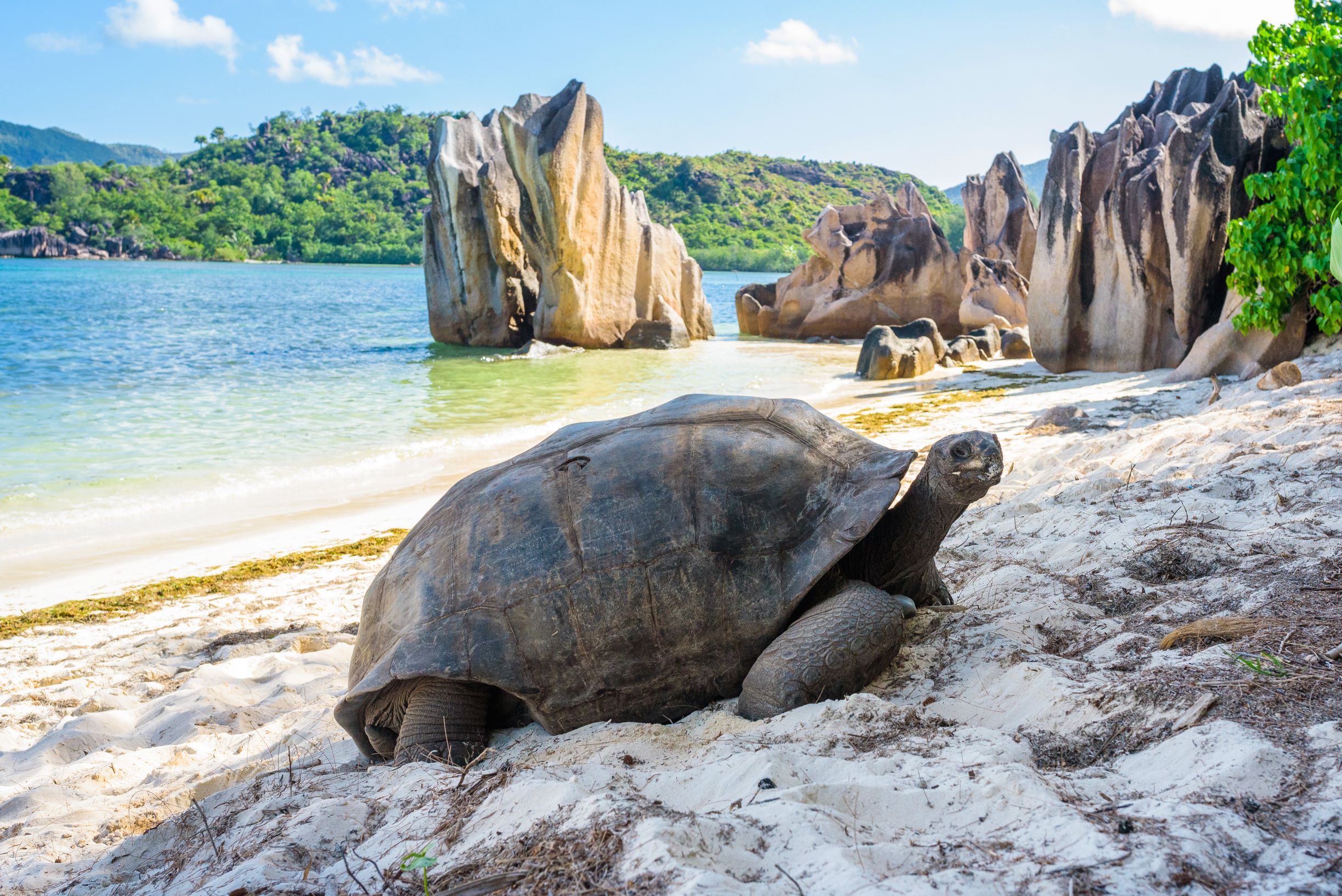
For many locals and tourists, Praslin Island in Seychelles is synonymous with paradise. From the white sands of Anse Lazio, frequently voted as one of the top beaches in the world, to the endemic species of the jungle, to the colorful coral reefs in Curieuse Marine Park, Praslin is filled with both beauty and biodiversity.

Under the theme, Life and Livelihoods, this World Oceans Day (8 June 2021) launches a decade of challenges to achieve the Sustainable Development Goal 14 to conserve and sustainably use the oceans, seas and marine resources, by 2030.

Ile aux Aigrettes, or Egret Island, is just one of the many small islands off the coast of Mauritius named after birds. There’s also Common Noddy Island, Shearwater Island, Lesser Noddy Island, Bird Island, Bird Rock and Flamingo Island.
There is just one thing missing from all these islands with avian appellations.
Large populations of seabirds.
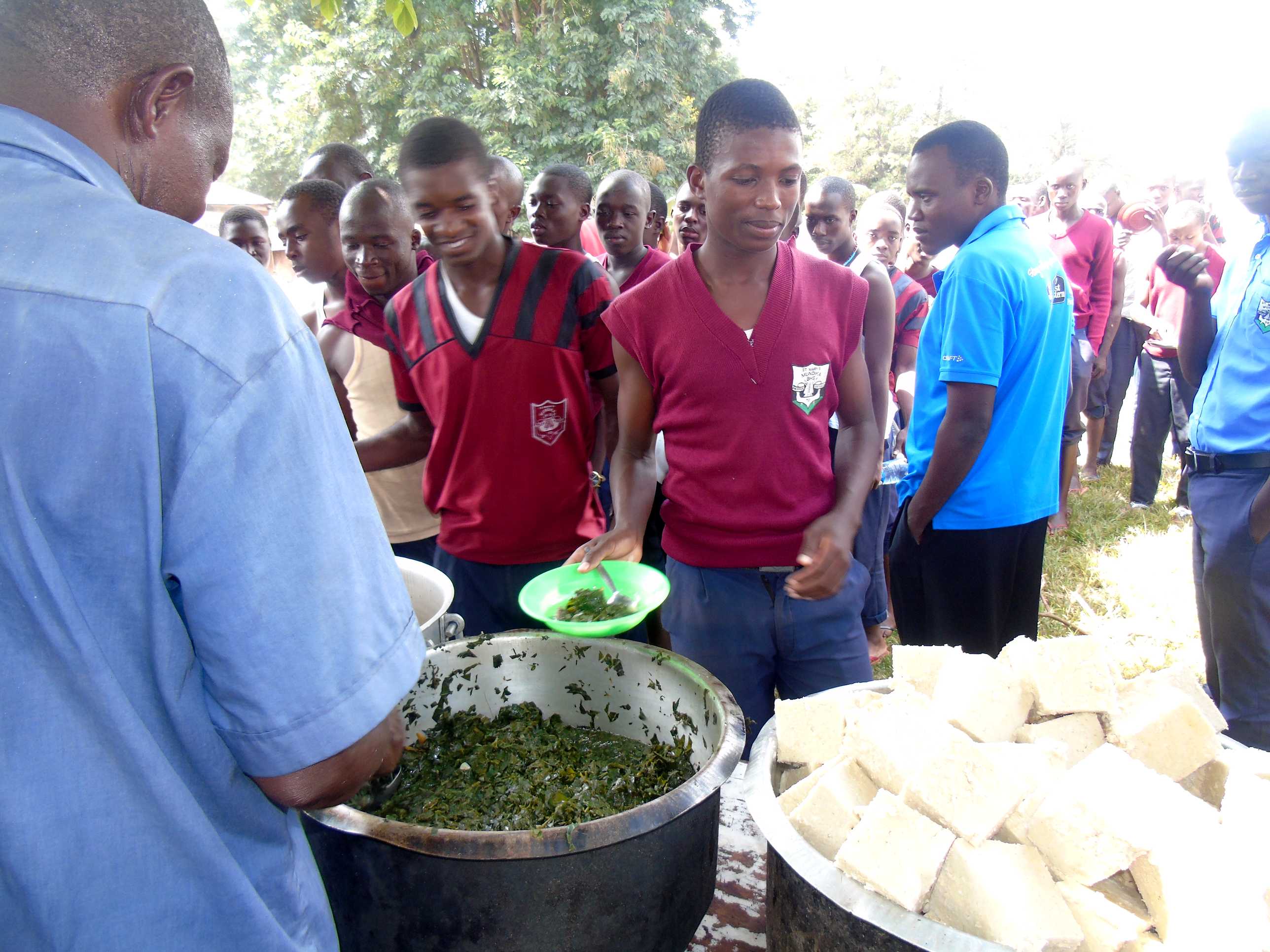
Today, when students file into the lunchroom at Mundika High School in western Kenya, they are greeted by a spread of nutritious local vegetables with exotic-sounding names, like spider plant. But that wasn’t always the case. Just a few years ago, that fare had largely disappeared from Kenyan plates, replaced by cheaper foreign-derived foods, like cabbage and maize meal.
Showing 26 - 50 of 78
The Global Environment Facility (GEF) includes several multilateral funds working together to address the planet's most pressing challenges in an integrated way. Over the past three decades, the GEF has provided more than $26 billion in financing, primarily as grants, and mobilized another $148 billion for country-driven priority projects.