- Launched at the World Urban Forum, the Global Status Report for Buildings and Construction 2025–2026 warns that as cities expand rapidly and climate risks intensify, progress to decarbonize buildings is not happening fast enough to meet global climate goals.
- While buildings are becoming more energy efficient, progress remains far too slow. Investment in building energy efficiency must more than double — reaching US$5.9 trillion by 2030 — to keep climate goals within reach and deliver healthier, more resilient cities.
- With roughly half of the buildings that will exist in 2050 yet to be built or renovated, the report highlights a major opportunity to shape healthier, more affordable and more climate-resilient buildings.
From homes and schools to hospitals and offices, buildings shape almost every part of daily life — influencing health, comfort, safety, energy bills and quality of life. The buildings and construction sector is also a cornerstone of the global economy, representing 11–13 per cent of global gross domestic product and employing around 9 per cent of the world's workforce across construction, renovation and engineering.
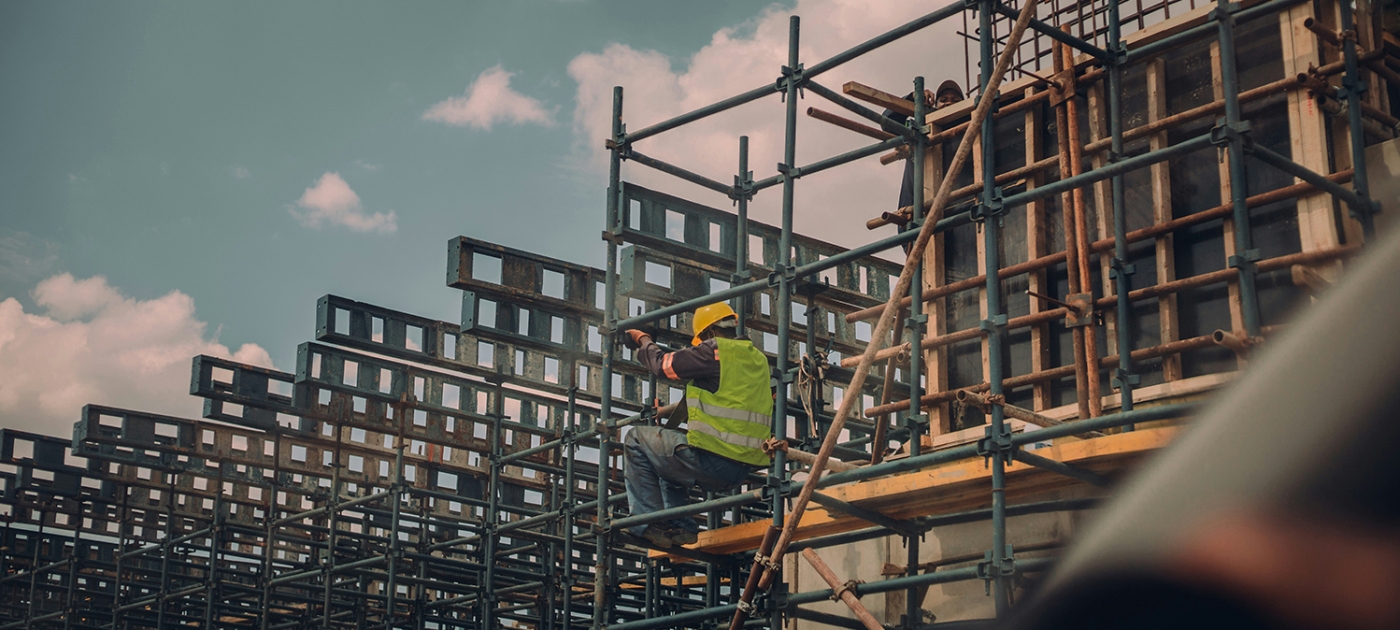
But the way the world builds is driving the climate crisis, finds the Global Status Report for Buildings and Construction 2025–2026, a new publication from the United Nations Environment Programme (UNEP). The sector is responsible for around 37 percent of global carbon dioxide emissions and nearly 50 per cent of global material extraction — the largest material footprint of any sector. Millions of people still lack access to affordable, decent and climate-resilient housing, while communities everywhere are increasingly exposed to extreme heat, flooding and rising energy costs. Here is a closer look at the main findings of the new report.
Is the buildings sector making progress on climate action?
There is genuine, measurable progress — and it proves that action works. Over the past decade, buildings have become more energy efficient: floor space grew 20 per cent, while energy demand rose just 11 per cent. Without efficiency gains, it would have grown twice as fast. Investment in efficiency has continued to grow, reaching US$2.3 trillion, and green building certifications have nearly tripled globally since 2015.
But progress is still not happening at the speed or scale needed to meet global climate goals. Construction is expanding rapidly — especially in emerging economies — while millions of inefficient buildings remain in use and fossil fuels continue to dominate heating, cooling and cooking. A decade of data from the Global Status Report shows the gap to Paris Agreement goals is widening, not shrinking. Three factors are stalling decarbonization: new floor space is being added faster than energy systems are being cleaned up, renovation rates remain far too low, and fossil fuel dependence persists due to weak phase-out policies.
How are climate-resilient buildings already improving lives?
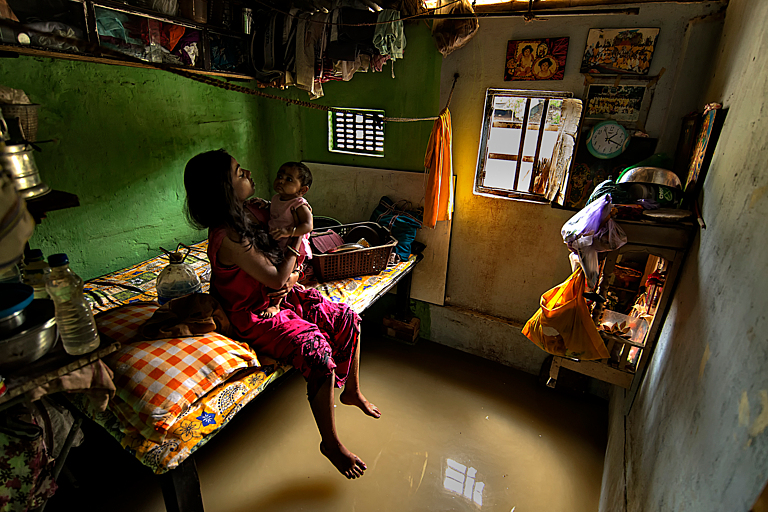
Energy-efficient homes can lower emissions, electricity and heating costs, improve comfort, and protect people during heatwaves and extreme weather. Passive cooling measures — such as shade, ventilation, reflective roofs and better design — can naturally reduce indoor temperatures, cutting reliance on air conditioning and lowering household energy bills and emissions.
Climate-resilient buildings also improve air quality, strengthen energy security, reduce pressure on electricity grids and create jobs. For low-income communities, in particular, safer and more efficient housing can deliver major social and economic benefits while reducing exposure to climate risks. Over time, energy-efficient, low-carbon homes are often cheaper to operate, showing that climate action and affordability can go hand in hand.

What actions are countries already taking?
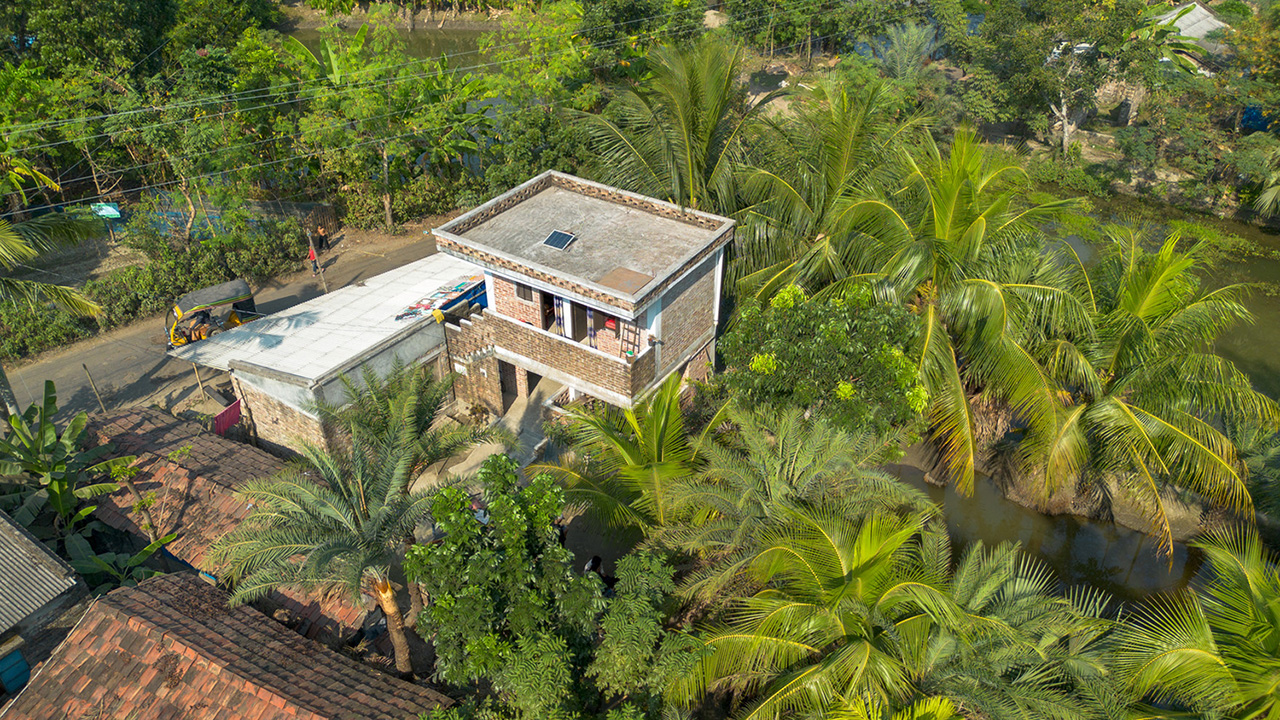
Countries on every continent are showing that practical solutions work at scale.
Kenya's 2024 National Building Code introduces passive cooling and stronger sustainability standards, setting a regional benchmark for Africa. Singapore introduced mandatory improvement requirements for energy-intensive buildings in 2025. France's RE2020 regulation tightens limits on both operational and embodied carbon emissions and bans fossil fuel boilers in new buildings. The EU's revised Energy Performance of Buildings Directive mandates zero-emission new buildings by 2030. India and Pakistan are rapidly expanding rooftop solar, while Germany has scaled low-cost balcony solar systems. Switzerland is reinvesting carbon tax revenues directly into retrofit and clean heating programmes.
The report highlights building energy codes as one of the most powerful and underused tools available — critical for cutting emissions, reducing heat risk, and building resilience to floods, storms and extreme weather.
What does UNEP say needs to happen next?
The report is clear: the world must move faster — and it can, because the tools and technologies already exist.
Governments must strengthen building policies and climate plans, accelerate renovation of the existing building stock, scale up investment in energy efficiency and renewables, and drive wider adoption of low-carbon materials and passive cooling solutions. Most urgently, all Group of 20 countries — and at least half of all others — must adopt zero-emission building-aligned energy codes by 2030, backed by measures on energy supply, efficiency, and finance.
With roughly half of the world's buildings still expected to be built or renovated by 2050, the choices made today will have consequences for decades. UNEP and the Global Alliance for Buildings and Construction stress that climate action in buildings is one of the greatest opportunities available to simultaneously cut emissions, improve lives, lower costs, and strengthen resilience — for billions of people, in every part of the world. The window is open. We have what we need. Now we must act.
About GlobalABC
The Global Alliance for Buildings and Construction (GlobalABC) is the primary international platform dedicated to driving a zero-emission, efficient, and resilient built environment. Hosted by the United Nations Environment Programme (UNEP), it brings together over 400 members—including 70+ countries—to foster collaboration across the sector.
Written by: Niki (Sajni) Shah
Reviewed by: Sophie Loran, Konish Naidu, Hanane Hafraoui, Hongpeng Lei