
Kampala, Uganda’s capital, is suffering from dangerously high levels of air pollution, finds a groundbreaking study from The Real Urban Emissions Initiative, a partnership of the FIA Foundation and the International Council on Clean Transportation, and the United Nations Environment Programme (UNEP).
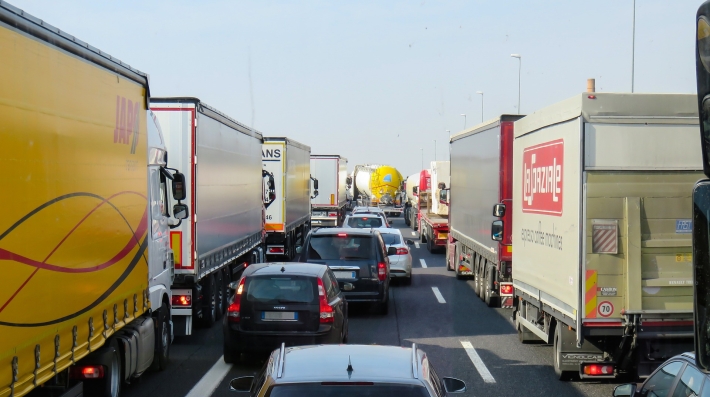
The report, Evaluation of Real-World Vehicle Emissions in Kampala, Uganda, found levels of particulate matter, which can cause a range of health problems, are 12 times higher than what the World Health Organization considers safe. Some 60 per cent of those emissions came from the transport sector, which is dominated by cars imported from abroad, many of which experts say are ageing and heavily polluting.
Most vehicles exceed what are known as Euro 4 emission standards, which set an upper limit on many types of pollutants, including particulate matter, carbon monoxide and nitrogen oxide. The study’s findings highlight the urgent need for stricter enforcement of emission standards to combat Kampala’s deteriorating air quality, its authors say.
Uganda recently adopted the Euro 4 emission standards for all imports and has placed a 15-year age limit on imported light-duty vehicles, which the study described as encouraging progress. But the country lacks a robust vehicle inspection program, which leaves authorities with little insight into the levels of pollution coming from Kampala’s congested streets.
The report findings are part of the first-ever real-world emissions data collected in an African city. The Kampala study kicked off in July 2024.
Key Findings
The report showed that although Uganda largely imports its vehicles from countries that maintain advanced emissions standards, such as Japan, the United Kingdom and China, air pollution remains rife in Kampala.

Nitrogen oxides (NOx) emissions from gasoline passenger cars under eight years were 5.5 times higher than Euro 4 limits. These vehicles also had higher levels of NOx emission than their diesel counterparts. This is a pattern not commonly observed, suggesting unique challenges in Kampala’s vehicle fleet, including possibly poor maintenance practices, widespread use of low-quality spare parts and limited mechanical training.
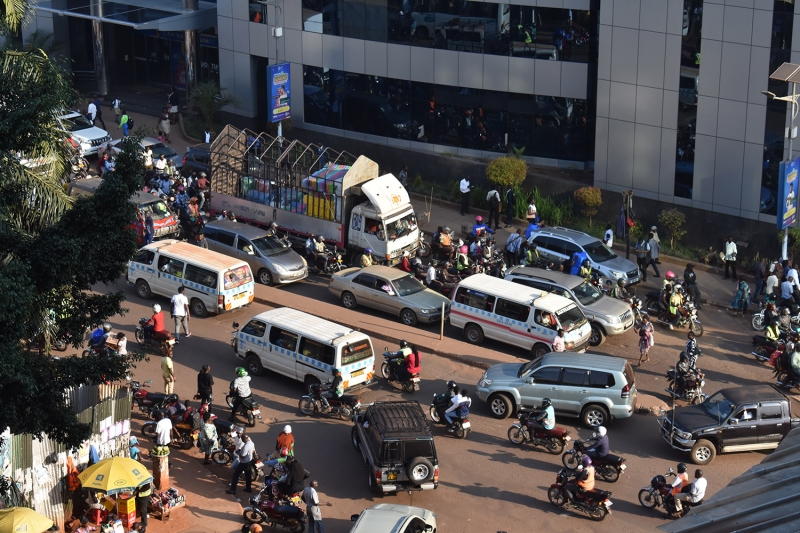
Minibus taxis used for passenger transportation in the city exhibited some of the most staggering findings. The average vehicle age was 25 years old, and the NOx emissions were more than nine times higher than the Euro 4 limits. At least 16 per cent of diesel minibuses over 15 years old emitted visible black smoke from their exhaust during measurement and exhibited six times higher average black carbon emissions than vehicles aged between eight and 15 years. Given that minibus taxis are the backbone of the city’s informal public transportation system, their emissions impact is concerning, the study said. The issue appears to go beyond vehicle age and mileage, suggesting deeper systemic factors contributing to fleet deterioration, the study found.
The way forward
To improve vehicle emissions standards and air quality the report provides three main recommendations:
- Strengthen vehicle import standards, particularly by ensuring all imported vehicles, new or used, meet Euro 4 standards, with a roadmap to transition to Euro 6 standards by 2030.
- Implement routine vehicle inspection programs and improve vehicle maintenance. Uganda’s scheduled mandatory annual vehicle inspection - which has been postponed by one year - should be consistently done. Also, it should include the monitoring of vehicles already on the road and the enforcement of inspection standards; and
- Prioritize a renewal scheme for public transportation and implement annual inspections and required maintenance. This would involve establishing an age limit for newly registered minibuses and helping minibus taxi owners to transition to newer, lower-emitting vehicles.
"Data from the real-world vehicle emissions measurement highlights the critical need for effective regulation of both vehicle and fuel standards,” said Rob de Jong, Head of UNEP’s Sustainable Mobility Unit.
“The findings showcase the urgency of fully implementing regionally harmonized Euro 4 vehicle standards in Africa. This will not only improve the quality of imported fleets but also help reduce air pollution in the city of Kampala and across the region.”
Uganda is already working on solutions, outlining new programmes under its National Environment Regulations and its e-mobility strategy to improve air quality. The Ministry of Works and Transport in Uganda has begun drafting a roadmap and implementation plan for mandatory heavy-duty vehicle inspections based on the East African Community vehicle emission standards. The roadmap includes the possible transition from the Euro 4 to the Euro 6 standard.
“We are starting the inspection of all categories of vehicles. Since this is the beginning, what is needed now is training the inspectors and certifying them to be at the international level,” said Karim Kibuuka, head of the Motor Vehicle Inspection Section, Ministry of Works and Transport. “We also need more equipment, particularly to align with the Euro 4 and above standards.“
The Real Urban Emissions project carries out vehicle emissions measurements in cities to help policy makers develop data-based air quality and climate policies.
“The TRUE project is timely, given the kind of vehicles that come into the country and the number of vehicles and motorcycles we have,” said Busingye Kelemensio, Manager, Revenue Accounting and Reporting Finance Division, Uganda Revenue Authority. “This will help us reduce air pollution. What we need to implement the results of the project is capacity building and resources.”
By operationalizing air quality policies, Kampala can achieve immediate emissions reductions, safeguard residents’ health and set a precedent for other African cities grappling with similar challenges, the study found.
The study tested emissions from 6,000 vehicles in Kampala to understand their impact on health and the environment. Using plume-chasing technology, it measured pollutants across various vehicle types, including cars, motorcycles, minibuses, buses and commercial vehicles.
About The Real Urban Emissions Initiative
The Real Urban Emissions Initiative (TRUE) supports cities worldwide to develop effective air quality and climate policies with independent real-world vehicle emissions data, technical analysis, and expert advice. The TRUE initiative is a partnership of the FIA Foundation and the International Council on Clean Transportation with a shared interest in cleaning up vehicles, improving urban air quality, and mitigating climate change.