- Reducing methane emissions is a major opportunity for curbing global warming. With less than five years to achieve the Global Methane Pledge (a 30 per cent reduction by 2030), faster action is needed to meet climate goals.
- UNEP’s International Methane Emissions Observatory (IMEO) has significantly improved global transparency and action on methane through its initiatives — including the Oil and Gas Methane Partnership 2.0 (OGMP 2.0), which now covers 42 per cent of the sector’s production — and the Methane Alert and Response System (MARS), which has issued over 3,500 satellite-based alerts across 33 countries.
- The OGMP 2.0 framework is the global standard for measurement-based emissions reporting. Through OGMP 2.0, nearly one-third of global oil and gas production is poised to measure – and therefore reduce – its emissions.
- Beyond oil and gas, IMEO is expanding its science-based work into the agriculture, waste and steel sectors.
Methane might be invisible, but its impact on the climate is substantial. A potent, short-lived greenhouse gas, methane is responsible for about a third of our planet’s warming. Reducing methane emissions is the fastest, most cost-effective way to immediately slow global warming, delivering rapid benefits — for climate, public health and energy security — while we decarbonize.
UNEP’s International Methane Emissions Observatory (IMEO) informs the global effort to reduce methane emissions at the speed and scale that the climate crisis demands. IMEO provides open, reliable and actionable data to governments, company actors, researchers, investors and more.
IMEO’s annual report, An Eye on Methane: From measurement to momentum, takes stock of global progress on data-driven methane reductions. Now in its fifth year, the 2025 edition tracks progress, highlights where action is lagging and shows how IMEO is expanding into other methane-emitting sectors.
What progress has been made since the last report?
Indeed, the report has fueled progress across sectors and decision-making processes. Through the Oil and Gas Methane Partnership 2.0 (OGMP 2.0), companies are increasing transparency and finding and fixing leaks. Responses to satellite-based alerts from IMEO’s Methane Alert and Response System (MARS) have grown twelvefold, with verified mitigation cases across the globe. Governments are using methane data to shape regulation, and investors are using it to assess risk. IMEO has also increased efforts on sharing data and training key actors, and is expanding into significant methane-emitting sectors like steel, agriculture and waste.
This demonstrates that credible data on methane emissions drives results. But progress must accelerate rapidly to meet the Global Methane Pledge target — a 30 per cent reduction in global methane emissions by 2030 — for which IMEO is a core implementing partner.
Why is methane transparency in the oil and gas sector so important?
Methane emissions in the oil and gas sector have historically been underreported due to a lack of real-world measurements.
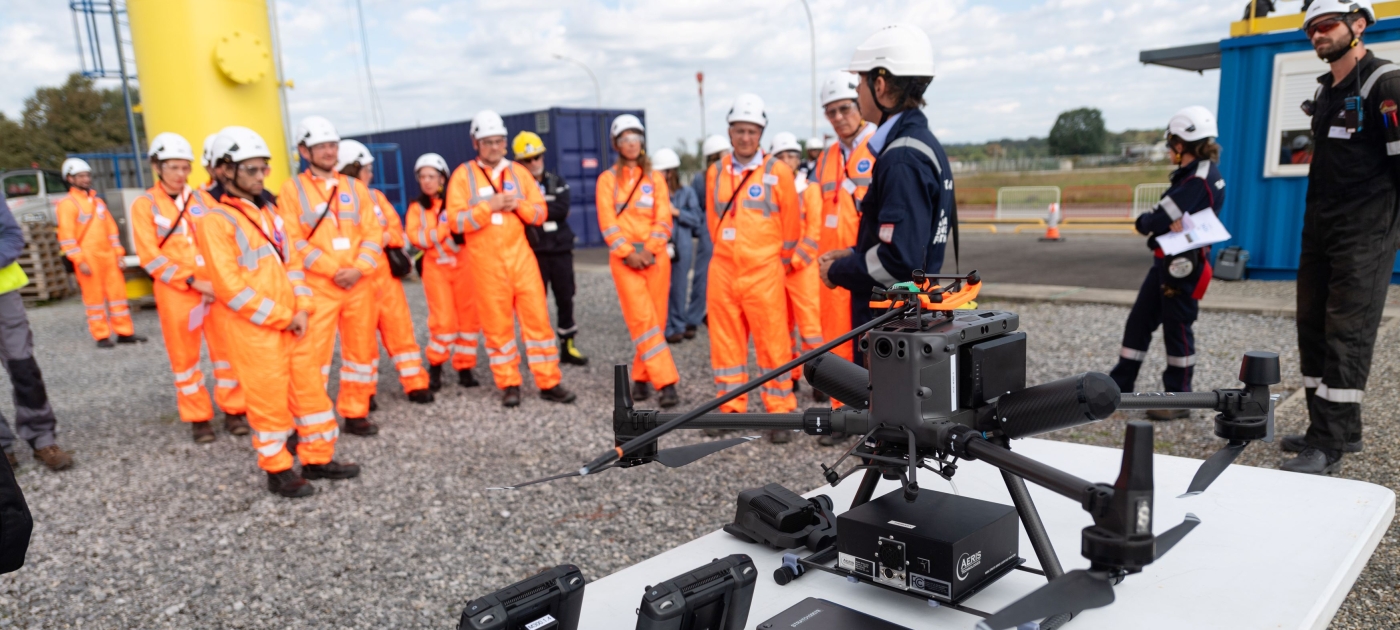
The OGMP 2.0 framework is changing this by setting the global standard for measurement-based reporting in the sector. The data-driven framework shows industry operators where their emissions come from, so they can prioritize the most impactful solutions and reduce emissions.
Through OGMP 2.0, member companies — now representing 42 per cent of global oil and gas production—are transitioning to rigorous, measurement-based emissions reporting. This year’s report shows that nearly a third of global oil and gas production is, or soon will be, reporting emissions at the Gold Standard, the highest level of the OGMP 2.0 framework. That means a significant share of the industry is positioned to effectively measure — and therefore reduce — emissions.
This level of transparency helps companies inform their actions with data — and helps regulators, investors and civil society hold companies accountable.
How is satellite data helping drive mitigation?
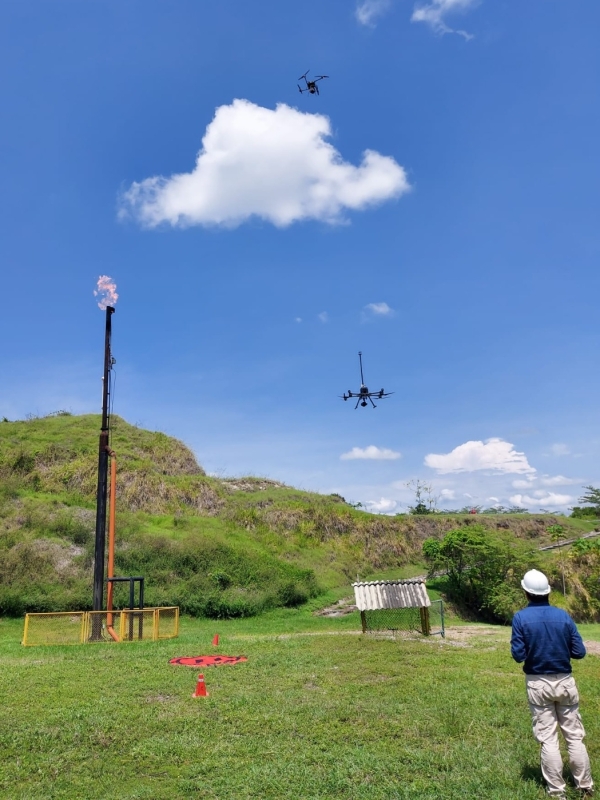
MARS combines data from over a dozen satellites, artificial intelligence and deep scientific expertise to detect major methane emission events around the globe. Since launching MARS three years ago, UNEP has used the system to send more than 3,500 alerts across 33 countries, enabling governments and countries to act swiftly and reduce emissions.
Since last year’s report, IMEO has confirmed an additional 19 mitigation cases through MARS. Combined, these events emitted 52 metric tons of methane per hour. That means each day the 19 leaks continued, they had the same near-term climate impact as 24,000 passenger vehicles driven for an entire year. Still, more action on alerts is needed. In 2024, only 1 per cent of MARS alerts received a response, meaning IMEO received follow-up information on the emissions that triggered the alert, plus any action taken to mitigate them. Now, this rate has increased to more than 12 per cent. That means 88 per cent of alerts still go unaddressed.
Addressing major emissions spotted via satellite is a climate win within reach – if more governments and companies take advantage of MARS data. However, it remains essential that action go beyond this and tackle the smaller, diffuse emissions that make up the vast majority of methane released.
Beyond oil and gas, where else is IMEO focusing its work?
This year, IMEO’s scientific work expanded to the agriculture and waste sectors, which are together responsible for 60 per cent of human-caused emissions. Along with new studies in Nigeria, Colombia and Spain, IMEO is also developing estimates for country-level agricultural methane emissions from rice and livestock through multi-sector baseline studies.
IMEO’s Steel Methane Programme (SMP) is working to curb methane emissions in the steel supply chain. SMP targets emissions from metallurgical coal, which adds on average a quarter to steel’s climate footprint — emissions that can be mitigated at just 1 per cent of the cost of steel with currently available technology. SMP is building the first database of mine-level emissions using multiple data sources — science studies, satellite data and industry reporting — to bring unprecedented transparency to the sector.
Data alone doesn’t reduce emissions. How does IMEO transform this data into actual reductions?
First, IMEO democratizes data through its Eye on Methane data platform, which brings together data from many different sources and IMEO programs and puts it directly into the hands of those who can use it to reduce emissions.
Through OGMP 2.0, IMEO has also fostered a vibrant community of practice. It’s a space for member companies to learn from each other, help peers navigate common industry obstacles and build their capacity for action.
Finally, IMEO cultivates knowledge and networks through its Methane Training Series, which has trained nearly 2,000 engineers, asset managers, regulators and policymakers across almost 40 countries on how to translate data into action.
What’s at stake if action doesn’t accelerate?
There are less than five years to achieve the Global Methane Pledge. Achieving this pledge is critical for meeting the targets of the Paris Agreement, avoiding the worst impacts of climate change and reaping the benefits of methane action for livelihoods, public health and the planet.