As governments convene in Bonn, Germany this week for the latest round of United Nations climate negotiations, a clear shift is underway. The era of setting long-term pledges is giving way to something far more urgent, say observers: delivering real-world results within a rapidly closing window.
The Bonn Climate Change Conference will help set the stage for the 31 st UN Climate Change Conference (or COP31) in Turkey this November. With global temperatures setting records and the effects of climate change growing, here is a look at where the world needs to make progress in the months to come.
1. Closing the implementation gap
The science is clear: current national commitments are not aligned with the Paris Agreement. The problem is no longer ambition, but delivery. Bonn must help translate climate pledges into immediate emissions reductions.
2. Acting in this decisive decade
What happens before 2030 will define the climate future. To keep within reach the goal of limiting global warming to 1.5°C, emissions must fall sharply this decade. The solutions already exist, but they need to be deployed faster and at much greater scale.
3. Fast mitigation with immediate benefits
Cutting methane and other short-lived climate pollutants offers one of the quickest wins. These actions can slow near-term warming while improving air quality, public health and agricultural productivity.
4. Scaling adaptation and resilience
Climate impacts are intensifying, from heatwaves to floods. Adaptation is essential but underfunded. Negotiations on the Global Goal on Adaptation must deliver practical ways to track progress and strengthen resilience on the ground.
Particular attention is also needed for fragile ecosystems, such as mountain regions, where warming is happening faster, glaciers are retreating and downstream water security is increasingly at risk.
5. Addressing loss and damage
Some climate impacts are already irreversible. Strengthening funding and support for loss and damage is critical, ensuring assistance reaches the most vulnerable without diverting resources from adaptation.
6. Unlocking climate finance
Finance remains the biggest enabler and bottleneck. Bridging the gap requires more accessible funding, stronger pipelines of bankable projects and better alignment with country needs, especially in developing economies.
In this context, the transition from Baku to Belém provides a key roadmap to scale finance. Alongside this, the Tropical Forest Finance Facility and other emerging initiatives offer concrete pathways to mobilize investment and support implementation at scale.
7. Accelerating the energy transition
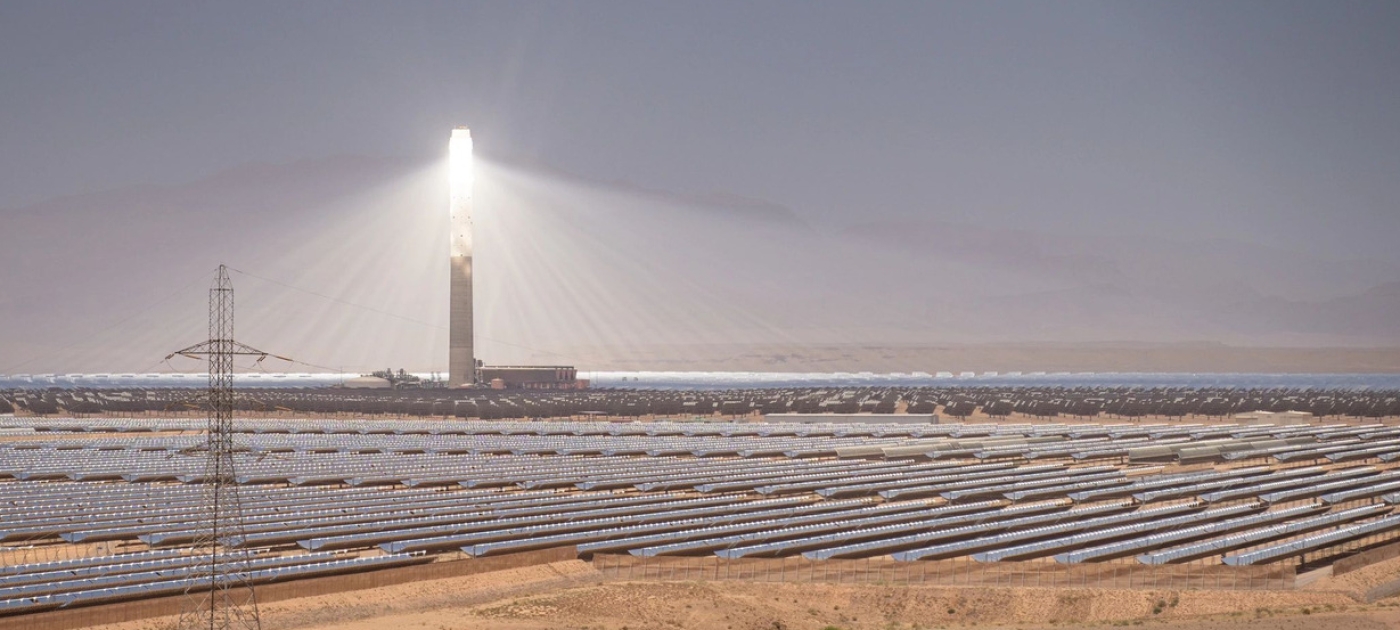
Clean energy is scaling rapidly, and the shift from fossil fuels is becoming irreversible. The priority now is speed: pushing investments and policies to reach tipping points where clean becomes the default.
8. Enabling progress through grids and electrification
Grids are now the critical enabler. Expanding and modernizing electricity networks, alongside electrification, will be key to accelerating the transition to renewable energy.
Grid demand flexibility can unlock further renewable energy investment while making energy efficiency more tangible and actionable.
9. Putting nature and fairness at the centre
Nature-based solutions can deliver multiple benefits: from carbon storage to resilience. At the same time, the transition to low‑carbon, climate‑resilient and sustainable economy must be just, supporting jobs, livelihoods and development priorities.
10. Strengthening transparency and accountability
Transparency is essential to track progress and build trust. Supporting countries in delivering their second round of Biennial Transparency Reports will be critical.
These efforts will feed into a robust Global Stocktake, helping guide decisions at a pivotal moment—what may effectively be the final years of the global carbon budget before overshoot.
From Bonn to COP31
Bonn may be a technical meeting, but its outcomes will shape decisions at COP31. Success will not be measured by new announcements, but by whether countries leave with clearer pathways to implementation.
Because the message is simple: the world does not need more promises. It needs progress.