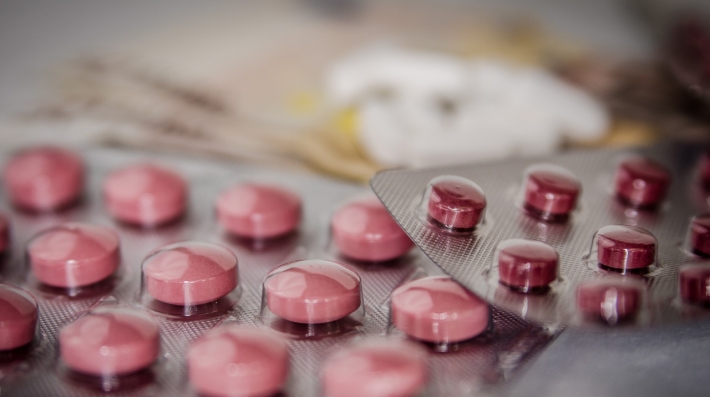

Antimicrobials – antibiotics, antivirals, antifungals and antiparasitics – are substances widely used to prevent and treat infections in humans, aquaculture, livestock and crop production. Their effectiveness is declining as microorganisms develop resistance to treatments that once worked.
Microorganisms that develop resistance to commonly used antimicrobials are referred to as superbugs. In 2023, UNEP released the flagship report Bracing for Superbugs: Strengthening environmental action in the ‘One Health’ response to antimicrobial resistance.
What is antimicrobial resistance (AMR)?
AMR occurs when microorganisms such as bacteria, viruses, parasites or fungi become resistant to antimicrobial treatments to which they were previously susceptible.
Increased use and misuse of antimicrobials and other microbial stressors, such as pollution, create favourable conditions for microorganisms to develop resistance in both humans and the environment. For example, bacteria in water, soil and air, for example, can acquire resistance following contact with resistant microorganisms. Human exposure to AMR in the environment can occur through various pathways, including contact with polluted waters, contaminated food, inhalation of fungal spores, and other sources containing antimicrobial resistant microorganisms.
What is the impact of AMR?
The World Health Organization (WHO) ranks AMR among the top 10 threats to global health.
AMR threatens human and animal health and welfare, the environment, food and nutrition security and safety, economic development and equity within societies.

AMR ranks among the leading causes of mortality worldwide. New estimates reveal that 39 million deaths directly attributable to bacterial AMR will occur between 2025-2050 – which equates to three deaths every minute - and 169 million deaths associated with bacterial AMR (Source).
If left unchecked, AMR could shave global GDP by US $3.4 trillion annually and push 24 million more people into extreme poverty in the next decade.
Antimicrobial resistance in mycobacterium tuberculosis, malaria parasites, viruses and HIV is becoming a reality that could increase human suffering. It could also deal a huge blow to the world economy, due to productivity losses, increased healthcare costs and a rise in poverty. Even if it is a global crisis, poverty, lack of sanitation and poor hygiene make AMR worse. Also, AMR disproportionately impacts Low-Income and Lower-Middle-Income Countries. AMR is thus an equity issue too.