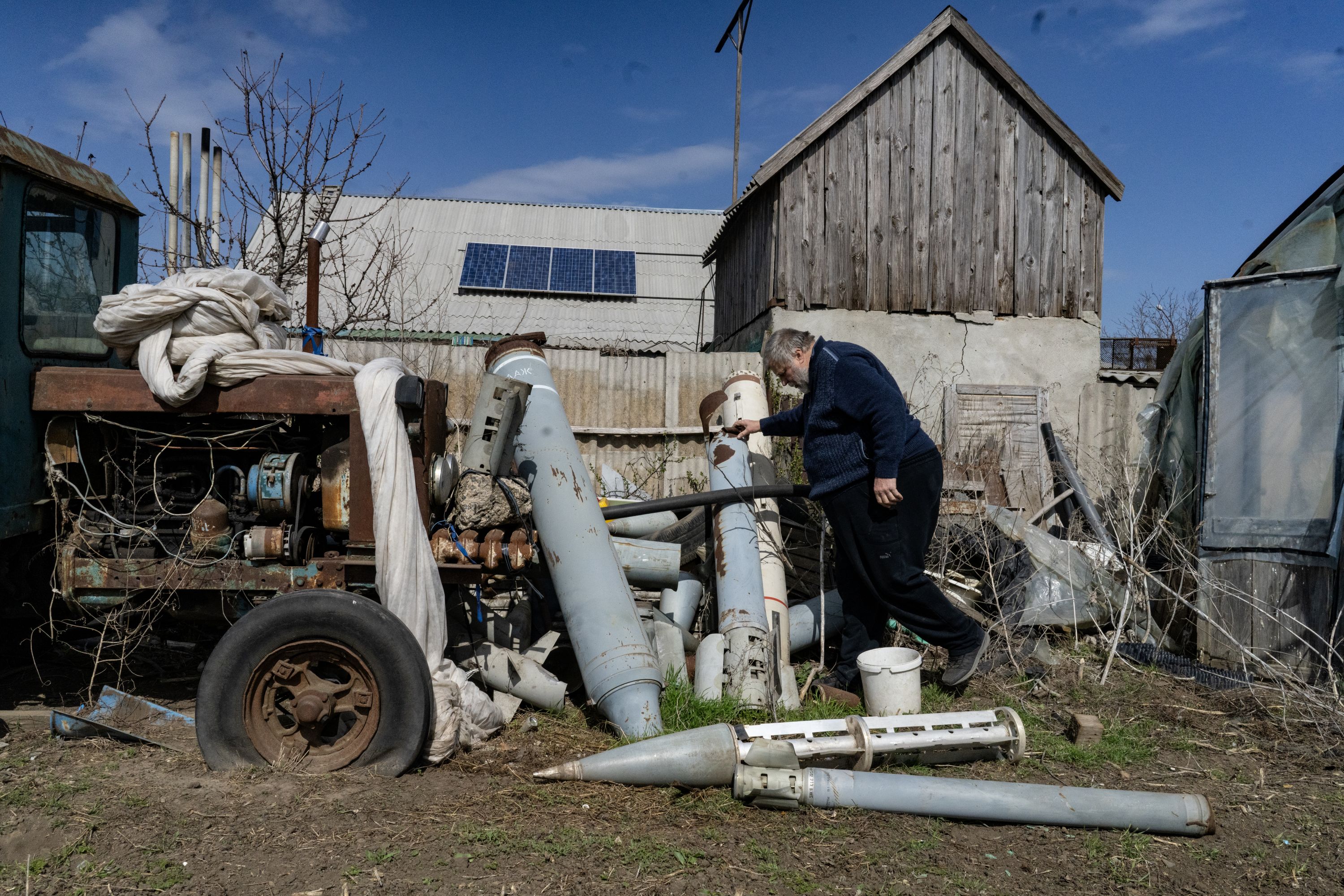
The war in Ukraine has caused extensive damage to the country’s energy infrastructure—over USD 9 billion as of 2024—leaving millions of people exposed to daily blackouts, with winter outages averaging five hours a day. The crisis has exposed the vulnerability of centralized energy systems: large-scale assets like thermal power stations and cogeneration plants have been frequent targets of attack. These events underscore the urgent need for a more resilient, decentralized approach to energy.
Ukraine has already set ambitious clean energy and environmental targets: 35 per cent renewables in its heating networks and 25 per cent in its electricity grids by 2030. Reaching these goals will require a shift—not only in technology, but in the structure of its energy system.
To support this, UNEP and IRENA have launched a multi-year, multi-city, Local Integrated Energy Systems programme in Ukraine, with support from the Government of Italy. The initiative focuses on shifting reconstruction and future investment toward sustainable, local energy systems—such as clean district heating, on-site renewables (including solar PV, biomass, and waste-to-energy), and smarter integration across heat, power, and essential public services like water, waste and transport.
With pilot projects in Kharkiv and Mykolaiv, UNEP supports Ukrainian cities with:
- Feasibility studies and priority investment plans for local, integrated energy systems;
- 10-year Sustainable Urban Energy Masterplans focused on decentralised, low-carbon infrastructure for local utility;
- Partnerships with international financial institutions (IFIs) to ensure bankable projects that attract investment;
- And local capacity building to strengthen municipal planning and implementation.
In Kharkiv: UNEP is developing a 2-year plan to digitalize heating networks for major efficiency gains (15 per cent energy savings and 30 per cent cost savings system-wide), with the aim of replicating this model in other cities. UNEP is conducting feasibility studies to reconstruct basic heating and electricity infrastructure with efficient, decentralized and lower carbon equipment, including cogeneration, solar, waste to energy, waste heat, and high efficiency heat pumps.
In Mykolaiv: UNEP is developing a city-wide Masterplan to integrate energy and water systems with clean energy and local renewables in public buildings. The project is producing a pipeline of priority investments, including opportunities for digitalization and decarbonizing the city’s energy supply through local energy.
Expanding UNEP’s local energy work in Ukrainian cities
By supporting cities like Kharkiv and Mykolaiv as the key drivers of energy transformation, UNEP’s programme will replicate this approach to help Ukraine build scalable, bankable, clean energy projects across the country that drive a sustainable, resilient recovery.
For more information, please contact: unep-citiesandbuildings@un.org