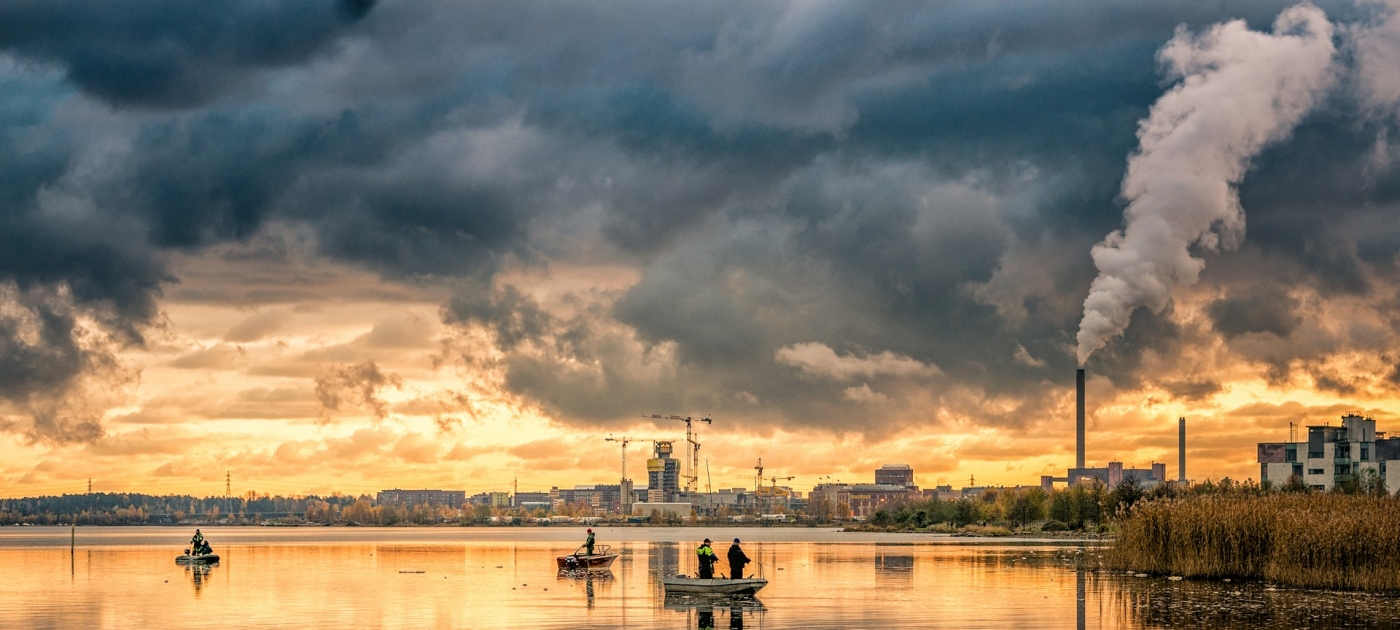
Pollution is jeopardizing ecosystems and human health, whether through contaminated air, soil and water, or exposure to harmful chemicals.
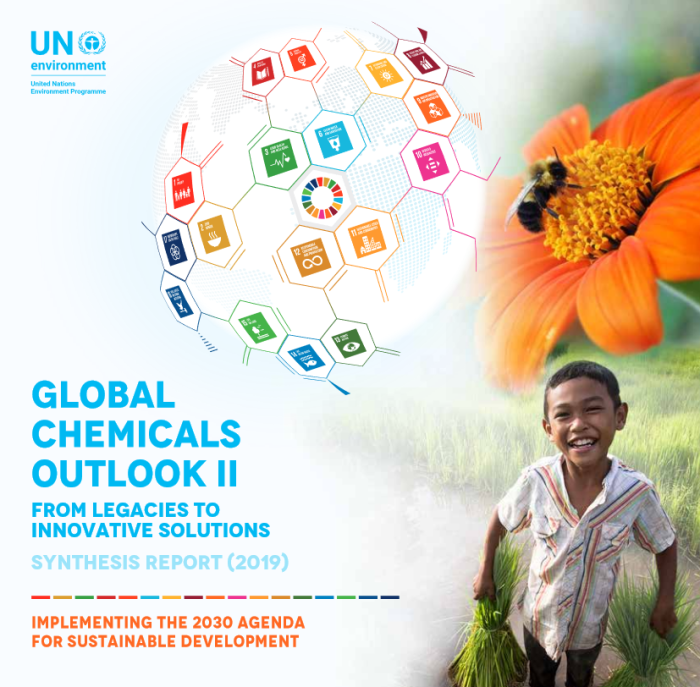
Chemicals and waste are part of everyday life, but their poor management can lead to human health problems and environmental degradation.
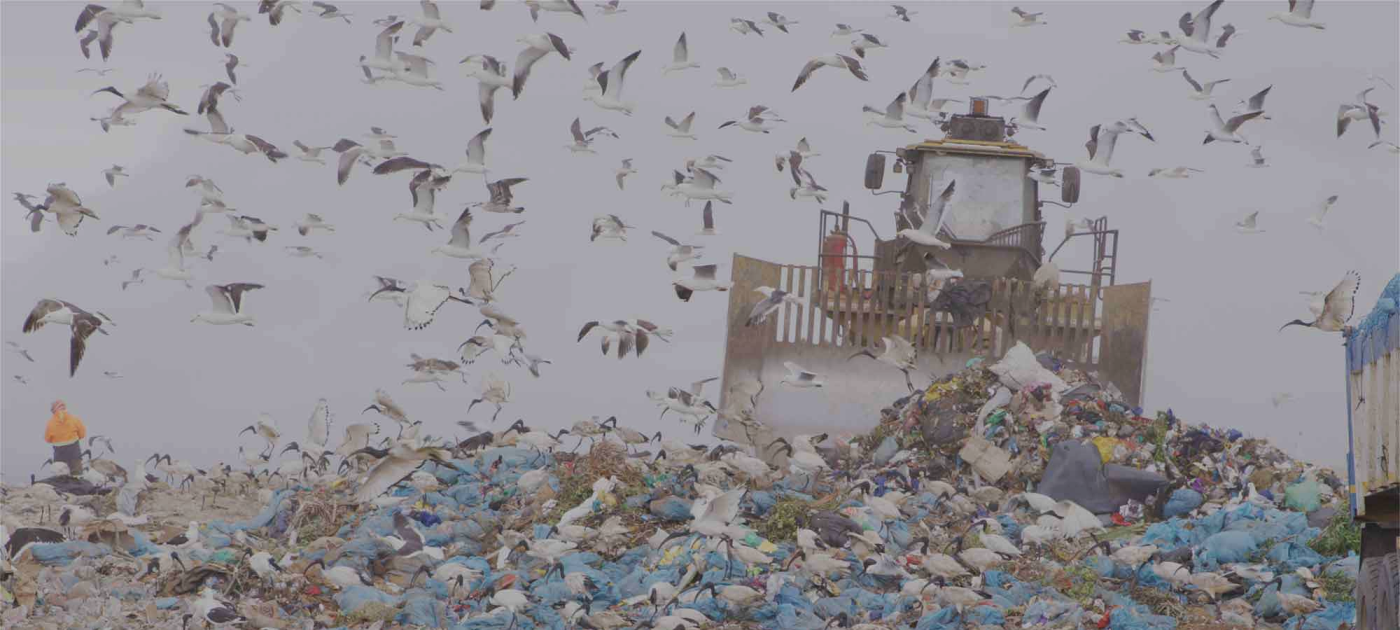
In 2025, the world’s cities are expected to produce 2.2 billion tonnes of waste every year, more than three times the amount produced in 2009.
UNEP promotes collaborative approaches that demonstrate the economic, environmental and health advantages of sustainable chemicals and waste management.
Our goal is to encourage policies and investments that reduce risks from chemicals to both health and the environment.
Countries are actively addressing challenges related to air, soil, and water pollution, as well as exposure to harmful chemicals, through Multilateral Environmental Agreements (MEAs) and the Global Framework on Chemicals (GFC).
UNEP takes a leading role in promoting collaboration across sectors to support the implementation of the GFC, adopted in 2023.
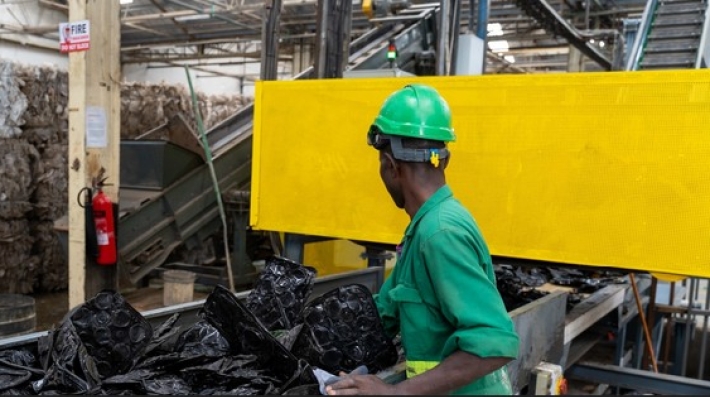









The work on chemicals and pollution action supports Multilateral Environmental Agreements (MEAs) and is carried out through public-private partnerships.
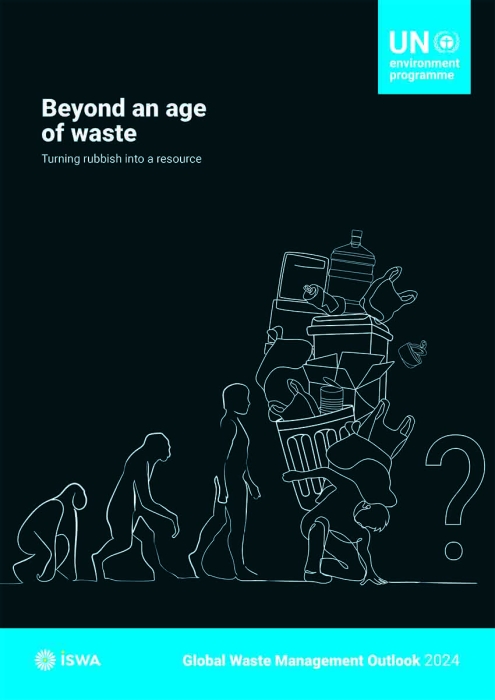
The work of UNEP on chemicals and pollution action is led by the Industry and Economy Division.