Jamaica

Reduce marine plastics and plastic pollution in Kingston and Montego Bay

Jamaica is an island nation in the Caribbean Sea, part of the Greater Antilles, located south of Cuba and west of Hispaniola. Covering approximately 10,991 square kilometers with over 1,000 kilometers of coastline, Jamaica experiences a tropical maritime climate characterized by hot, humid weather moderated by sea breezes and a rainy season from May to November. The island’s interior is mountainous, featuring the Blue Mountains that rise over 2,200 meters (World Bank, 2021). 

Recognized as part of the Caribbean biodiversity hotspot, Jamaica is home to a high number of endemic species, especially plants, birds, and amphibians (Critical Ecosystem Partnership Fund, 2020). 

Its marine and freshwater ecosystems are crucial to both biodiversity and the economy but face mounting threats from pollution, overfishing, and climate change. River basins and coastal wetlands are essential for supporting local livelihoods, food security, and conservation efforts (UNEP, 2021; FAO, 2020).
 

Jamaica’s economy relies heavily on its rich biodiversity and natural resources, with tourism, agriculture, and mining as key sectors. However, the country is facing significant environmental challenges, including biodiversity loss, habitat destruction, pollution, and the impacts of climate change. 

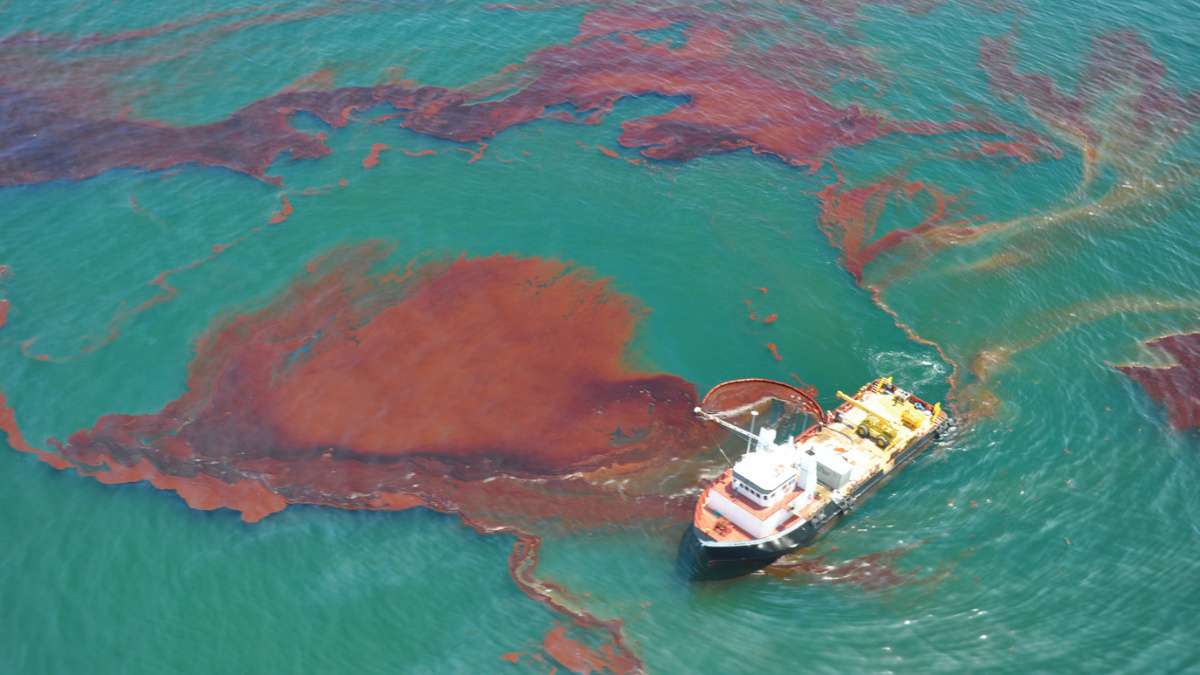
One of the most pressing issues is the increasing volume of plastic waste. Marine litter is degrading coastal waters and negatively affecting vital sectors such as tourism and fisheries. Limited waste management capacity is placing further pressure on fragile coastal and marine ecosystems, impacting the livelihoods of millions who depend on them. These challenges are further compounded by excessive waste generation, existing opportunities for knowledge and regulatory frameworks. Key highlights include:

  • In 2019 Jamaica generated 1,297,327 tonnes of solid waste from which 17% was estimated to be plastics and the average plastic  waste generation was 79 kg/capita/year, According to the National Environment and Planning Agency (NEPA)59, 51.2% of this plastic waste was PET, 7.40% HDPE and 7% PVC.
  • Plastic pollution in Jamaica results in flooding, damage to coastal and marine ecosystems and an unhealthy environment for residents. Places like Rae Town, a coastal Kingston neighbourhood, suffer the most from the wave of plastic pollution that makes its way into Kingston Harbour.
  • The NATIONAL SOLID WASTE MANAGEMENT AUTHORITY (NSWMA) stated that in 2019, the country had a waste collection coverage of 80%. However, as the country does not have sanitary landfills with engineering techniques, the waste is taken to 8 municipal dumpsites located in different parts of the island. In the same year 1,015,592 tonnes of waste were collected and disposed to these municipal dumpsites.

Events

Soumis par admin le