When: 30 March 2026
The International Day of Zero Waste, facilitated jointly by the United Nations Environment Programme (UNEP) and UN Human Settlements Programme (UN-Habitat), highlights the importance of bolstering waste management globally and the need to promote sustainable consumption and production patterns to address the waste pollution crisis.
Every year, humanity generates between 2.1 billion and 2.3 billion tonnes of municipal solid waste. Without urgent action, the annual waste generation will hit 3.8 billion tonnes by 2050.
Waste pollution threatens human health, costs the global economy hundreds of billions of dollars every year, and aggravates the triple planetary crisis: the crisis of climate change, the crisis of nature, land and biodiversity loss, and the crisis of pollution and waste.
2026 Theme: Food Waste
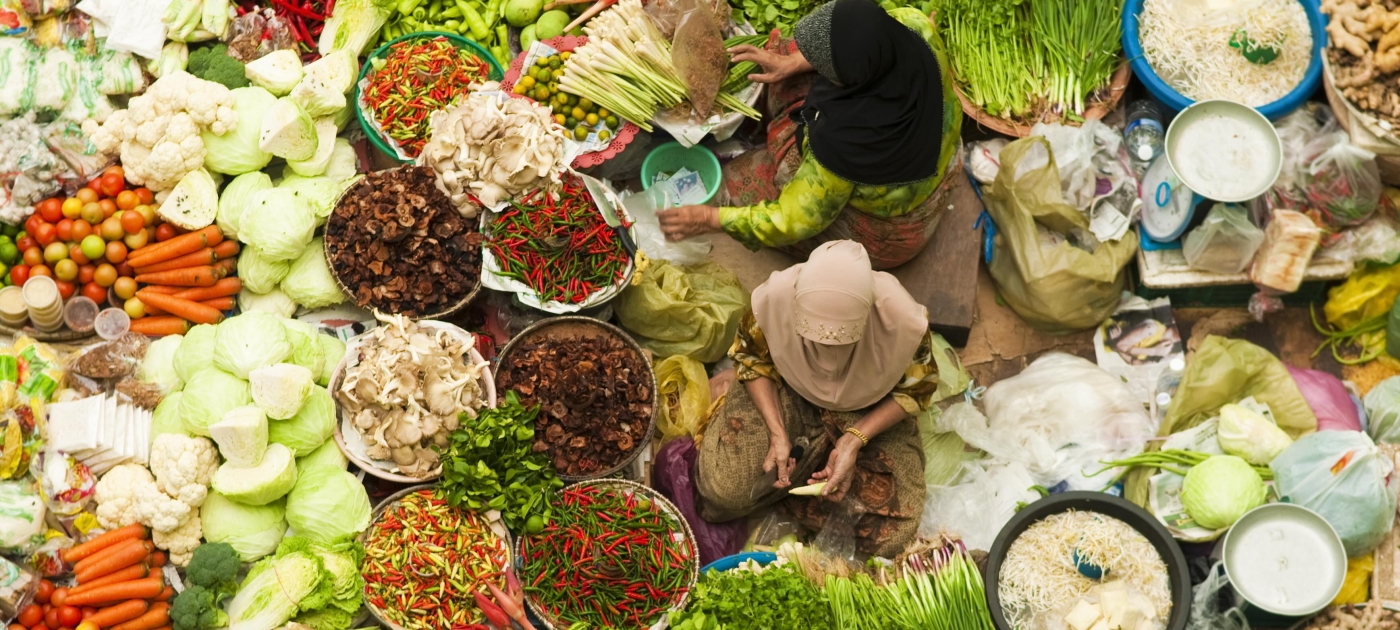
This year’s observance focuses on food waste, a critical yet preventable driver of environmental harm. The world is wasting food at an alarming scale, undermining food security and slowing progress toward a zero-waste, circular future. In 2022 alone, approximately 1 billion tonnes of food, nearly one-fifth of all food available to consumers, was wasted.
Food loss and waste represent a major climate and environmental threat. They account for up to 10% of global greenhouse gas (GHG) emissions, nearly five times the emissions from the aviation sector, and up to 14 per cent of global methane emissions. Tackling food waste is among the most cost-effective and readily achievable climate solutions, aligned with zero-waste approaches that prioritize prevention, resource efficiency and systemic change.
Governments, businesses, and individuals must embrace zero waste to overcome the waste pollution crisis. UNEP and UN-Habitat call on stakeholders – including governments, civil society, businesses, academia, communities, women and youth – to participate in national, subnational, regional and local zero-waste initiatives.
Visit Zero Waste Day website for more updates!