



UNEP
UNEP Event
Detoxifying Cosmetics and Beauty Ideals - Where policy meets art - Minamata COP6 event
6 November 2025
Geneva, Switzerland, 18:15-20:25 CET
- Overview
Panel discussion and film screening special event of the Sixth Conference of the Parties to the Minamata Convention on Mercury
This event was organized by the International Geneva Global Health Platform, Global Health Centre, Geneva Graduate Institute, and co-hosted by the United Nations Environment Programme; Global Mercury Partnership; World Health Organization; Biodiversity Research Institute; and the Global Environment Facility.
Public Event in person only
Date: Thursday 6 November 2025
Time: 18:15-20:25 with reception following
Venue: Geneva graduate Institute, Auditorium A2
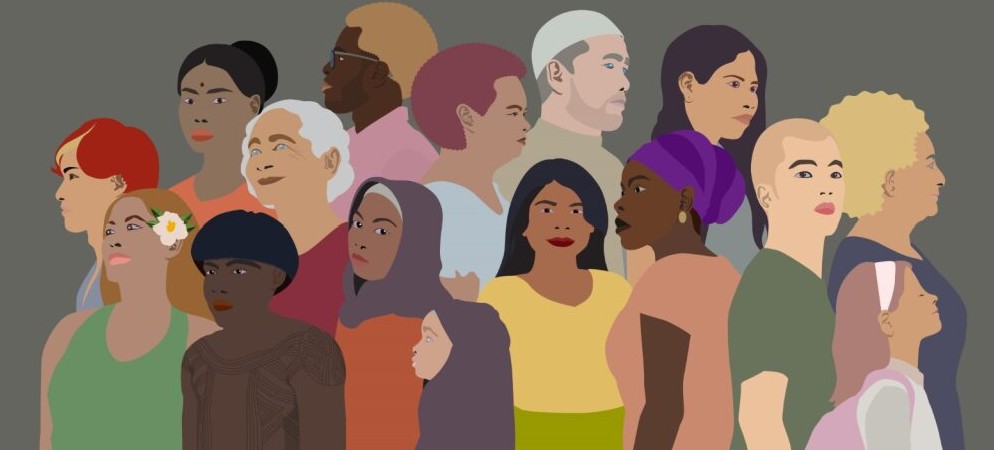
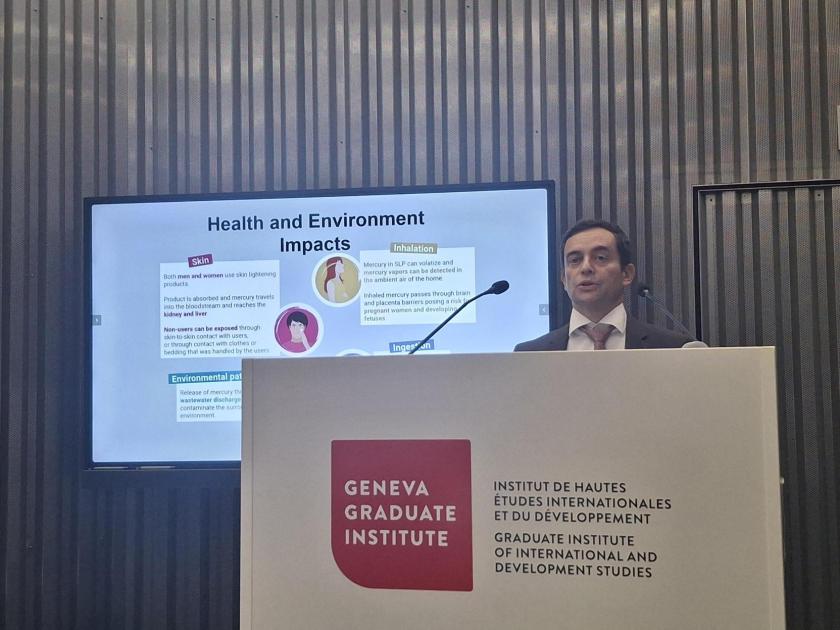
Millions of people worldwide use skin-lightening products—often branded as “whitening” or “bleaching.” But behind the promise of lighter skin lies a dangerous truth: many of these products contain toxic ingredients like steroids, hydroquinone, and mercury—a potent neurotoxin that can damage skin, health, and cause death. Beyond the health risks, they also fuel racism and colorism - prejudice based on skin tone, by promoting the discriminatory belief that lighter skin is more beautiful. Despite these products violating both national laws and international regulations and bans under the global treaty known as the Minamata Convention on Mercury, they are still widely sold, increasingly so online, slipping through regulatory cracks and putting countless peoples’ health and lives at risk.
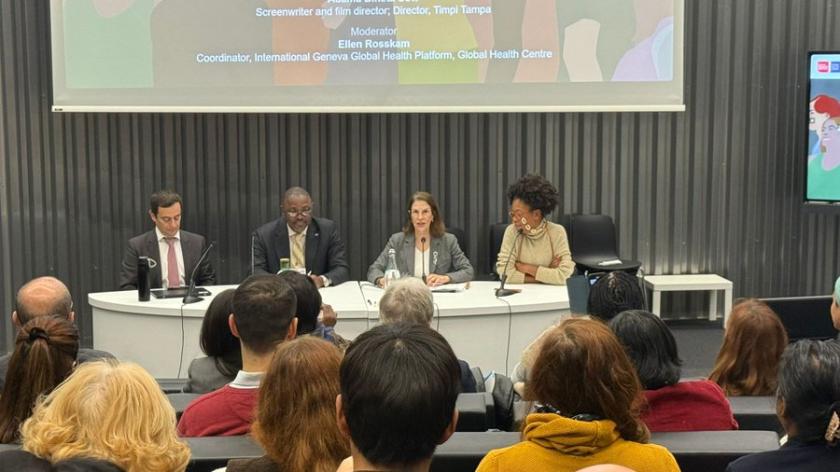
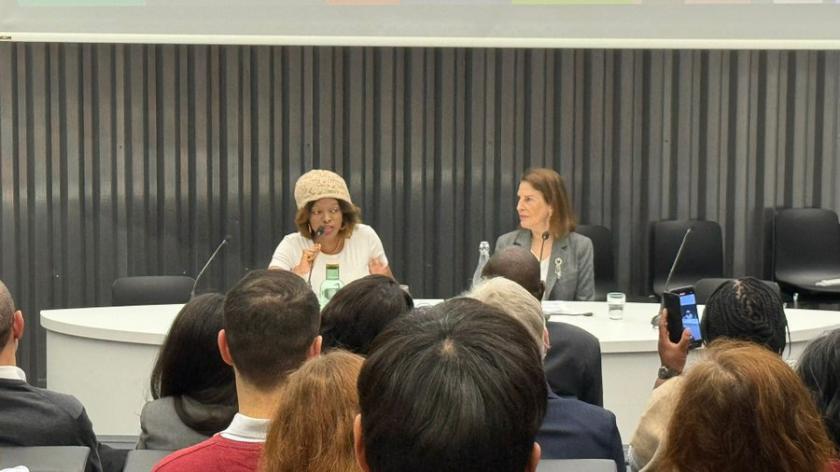
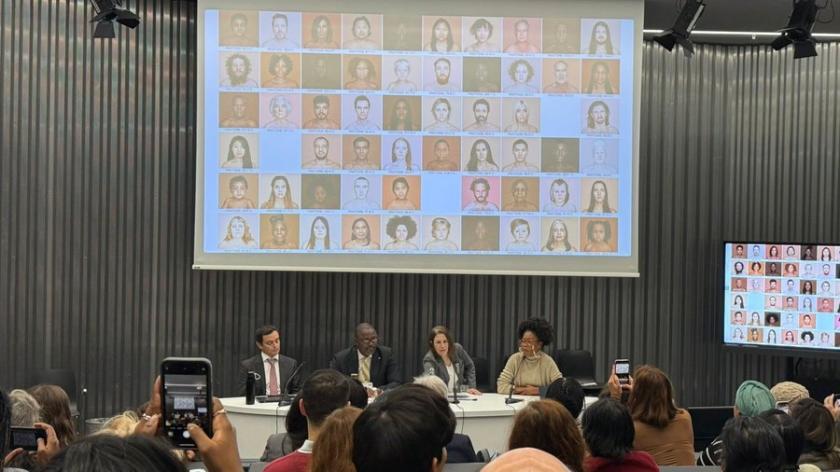
Thank you for having joined us for a powerful dialogue at the intersection of policy and art—challenging toxic beauty standards and calling for an end to harmful chemicals, such as mercury in cosmetics. This event featured voices from the United Nations, government leaders, and influential artists who shared stories, solutions, and a vision for ending mercury and colorism-fueled cosmetics. The event included the screening of Timpi Tampa, a Senegalese film that uses humor to dismantle toxic beauty standards and celebrate diversity and a conversation with the film’s director.
The film: Timpi Tampa (2025) is a satirical drama that tackles the issue of skin depigmentation and toxic beauty standards in African societies. The film follows Khalilou, a young man who, after his mother suffers from cancer due to skin bleaching, disguises himself as a woman to challenge societal norms in a beauty contest. The film blends humor and cultural critique, drawing inspiration from Asian media like the Japanese series Hana Yori Dango. Timpi Tampa earned a jury prize in the “Perspectives” category at the 29th edition of FESPACO. Timpi Tampa was recently screened at the African Cinema Festival in Lausanne, where it was very well received by the audience. The film is be in Wolof with English subtitles.
Speakers:
- Ludovic Bernaudat, Senior Programme Management Officer, Chemicals and Health Branch, UNEP; Programme Manager for GEF GOLD
- Angélica Dass, Photographer; Author of Humanae
- Serge Molly Allo’o Allo’o, Project Coordinator, WHO Gabon Office
- Adama Bineta Sow, Screenwriter and Film Director; Director of Timpi Tampa
Moderator: Ellen Rosskam Coordinator, International Geneva Global Health Platform, Global Health Centre
UNEP and the Global Mercury Partnership, in collaboration with WHO, Biodiversity Research Institute, and global partners, are working to stop the use, production, and sales of skin-lightening cosmetics containing mercury by raising awareness about the harmful chemicals they contain and helping countries tackle the issue across the entire supply chain; learn more about the campaign and the GEF-funded project.



The overall goal of the UNEP Global Mercury Partnership is to protect human health and the environment from the releases of mercury.