



Resources
Showing 1 - 25 of 497
497 results found

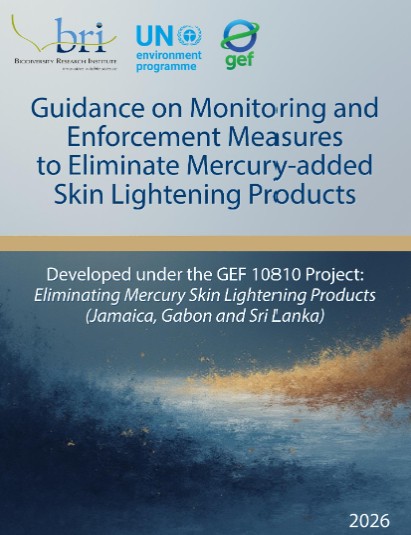
Under the project Eliminating Mercury Skin Lightening Products training activities and materials were developed to support Customs and enforcement authorities in the three project countries to understand needs and obligations for eliminating the trade of mercury-added skin lightening products (SLPs).
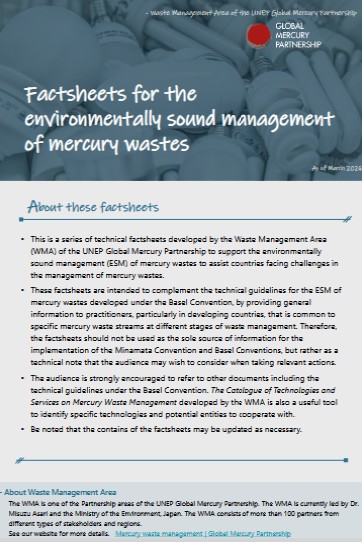
The Waste Management Area (WMA) of the UNEP Global Mercury Partnership has developed a series of technical factsheets to support the environmentally sound management of mercury wastes. These factsheets provide practical information for countries and practitioners dealing with specific mercury waste streams and different stages of waste management.
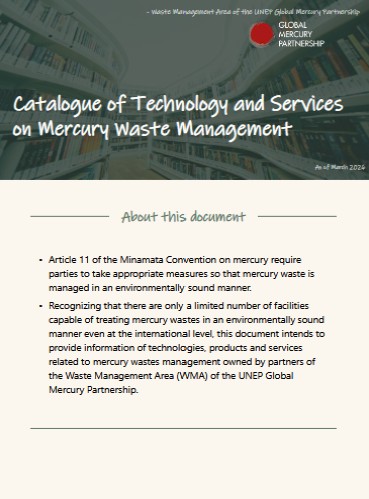
Article 11 of the Minamata Convention on mercury require parties to take appropriate measures so that mercury waste is managed in an environmentally sound manner.
During the Sixth Conference of the Parties to the Minamata Convention on Mercury in November 2025, UNEP outreach events under the theme “Detoxifying Cosmetics and Beauty Ideals – Where Policy Meets Art” brought together artists, filmmakers, and voices from the cosmetics sector to explore the issue through creative and policy perspectives. This video captures behind‑the‑scenes moments.
Skin lightening cosmetics containing mercury hurt you and the planet. Want to know more? Watch the full video here: The color of beauty Check the settings to select your preferred language.
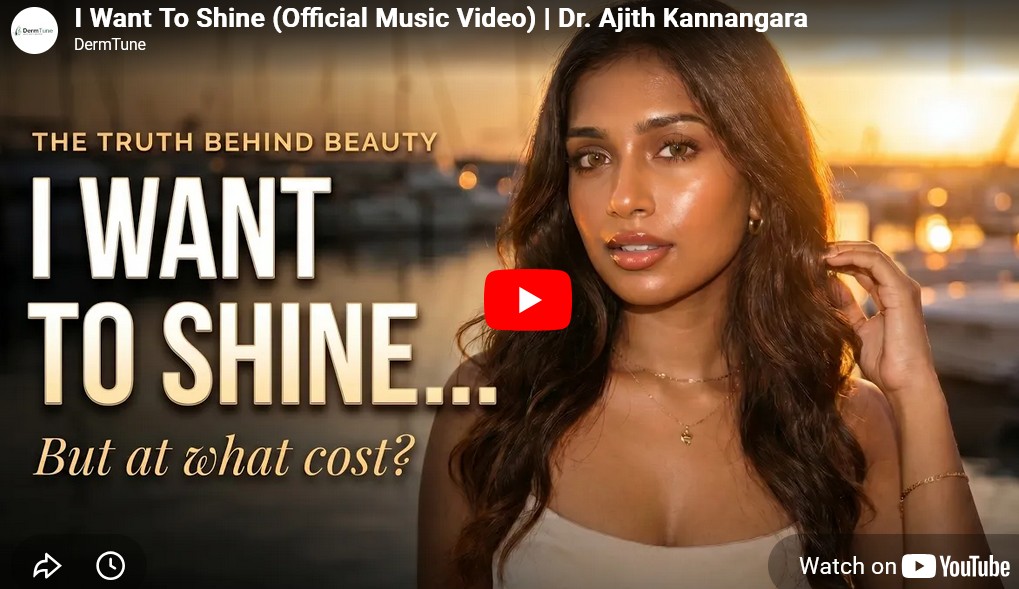
“I Want To Shine” (Official Music Video | Dr. Ajith Kannangara) is more than a song. It’s a reflection of a reality many don’t talk about — the pressure, the illusion, and the truth behind beauty.
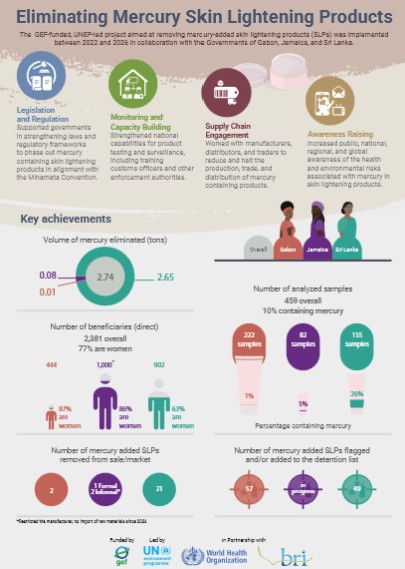
This infographic presents the key achievements of the GEF-funded, UNEP-led project aimed at removing mercury-added skin lightening products (SLPs) implemented between 2022 and 2026 in collaboration with the Governments of Gabon, Jamaica, and Sri Lanka.
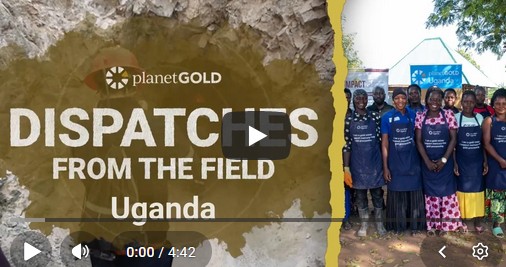
In Uganda, women miners partnering with the planetGOLD project are demonstrating how inclusive leadership, formalization initiatives and responsible gold mining practices can strengthen livelihoods while protecting local communities and the environment for generations to come.
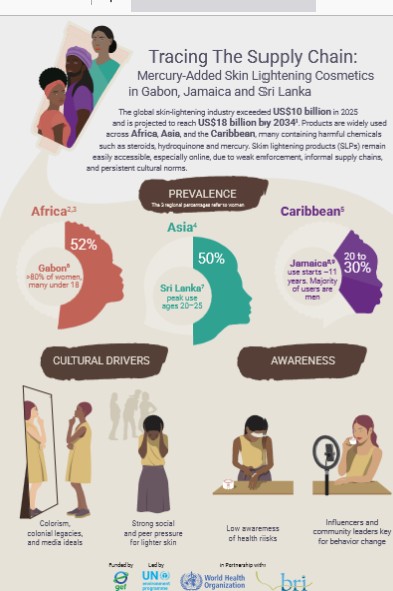
The global skin‑lightening industry exceeded US$10 billion in 2025 and is projected to reach US$18 billion by 20341. Products are widely used across Africa, Asia, and the Caribbean, many containing harmful chemicals such as steroids, hydroquinone and mercury.
[ EN / FR ]
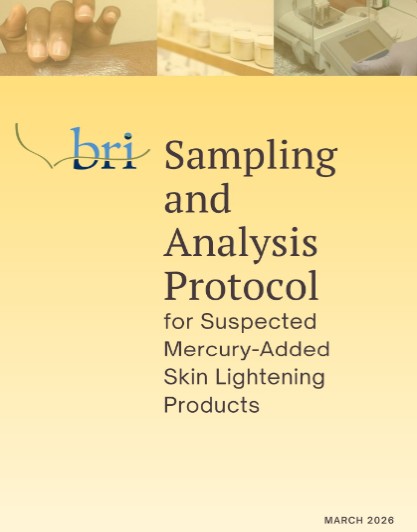
This protocol was developed by Biodiversity Research Institute (BRI) to share recommended guidelines for market surveillance activities related to the sampling of suspected mercury-added skin lightening products available on the market. Best practices and recommendations for the analysis of samples are also provided.
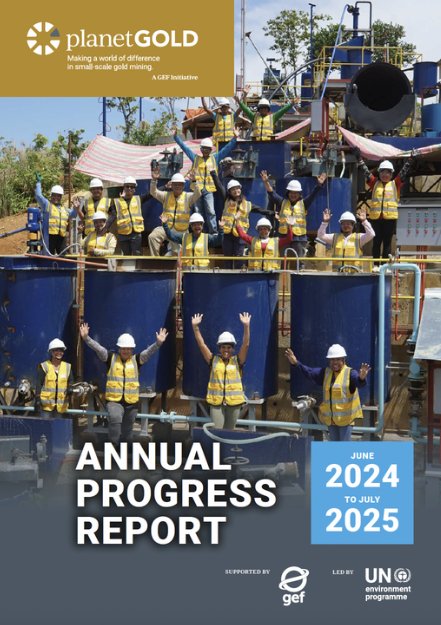
The planetGOLD programme works to make small-scale gold mining safer, cleaner, and more profitable from mine to market—by closing the financing gap, supporting formalization, and connecting miners with mercury-free technology and formal markets.
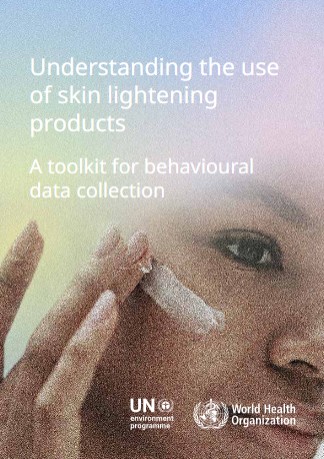
This toolkit offers practical guidance and ready‑to‑use tools to support the collection of behavioural data and insights on the use of skin lightening products. Its purpose is to inform effective public health interventions and regulatory action.
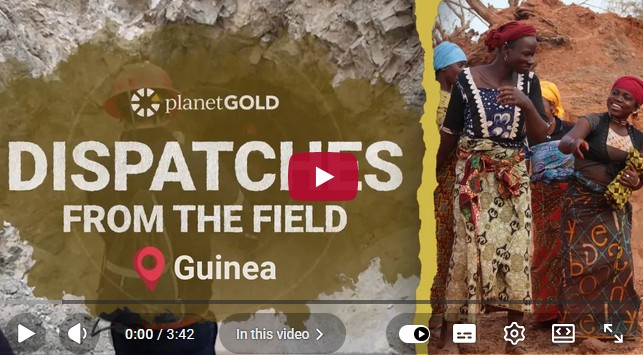
A major barrier to the transition away from mercury use in artisanal and small-scale gold mining is the typical lack of formalization in the sector. The planetGOLD programme is piloting innovative and holistic approaches to formalization, such as Jurisdictional and Landscape Approaches.
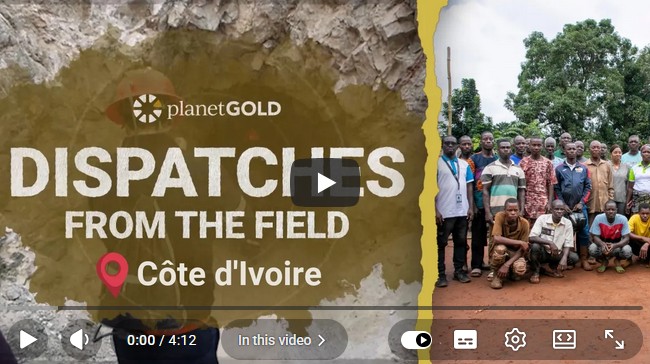
The number of artisanal and small-scale gold miners in Côte d'Ivoire has steadily grown for the past two decades. Although mercury use is common in these operations and many face barriers to operating formally, the planetGOLD project is working to help overcome these challenges and bring artisanal miners into the formal economy.
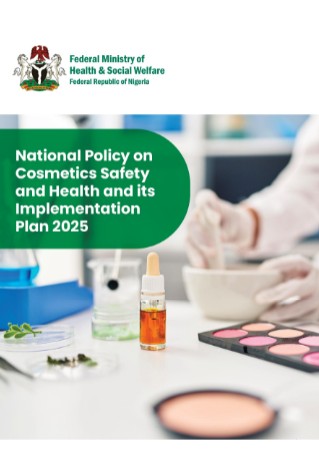
The National Policy on Cosmetics Safety and Health (NPCSH) provides Nigeria with that coherent framework. It establishes a unified direction for regulation, coordination, and vigilance across the cosmetics value chain, from formulation and manufacturing to distribution, marketing, use, and disposal.
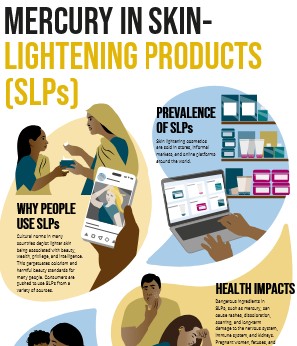
The infographic shows the harmful health and environmental impacts of these products, and the need for the Minamata Convention's implementation through regulation, enforcement and awareness-raising.
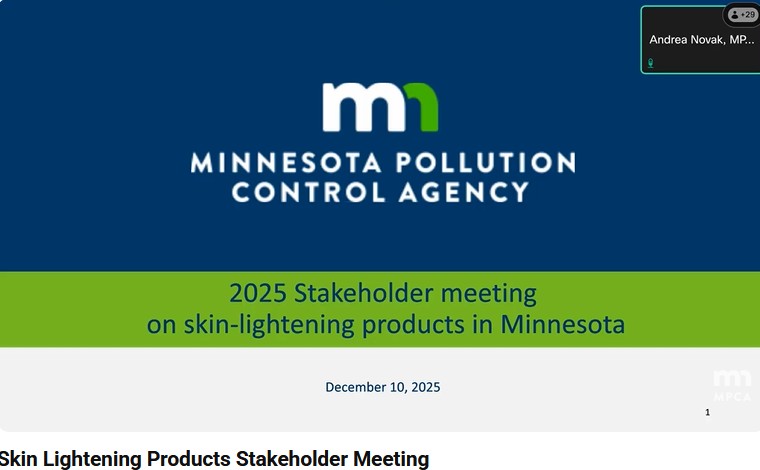
The first annual skin-lightening cream stakeholder meeting was held on Dec. 10, 2025. Minnesota Pollution Control Agency (MPCA) staff, along with business and community stakeholders, shared updates and engaged in a rich discussion about ways to protect human health and the environment from contaminated skin-lightening creams. Watch the video.
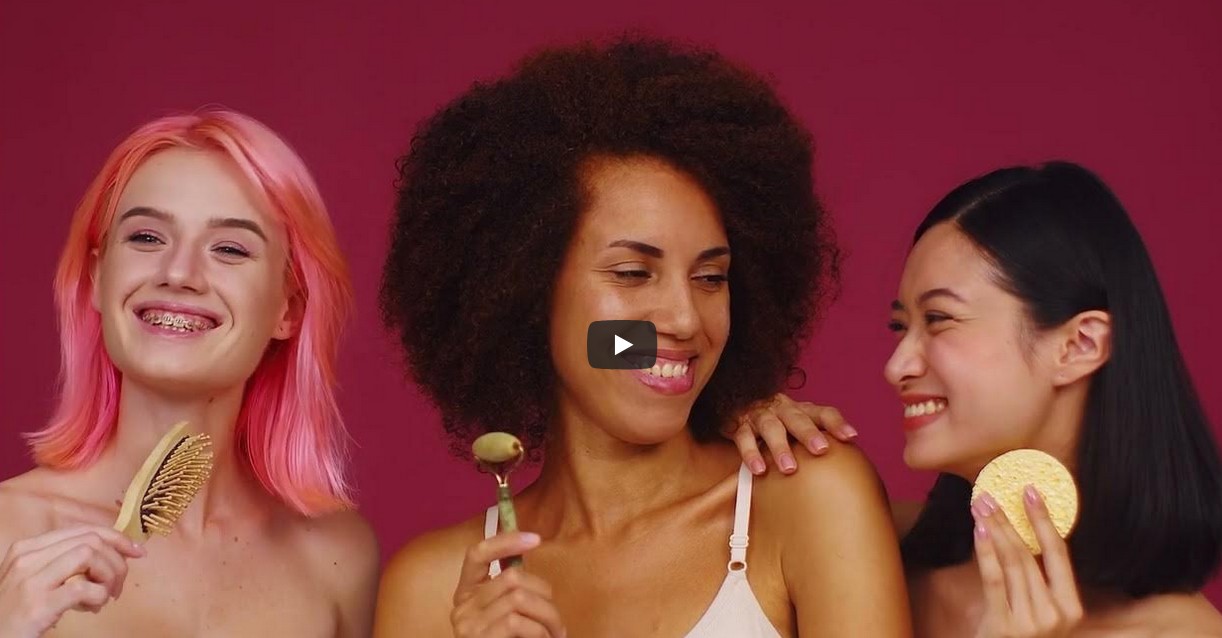
Fairness at a Cost is a powerful documentary that explores the growing obsession with lighter skin tones and the widespread use of skin-lightening products—many of which contain dangerous substances like mercury, hydroquinone, and steroids.
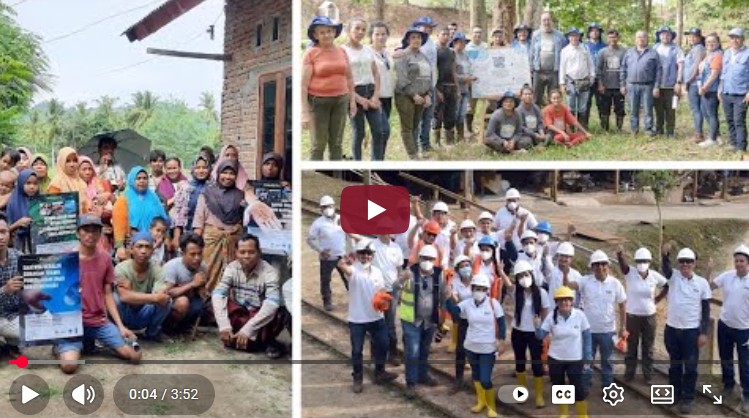
The GEF-funded planetGOLD programme works in partnership with governments, the private sector, and artisanal and small-scale gold mining (ASGM) communities with the objective of eliminating mercury from the supply chain of gold produced by ASGM. Watch the video to learn more.
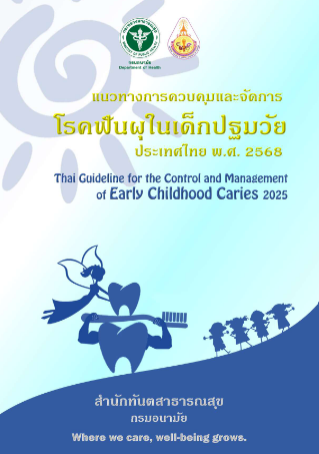
This National Guideline has been developed as part of the project “Accelerate implementation of dental amalgam provisions and strengthen country capacities in the environmental sound management of associated wastes under the Minamata Convention on Mercury”.
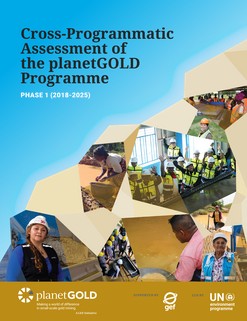
This report provides a cross-programmatic assessment of the first phase (2018-2025) of the planetGOLD programme, which comprised nine country-level projects as well as a global coordination project.
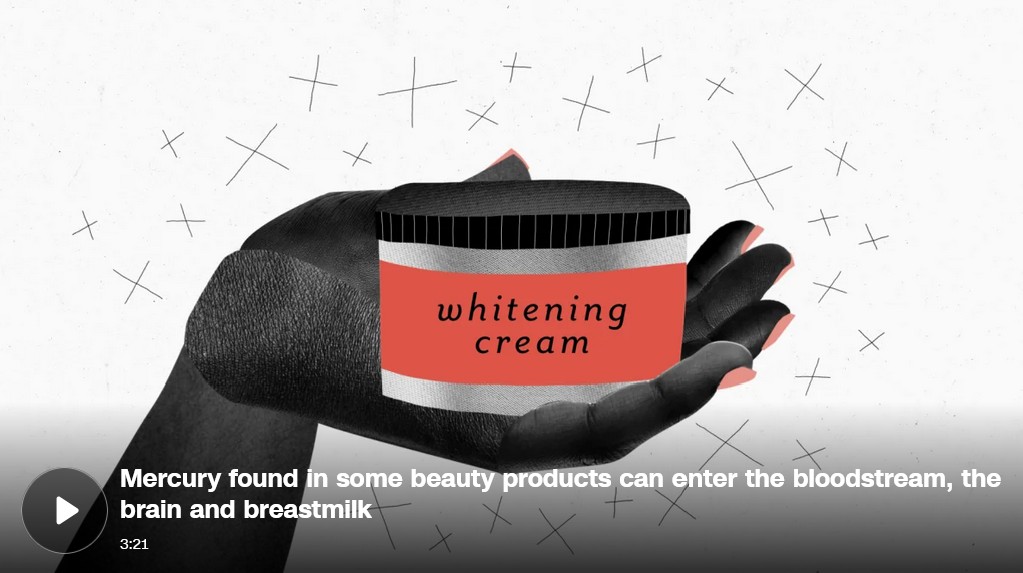
Mercury found in some beauty products can enter the bloodstream, the brain and breastmilk.
This video and article from CNN explains it all and presents findings from a new report analysing cosmetics in USA and Canada.
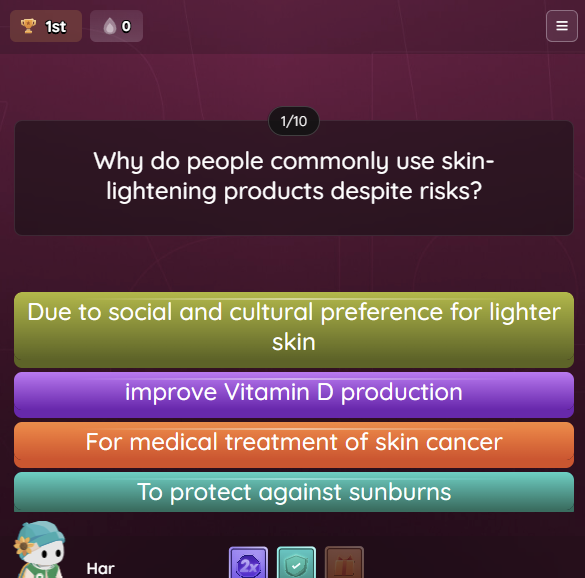
This Tool was developed by the Health Promotion Bureau, Ministry of Health and Mass Media, Sri Lanka, during their ToT programs.
The Quiz Game is an educational resource that teachers or session moderators can use to engage with students or participants.
Level: Easy - 10 questions (multiple choices)
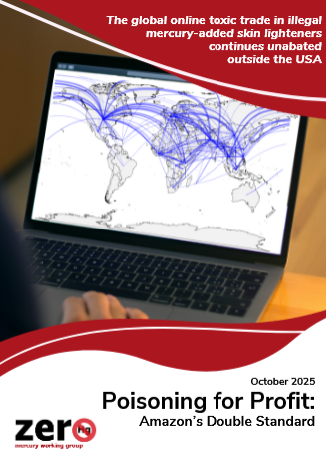
This report documents the ongoing availability of mercury added skin lightening products (SLPs) on Amazon websites around the world, despite a recent legal settlement with Amazon.com in the United States. The legal settlement in the U.S.—negotiated by the U.S.
Showing 1 - 25 of 497



The overall goal of the UNEP Global Mercury Partnership is to protect human health and the environment from the releases of mercury.