



results found
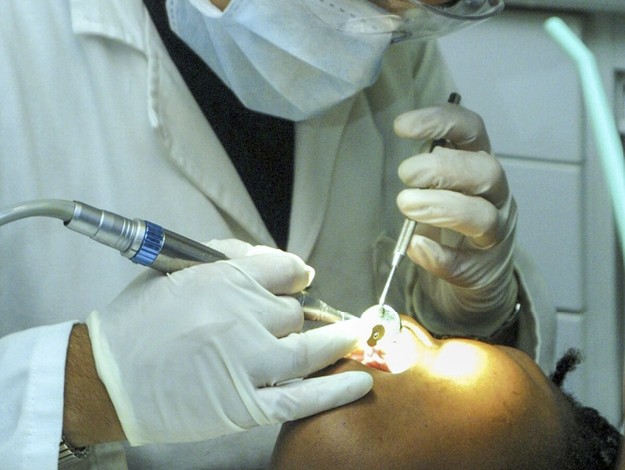
Health and environment policymakers and experts from across WHO South-East Asia today came together to strengthen collaboration to protect people and the environment by accelerating phase-out of mercury-containing dental fillings and advancing safer, more sustainable oral health care.
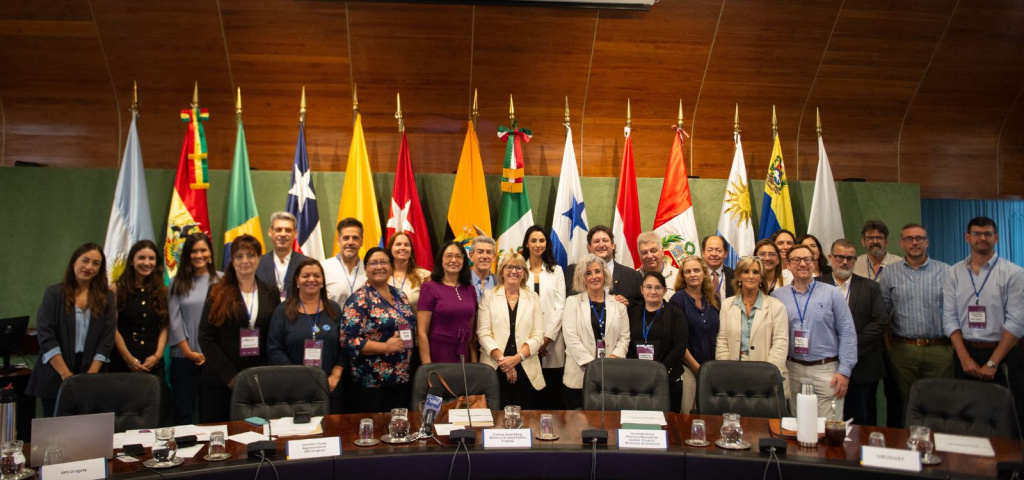
Uruguay compartió su experiencia en la eliminación gradual de la amalgama dental con otros países de América Latina durante un taller regional organizado en el marco del proyecto sobre amalgama dental del Fondo para el Medio Ambiente Mundial (GEF).
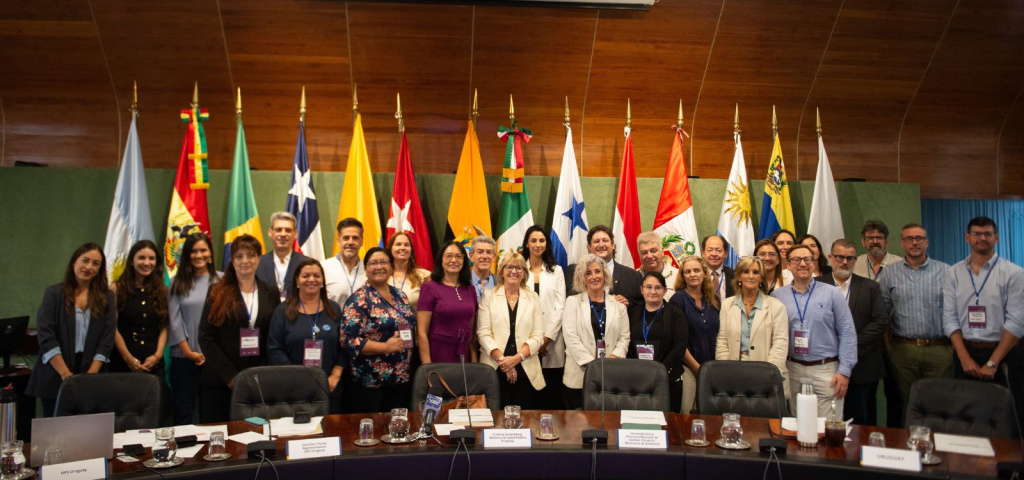
Uruguay shared its experience in phasing out dental amalgam with other Latin American countries in a regional workshop under the GEF dental amalgam project.
Montevideo, 4 de marzo de 2026. Autoridades de los ministerios de Salud Pública y Ambiente, organismos internacionales y delegaciones de varios países de la región participan en Montevideo en el Taller Regional para la reducción progresiva del uso de amalgama dental, un espacio de intercambio técnico orientado a fortalecer la cooperación regional y acelerar la implementación del Convenio de Minamata sobre el Mercurio.
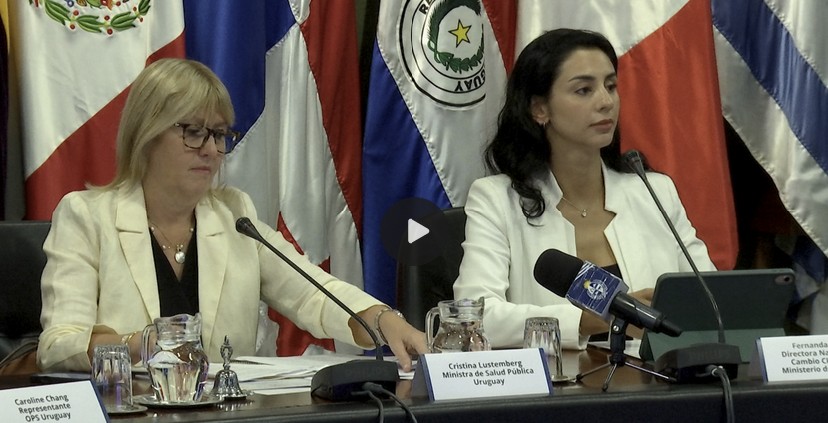
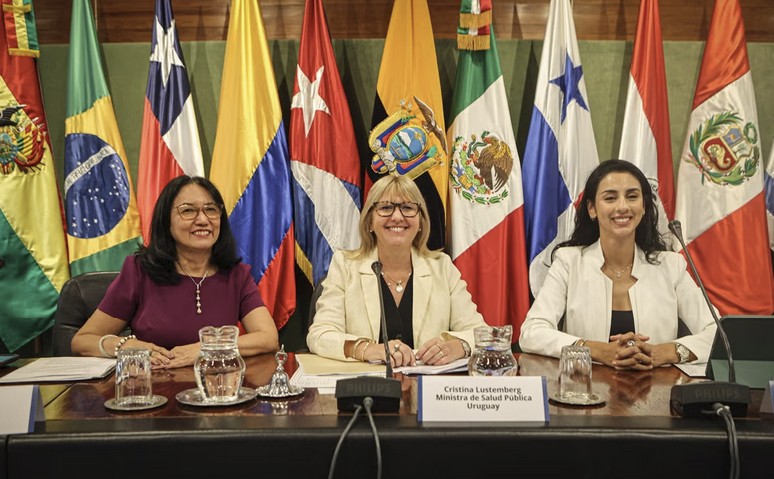
La ministra de Salud Pública, Cristina Lustemberg, presidió un taller regional de la Organización Mundial de la Salud (OMS) sobre la reducción progresiva del uso de amalgamas dentales y anunció la próxima firma de una ordenanza que prohibirá que se utilicen en el país.
Read the original post fron Uruguay Government
Geneva, 7 November 2025 - The sixth meeting of the Conference of the Parties to the Minamata Convention on Mercury (COP-6), held in Geneva from 3 to 7 November 2025, brought together over 1,000 participants in person and nearly 4,000 online viewers. Parties adopted 22 decisions to advance the Convention’s objective of protecting human health and the environment from mercury pollution, marking a week of collaboration, determination, and shared purpose.

Among the decisions made at COP-5, Parties defined new dates to phase out mercury-added products including cosmetics, strengthened ties with Indigenous Peoples, advanced the first effectiveness evaluation of the Convention, and reached an agreement on a threshold for mercury waste.
Read more on Minamata Convention website

It is October 2013, and Rimiko Yoshinaga is standing behind a podium in Minamata, Japan, gazing at an auditorium packed with world leaders.
Silence descends upon the room as she begins recounting how a mysterious illness had killed her father decades earlier.
Yoshinaga would learn her father was one of thousands of Minamata-area residents poisoned in the 1950s and 1960s by industrial runoff laced with mercury, a neurotoxin.

Senegal, Thailand and Uruguay have joined forces to reduce the environmental and health impacts of the dental industry
Mercury is a key component of dental amalgam, posing significant risks to human and environmental health when improperly handled and disposed of
$13-million initiative will support a holistic approach to accelerate the phase down of dental amalgam use and improve the disposal of mercury-containing waste

By 2020 the manufacture, import and export of mercury-added products is no longer allowed
Parties agreed on a framework to monitor the effectiveness of the Convention in order to strengthen its implementation
The Third meeting of the Conference of the Parties to the Minamata Convention on Mercury took place from 25 to 29 November in Geneva, Switzerland

Mercury—a toxic heavy metal that can cause serious and lasting health problems—turns up in many places that you wouldn’t expect. It has now been more than two years since the entry into force of the Minamata Convention, a global treaty to protect human health and the environment from the adverse effects of mercury. But the production of many mercury-containing products continues around the globe.



The overall goal of the UNEP Global Mercury Partnership is to protect human health and the environment from the releases of mercury.