




UNEP
UNEP Event
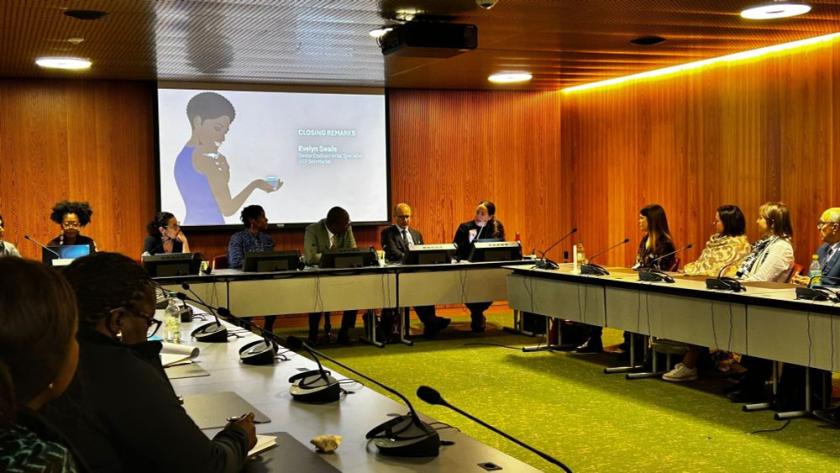
Detoxifying Cosmetics and Beauty Ideals: Global voices and solutions to reduce demand for mercury and skin lightening - Minamata COP6 event
5 November 2025
Geneva, Switzerland, 14:00-14:45 CET
- Overview
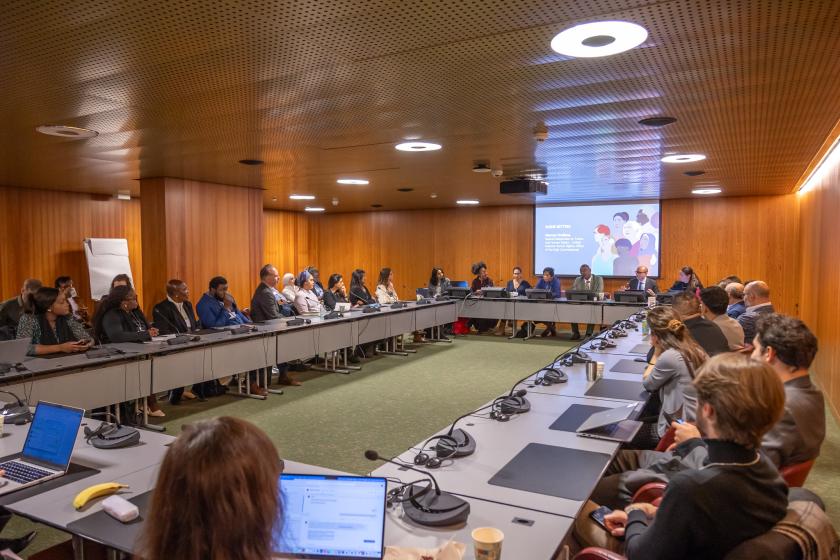
As part of the Sixth Conference of the Parties (COP6) of the Minamata Convention, the Global Mercury Partnership together with the World Health Organization, the Biodiversity Research Institute and Zero Mercury Group, are organised an event on Wednesday 5 November at the Centre International de Conferences, Geneva, Switzerland.
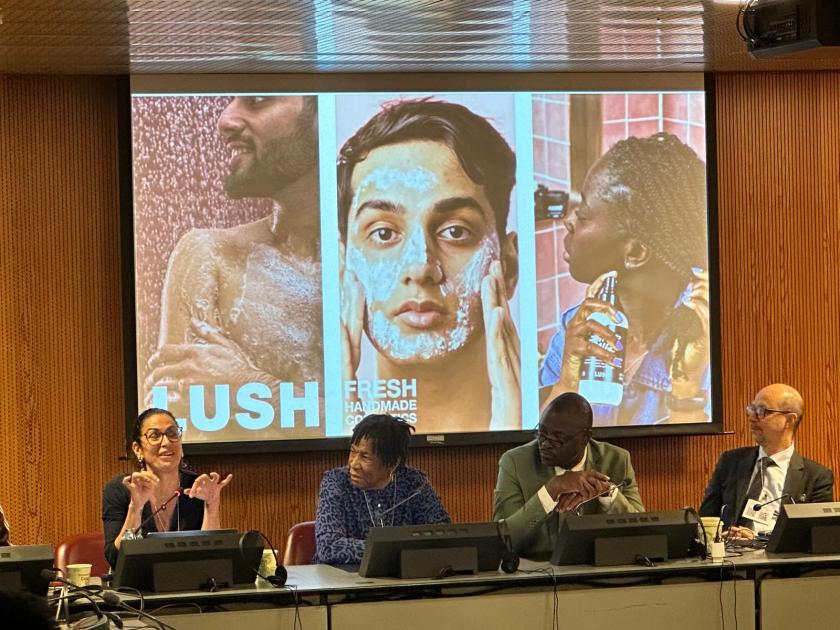
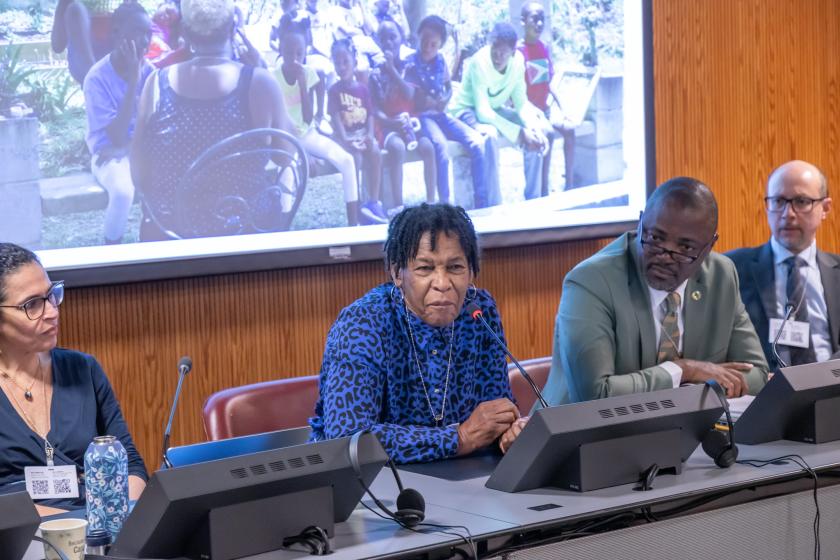
Mercury in skin lightening products threatens health, the environment, and human rights, yet harmful beauty norms drive their use. This panel unites governments, advocates, and the private sector to share solutions—from public education and policy change to ethical consumer engagement.
The event highlighted the urgent need to address mercury in skin lightening products (SLPs) as a multidimensional issue—impacting public health, environment, and social equity.
Thank you for having join us to spotlight the risks, challenge discriminatory beauty standards, and elevate global voices working to end mercury and colorism-fueled cosmetics.
Speakers:
- Marcos Orellana, Special Rapporteur on Toxics and Human Rights – United Nations Human Rights, Office of the High Commissioner (OHCHR)
- Serge Molly Allo’o Allo’o, National Project Officer - World Health Organization Gabon
- Ruth Spencer, Country representative - Antigua and Barbuda
- Ruth Andrade, Private sector representative – LUSH
- Angelica Dass, Photographer author of Humanae
- Evelyn Swain, Senior Environmental Specialist - GEF Secretariat



The overall goal of the UNEP Global Mercury Partnership is to protect human health and the environment from the releases of mercury.