



Angélica Dass
UNEP Event
Detoxifying Cosmetics and Beauty Ideals - Humanæ
27 October - 16 November 2025
Geneva, Switzerland
- Overview
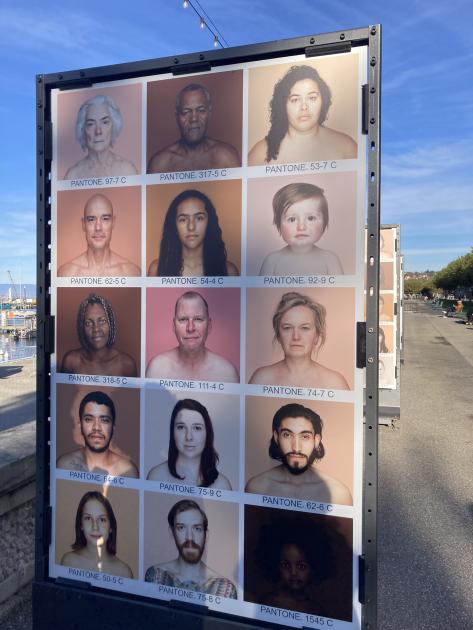
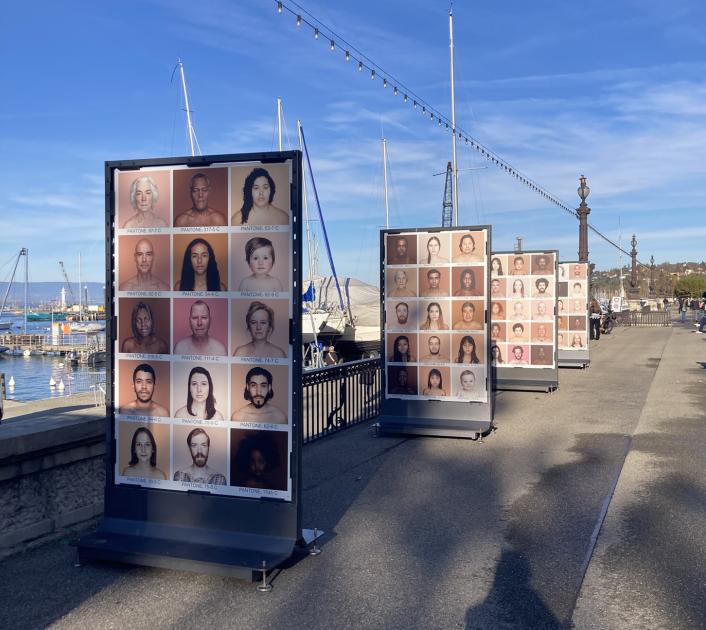
In the margins of Minamata COP-6 a powerful photographic exhibition is on display on the lakeshore of Geneva, from 27 October to 16 November 2025.
Humanæ celebrates the true colors of humanity, challenging stereotypes and narrow ideals of beauty.
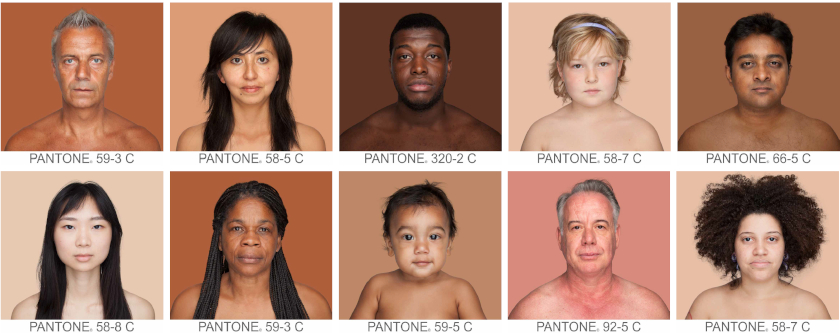
Humanæ is a photographic work in progress by Angélica Dass. Through portraits, she documents the colors of human skin, challenging racial labels such as "white", "black", "yellow" or "red". Humanæ demonstrates that what defines a human being is his or her uniqueness and diversity. The background of each image is based on a color sample taken from the subject's nose and matched to the Pantone® industrial palette.
The project does not select participants and has no end date. It already includes around 4,500 portraits taken in 39 cities across 20 countries. Spontaneous participation and direct dialogue with the public are essential, giving the project a strong activist dimension. From individuals listed in Forbes to refugees who crossed the Mediterranean by boat, from students in Switzerland to those in the favelas of Rio de Janeiro, from UNESCO Headquarters to shelters—people of different beliefs, gender identities, and physical conditions, from newborns to the terminally ill, all come together to build Humanæ.
Millions worldwide use skin lightening products - often marketed as skin whitening or bleaching - to alter their appearance. However, this can come at a high cost. Skin lightening products often contain harmful ingredients like steroids, hydroquinone, and mercury - a neurotoxin that can seriously harm our skin and health. Beyond the health risks, they also fuel racism and colorism, i.e. prejudice based on skin tone, by promoting the discriminatory belief that lighter skin is more beautiful. Despite these products violating both national laws and international regulations under the global treaty known as the Minamata Convention on Mercury, they are still widely sold, increasingly online, often with little or no regulatory enforcement.
The United Nations Environment Programme is working to stop the use, production, and sales of skin-lightening cosmetics containing mercury by raising awareness about the harmful chemicals they contain and helping countries tackle the issue across the entire supply chain.
In the run-up to the Sixth Conference of the Parties to the Minamata Convention on Mercury, Humanæ reinforces the idea that mercury has no place in cosmetics, and calls for beauty standards that embrace diversity, not toxic chemicals.
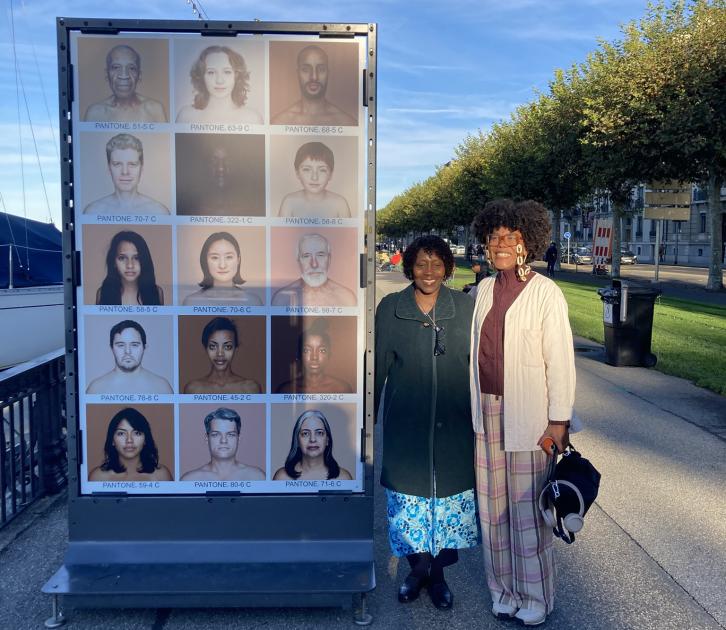
On Tuesday 4 November 2025, Elisabeth Mrema, Deputy Executive Director of the United Nations Environment Programme, visited Humanæ and thanked Angélica for her essential work.
Angélica Dass is a Brazilian-Spanish photographer whose practice combines image-making, research, and social participation to advocate for human rights. Her work has been exhibited at institutions such as the Musée de l’Homme, UN Habitat III, the American Museum of Natural History in New York, the Musée de l’Élysée in Lausanne, and the Montreal Museum of Fine Arts, as well as in streets and museums across cities in Europe, the Americas, Asia, and Africa. It has also been featured in outlets such as National Geographic, Foreign Affairs, and the BBC.
Beyond exhibition spaces, Angélica develops impactful educational work in collaboration with schools, universities, and international organizations such as UNESCO. In 2021, she published the children’s book The Colors We Share with Aperture, accompanied by an educational guide now used in NYC public schools. Recognized as a cultural leader by the World Economic Forum and awarded the Gold Medal of the Spanish Red Cross, she is also an inspiring speaker who has presented at institutions such as TED, Tate Modern, the University of Salamanca, and the University of Bologna. Her works are part of permanent collections in museums and foundations across Europe, the Americas, and the Middle East.



The overall goal of the UNEP Global Mercury Partnership is to protect human health and the environment from the releases of mercury.