11 November 2025, Belém, Brazil – The Intergovernmental Council for Buildings and Climate (ICBC) launched the Belém Call for Action for Sustainable and Affordable Housing at its first Ministerial Meeting, addressing the urgent intersection between the world’s growing population and the climate impacts of buildings.
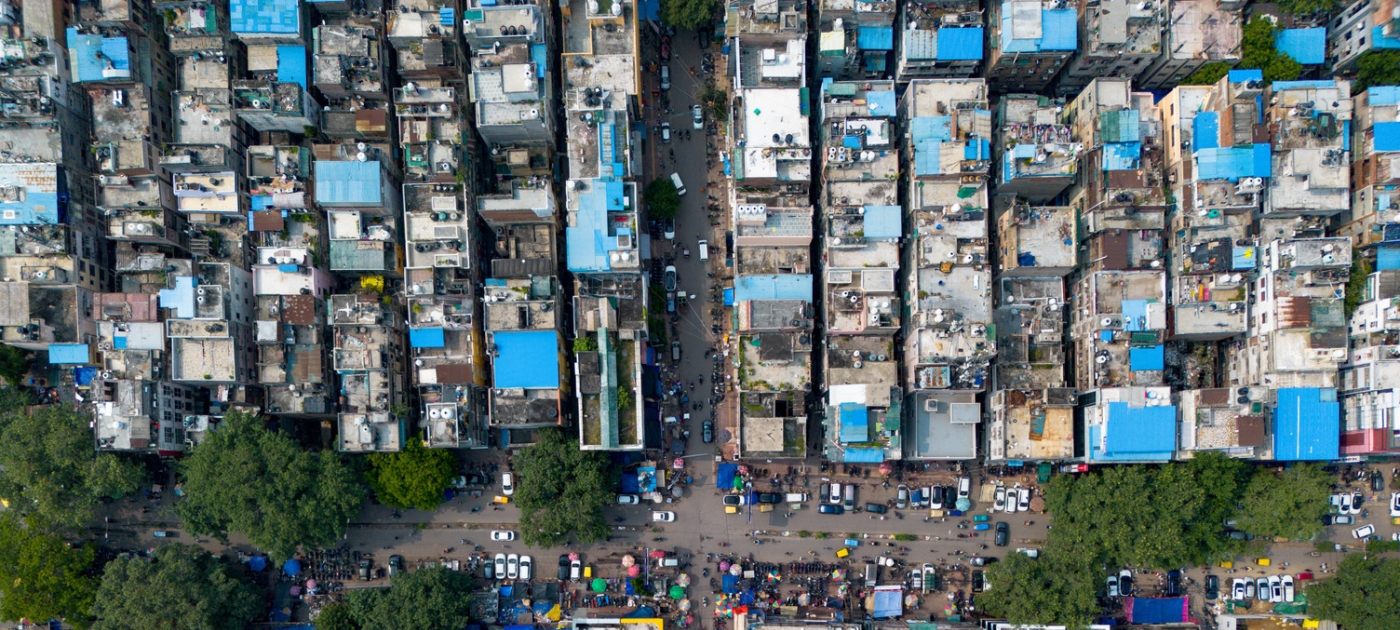
Globally, 2.8 billion people face housing inadequacy; meeting global housing needs by 2030 requires building 96,000 homes every day. Meanwhile, buildings generate one-third of global energy use and emissions while being increasingly impacted by climate hazards.
Established by the Chaillot Declaration policy framework that supports climate action in the building sector, and launched at COP29 in Baku, the ICBC convenes more 60 countries to align national building policies with global climate goals.
Hosted by the UN Environment Programme’s Global Alliance for Buildings and Construction and led by France, Brazil and Kenya, the ICBC regularly convenes national representatives to share best practices and monitor progress on the Declaration's implementation.
“The ICBC Belém Call for Action on Sustainable and Affordable Housing rightly affirms a key principle: affordability and sustainability must advance together,” said Inger Andersen, UNEP’s Executive Director, in a speech at the meeting. “The buildings sector can become a beacon for climate action, both in reducing emissions and providing resilient housing for billions of people. And the ICBC will be fundamental in getting us there.”
Through the Belém Call for Action, ICBC members were called to commit to concrete, time-bound targets for advancing building goals:
- By 2030: Integrate climate action into housing policies; work toward establishing an Affordable and Sustainable Housing Finance Alliance with international finance institutions and multilateral development banks to help close the US$1.1 trillion annual investment gap; and define and consider official development assistance (ODA) flows for sustainable housing.
- By 2035: Align national housing policies with the Chaillot Declaration; prioritise housing meeting locally appropriate standards on efficiency, emissions and resilience; and prohibit construction in climate-risk areas without protective measures, which is vital for the 1.12 billion people currently living in vulnerable settlements.
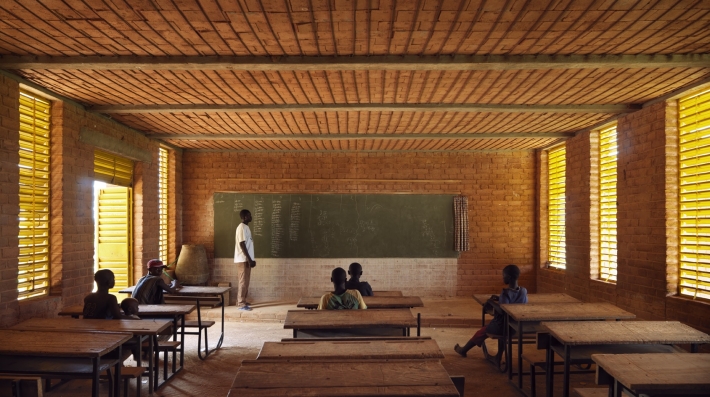
The Belém Call for Action marks a major effort to help ensure the access of future generations to safe, climate-resilient and affordable housing.
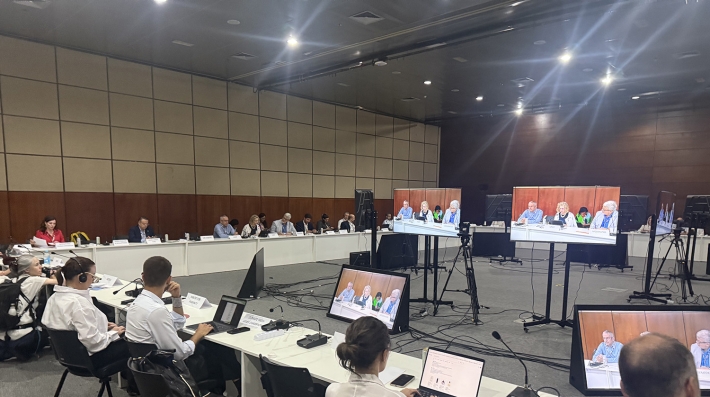
"Building on the momentum from the Déclaration de Chaillot, we are moving from pledges to implementation," said Benoît Faraco, France’s ambassador for limate change negotiations, carbon-free energy, and climate risk prevention, and ICBC Troika Chair. "These commitments give countries the tools to deliver on their climate goals as they implement their updated NDCs."
"For Africa and the broader Global South, this Call for Action guarantees that efforts to address climate change are pursued without compromising the affordability and accessibility of essential resources and services,” said Alice Wahome, Cabinet Secretary in Kenya’s Ministry of Lands, Public Works, Housing and Urban Development, and an ICBC Troika Co-Chair.
Ministers also endorsed key initiatives to accelerate the decarbonization of buildings. Recognizing that public procurement accounts for up to 13 per cent of global GDP and 15 per cent of global greenhouse gas emissions, they welcomed the Global Framework for Action on Sustainable Public Procurement as a powerful instrument to advance sustainability and climate goals. They also endorsed the Principles for Responsible Timber Construction to promote bio-based materials and circular construction practices, and the World Championship for Energy Savings, a new effort that encourages faster improvements in energy intensity in the commercial sector and shows that cost-effective energy efficiency measures are within reach.
“Cities account for a major share of global greenhouse gas emissions, and it is their residents who suffer most from the consequences of climate change. There can be no climate justice without urban justice,” said Jader Filho, Brazil’s Minister of Cities and ICBC Troika Co-Chair.
About the Global Alliance for Buildings and Construction
The Global Alliance for Buildings and Construction (GlobalABC) is a collaborative platform founded during the UN Climate Change Conference (COP21), led by France and hosted by the UN Environment Programme (UNEP). With over 397 members, including 71 countries, GlobalABC champions a zero-emission, efficient, and resilient buildings and construction sector. GlobalABC also coordinates the Buildings Breakthrough aimed at fostering international cooperation on building decarbonization and resilience through strategic policy support. This effort is led by France and Morocco, emphasizing GlobalABC's role in uniting countries around climate-friendly policies in the buildings sector.
About the Déclaration de Chaillot
The Déclaration de Chaillot, endorsed at the March 2024 Buildings and Climate Forum, is a key document for international cooperation in the building sector's transition towards zero emissions and resilience. The Declaration establishes a collaborative global policy framework that actively engages stakeholders across the buildings sector in climate action, aligning closely with GlobalABC’s vision for decarbonization.