As discussions on loss and damage advance at the Bonn Climate Change Conference, a new report from the United Nations Environment Programme Copenhagen Climate Centre (UNEP‑CCC) examines how countries are reflecting health-related losses and impacts within national climate policy frameworks.
The report, Loss and Damage Beyond Economics, assesses how countries address non‑economic losses, particularly those related to health, in national climate plans, including Nationally Determined Contributions, National Adaptation Plans (NAPs) and Health National Adaptation Plans.
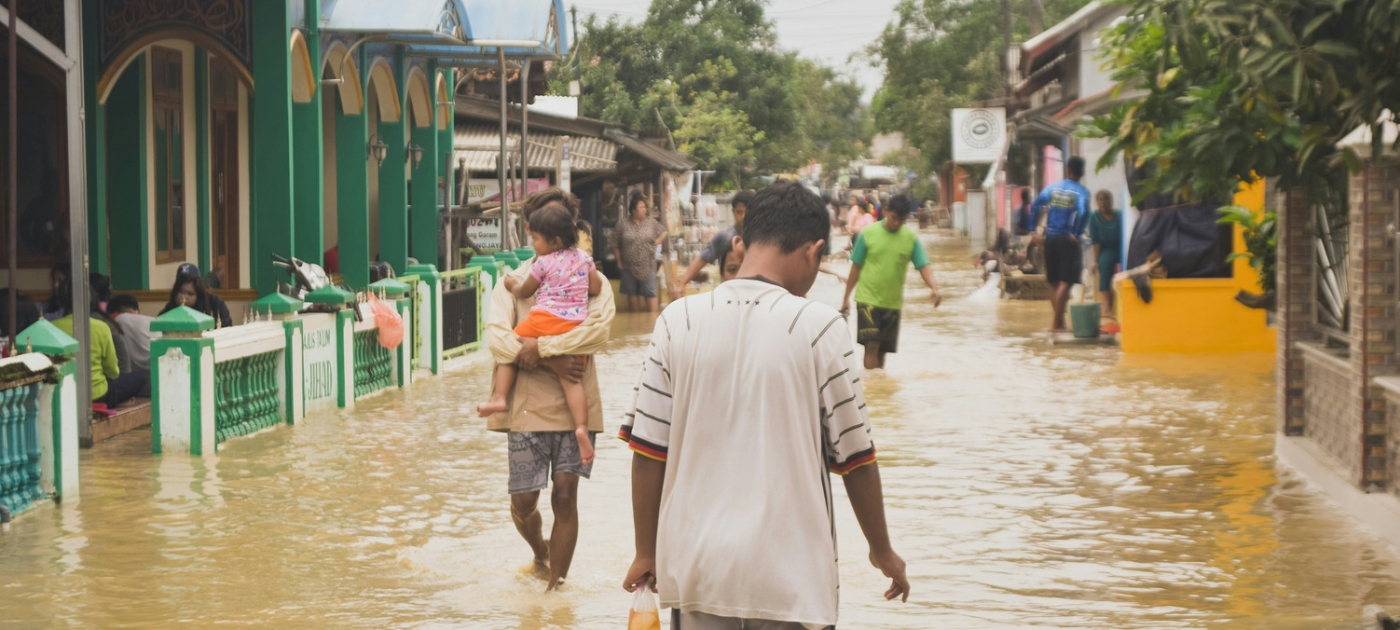
The findings come as the health impacts of climate change intensify worldwide, with heat‑related deaths reaching almost 500,000 each year and projected to rise further.
“Climate change is increasingly a public health crisis,” said Anne Olhoff, Director, UNEP CCC. “Countries are recognizing this, but urgent action is needed to turn that awareness into practical policies and support.”
The analysis finds increasing references to physical and mental health impacts across national climate strategies, particularly in NAPs.
However, there is limited evidence that these risks are being translated into operational measures, financing mechanisms, or implementation pathways, highlighting persistent challenges in moving from recognition to effective action.
This comes despite the scale of the challenge: 3.6 billion people already live in areas highly vulnerable to climate change, placing immense pressure on health systems and communities.
While climate impacts are often measured in economic terms, the report underlines that many of the most severe consequences cannot be quantified financially, including loss of life, impacts on mental health and the erosion of social cohesion.
Globally, the economic toll of climate impacts is already severe, with at least US$2.8 trillion in losses and damage recorded between 2000 and 2019, yet such figures capture only part of the picture.
“Many climate impacts are irreversible and deeply personal,” added Olhoff. “Addressing loss and damage is ultimately about protecting people, not just economies.”
The report comes as countries in Bonn advance discussions on scaling up support to address loss and damage under the UN climate process, including the operationalization of the Fund for Responding to Loss and Damage.
To help close the gap between recognition and action, the report identifies priority areas where countries can strengthen their national approaches. Those include:
- embedding health more systematically in national climate policies, including NDCs and NAPs, to move beyond general references towards clearly defined policy responses;
- developing data, indicators and assessment approaches to better capture non‑economic losses, such as impacts on physical and mental health, displacement and wellbeing which remain insufficiently measured; and
- strengthening financing pathways and implementation planning to address the gap between recognition of health risks and the lack of operational responses and funding mechanisms.
As climate-related health risks continue to grow, strengthening implementation will be important to support effective and sustained national responses, say experts.