Across the globe, women bear the brunt of water challenges and climate impacts, yet their voices remain underrepresented in decision making. Still, countless women are leading transformative efforts on the ground — protecting rivers, wetlands and freshwater ecosystems that sustain their communities.
This World Water Day, we spotlight four of these women, each of whom work closely with the United Nations Environment Programme (UNEP) and whose leadership is advancing more inclusive, people centered approaches to freshwater conservation. Their stories underline how protecting and restoring freshwater systems is ultimately about safeguarding health, livelihoods and dignity because when nature thrives, communities are more resilient.
Fostering access to clean water and reducing pollution through engineering innovation
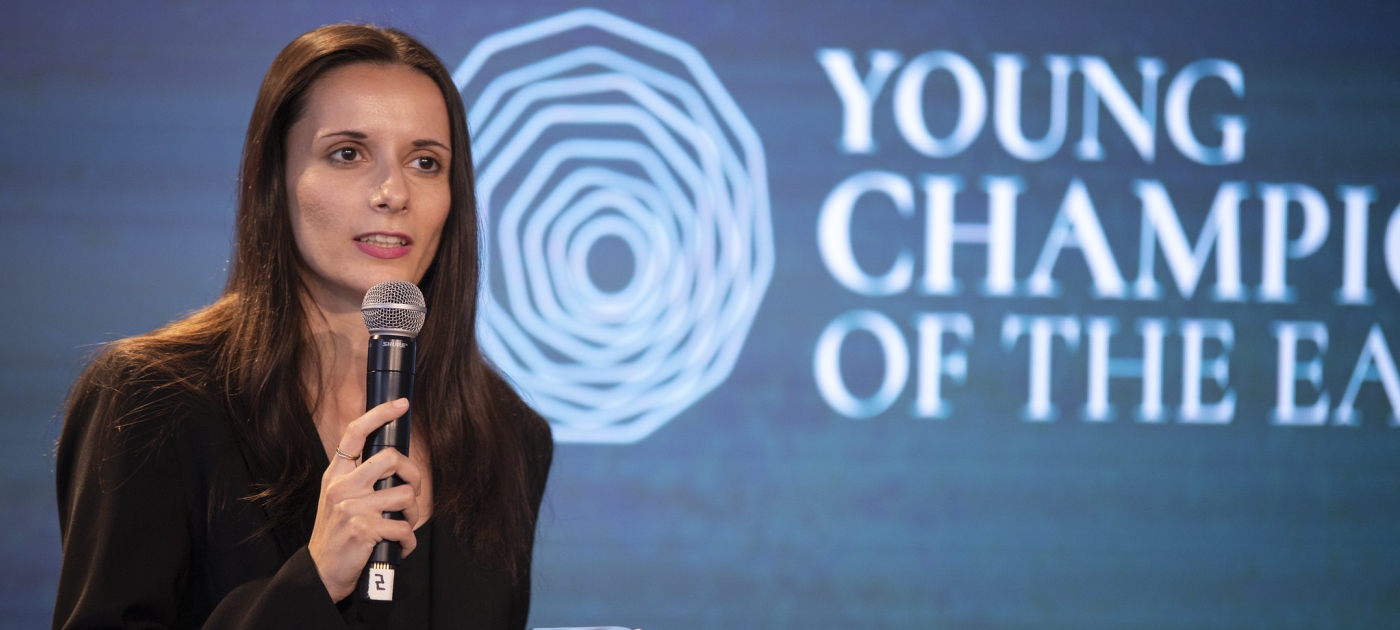
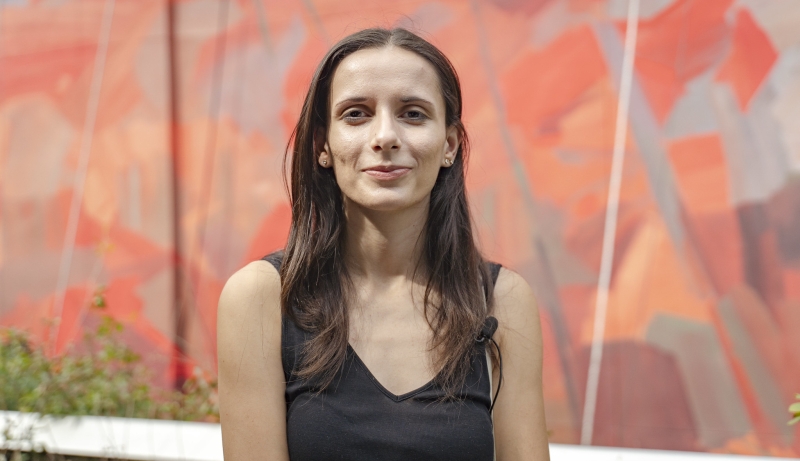
Noemi Florea is the inventor of Cycleau, a compact system that converts greywater into safe drinking water. Her innovation journey began in the United States during the COVID19 pandemic, when she volunteered at local food and water distribution drives. There, she met families who had lost access to drinking water due to contamination or shutoffs.
Florea, a UNEP 2025 Young Champion of the Earth, says inclusivity is crucial when governments make decisions about water. Women frequently manage household water and bear the consequences of shortages and poor sanitation. Their lived experience provides essential knowledge about community needs and system limitations, practical considerations that can improve water resource planning and technology design.
Her work also recognizes household water use and wastewater treatment are intimately tied to the health of rivers, aquifers, and ultimately the ocean. Solutions that safely reuse water and reduce pollution at the source can help protect ecosystems and improve water security across the entire cycle.
“Ultimately, building equitable water and wastewater systems requires the same thing as building effective ones: science-backed information, practical tools, and inclusive collaboration, so decisions and solutions work in the real world,” says Florea.
Building inclusive local governance for river protection
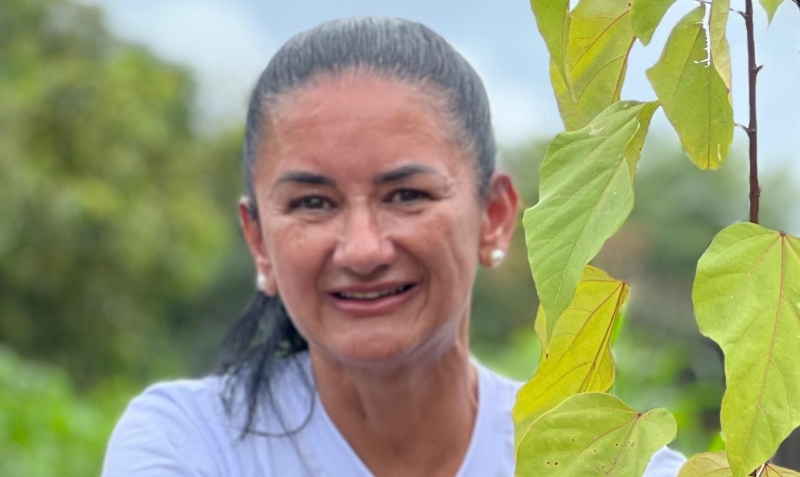
Cristhiane Vasconcelos is a Brazilian biologist and entrepreneur who leads the Upper Araguaia River Basin Committee in her home region, Barra do Garças. Through various partnerships, she works to preserve and restore the Araguaia, which sustains her region.
Vasconcelos’ connection to the river runs deep. Growing up in a fishing community, she was immersed early in the rhythms of the waterway and the challenges faced by those who depend on it.
She says cultural norms have long positioned men as the primary decision-makers, which can be intimidating for women entering governance. But this landscape is shifting, with women ascending to key positions in local governments and research organizations. In Mato Grosso, women now hold important leadership roles in environmental and water management institutions, helping to strengthen coordination and facilitate collaboration in basin governance.
“Women… now have an active voice and meaningful participation in decision-making processes,” says Vasconcelos, a key local stakeholder at the UNEP-led sustainable watershed management project in Brazil.
Advocating for inclusive governance through the lens of youth
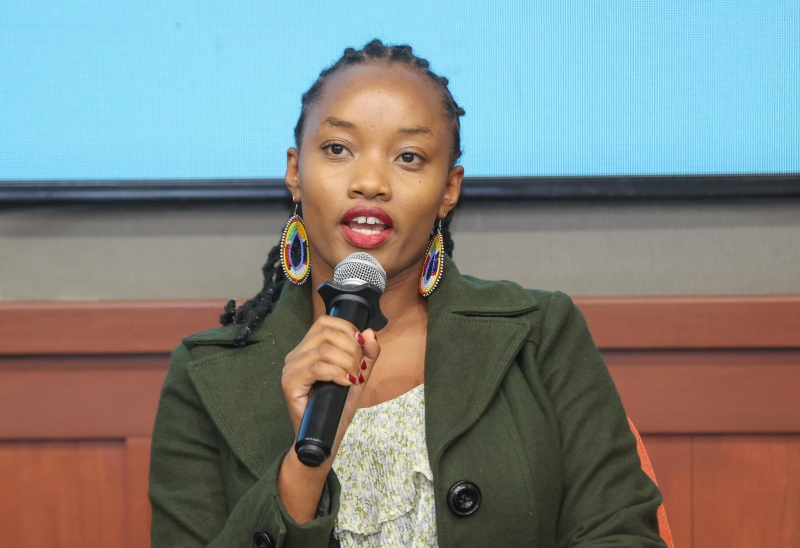
Beatrice Wambui is a Kenyan environmentalist who specializes in disaster risk reduction. Her academic training gave her a strong understanding of the links between climate change and water insecurity. But it wasn’t until she began working that she realized something important: despite being among the most affected by water insecurity, young people were largely absent from water governance processes. This realization led her, together with fellow young leaders, to establish Africa Water Ambassadors, a youth-led platform promoting inclusive water resource management, and advancing citizen science in collaboration with the World Water Quality Alliance (WWQA) convened by UNEP.
Wambui underscores the importance of including young women in decision making, especially in low-income communities without piped water. “When women are part of water infrastructure planning and management, they think about what others may overlook: how far children must walk [to get water], whether the route is safe, whether the cost is manageable and whether the system will be maintained,” she says. If water governance is to be truly gender-responsive, it must integrate women as key players in decision-making processes at all levels of the sector.”
Driving change through evidence and science
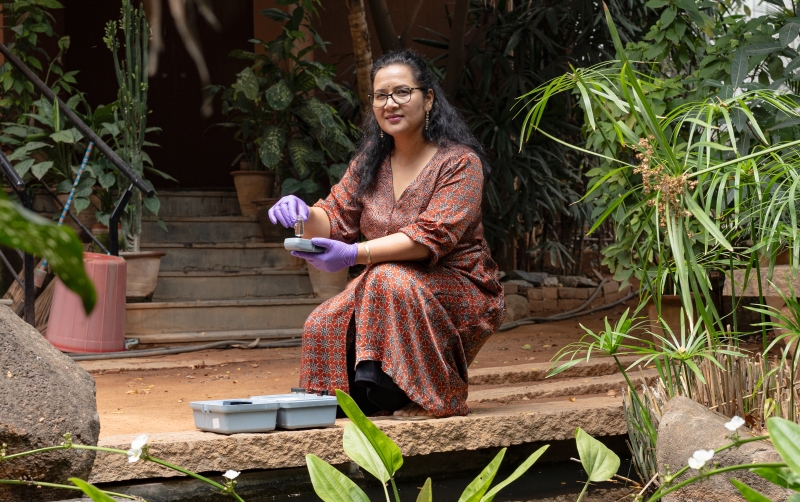
Priyanka Jamwal is an Indian civil engineer with expertise in water quality and wastewater treatment. She is also part of the Ashoka Trust for Research in Ecology and the Environment, a non-profit organization that brings together scientists, policymakers and communities, which is partnering with UNEP to help preserve water resources in India
Jamwal believes science is essential for effective freshwater restoration. She advocates for stronger, more informed government decision-making on water security. She stresses that women’s representation within government bodies and water institutions is crucial.
“When women are included in planning and policy, water-related issues are more likely to be recognized early, addressed seriously and managed in a way that supports families as well as the growing women workforce.“
She also underscores the importance of education and visibility for women in scientific and leadership roles. Their presence not only strengthens the sector today but also inspires young girls and early-career professionals to pursue paths in water research, engineering, and policy, building a more diverse and capable workforce for the future.