

News
Type: Story
Showing 1 - 16 of 16
16 results found

Building on ongoing efforts to address plastic pollution, the Circular Cities Beyond Plastic project convened its second regional webinar under the Intercity Network on Plastics Circular Economy in Latin America and the Caribbean. The session brought together city representatives, technical experts and partners to exchange knowledge and identify scalable solutions for circular plastic management.

Every year, millions of people flock to the world’s coral reefs to marvel at the diversity of marine life they support.
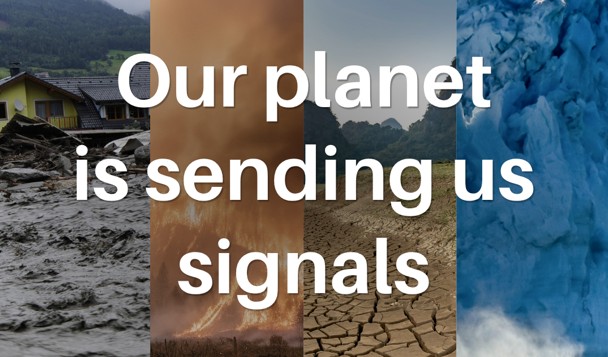
It is easy to get discouraged by the state of the planet.
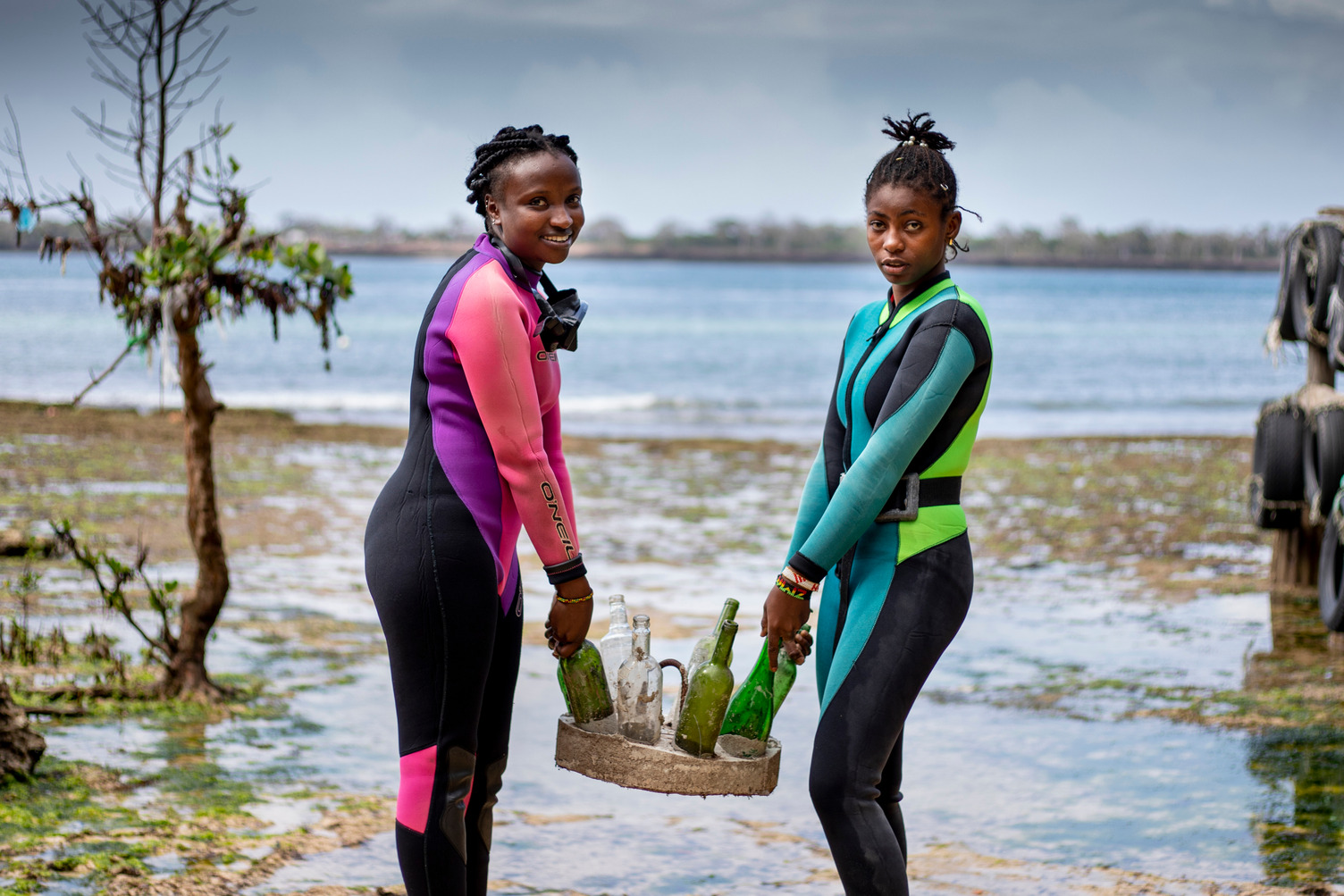
As the world marks the International Day of Women and Girls in Science, the UNEP Cartagena Convention Secretariat reflects on a reality that is as urgent as it is inspiring: women and girls are critical to the science that protects the Caribbean Sea.
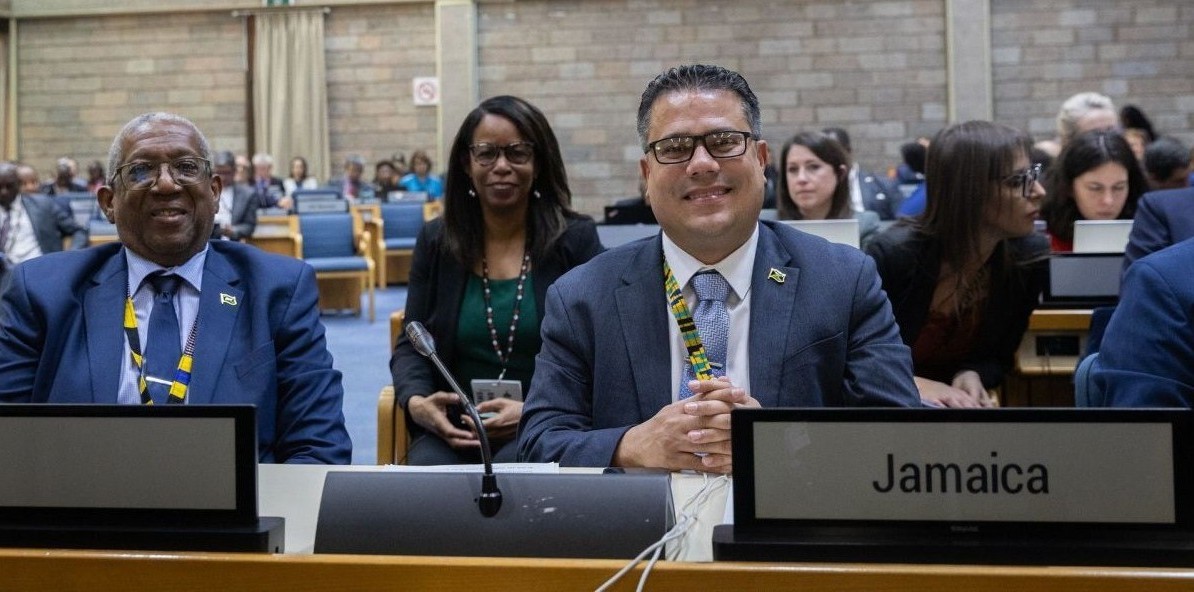
The election of Jamaica as President and Saint Kitts and Nevis as Vice-President of the United Nations Environment Assembly (UNEA 8) Bureau marks a significant milestone for the UNEP Cartagena Convention and for the Wider Caribbean Region, reinforcing the region’s growing influence in global environmental governance.
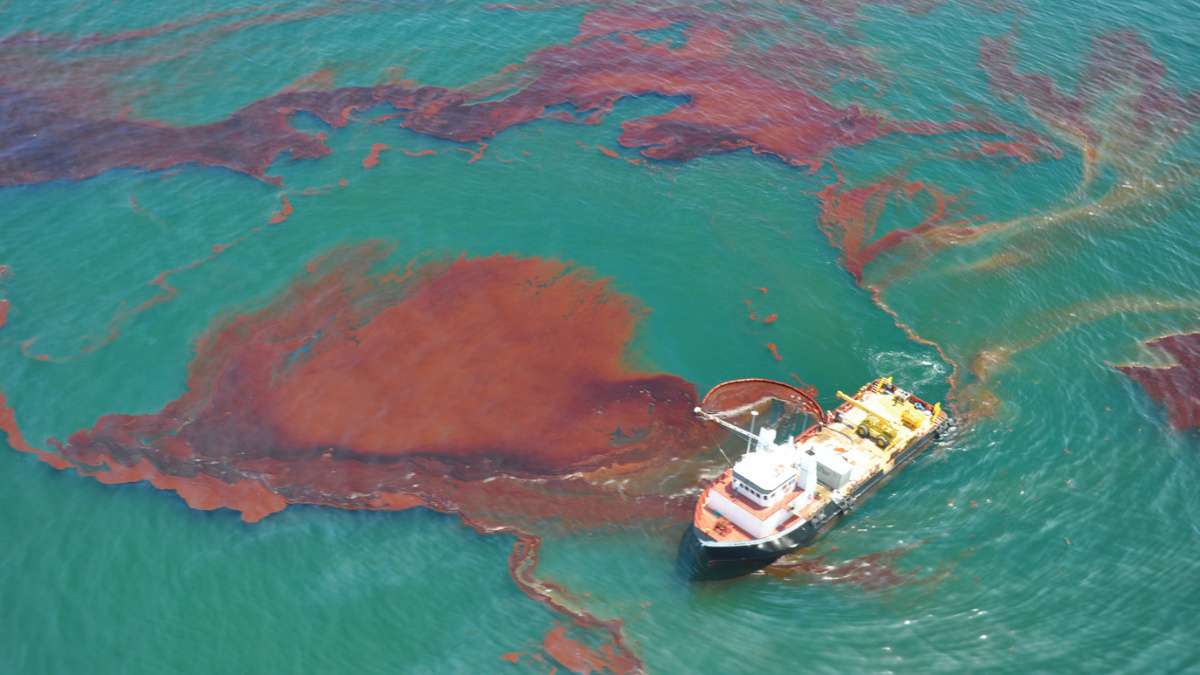
On July 19th 1979, the waters off Tobago's coast became the setting for a now-historic disaster. The supertankers Atlantic Empress and Aegean Captain collided, releasing nearly 287,000 tonnes of crude oil into the Caribbean Sea. At the time, this was the largest tanker-based oil spill in history, and its devastation echoed across the Caribbean.
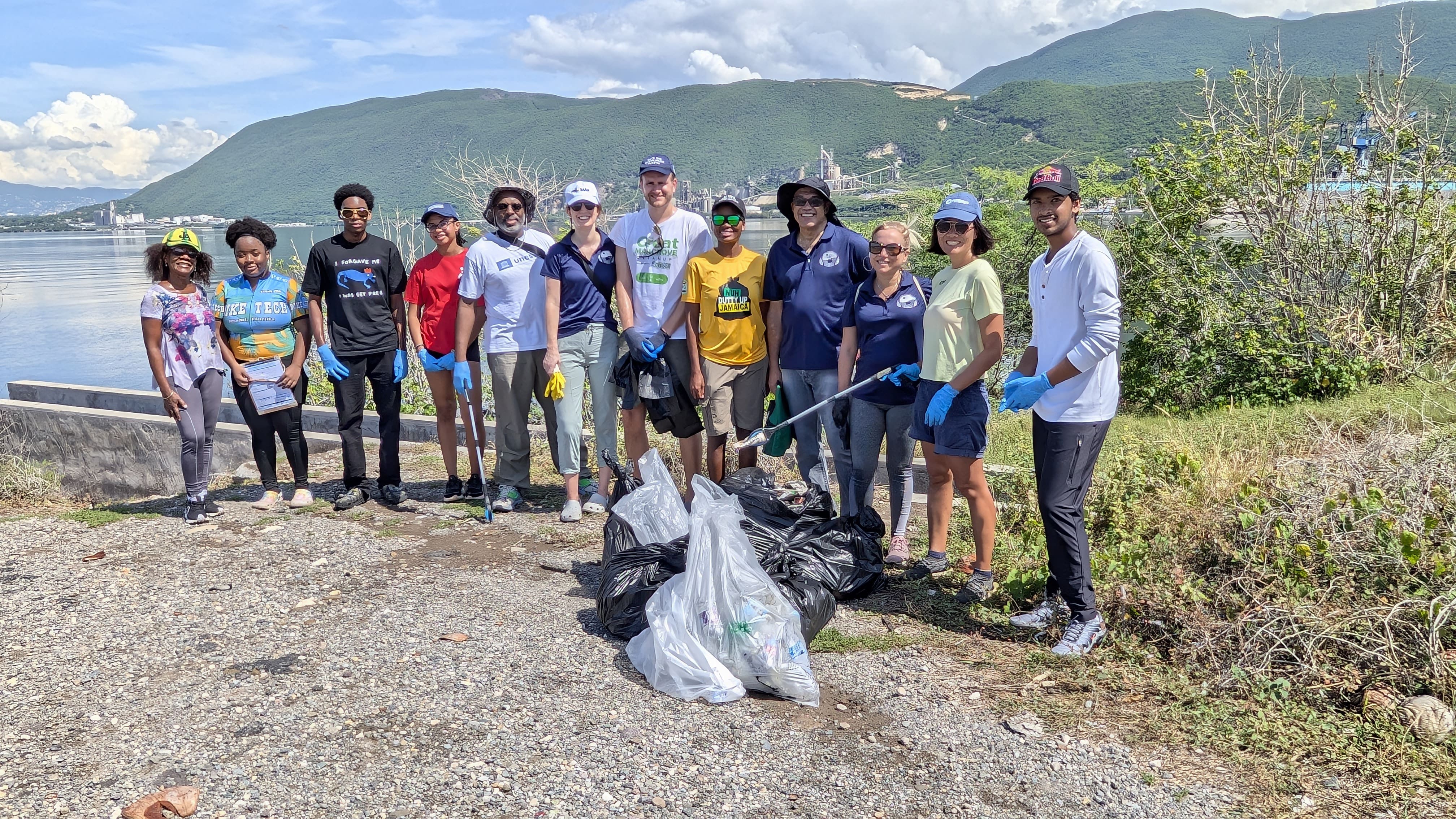
By Christopher Corbin Coordinator, UNEP Cartagena Convention Secretariat
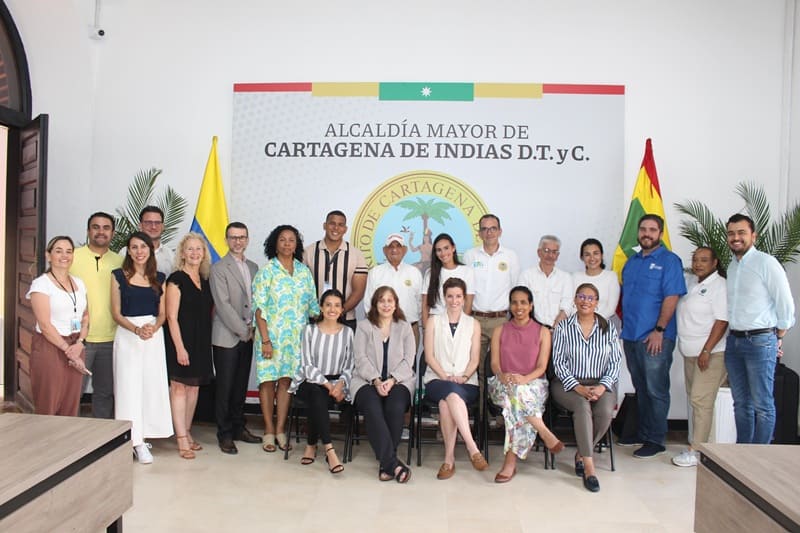
The Circular Plastic Economy Cities Network in Latin America and the Caribbean brings together six cities from Colombia, Jamaica, and Panama, with the support of UNEP and the GEF. Its goal is to promote regional cooperation, share experiences, and implement circular economy strategies to reduce plastic pollution, including marine plastics. Nine additional cities are expected to join, strengthening a coordinated and sustainable approach to plastic management in the region.
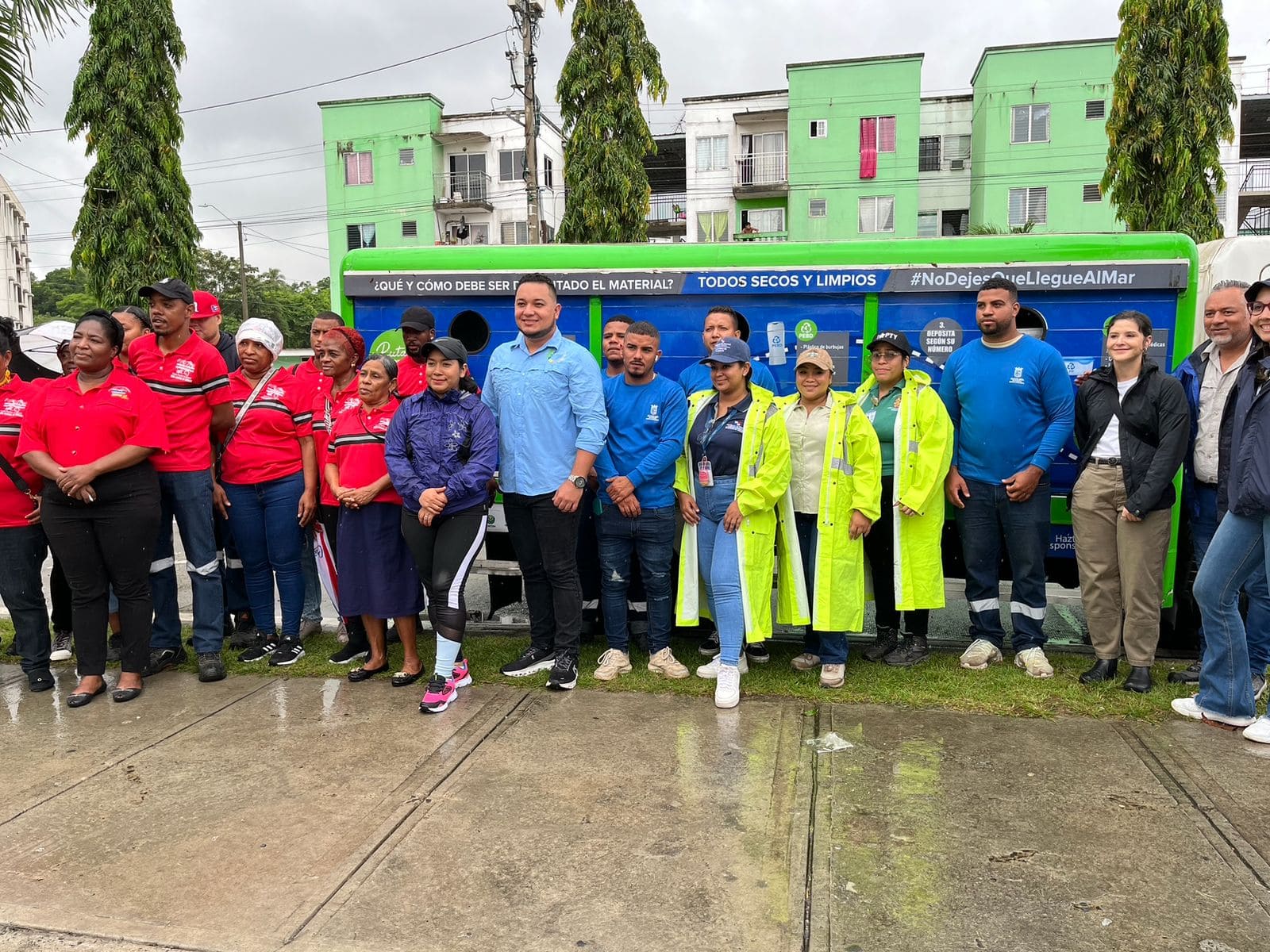
During Environment Week, experiences like those in Panama remind us that solutions to #PlasticPollution start locally—with partnerships and concrete actions. Faced with a challenge that impacts ecosystems, health, and economies, cities play a key role in transforming production and consumption systems. From product redesign to stronger recycling and education, a circular and inclusive approach paves the way toward cleaner, more resilient development.
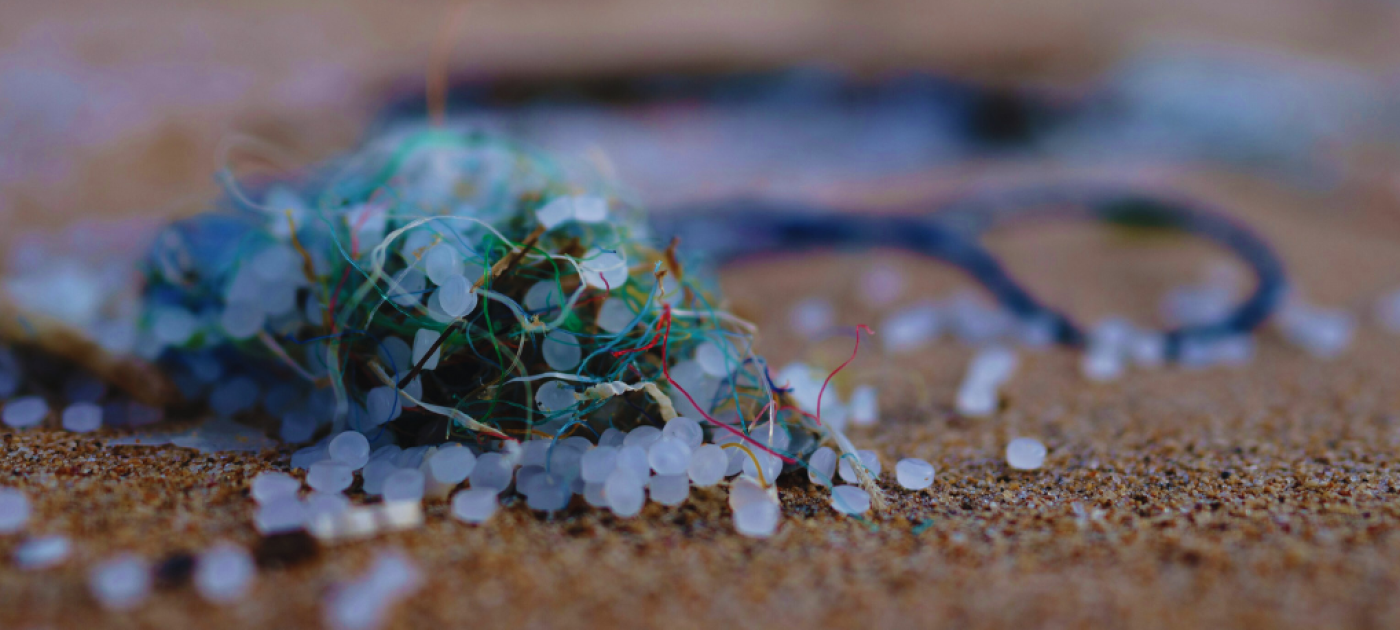
Organized by the National Environment and Planning Agency (NEPA), National Environmental Awareness Week 2025 will take place in Jamaica from 1–8 June, aligned with global efforts for World Environment Day and World Oceans Day. This year’s theme, “Turning the Tide: Combatting Plastic Pollution for Ocean Resilience,” highlights the urgent need to address plastic pollution and protect Jamaica’s marine ecosystems.

A resolution adopted this week at the United Nations General Assembly in New York is being hailed as a victory for climate justice. The resolution means that the UN General Assembly will seek the opinion of the International Court of Justice (ICJ) on countries’ obligations to address clima

In the lead up to the United Nations Ocean Conference, the United Nations Department of Global Communications explored some of the ocean-related issues facing the eastern Caribbean island nation of Barbados.

Nataly Castelblanco, Colombia
My name is Nataly Castelblanco, and I was born in Bogotá, in the Andes of Colombia, far from any river or the sea.

Rebecca García Camps, Dominican Republic
I have always loved dolphins since I was a kid. I would see them from time to time. My dad and I used to wake up at 6:00 a.m. to go snorkelling to different beaches around the bay of Ocoa in the Dominican Republic and at that time we would see bottlenose dolphins.

UNEP’s Caribbean Environment Programme reminds of the deadly impact of Marine litter in the Ocean in recognition of World Oceans Day
June 8th was World Oceans Day, designated by the United Nations as a global day to highlight the value of our oceans. We often don’t realize the significance of our oceans though they cover over 70% of the earth’s surface, support humankind, the greatest biodiversity on the planet, and, regulate the world’s climate.

The Caribbean is home to more than 700 islands and coastal countries that are connected by a shared resource - the Caribbean Sea.
This Sea forms the lifeblood of the region’s tourism, maritime and fisheries industries. However, from the Atlantic Ocean to the Gulf of Mexico, valuable coastal and marine resources are under increasing threat from land and marine-based sources of pollution.
Showing 1 - 16 of 16

CEP was established in 1981 as part of the Regional Seas Programme in recognition of the importance and value of the Wider Caribbean Region’s fragile and vulnerable coastal and marine ecosystems including endemic plants and animals.