



results found
Tests found mercury levels up to 20 times above the permissible limit in five products. Doctors explain how these products can silently damage the kidneys, brain and skin.

A legal settlement between Walmart and the Mercury Policy Project (MPP) is reigniting debates over the responsibility of online retailers in selling unsafe cosmetics. Under the terms of Proposition 65 in California, US, Walmart has agreed to remove mercury-laced skin-lightening creams from its online store. The retailer has now committed to proactively requiring certain third-party sellers to test their merchandise for mercury before it is offered for sale.
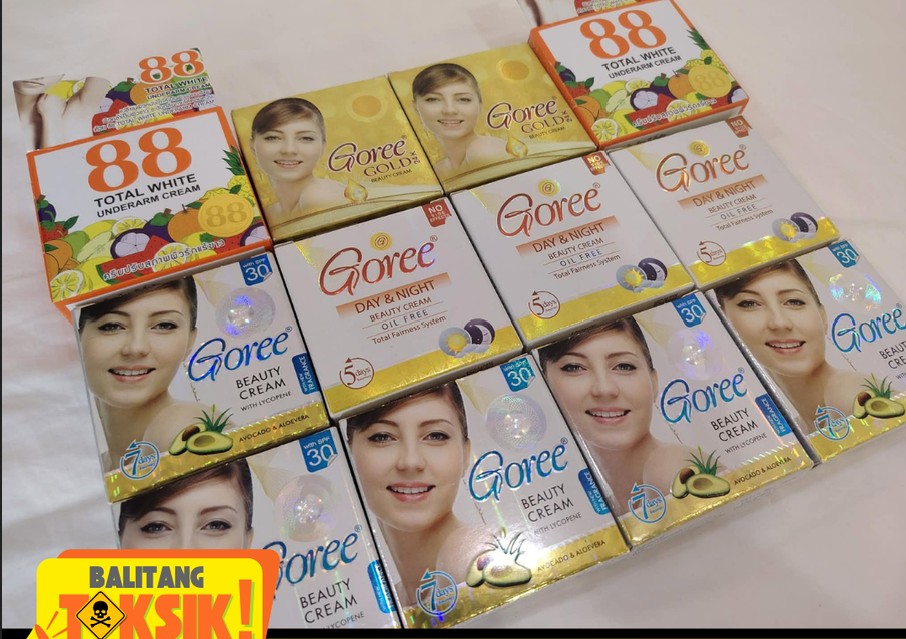
Following market monitoring activities conducted from June 10 to 13, 2026, in Surigao City, Butuan City, and Davao City, toxics watchdog BAN Toxics prompted the Food and Drug Administration (FDA) to act on the proliferation of banned mercury-containing skin-lightening products being sold in beauty shops.
Read the complete post

San Francisco, CA—June 12, 2026—On June 10th, the Mercury Policy Project, a project of the Tides Center, settled a legal dispute under California’s Safe Drinking Water and Toxic Enforcement Act (Proposition 65) with Walmart. The notice letter, sent September 30, 2025, alleged that Walmart failed to warn that using certain skin lightening creams sold on its website could expose consumers to high levels of mercury.
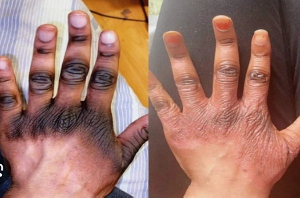
Skin bleaching, once widely condemned and pushed into the shadows in Ghana, is making a quiet but noticeable comeback; this time in more sophisticated and less obvious forms.
While the era of visibly over-bleached skin and crude whitening creams appeared to decline following public health campaigns and government crackdowns, a new generation of skin-lightening products has emerged under the guise of "glow," "tone correction," and "brightening."
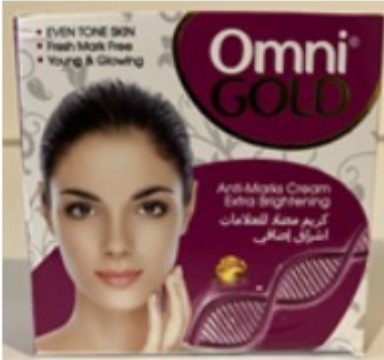
Federal health officials are warning consumers to avoid a growing number of skin lightening products found to contain mercury, hydroquinone or both ingredients, indicating the cosmetics may pose serious health risks and are being sold through major online marketplaces despite longstanding safety concerns.
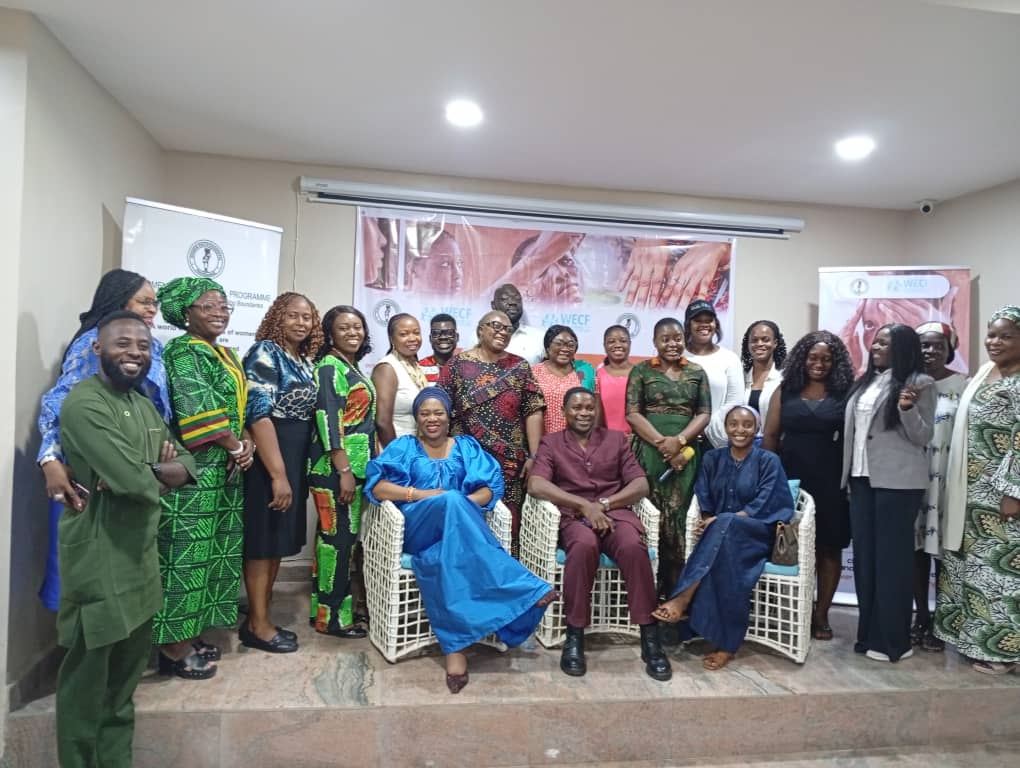
The Mandate Secretary for Health and Environmental Services at the Federal Capital Territory Administration (FCTA), Dr Adedolapo Fasawe, has expressed concern over the increasing prevalence of skin bleaching in Nigeria, warning of its serious public health implications.
Dr Fasawe raised the alarm in Abuja during the screening of a documentary focused on promoting safer beauty practices and challenging harmful social standards.
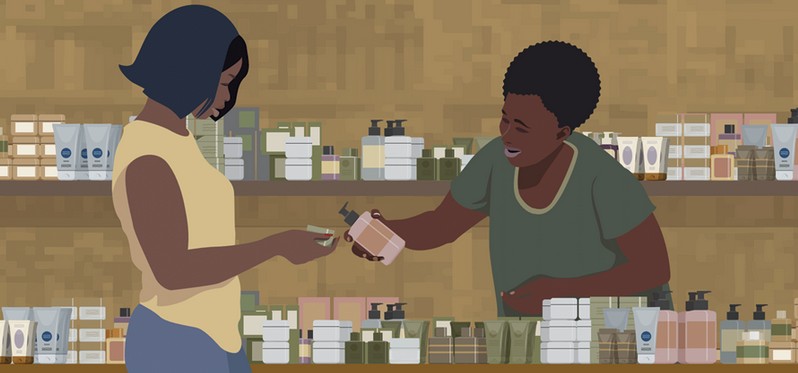
A new WHO behavioural insights toolkit is supporting countries to better understand and address the drivers of harmful skin‑lightening practices, strengthening efforts to eliminate mercury‑containing cosmetics and protect public health.
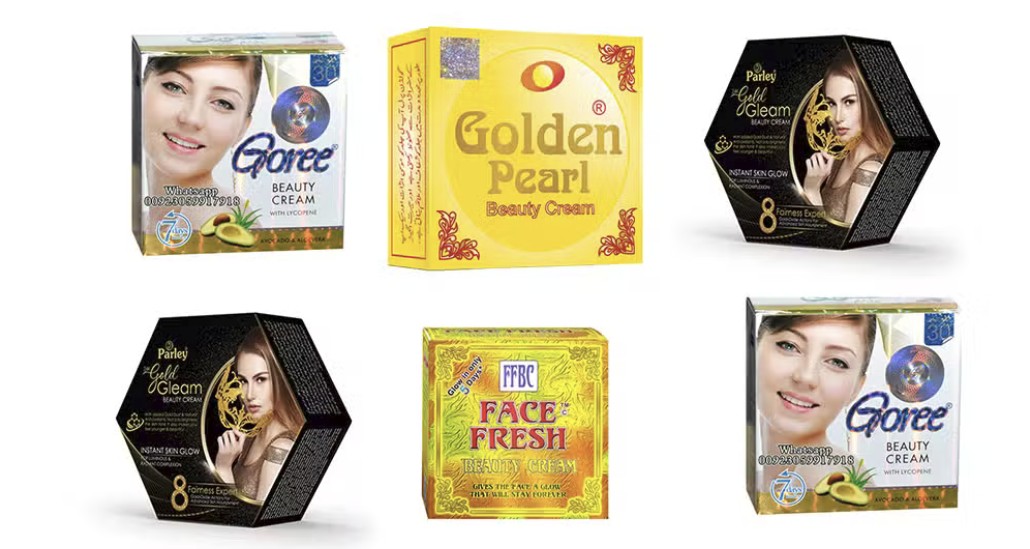
The Pakistan Standards and Quality Control Authority (PSQCA) has suspended the licenses of six beauty cream brands after they were found to be in violation of safety and quality standards, including the presence of hazardous substances such as mercury.
Read the full post
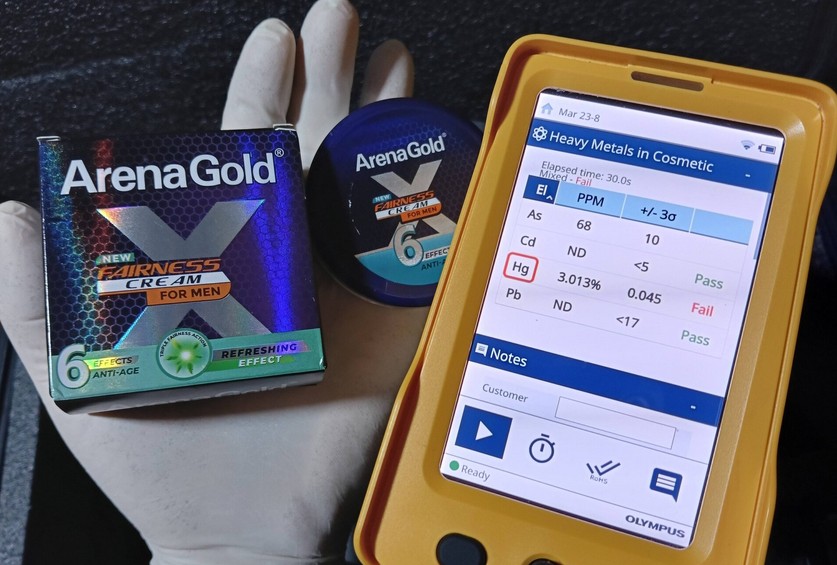
The EcoWaste Coalition has detected mercury at over 30,000 parts per million (ppm) in a Pakistan-made facial cream that promises “fairer skin in two weeks” and is supposedly “safe to apply day and night.” The toxic watchdog group announced it has found high levels of mercury in Arena Gold New Fairness Cream for Men purchased online for P179, inclusive of shipping charges.
Read the full post

On this International Day for the Elimination of Racial Discrimination, we highlight that detoxifying cosmetics and beauty ideals is also a way to fight racism..
Exposure to mercury in cosmetics, including some skin-lightening products, disproportionately affects women & vulnerable communities. Under the MinamataConvention, Parties commit to protect human health and the environment by phasing out mercury-added cosmetics.

Over 20 international health and environmental organizations have called on Pakistan’s Competition Commission (CCP) to halt the manufacture and global trade of mercury-containing skin-whitening creams. The move intensifies scrutiny of the country’s cosmetics manufacturing sector, after a recent testing round found that 35 of 37 creams manufactured in Pakistan contained mercury levels thousands of times higher than the legal limit.
Read the full post
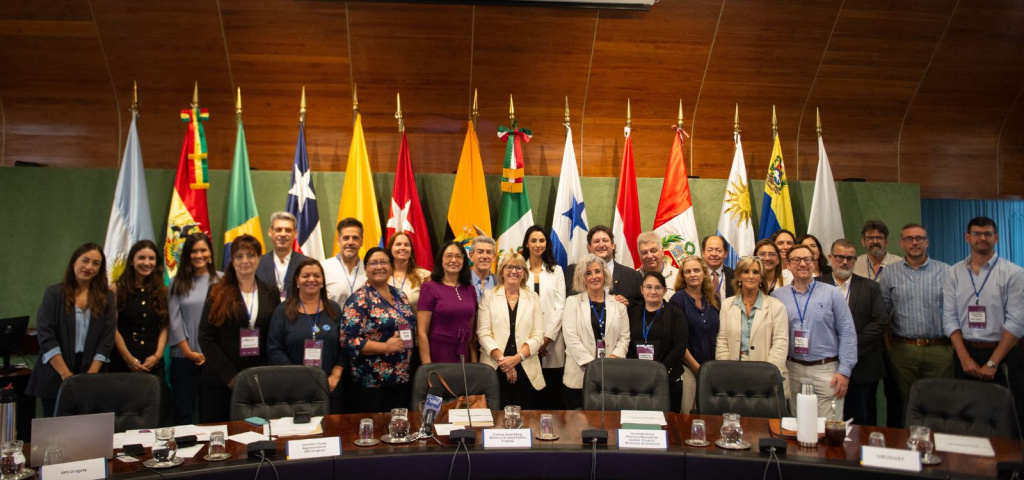
Uruguay compartió su experiencia en la eliminación gradual de la amalgama dental con otros países de América Latina durante un taller regional organizado en el marco del proyecto sobre amalgama dental del Fondo para el Medio Ambiente Mundial (GEF).
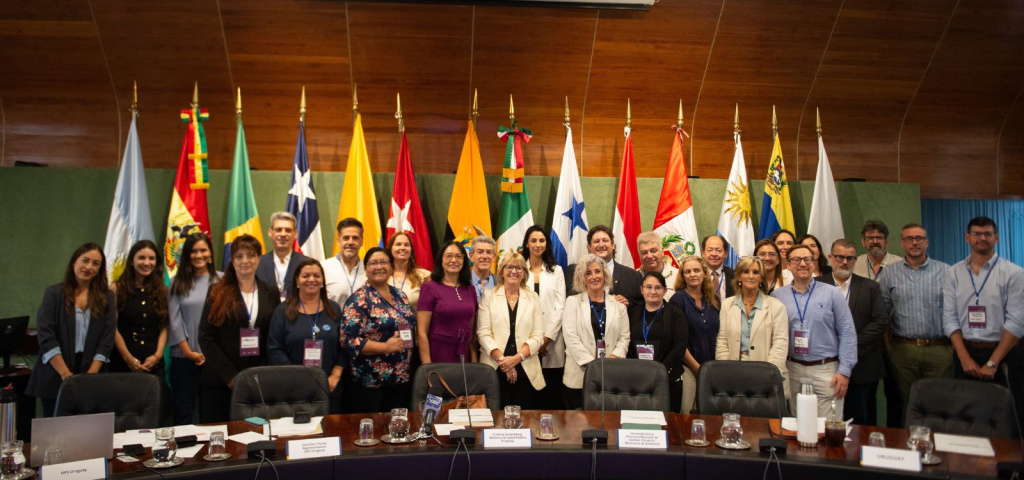
Uruguay shared its experience in phasing out dental amalgam with other Latin American countries in a regional workshop under the GEF dental amalgam project.
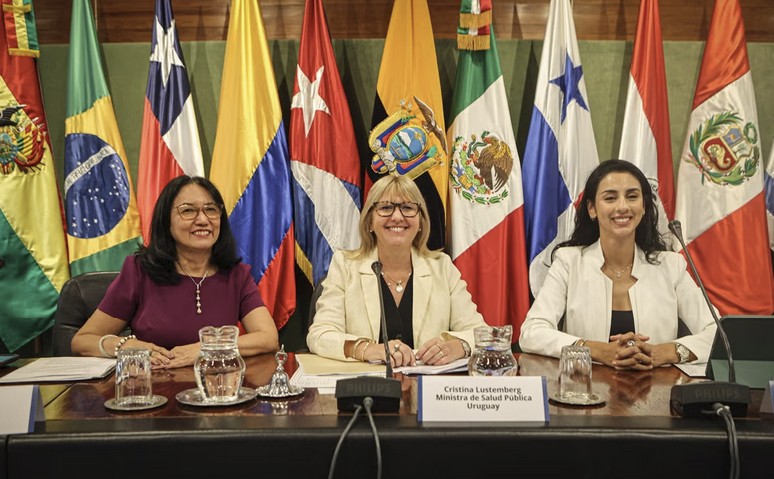
Montevideo, 4 de marzo de 2026. Autoridades de los ministerios de Salud Pública y Ambiente, organismos internacionales y delegaciones de varios países de la región participan en Montevideo en el Taller Regional para la reducción progresiva del uso de amalgama dental, un espacio de intercambio técnico orientado a fortalecer la cooperación regional y acelerar la implementación del Convenio de Minamata sobre el Mercurio.
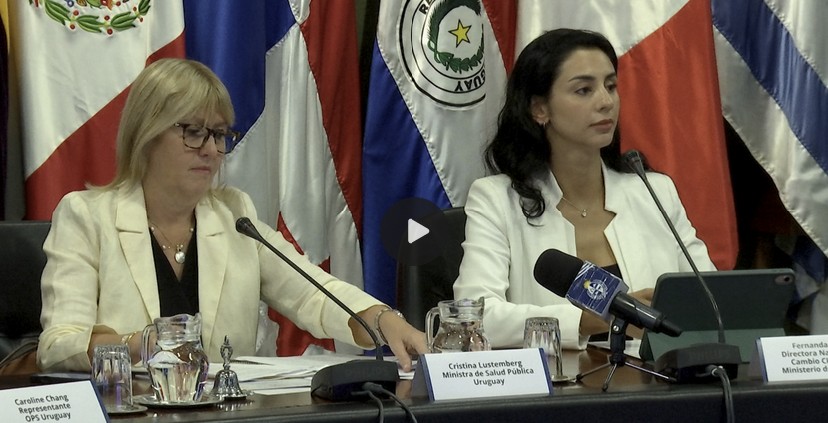
La ministra de Salud Pública, Cristina Lustemberg, presidió un taller regional de la Organización Mundial de la Salud (OMS) sobre la reducción progresiva del uso de amalgamas dentales y anunció la próxima firma de una ordenanza que prohibirá que se utilicen en el país.
Read the original post fron Uruguay Government
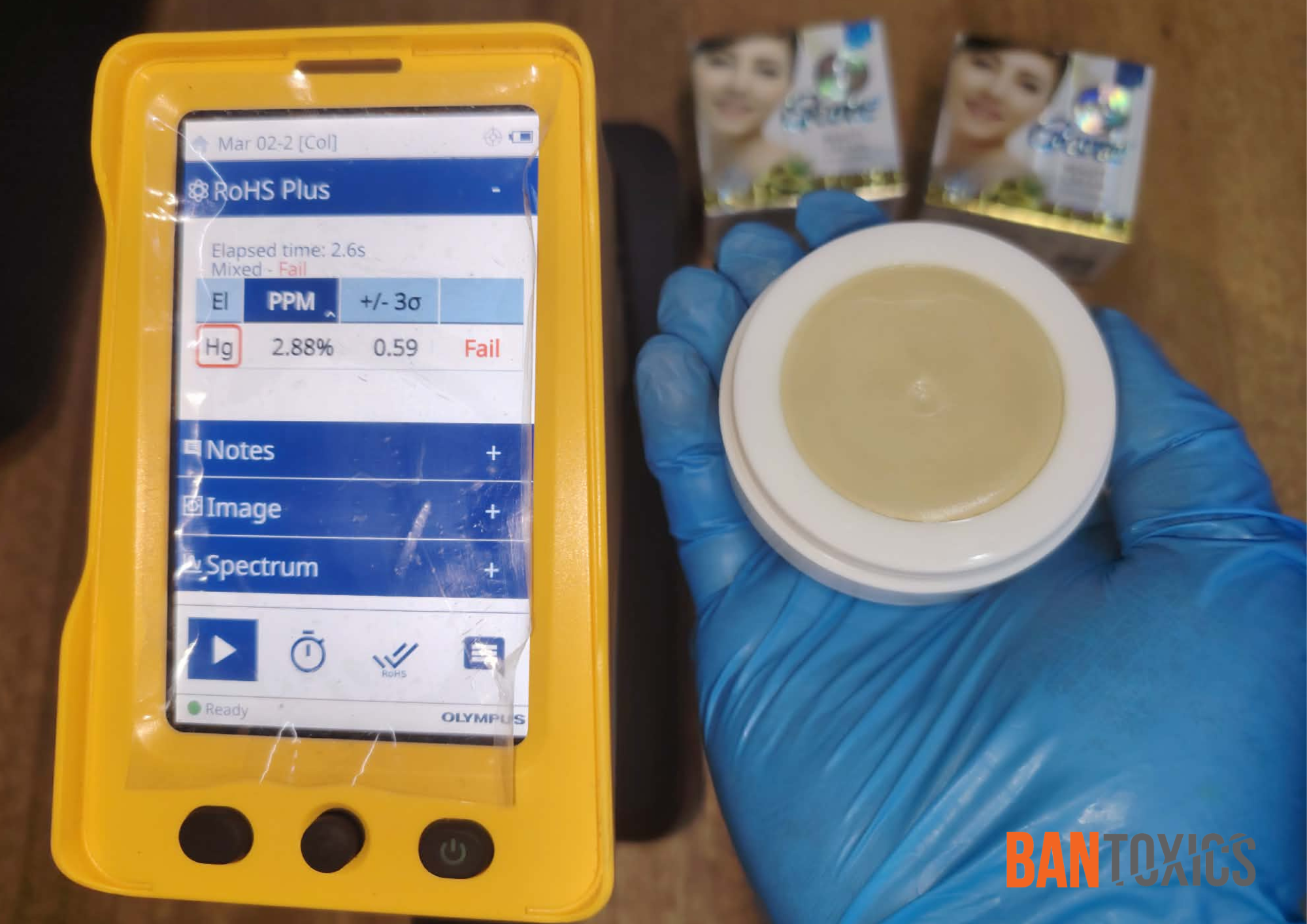
As we celebrate International Women’s Month, toxics watchdog BAN Toxics has issued a consumer alert on the illegal sale of prohibited beauty products containing mercury—a highly toxic heavy metal that poses serious risks to the nervous, digestive, and immune systems.
Read the complete post
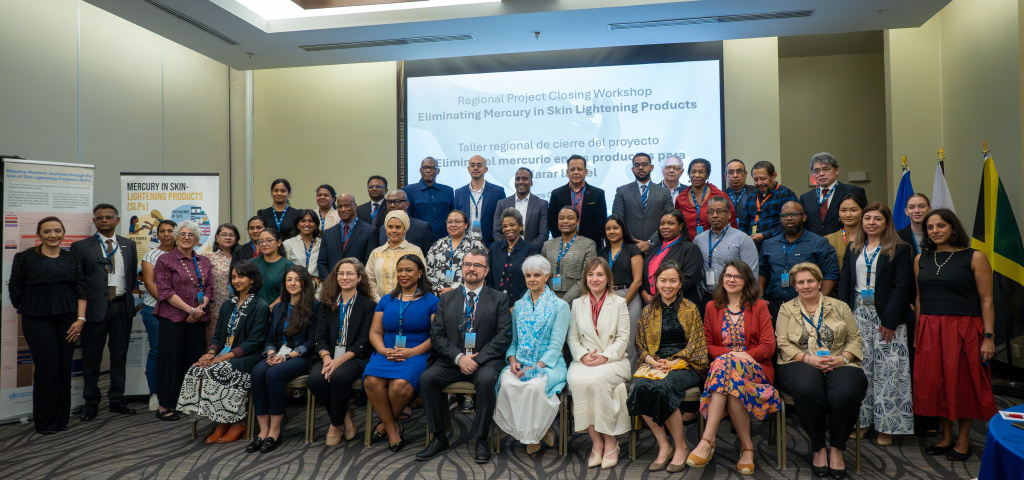
Experts from 16 countries around the globe gathered in Panama to accelerate the elimination of mercury from skin-lightening products.

In response to the rising health risks associated with skin bleaching, the Nigerian Association of Dermatologists (NAD) has launched a nationwide public awareness campaign encouraging Nigerians to embrace their natural skin tone and prioritise their health. The campaign, themed “EmbraceYourSkin”, was introduced at a press conference attended by dermatologists, health advocates, journalists, and stakeholders across the healthcare and beauty sectors.
Read the full post
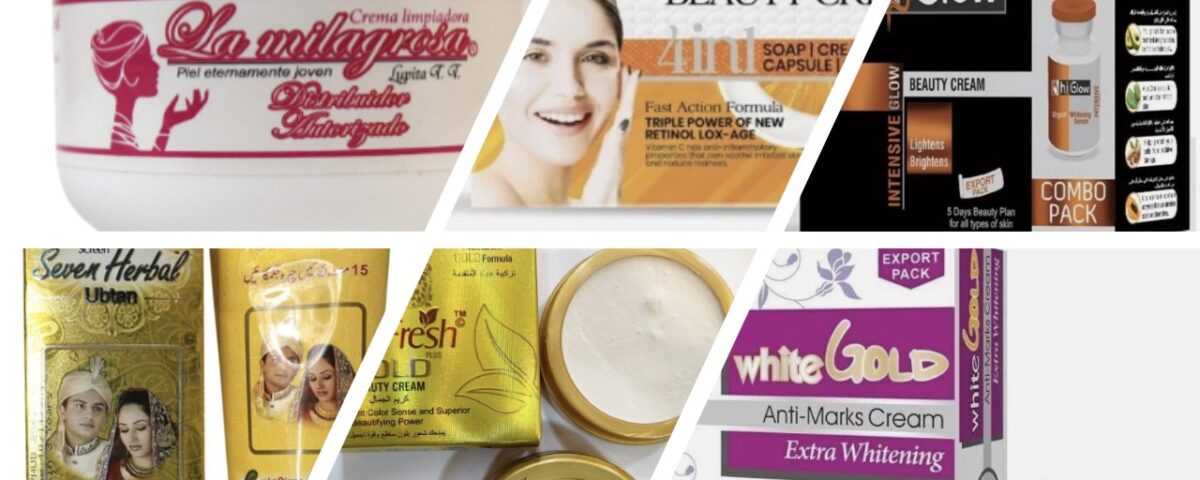
Ebay Sued for Not Warning About Mercury in Skin Lighteners Lawsuit alleges consumers were knowingly exposed to mercury without legally required warnings.
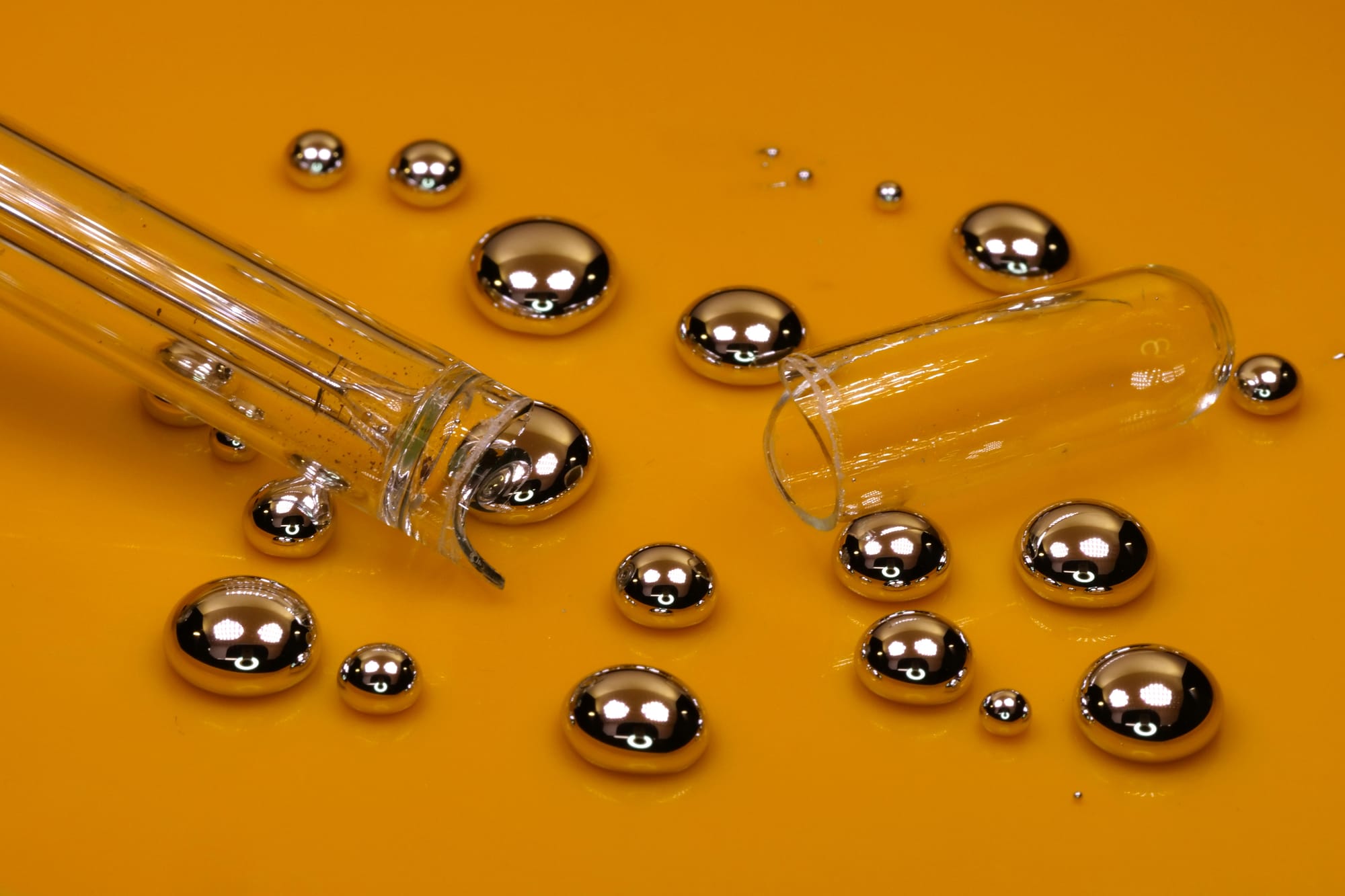
Harmful beauty standards carry serious health risks. Ellen Rosskam and Małgorzata Alicja Stylo show how multilateral action is removing mercury from skin-lightening cosmetics.
Sri Lanka’s proposed legislation to regulate cosmetics marks a significant but overdue policy intervention with far-reaching implications for public health, trade, and the wider economy. The draft Cosmetics Regulation Bill, expected to be opened for public consultation in January 2026, reflects growing concern over the unregulated influx of cosmetic products into the country, particularly through informal and illicit channels.
Read complete post
Walk into any cosmetic store across Pakistan you would be greeted with shelves filled with colorful promises of “instant glow”, “fairness in seven days”.
Read full blog post

The National Institute for Minamata Disease (NIMD), in collaboration with United Nations Environment Programme (UNEP), is organizing laboratory proficiency testing (PT) for assessing the analytical capacity for mercury. The PT provides the individual proficiency levels of participating laboratories as well as collective mercury monitoring capacity in the region. UNEP is supporting this activity via the Japan-funded regional project in Asia and the Pacific.

“Why is it always those who have light skin that win,” asks a young Senegalese man tasked with handing out flyers for a local beauty pageant.



The overall goal of the UNEP Global Mercury Partnership is to protect human health and the environment from the releases of mercury.