



results found
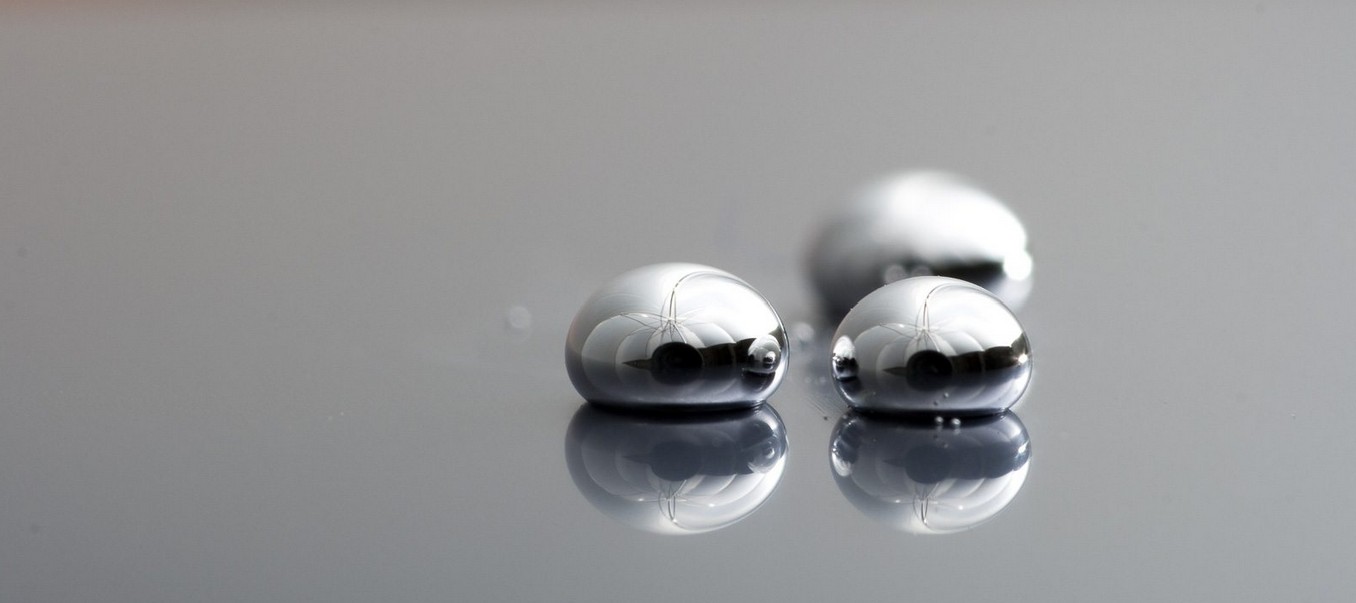
Geneva, Switzerland — In a landmark decision, today the Sixth Conference of the Parties (COP-6) of the Minamata Convention invited the Secretariat of the Minamata Convention on Mercury to work with Interpol, the World Customs Organisation and others to investigate the manufacture, import and export of mercury-added cosmetics. COP-6 also decided to work towards closing the loopholes legally allowing mercury compounds to be traded, as this is compromising the Convention’s objective, particularly r
Popular skin-lightening products widely available on Amazon have been found to contain mercury levels far exceeding permissible limits, an assessment repeatedly highlighted by the New Delhi-based non-profit Toxics Link.
Read the full post
Out of eight samples tested, seven failed, showing mercury concentrations thousands of times higher than the legal limit in India. A global mercury watchdog has found that the e-commerce giant Amazon is selling dangerously high levels of illegal mercury-containing skin lightening products (SLPs) in India, as well as in countries like Mexico and the UAE.
Read the full post
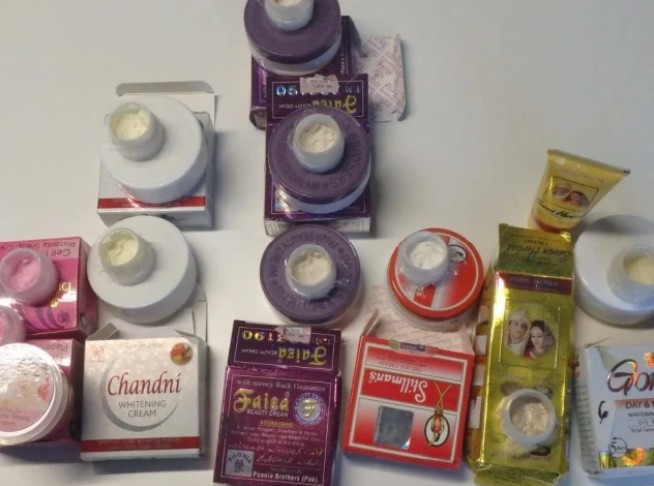
Pakistan’s obsession with fair skin has fueled a dangerous market for skin whitening creams, many of which are found to contain harmful levels of mercury. The Competition Commission of Pakistan (CCP) has launched an inquiry into companies suspected of using mercury in their products, which is banned in many countries due to its toxicity.
Read the full post
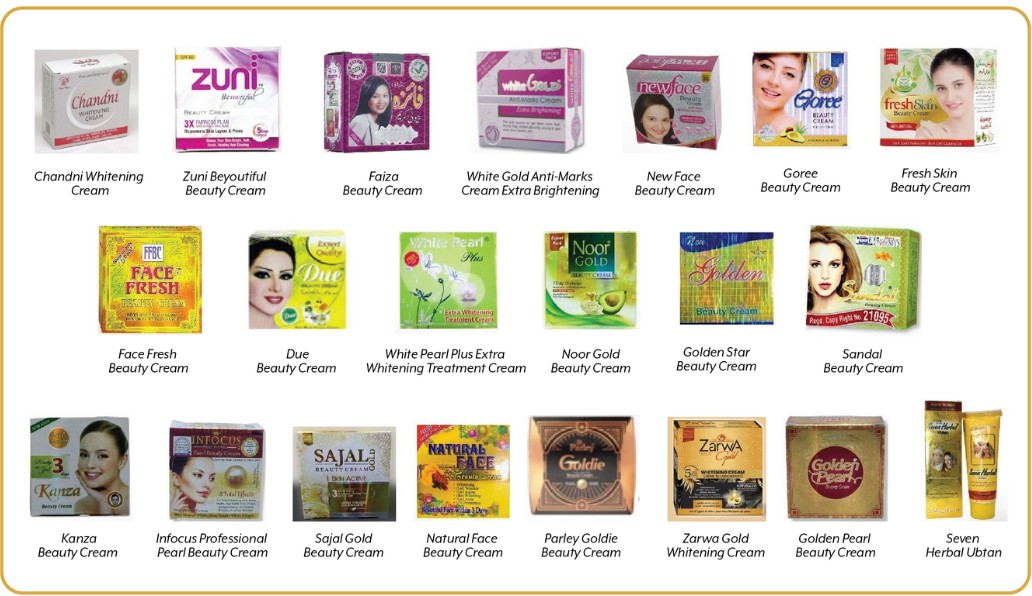
The New York (NY), US, Office of the Attorney General (OAG) has ordered three companies to immediately stop selling cosmetics that contain unlawful and dangerous levels of mercury.
Read the full post

A court in India has given the death penalty to a man for burning alive his wife over her skin colour.
In her statements before her death, Lakshmi had said that her husband Kishandas "routinely taunted her for being dark skinned".
Read the full post
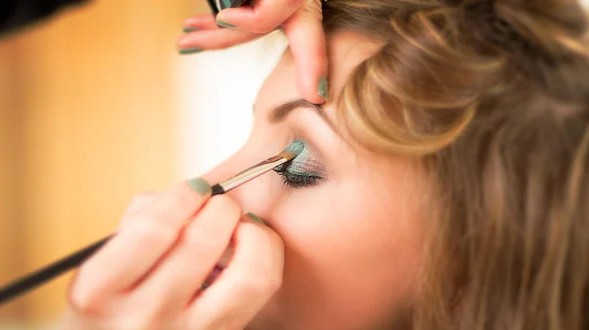
The next time you apply that skin-lightening cream or your eye makeup, think again. It might contain the harmful chemical element mercury. The Government of India is now even mulling a ban on mercury-based cosmetics owing to the dangers they pose to the human body.
Read the full post

HARARE – Members of Parliament on Wednesday sounded the alarm over the widespread use of skin-lightening creams by both men and women in the country, and pushed for stiffer laws to stop the import of such products.
Read the full post

In support of the International Day for the Elimination of Racial Discrimination on March 21st, the Zero Mercury Working Group and WE ACT for Environmental Justice are calling for the elimination of mercury-added skin lightening products (Hg/SLPs) as an important step towards protecting consumers and helping to end colorism.
Read the full post

A mother in northern Nigeria is visibly upset as she clutches her two-year-old child, who has burns and discoloured skin on his face and legs.
The 32-year-old used skin-whitening products on all six of her children, under pressure from her family, with results that she now deeply regrets.
Read the full post

Skin-lightening products, including creams and soaps sold over the counter in New York City, can contain high amounts of mercury, a harmful metal.
Health Department has removed 1820 products from store shelves

BERKELEY, CALIFORNIA—January 30, 2025 —Today, Plaintiffs Larry Lee and As You Sow reached a settlement with Amazon concluding a nearly decade-long lawsuit addressing the sale on Amazon.com of brightening and lightening skin creams containing mercury. This settlement prohibits Amazon from selling skin lightening creams that contain mercury in excess of FDA limits.

The National Institute for Minamata Disease (NIMD), in collaboration with United Nations Environment Programme (UNEP), is organizing laboratory proficiency testing (PT) for assessing the analytical capacity for mercury. The PT provides the individual proficiency levels of participating laboratories as well as collective mercury monitoring capacity in the region. UNEP is supporting this activity via the Japan-funded regional project in Asia and the Pacific.

The National Institute for Minamata Disease (NIMD), in collaboration with United Nations Environment Programme Regional Office for Asia and the Pacific (UNEP ROAP), is organizing laboratory proficiency testing (PT) for assessing the analytical capacity for mercury. The PT provides the individual proficiency levels of participating laboratories as well as collective mercury monitoring capacity in the region.

Communication from TAUW bv
The not-for-profit Foundation of TAUW, who recently joined the Partnership, is currently calling for tenders with up to EUR 120,000 support available for individual projects that stimulate, accelerate, and (financially) support sustainable non-profit projects focused on initiatives that aim for a sustainable and valuable impact on the physical living environment, including reductions in mercury use, release, emission, and bioavailability.

Minamata Initial Assessments (MIAs) provide analyses of the national context with respect to sources of inputs, emissions and discharges of mercury and its compounds. In addition to exploring the countries' legal, regulatory and institutional frameworks, the MIAs provide a national mercury inventory using the UNEP Toolkit for the Identification and Quantification of Emissions and Releases of Mercury and its Compounds.

Mining is not something that most people associate with Costa Rica. The country is portrayed as a land of volcanoes, rainforests, captivating wildlife and paradise coastlines. Costa Rica is also a well-known and applauded environmental model in terms of its law and regulations protecting country’s biodiversity and ecosystems.

The Global Mercury Partnership explores ASGM and Biodiversity

The Partnership Advisory Group (PAG) decided at its tenth meeting, held in Geneva on 23 November 2019, to begin work on the subject of mercury from oil and gas, which it had identified as cross-cutting between different Partnership areas. In follow-up to expert consultations in April 2020, Partnership area leads agreed to oversee a process for developing a study report, with a view to better understanding how mercury can be released, in addition to how waste is treated and accounted for and how it may enter the market for other uses.

Within the project for “promoting the Minamata Convention on Mercury by making the most of Japan's knowledge and experiences”, the National Institute for Minamata Disease (NIMD), in collaboration with United Nations Environment Programme Regional Office for Asia and the Pacific (UNEP ROAP), calls laboratories that undertake mercury analysis for monitoring, survey or research, to participate in a ‘Proficiency Testing’ for assessing their analytical capacity.

Recognizing the sector was estimated to be a major source of mercury emissions and releases, the Partnership Advisory Group decided at its tenth meeting (November 2019) to initiate work on mercury from non-ferrous metals mining and smelting, which it had identified as a cross-cutting topic amongst several Partnership areas.

Artisanal and small-scale gold mining (ASGM) is crucial to the livelihood of millions of people in over 80 countries, mainly in rural areas with limited alternative economic prospects. ASGM is increasingly recognized as an opportunity to alleviate poverty and contribute to local, national, and regional development.

Toxic skin-lightening creams are still sold freely across South Africa, despite clear health dangers and the legacy of apartheid.
In the dying days of apartheid, South Africa banned the sale of cosmetic creams that were designed to make black people look whiter. On 10 August 1990, the National Party health minister Dr Rina Venter banned the importation, manufacture and sale of cosmetic skin lighteners and also banned any products that claimed to “bleach”, “lighten” or “whiten” people’s skins.

The Asia-Pacific Annual Webinar on Mercury Science 2021 held on 21 and 26 October 2021 provided latest update on the progress of the project for “promoting the Minamata Convention on Mercury by making the most of Japan's knowledge and experiences” implemented by the UNEP Regional Office for Asia and the Pacific (ROAP).
In light of the high level interest from participants in the forthcoming project activity on laboratory proficiency testing on mercury, UNEP ROAP is extending the invitation for expression of interest to mercury laboratories outside the Asia-Pacific region.
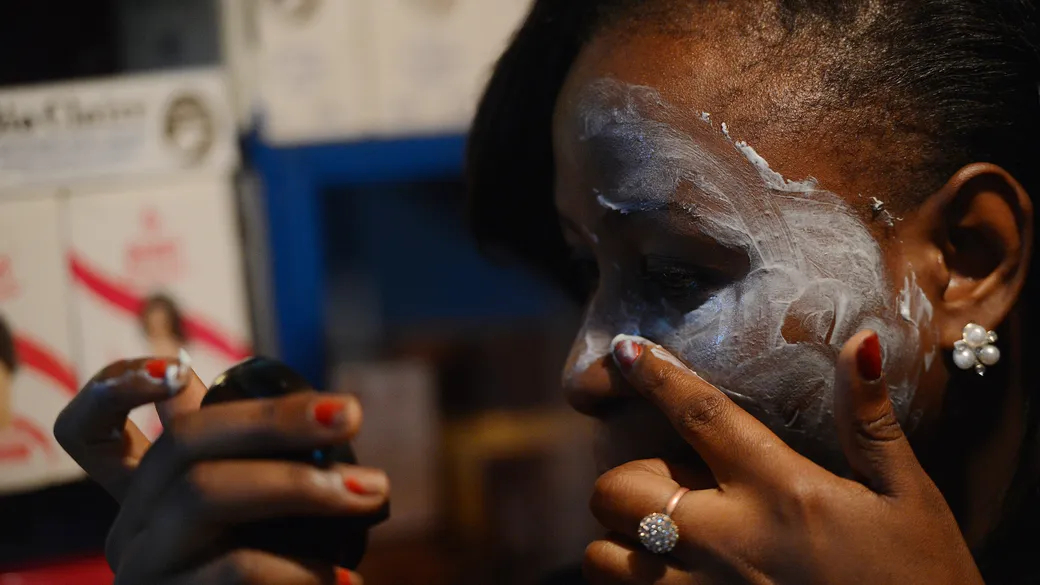
A legacy of the colonial mindset, the market for skin-lightening products is booming in Ghana, with even some international conglomerates pushing bleaching creams. But the side effects can be deadly.
Read full post



The overall goal of the UNEP Global Mercury Partnership is to protect human health and the environment from the releases of mercury.