


Sri Lanka’s Skin-Lightening Industry: A Silent Threat to Public Health
Sri Lanka’s beauty industry is booming, and at the center of it all is the growing demand for skin-lightening products (SLPs). From local stores to online marketplaces, creams and soaps promising a lighter complexion are readily available. However, beneath the allure lies a serious health risk that many consumers remain unaware of.
The Hidden Dangers of Skin-Whitening Products
According to the Sri Lanka Minamata Initial Assessment (MIA, 2019), 23 local industries produce cosmetics and soaps, with 68% of surveyed manufacturers unknowingly using mercury. The lack of stringent oversight allows hazardous substances to seep into popular products, posing significant health risks.
A 2019 study uncovered that most consumers turn to skin-whitening products based on peer recommendations. Users typically apply these creams for two to four months, often unaware of the adverse effects.
In Sri Lanka, mercury is freely available. Informal interviews suggest that, besides store-bought sources, mercury extracted from electronic appliances is sometimes used in these products. However, mercury is just one of several whitening agents found in them. Studies have also identified other concerning substances, including hydroquinone, corticosteroids, kojic acid, arbutin, Glutathione, Retinoids, Tranexamic acid, and azelaic acid.
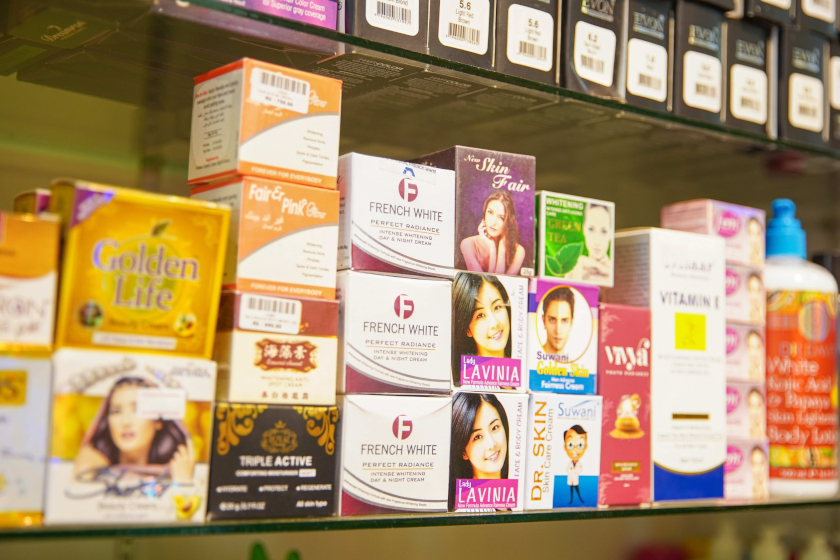
Disclaimer: None of these products or platforms displayed here are promoted or demoted. They are displayed solely for awareness purposes.
The Fight Against Toxic Beauty Products
Under the umbrella of the GEF-funded and UNEP-led project, efforts to address these concerns have gained momentum. The World Health Organization, recognizing mercury as one of the ten chemicals of public health concern, is jointly executing a project with the Biodiversity Research Institute, the Ministry of Health and Mass Media, and the Ministry of Environment in Sri Lanka, to eliminate mercury in skin-lightening products. This initiative aims not only to strengthen national regulations on these products but also to reduce the risk of mercury exposure, particularly among vulnerable populations, such as young children and women.
Gap Analysis
A Gap Analysis on the legal status and the first round of skin-lightening product testing has been completed in 2024. It identified the following key points:
- Cottage industries, beauty salons, and e-marketplaces remain unregulated.
- The National Medicines Regulatory Authority (NMRA) handles cosmetic registration, issuance of import licenses, and approval of manufacturing sites. However, it lacks control over products sold within the country, as well as informal producers and marketers. While registration and licensing are mandatory for imported products, they remain voluntary for the internal market.
- The Sri Lanka Standards Institution (SLSI) sets voluntary safety limits but still allowing up to 1 ppm of mercury and is not updated to address harmful chemicals like hydroquinone and corticosteroids. However, the recent gazette regulates imported products, requiring them to adhere to this standard.
- Sri Lanka Customs ensures compliance with NMRA registration, license and compliance with SLSI but cannot monitor non-commercial imports highlighting a need for additional specific regulation to also cover online markets.
- The Consumer Affairs Authority (CAA) mandates limits on heavy metals but acts only on formal complaints. Court orders in CAA-filed cases apply only within the issuing court’s jurisdiction, allowing the same harmful product to be sold elsewhere in the country.
- The Department of Ayurveda enforces mercury restrictions in Ayurvedic cosmetics but lacks post-market surveillance.
- The Central Environmental Authority (CEA) oversees waste management, mercury imports, and public awareness on waste and environmental issues.
Addressing the identified gaps is crucial to prevent dangerous products from infiltrating physical and online markets. Strengthening coordination among regulatory bodies and establishing enforceable standards will enhance consumer protection and ensure safer products.
Mercury Levels in selected Skin-Lightening Products
The first phase of testing under the project examined 103 skin-lightening products by the Biodiversity Research Institute (BRI) in association with the Sri Lanka Standard Institution (SLSI) as the Local testing facility. It was detected that several samples contained mercury levels above 1 ppm, far exceeding safe limit. The products were labeled as originating from: India, France, Pakistan, Egypt, Thailand and Sri Lanka.
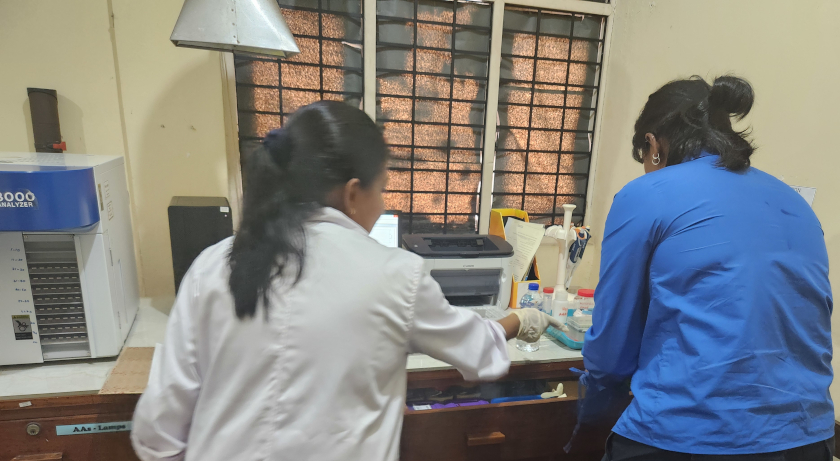
A previous study by the Centre for Environmental Justice (CEJ) further confirmed the dangers. Of 46 skin-whitening creams tested, 25 exceeded safe mercury levels. Some even contained mercury concentrations as high as 30,167 ppm. Most of these hazardous products were imported from China and often lacked proper ingredient transparency. Even locally manufactured creams showed contamination, with inconsistent levels across different batches. The latest screenings (2024) done by the Consumer Affairs Authority in 2024 identified SLPs with mercury levels as high as 66,680 ppm.
These findings indicate a significant public health risk and highlight the urgent need for stricter regulations.
What’s happening now?
The second phase of sampling is scheduled for 2025, efforts to combat hazardous SLPs in Sri Lanka are gaining momentum. The project aims to bridge the identified gaps by strengthening the capacity of relevant institutions, engaging key stakeholders across the supply chain, analyzing usage patterns and demand dynamics through behavioral studies as well as designing public health intervention and raising awareness among groups facing risks of mercury exposure through use of SLPs containing mercury.
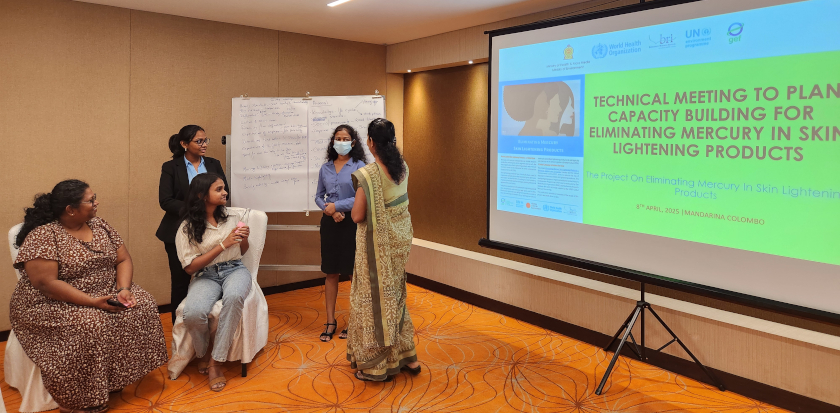
The regional/ Multi-Country Meeting on Elimination of Mercury-Added Skin Lightening Products was conducted successfully on 5 and 6 June 2025 at Cinnamon Life Colombo with the participation of 10 countries (Thailand, Philippines, Malaysia, Indonesia, Vietnam, Nepal, Maldives, Pakistan, India (Toxics Link) and Sri Lanka) representing 19 (39%) females and 30 (61%) males from ministries and institutions responsible for Health and Environment, and an NGO (India). More information
A national and regional trainings on controlling mercury-containing products was held in Sri Lanka from 2nd to 4th June 2025 engaging Customs officers and regulatory agencies from eight countries.The sessions included hands-on demonstrations with XRF devices and risk profiling tools. More information Online webinars continued the momentum. The webinars presentations’ can be found here.
- Webinar #1: 26th May 2025
- Webinar #2: 29th July 2025
- Webinar #3: 13th August 2025
As one of the key activities under the project, the Consumer Affairs Authority (CAA), the World Health Organization (WHO), and consultants from EEB have been working collaboratively to engage online platforms in removing skin-lightening products containing mercury. In recognition of the significant progress made by the CAA and to share other similar global success stories, the team presented during the online sessions of the Pre-COP6 of the Minamata Convention on 16 October 2025.
Two-Day Training on Behavioural Aspects of Skin-Lightening Product Use
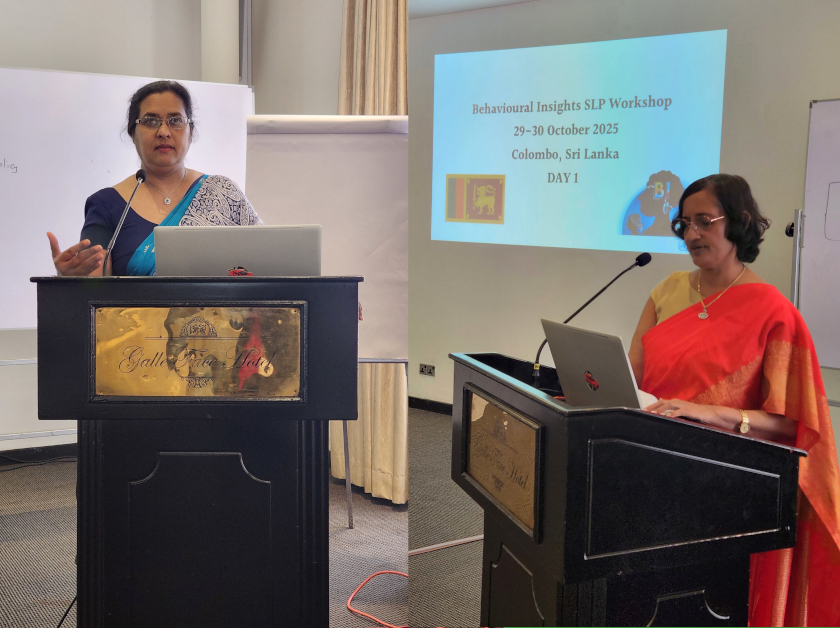
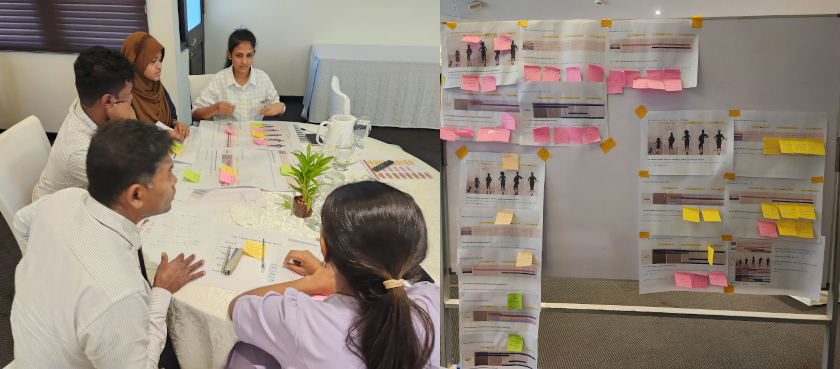
A two-day training programme, “Tools for Studying Behavioral Aspects of Skin-Lightening Product (SLP) Use in Sri Lanka,” was held on 29–30 October 2025 at the Galle Face Hotel, Colombo, Sri Lanka. Organized by the Environmental and Occupational Health Unit of the Ministry of Health and Mass Midea, under the Eliminating Mercury in Skin-Lightening Products project, the workshop was facilitated by Ms. Ammarah Martinus, Consultant, Behavioural Insights Unit, WHO Headquarters, and attended by 38 participants from government, academia, and research sectors. The training introduced key Behavioural Insights (BI) concepts, including COM-B, DDDIE (Define, Diagnose, Design, Implement, Evaluate), journey mapping, and systems thinking, with interactive exercises to identify actors influencing SLP use and leading to the co-creation of a draft outcome statement for a national BI-led study.
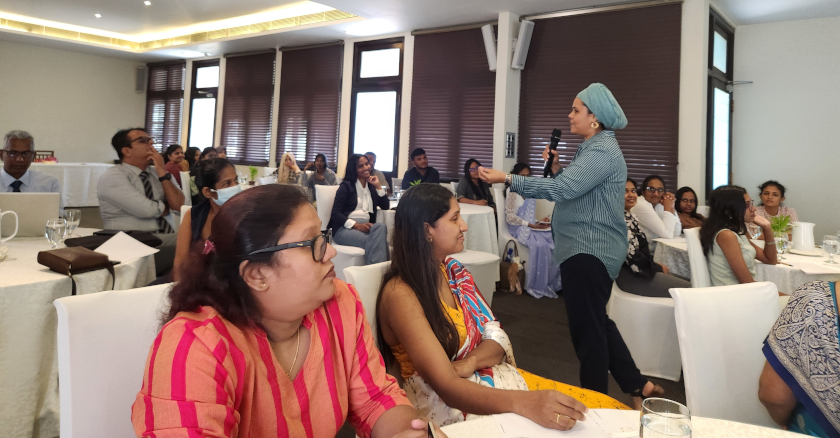
The programme strengthened participants’ capacity to understand behavioural drivers of SLP use and encouraged collaboration across sectors. Participants reported being inspired and motivated by the facilitator’s engaging approach, gained practical skills for designing behaviourally informed research in the future. Feedback highlighted the workshop’s significance, energy, and practical value, with participants eager to apply the learnings in their professional and community work, adding more sustainability to the project initiatives beyond the implementation period.