



Regulations
- Undertook gap analysis, identified supporting legislation to bolster enforcement and surveillance.
Monitoring
- A national study tested 82 SLPs products (a total of 83 samples were collected including duplicates), finding four products with high mercury levels (ranging 106 - 16,545 ppm) and confirming widespread daily use among surveyed consumers. Of the four products identified, one was formally manufactured in Jamaica and the remaining three were “home mixtures” sold by street vendors and were assumed to contain the formally manufactured product as an ingredient.
- Six platforms and social media were monitored on their activity, selling suspicious HgSLPs.
- Ongoing discussions between the MoHW and Customs on the publication of a contraband list.
Supply chain
- Six platforms and social media were initially identified to sell mercury added SLPs. The country is also benefiting from action against Amazon.com, Ebay.com and Walmart which is currently taking place in the US.
Awareness
- Awareness activities reached over 800 healthcare providers, and 135 healthcare workers (117 women) were trained through national medical conferences. A social‑media discussion engaged 100+ participants, and outreach at the Jamaica International Beauty Expo connected with 10,000 artisanal brands, consumers, and the public, helping expand understanding of mercury risks.
- A behavioral insights study was conducted in 2026, revealing higher-than-expected male use of skin‑lightening products, requiring adaptation of BI tools. Key considerations include allowing sufficient time for ethics committee clearance, and ensuring interviewer training and pilot testing before full rollout.
From research to regulation: Jamaica’s fight against mercury in beauty products
As Party to the Minamata Convention on Mercury, Jamaica has recognized mercury as a global pollutant, needing the government's proactive measures to manage the import, export and manufacture of mercury containing skin-lightening products (SLPs).
SLP s are imported as well as being produced in and exported from Jamaica, though obtaining clear and comprehensive information from manufacturers and distributors has proven challenging to date. Many of these products are sold on informal markets, suggesting they may be more difficult to track or be regulated by customs and standards officials.
A 2020 research study tested 60 SLPs for mercury and surveyed 384 SLP users. Findings showed that over half of the products were imported, and many lacked proper labeling. Although most SLPs contained low mercury levels, three products had high concentrations – one reaching 17,000 ppm. At least half of the surveyed users reported using these high-risk products, often mixing multiple items to intensify their effects. Most people reported using these products more than once a day. The findings highlighted health risks and underscored the need for stricter mercury regulations, and better testing methods.
The Ministry of Health and Wellness expressed serious concern about the widespread use of mercury-containing SLPs and the high level of cottage industry (homemade) production.
Project efforts have focused on reviewing current laws and finding gaps in enforcement. Authorities have strengthened compliance through consultations and technical support, identified major online platforms selling mercury-containing creams, and are working with marketers to stop these sales voluntarily. Testing of suspected products sold in formal and informal markets has begun, with national labs involved in confirming results and improving local capacity.
Healthcare Provider Awareness – 2023 Highlights
In 2023, the project engaged over 200 general and family physicians during the annual Medical Association of Jamaica conference to raise awareness about mercury in SLPs. A nationwide symposium brought together key stakeholders, including Jamaica Customs, the Ministry of Health and Wellness, and the Bureau of Standards. These discussions emphasized the urgent need for stronger interventions and ongoing education for healthcare professionals on this issue.
Public Awareness and Media Outreach – 2023 Highlights
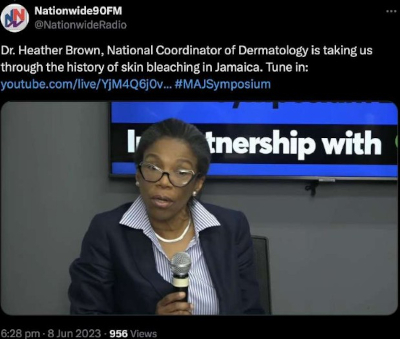 A social media awareness campaign was launched in 2023 to engage the public on the dangers of mercury in SLPs. One highlight was a Twitter (X) Space discussion with over 100 participants, featuring a representative from the Ministry of Health and Wellness. These online platforms play an important role in helping bridge knowledge gaps, especially among young adults.
Community engagement also included VOX POP discussions and an Eastern Jamaica radio program focused on the harmful health effects of mercury in SLPs. Additionally, the issue was addressed during a panel discussion at the Minamata COP 5 side event, bringing global attention to the topic.
Public Awareness and Media Outreach – 2025 Highlights
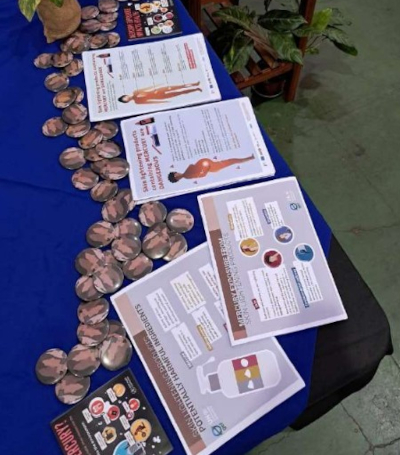 The nationwide social media campaign and media outreach continued to educate the public about the health risks of mercury in SLPs.
The Ministry of Health and Wellness led a radio interview in Western Jamaica highlighting these dangers. At the Jamaica International Beauty Expo, with over 10.000 attending, the campaign engaged small-scale cosmetic cream manufacturers and distributors, while vocational and beauty training institutions pledged to include lectures on mercury risks in their programs.
The awareness drive featured multimedia content, infographics, public lectures, and interactive table discussions to spark dialogue and promote safer beauty practices.
Public Health Interventions – 2025 Highlights
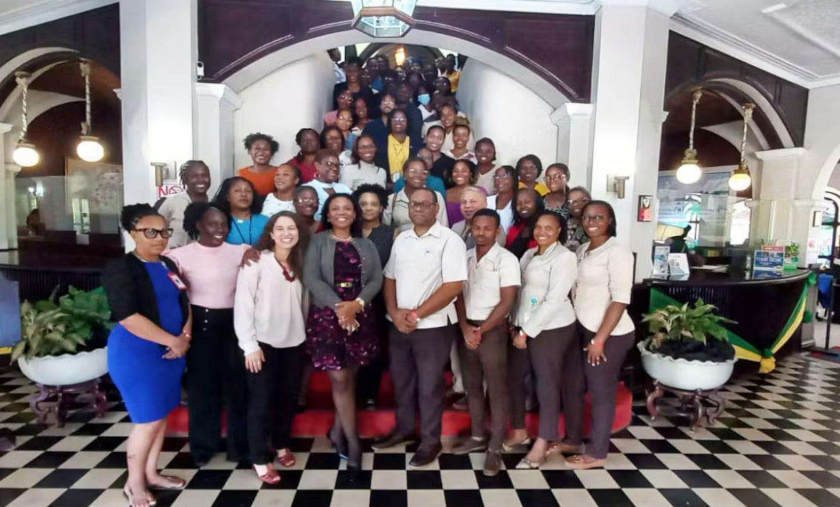
An island-wide workshop was organized to educate healthcare workers about the health risks and environmental impacts of mercury in SLPs. A total of 132 healthcare workers were trained across Jamaica, including Health Promotion Officers, Public Health Nurses, Public Health Inspectors, Nurse Managers, Medical Officers of Health, Public Health Physicians, and Community Health Aides. The initiative covered 14 parishes under four Regional Health Authorities, reaching both urban and rural public health systems. Of the participants, 62 attended Montego Bay and 70 in Kingston.
Advancing Research on Skin Lightening Practices in Jamaica
As part of the national initiative, procurement processes were finalized, and the University of the West Indies Mona team was selected to lead the behavioural insights research on skin lightening product use in Jamaica. The team includes lead researchers and assistants specialized in dermatology and societal studies. This research represents a critical step toward understanding behavioural drivers behind skin lightening practices and informing evidence-based interventions to promote safer health choices nationwide.
National Behavioural Insights Training on Eliminating Mercury SLP – 2025 Highlights
In October, Jamaica hosted the PAHO-WHO Behavioural Research Training under the project. This hybrid training brought together participants from the University of the West Indies and the Ministry of Health and Wellness, representing diverse departments such as Health Promotion, Policy, Public Relations, and Epidemiology. In total, 20 professionals were trained in behavioural science concepts critical to public health interventions, including Cognitive Biases, Rational Choice Theory, COM-B, and Heuristics.
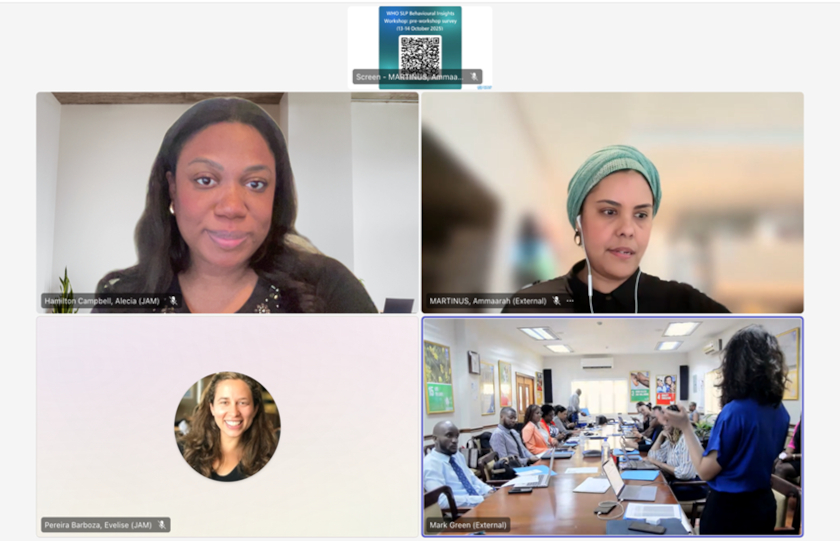
The sessions emphasized practical application, equipping participants with tools to design and implement behavioural-informed strategies. The research team on BI for the use of SLPs in Jamaica, in support of the Ministry colleagues, explored methodologies for their proposals, including the use of assisted interviews, integration of Jamaican patois for cultural relevance, and justification for in-person interviews. Sustainability strategies were highlighted, alongside calls for further research among adolescents, reinforcing the need for stronger commitment and support.