



Resources
Showing 1 - 25 of 185
185 results found
During the Sixth Conference of the Parties to the Minamata Convention on Mercury in November 2025, UNEP outreach events under the theme “Detoxifying Cosmetics and Beauty Ideals – Where Policy Meets Art” brought together artists, filmmakers, and voices from the cosmetics sector to explore the issue through creative and policy perspectives. This video captures behind‑the‑scenes moments.
Skin lightening cosmetics containing mercury hurt you and the planet. Want to know more? Watch the full video here: The color of beauty Check the settings to select your preferred language.
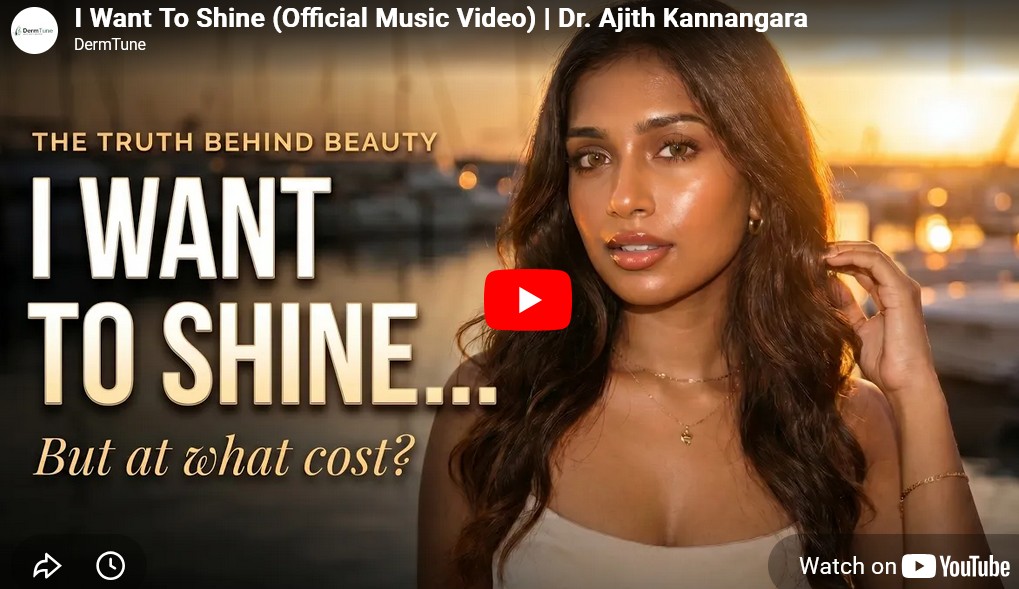
“I Want To Shine” (Official Music Video | Dr. Ajith Kannangara) is more than a song. It’s a reflection of a reality many don’t talk about — the pressure, the illusion, and the truth behind beauty.
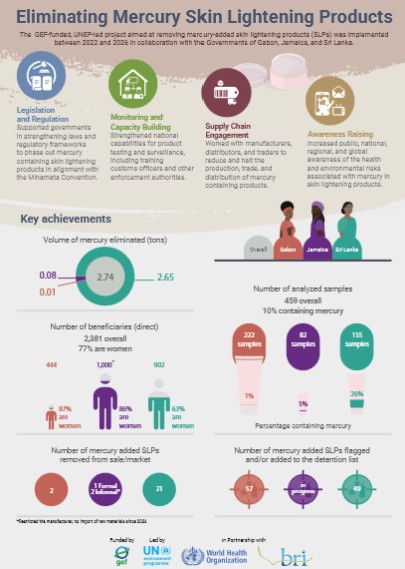
This infographic presents the key achievements of the GEF-funded, UNEP-led project aimed at removing mercury-added skin lightening products (SLPs) implemented between 2022 and 2026 in collaboration with the Governments of Gabon, Jamaica, and Sri Lanka.
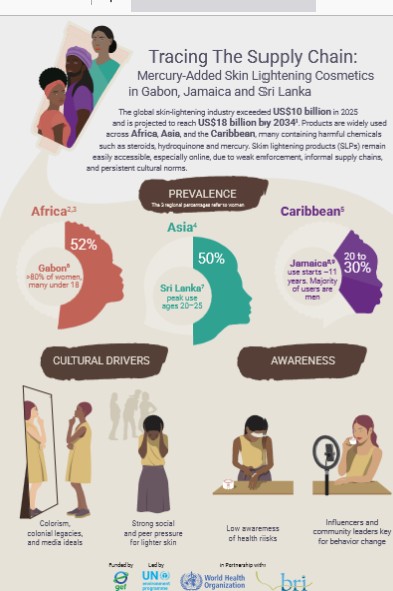
The global skin‑lightening industry exceeded US$10 billion in 2025 and is projected to reach US$18 billion by 20341. Products are widely used across Africa, Asia, and the Caribbean, many containing harmful chemicals such as steroids, hydroquinone and mercury.
[ EN / FR ]
This protocol was developed by Biodiversity Research Institute (BRI) to share recommended guidelines for market surveillance activities related to the sampling of suspected mercury-added skin lightening products available on the market. Best practices and recommendations for the analysis of samples are also provided.
This toolkit offers practical guidance and ready‑to‑use tools to support the collection of behavioural data and insights on the use of skin lightening products. Its purpose is to inform effective public health interventions and regulatory action.
The National Policy on Cosmetics Safety and Health (NPCSH) provides Nigeria with that coherent framework. It establishes a unified direction for regulation, coordination, and vigilance across the cosmetics value chain, from formulation and manufacturing to distribution, marketing, use, and disposal.
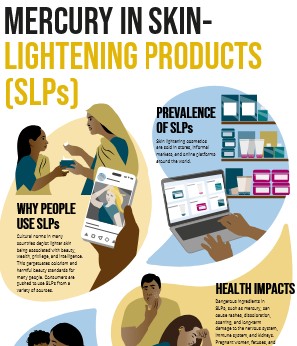
The infographic shows the harmful health and environmental impacts of these products, and the need for the Minamata Convention's implementation through regulation, enforcement and awareness-raising.
The first annual skin-lightening cream stakeholder meeting was held on Dec. 10, 2025. Minnesota Pollution Control Agency (MPCA) staff, along with business and community stakeholders, shared updates and engaged in a rich discussion about ways to protect human health and the environment from contaminated skin-lightening creams. Watch the video.
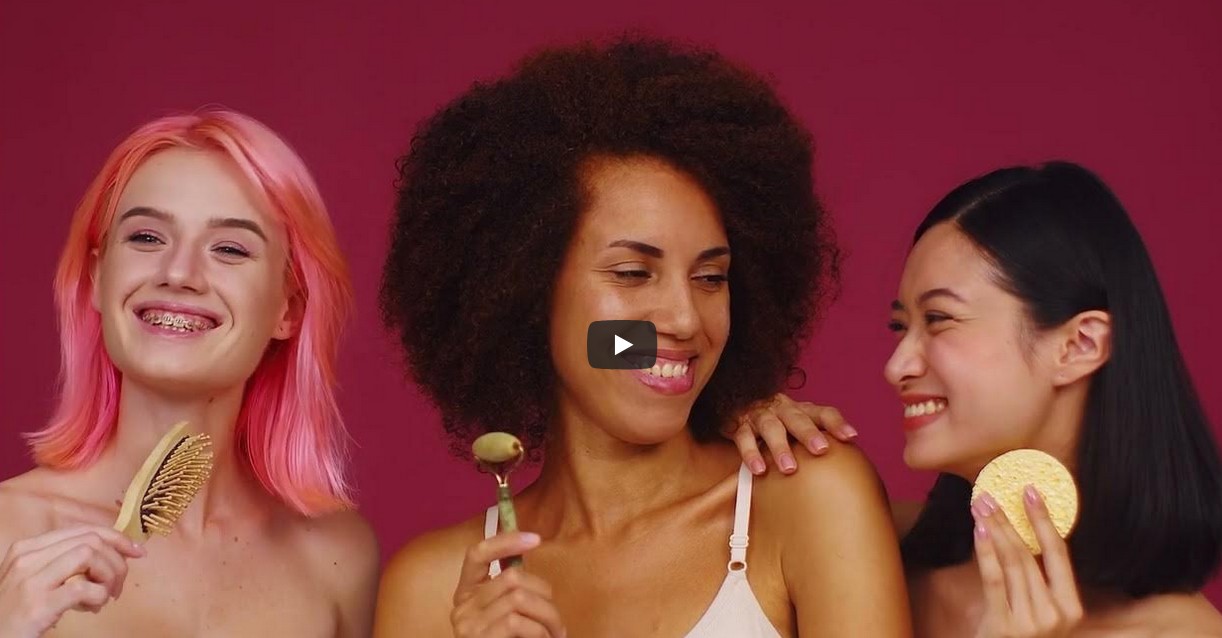
Fairness at a Cost is a powerful documentary that explores the growing obsession with lighter skin tones and the widespread use of skin-lightening products—many of which contain dangerous substances like mercury, hydroquinone, and steroids.
This National Guideline has been developed as part of the project “Accelerate implementation of dental amalgam provisions and strengthen country capacities in the environmental sound management of associated wastes under the Minamata Convention on Mercury”.
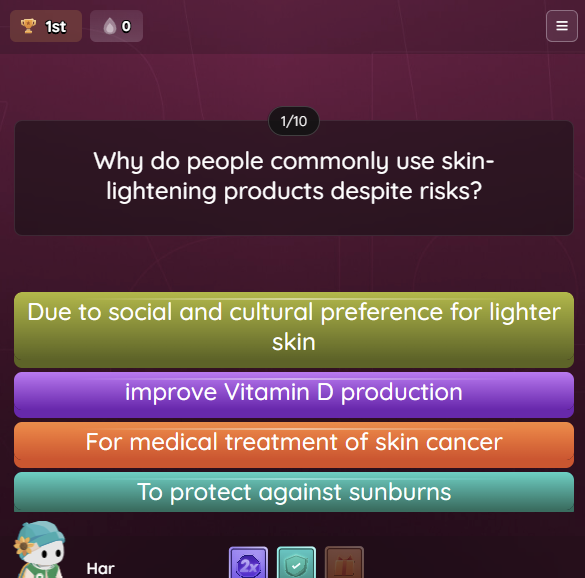
This Tool was developed by the Health Promotion Bureau, Ministry of Health and Mass Media, Sri Lanka, during their ToT programs.
The Quiz Game is an educational resource that teachers or session moderators can use to engage with students or participants.
Level: Easy - 10 questions (multiple choices)
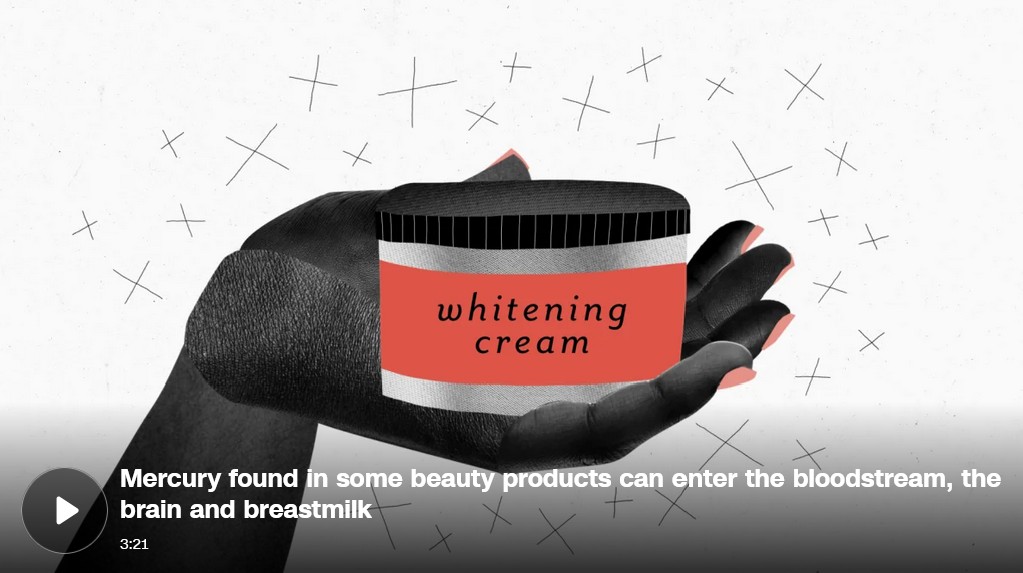
Mercury found in some beauty products can enter the bloodstream, the brain and breastmilk.
This video and article from CNN explains it all and presents findings from a new report analysing cosmetics in USA and Canada.
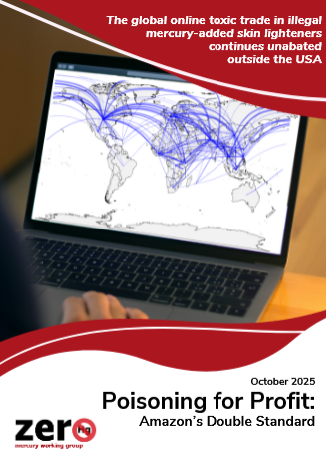
This report documents the ongoing availability of mercury added skin lightening products (SLPs) on Amazon websites around the world, despite a recent legal settlement with Amazon.com in the United States. The legal settlement in the U.S.—negotiated by the U.S.
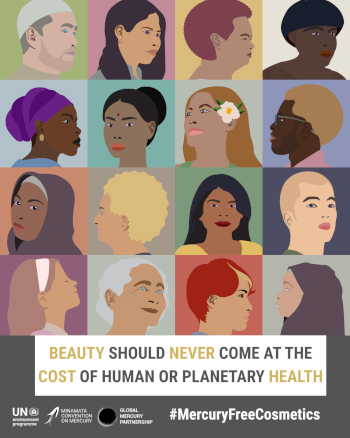
Hundreds of millions of users globally use skin lightening products which are rooted in systemic colorism and cultural norms and pressures that promote certain beauty standards.
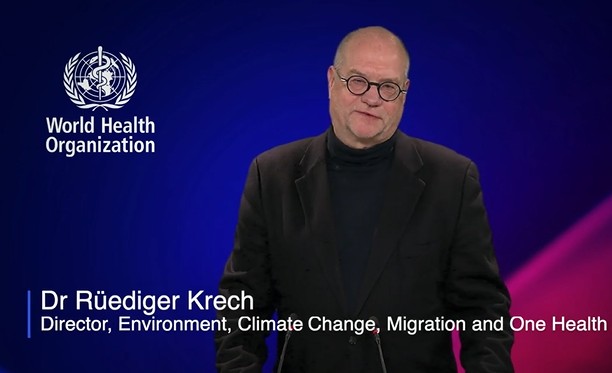
Dr Ruediger Krech highlights the urgent public health concerns posed by mercury exposure, especially to vulnerable populations such as pregnant women and children. He outlines WHO’s role in supporting countries through policy guidance, awareness campaigns, and implementation of the Minamata Convention health articles.

This WHO initiative page, guided by the Global Oral Health Action Plan 2023–2030, promotes environmentally sound oral health practices by addressing key challenges such as mercury use in dental amalgam, plastic waste, and carbon emissions.

Danger doesn't always look dangerous. Sometimes it is hiding in fish, in face cream, even in the air. Mercury. For thousands of years, humans have put mercury to work. Ancient alchemy, rituals, gold mining, batteries. It travels through the air and water. It lingers. it turns into methylmercury, slips into the food chain and into us. But this is not a horror story. This is a comeback story.
The annex to the present note sets out a report on activities undertaken within the Global Mercury Partnership of the United Nations Environment Programme (UNEP) during the period from January 2024 to July 2025.
Rapport de l’évaluation de la situation nationale de l’utilisation des amalgames dentaires - Sénégal
Le rapport de l’évaluation de la situation nationale de l’utilisation des amalgames dentaires et de la gestion des déchets associés est élaboré par la DSBD de la DLM, dans une approche participative multisectorielle.
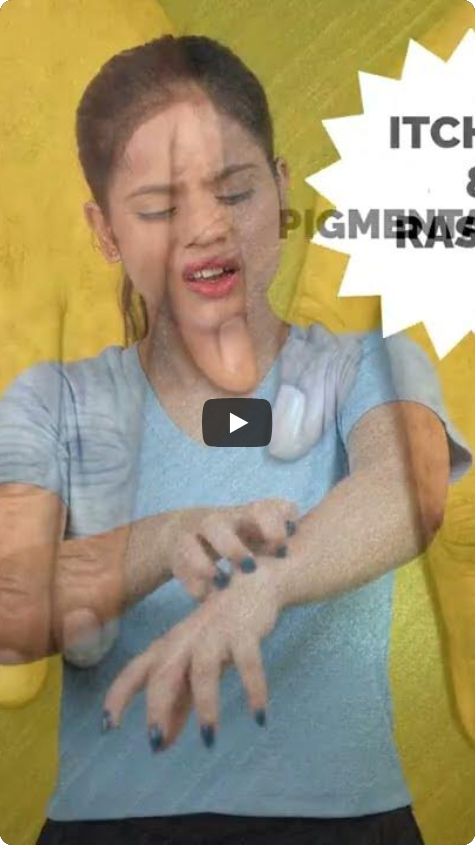
In this short video, the National Poisons Information Centre of Sri Lanka is raising awareness about hidden toxic risks in skin-lightening products.
The video was released on youtube during the Poisoning Prevention week organised on 11-17 August 2025.
This case study funded by the African, Caribbean, and Pacific Multilateral Environmental Agreements Phase 3 (ACP MEAs III) Programme presents key insights from the market assessment of mercury-free products and the development of three targeted mercuryfree procurement policies—for medical measuring devices, dental amalgam, and lighting products—in the three participating countries: St.
Skin lightening cosmetics are one of the fastest-growing products that address the people’s desire to lighter skin. The active ingredients to the skin lightening cosmetic products have the function to inhibit melanogenesis process under skin resulting less melanin content. Among them, inorganic mercury salts inhibit melanin formation by competing with copper in tyrosinase enzyme.

The Minamata Convention on Mercury requires parties to phase down the use of dental fillings containing mercury, called dental amalgam. It restricts its use in vulnerable populations, including children and pregnant women.
Explore Insights, Resources and Intersessional Work gathered in the Minamata Convention on Mercury Topic: Dental amalgam.
Showing 1 - 25 of 185



The overall goal of the UNEP Global Mercury Partnership is to protect human health and the environment from the releases of mercury.