News Nature Action

Updates on nature, land and biodiversity

Nature is humanity’s lifeline. Human health, food, economies and well-being depend on nature. Yet nature is in crisis. One million of the world’s estimated 8 million species of plants and animals are threatened with extinction. Meanwhile, ecosystem degradation is affecting the well-being of 40 per cent of the global population.

The spotlight on nature and biodiversity highlights updates from around the UN System, from partners and others, helping to call attention to the need for a just, prosperous and sustainable future for all.

03 Mar 2026 13:04

Message from UNEP Chief Inger Andersen on World Wildlife Day

12 Feb 2026 16:20

Press Conference: What’s Next for Global Biodiversity Action?

Rome
Credit: Flickr/GCPhotographs


The Convention on Biological Diversity (CBD) will host a press conference on 16 February 2026 in Rome, alongside the sixth meeting of the Subsidiary Body on Implementation (SBI-6). CBD leaders will share key updates on progress, priorities and next steps for delivering the Kunming-Montreal Global Biodiversity Framework ahead of COP 17. Media are welcome to join either in person at FAO Headquarters or online.

04 Feb 2026 14:13

Joint Statement on the Renewed Quadripartite Memorandum of Understanding Regarding Cooperation On One Health

Through the renewal of the Memorandum of Understanding (MoU) on One Health, the Food and Agriculture Organization of the United Nations (FAO), the United Nations Environment Programme (UNEP), the World Health Organization (WHO), and the World Organisation for Animal Health (WOAH) reaffirm their shared commitment to advancing the implementation of the One Health approach.

Building on longstanding cooperation and successful joint efforts, and recognizing the interdependence of the health of humans, animals, plants, ecosystems, and the wider environment, the Quadripartite organizations remain committed to coordinated, multisectoral action to address current and emerging health challenges at the interface.

The renewed MoU continues to provide the legal and operational framework for collaboration, leveraging the respective mandates and comparative advantages of each organization. It reinforces possibilities for cooperation across key priority areas, including health systems strengthening; prevention, preparedness and response to epidemics and pandemics; control of endemic and neglected diseases; antimicrobial resistance; food safety; and the systematic integration of environmental considerations into One Health policies and actions.

Guided by principles of cooperation, shared responsibility, inclusiveness, equity, and gender equality, the Quadripartite will continue to advance evidence-based policies and coordinated support to countries and partners to accelerate the implementation of the One Health approach.

Through this renewed Memorandum of Understanding, FAO, UNEP, WHO, and WOAH reaffirm their collective determination to reduce health risks and promote sustainable health outcomes for humans, animals, plants, ecosystems, and the wider environment worldwide.

This renewed Memorandum of Understanding shall remain in force until 28 November 2030. The full text of the revised MoU and the letter of renewal are available here.
08 Jan 2026 14:08

Madhav Gadgil's legacy lives on

India, Medium Madhav Gadgil in his study
Credit: UNEP/Florian Fussstetter


We are deeply saddened by the passing of ecologist Madhav Gadgil, a UNEP #EarthChamps whose work shaped action for nature in India & beyond.

Guided by science and empathy for people, he believed progress could gather pace and spent his life helping make it so.

22 Dec 2025 17:09

Global action for migratory wildlife gains momentum

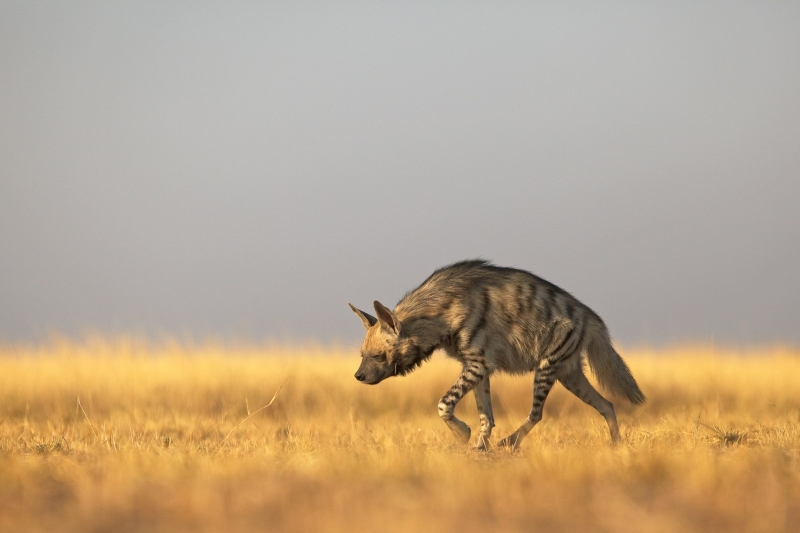
A hyena walking in a field
Credit: Unsplash/Rohit Varma


Governments are moving to strengthen global protection for migratory species, with proposals submitted to list 42 species under the Convention on the Conservation of Migratory Species of Wild Animals (CMS) as needing international protection. 

The proposals include species such as the snowy owl, striped hyena, and great hammerhead shark, all of which are experiencing population declines due to habitat loss, climate change, and overexploitation. One species, the Bukhara deer, is proposed for removal from the highest protection category following population recovery. 

Governments will take up the proposals at CMS COP15 in Campo Grande, Brazil, from 23-29 March 2026. 

19 Dec 2025 14:33

How National Biodiversity Strategies and Action Plans can save the planet

On the anniversary of the Kunming-Montreal Global Biodiversity Framework, National Biodiversity Strategies and Action Plans (NBSAPs) are in focus as countries work to turn global biodiversity commitments into action. 

NBSAPs are a country’s plan for nature, outlining what will be protected, restored, and managed, and how progress will be tracked over time. The choices made in updating and implementing these plans will shape what comes next for nature.

This video explains the importance of NBSAPs in translating international biodiversity targets into concrete policies, actions, and investments. It highlights how NBSAPs support sustainable development, strengthen ecosystem resilience, and promote inclusive participation across governments, institutions, and communities.

15 Dec 2025 16:50

Find out the story behind the logo of the 2026 UN Biodiversity Conference

19 Nov 2025 10:21

Solomon Islands to scale reef-positive enterprises through global partnership

Solomon Islands
Credit: Vicki Garside / Unsplash


Alongside COP30 in Belém, the World Wildlife Fund (WWF) and the Global Fund for Coral Reefs (GFCR) – co-led by the United Nations Capital Development Fund (UNCDF), the United Nations Development Programme (UNDP) and the United Nations Environment Programme (UNEP) – are partnering to boost investment in reef-positive businesses in Solomon Islands. The initiative aims to demonstrate how innovative finance can protect reefs while strengthening community resilience.

Home to some of the world’s most biodiverse and resilient reefs, the Solomon Islands rely on reef ecosystems for food security, coastal protection and economic opportunity. Yet they face growing threats from overfishing, development and pollution.

Implemented by WWF-Pacific and UNCDF, the new initiative will provide tailored business support, catalytic grants, and blended-finance tools to help small enterprises and local financial institutions scale sustainable fisheries, ecotourism, regenerative agriculture and pollution-reduction solutions. Read more here.

13 Nov 2025 10:09

Inger Andersen meets UNEP Patron of Biodiversity, Her Majesty Queen Mary of Denmark.

Instagram Post
Credit: Instagram/Inger Andersen
03 Nov 2025 16:11

How sustainable tourism is protecting coral reefs

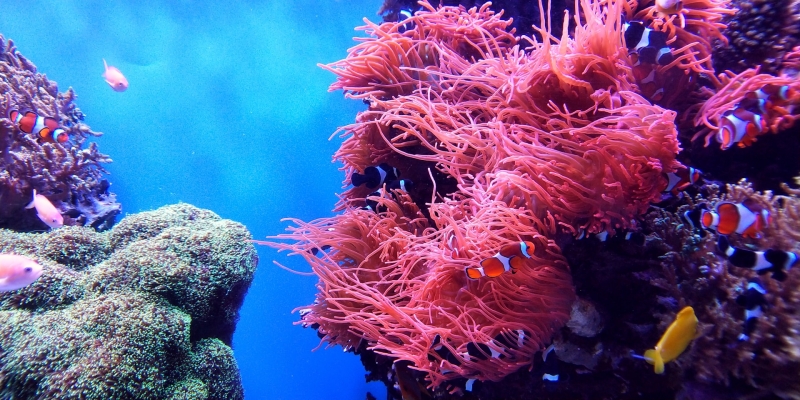
Fish in coral reef underwater
Credit: unsplash/LI FEI


The Reef-World Foundation’s 2025 Impact Report highlights tangible progress in coral reef protection driven by responsible marine tourism. Through its Green Fins Initiative with UNEP, Reef-World now works in more than 80 countries, promoting sustainable diving and snorkeling. 

In 2024-2025, participating businesses cut their environmental impact by 26 per cent with reef contact down 35 per cent and waste management improving by 31 per cent.

Against the backdrop of global coral bleaching and funding pressures, the report highlights how practical, local action can make a real difference for reef ecosystems and coastal communities.