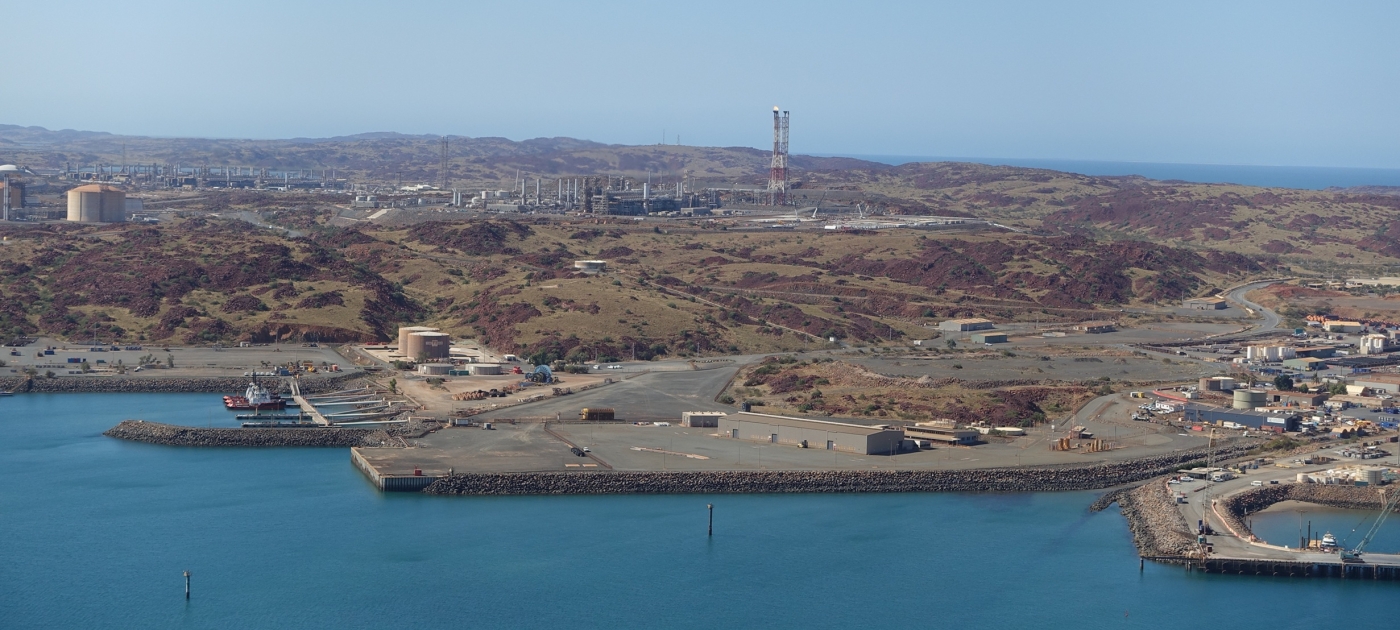
Nairobi, 15 July 2026 - Artificial Intelligence (AI) is helping turn satellite observations into methane mitigation action in the oil and gas sector. These mitigation efforts have delivered a climate benefit comparable to removing the annual emissions of almost 24 million gasoline-powered passenger cars, according to a new report by the UN Environment Programme (UNEP).
The report, Spotlighting Opportunity: How Artificial Intelligence is Accelerating Methane Action, highlights how UNEP's International Methane Emissions Observatory (IMEO) is using AI, through its Methane Alert and Response System (MARS), to identify major methane emissions and rapidly notify governments and companies of opportunities to act. Since becoming fully operational in 2024, MARS has contributed to more than 40 methane mitigation actions worldwide.
With more than 30 satellites generating vast amounts of data on methane emissions, humans struggle to process this information and enable action at scale.AI dramatically speeds this process up, enabling IMEO analysts to process 12 to 15 times more data while maintaining scientific rigour. AI-assisted workflows identified 80–85 per cent of confirmed methane detections before expert review, helping to mitigate sources estimated to have emitted 1.2 million tonnes of methane.
"Methane is only the beginning," said Martin Krause, Director of UNEP's Climate Change Division. "The real lesson from this work is that AI can help convert the explosion of environmental data into practical action. By combining scientific expertise with lightweight and energy-efficient AI tools, we can respond faster not only to methane emissions, but to a wide range of environmental challenges."
UNEP's approach demonstrates that AI can support climate action without significantly increasing the environmental burden it seeks to address. The methane-monitoring models were specifically designed to be lightweight and energy efficient, requiring only modest computing resources while delivering substantial gains in monitoring capacity.
The findings come as governments and companies face growing pressure to deliver on the Global Methane Pledge and the UN Secretary-General's Call to Action on Methane. The Secretary-General has called on countries to respond to 80 per cent of methane alerts received through MARS, underscoring the need for timely detection and notification.
Methane is around 80 times more powerful than CO₂ over a 20-year period, yet it remains in the atmosphere for only about a decade. Cutting its emissions – which come mainly from the fossil fuel, agriculture, and waste sectors – can rapidly slow the rate of global warming and deliver other benefits such as reduced air pollution and stronger crop yields.
Turning the rapidly growing volume of methane data into targeted action that delivers these benefits remains a major challenge. MARS addresses this challenge by integrating data from more than 30 satellite instruments and using AI models to distinguish methane emissions, such as leaks from oil and gas facilities, from environmental noise. The system is currently expanding to additional sectors beyond oil and gas, including coal and waste.
Since 2023, the system has analysed over 1.3 million satellite observations. The result is a scalable approach to methane monitoring at a time when environmental data volumes are growing rapidly.
Human expertise remains central to the process. Every AI-flagged detection is independently reviewed and verified by IMEO analysts before a notification is issued, ensuring that decisions remain grounded in scientific judgement.
UNEP is also making key datasets and code openly available, helping researchers, governments, and other organizations to build on its experience and expand access to methane-monitoring tools.
“As new satellite missions increase the volume of methane data available worldwide, the challenge is no longer finding emissions but acting on them,” Krause said. “UNEP's experience shows how AI can help bridge that gap, enabling faster identification of major methane releases and helping convert data into measurable emissions reductions.”
NOTES TO EDITORS
About the UN Environment Programme (UNEP)
UNEP is the leading global voice on the environment. It provides leadership and encourages partnership in caring for the environment by inspiring, informing and enabling nations and peoples to improve their quality of life without compromising that of future generations.
UNEP is at the forefront of methane emissions reduction in line with the Paris Agreement goal of keeping global temperature rise well below 2°C. UNEP’s work revolves around two pillars: data and policy. UNEP supports companies and governments across the globe to use its unique global database of empirically verified methane emissions to target strategic mitigation actions and support science-based policy options through the International Methane Emissions Observatory (IMEO). UNEP also fosters high-level commitments through advocacy work and supports countries to implement measures that reduce methane emissions through the Climate and Clean Air Coalition (CCAC). Both initiatives are core implementers of the Global Methane Pledge.
For more information, please contact:
News and Media Unit, UN Environment Programme