- The region is home to some of the world’s fastest-melting glaciers, crucial to the water cycle
- Between 2000 and 2020, glaciers were decimated by 77% in Azerbaijan and 24% in Georgia
- Greater monitoring, data-sharing and climate adaptation needed
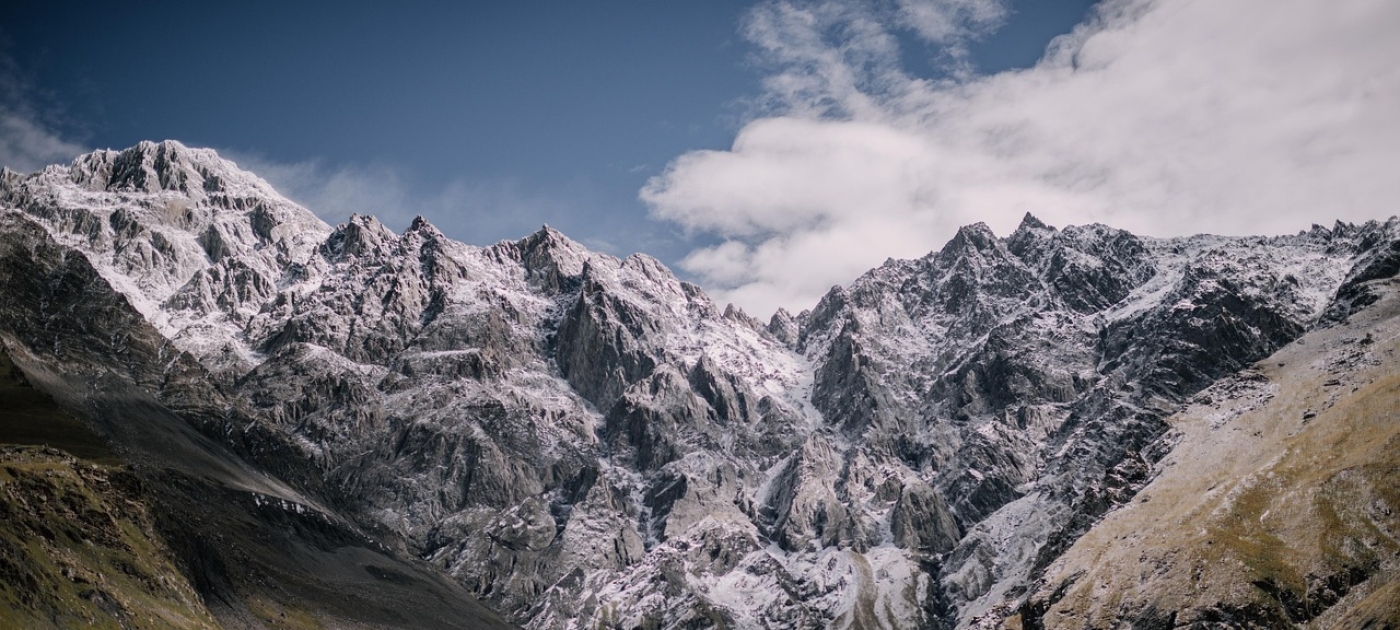
Geneva, 11 December 2025 – Glaciers in the South Caucasus are melting faster than in almost any other mountain region on Earth, posing a threat to water security and increasing the risk of natural hazards, according to a new policy brief released on International Mountain Day.
The policy brief, titled Melting Heritage: Adapting to a Changing Snow and Ice Cover in the South Caucasus and produced by the UNEP-hosted Regional Adaptation Dialogue in the South Caucasus, calls for greater monitoring and data sharing, and for snow and ice loss to be built into climate adaptation plans.
Across the South Caucasus, glaciers lost over 23 per cent of their total area between 2000 and 2020. The decline was especially dramatic in Azerbaijan, where they shrank by 77%, and in Georgia, where glaciers are now 24% smaller. In Armenia, where glaciers have vanished, seasonal snow cover lasts 11 days less than in 2000, while average snow depth has declined by 3cm.
The policy brief highlights that if global warming were limited to the Paris Agreement target of 1.5 degrees Celsius by 2100 compared to pre-industrial times around 40% of the region’s glacial mass could be preserved. Yet if the warming were to reach 3 degrees, most glaciers in the South Caucasus are projected to disappear by the end of the century. UNEP’s 2025 Emissions Gap Report finds that the world is currently on track for 2.3-2.5 degrees Celsius of warming if emission-cutting pledges are fulfilled.
“The South Caucasus is one of the regions experiencing changes in the cryosphere," said UNEP Europe Director Arnold Kreilhuber. “UNEP is committed to working with all partners to improve monitoring, support water security efforts, and help protect communities and ecosystems.”
Risk of water insecurity and hazards
The region’s snow, ice and permafrost are vital to the entire water cycle. Meltwater from mountains replenishes rivers and sustains ecosystems, drinking water, agriculture, industry, and more.
Disruption of the cryosphere means that the risk of water insecurity increases during summer droughts. For example, groundwater withdrawals have already doubled in Armenia and increased four-fold in Azerbaijan compared to 2000, the report finds.
Once glacier loss reaches a tipping point, known as ‘peak water,’ the glaciers’ contribution to river discharge will decline, leading to increased water scarcity at local, national and regional levels.
Ongoing glacier retreat will furthermore intensify mountain hazards, including floods, landslides, rockfall and ice avalanches, with the 2023 fatal avalanche and debris flow in Shovi, Georgia, highlighted as an example of the region’s vulnerability.
Free and open access to data on snow and ice loss is currently lacking across the region, while no regional permafrost or glacial lake monitoring is currently in place, the brief finds. While countries have climate policies in place, these furthermore need to take snow and ice loss into account, it underlines.
The brief was developed by regional and international experts under the UNEP-hosted Regional Adaptation Dialogue in the South Caucasus, managed as part of the Adaptation at Altitude project.
NOTES TO EDITORS
About International Mountain Day
International Mountain Day is an international observance day whose goal is to raise awareness about the role that mountainous regions play in the lives of people and their importance to our planet. Mountains are home to 15% of the world's population and a quarter of the world’s land animals and plants. Unfortunately, mountains are under threat from climate change and overexploitation.
About the UN Environment Programme
The UN Environment Programme is the leading global voice on the environment. It provides leadership and encourages partnership in caring for the environment by inspiring, informing and enabling nations and peoples to improve their quality of life without compromising that of future generations.
For more information and to arrange interviews, please contact:
Alejandro Laguna, Head of Communication, UNEP Europe Office, laguna@un.org