- Sand and dust storms drive highest peaks in particulate matter (PM) air pollution in Termez
- Regional cooperation on data sharing, forecasting, and joint response is crucial
- Fossil fuel heating, traffic, agriculture, and industry also cause dangerous year-round pollution in Termez area
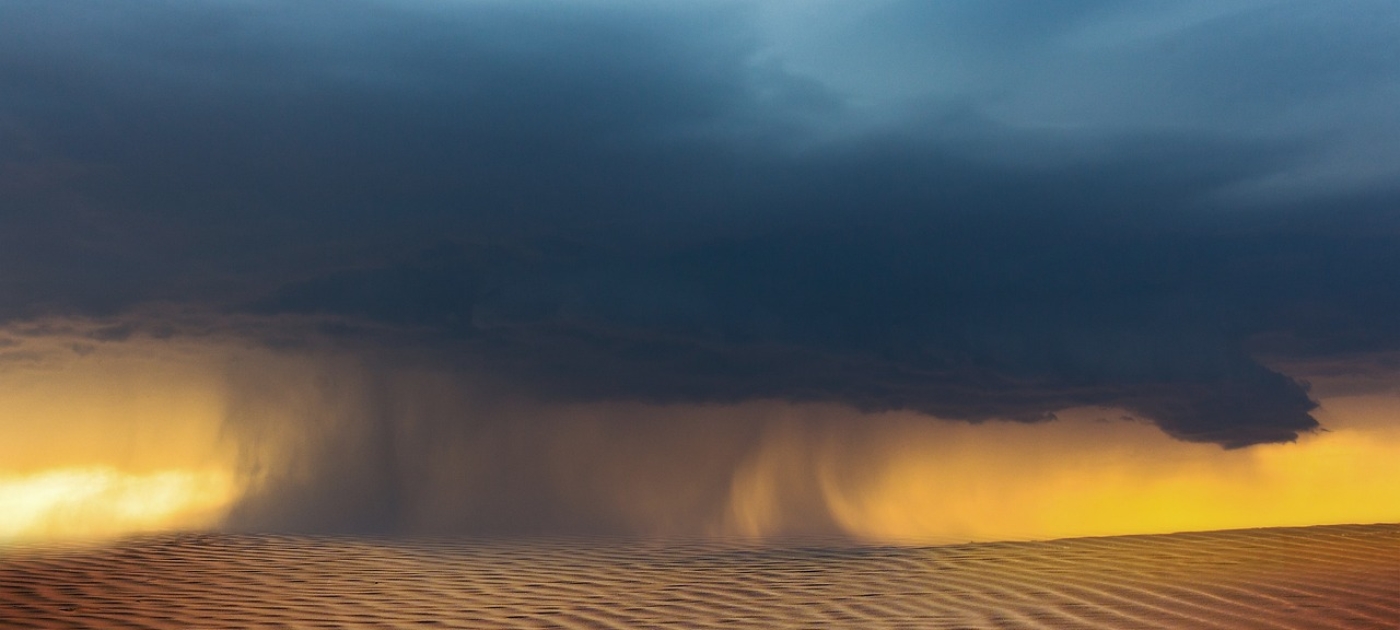
Tashkent (Uzbekistan), 16 December 2025 – Uzbekistan faces urgent threats from sand and dust storms, which drive the highest spikes in air pollution in its southernmost major city, Termez, according to a new UN Environment Programme (UNEP) report.
Heating with fossil fuels, road traffic, agriculture, and small-scale industry are also causing dangerously high levels of air pollution in Termez, the report finds, with particulate matter concentrations breaching national and World Health Organization (WHO) guidelines throughout the year.
Yet sand and dust storms are driving the most severe particulate matter (PM10 and PM2.5) air pollution peaks, finds the Air Quality in Termez, Uzbekistan: Assessment of Key Emission Sources and Recommendations for Enhancing Air Quality Monitoring and Management report, presented to policymakers at the Central Asian Green University today.
PM10 are particles of air pollution measuring less than 10 microns in size that can damage the lining of the respiratory tract, while PM2.5 are small enough to enter the blood stream, where they can affect every organ in the body.
“Air pollution peaks caused by sand and dust storms are no longer one-off events, but rather part of a growing pattern amplified by climate change,” said Arnold Kreilhuber, Director of UNEP’s Europe Office. “Strong winds do not respect borders. Protecting the health of citizens in Uzbekistan means neighbouring countries must act together—sharing data, forecasting storms, and coordinating solutions, including nature-based ones.”
"Ensuring that the population has access to clean and safe air is one of the key environmental priorities of the Republic of Uzbekistan," said the Advisor to the President of Uzbekistan on Environmental Issues and Chairman of the National Committee on Ecology and Climate Change, Aziz Abdukhakimov. "The report not only ensures an objective and transparent analysis, but also establishes a reliable evidence base that underpins sectoral policy and supports the adoption of effective, science-based decisions" he added.
Drawing on 20 years of satellite observations and local emissions analysis, the report finds that large-scale dust episodes are the major cause for extreme air pollution in Termez. Strong winds are mobilizing large amounts of dust from neighbouring countries and regions; the highest daily PM air pollution spike recorded in Termez was due to a dust plume originating from as far away as the Aral Sea region of Uzbekistan — almost 900km away.
Sand and dust storms and transboundary pollution in general are among the most challenging types of air pollution to tackle, as they require international cooperation on research, early warning capacities, and finding the main sources of the storms. Climate change meanwhile increases the occurrence and intensity of extreme weather and contributes to desertification, which can also increase the storms’ frequency, according to WHO.
The report calls for urgent measures, including air quality monitoring to be stepped-up, early warning systems to be put in place, policies and targeted emission reduction plans for the combustion of fossil fuels, heating-related emissions, domestic and agricultural burning activities. In 2024, Uzbekistan issued a government decree aiming to reduce the frequency of sand and dust storms by 50% by 2028 and has been modernizing its air quality monitoring network with support from the Zamin Foundation.
Meanwhile, high PM1 and PM2.5 concentrations in winter point to fossil-fuel based heating as an important local source of anthropogenic emissions. Promoting cleaner mobility and reducing vehicle-induced dust is also critical, the report states. Seasonal agricultural practices, including fertilizer use, are furthermore likely contributing to elevated ammonia emissions, the report finds.
The report was produced at the request of the National Committee on Ecology and Climate Change of Uzbekistan together with the Finnish Meteorological Institute. The UN General Assembly and the UN Environment Assembly have issued mandates to address the adverse effects of sand and dust storms at global, regional and country level, and to promote regional cooperation on air quality.
NOTES TO EDITORS
About the Finnish Meteorological Institute
The Finnish Meteorological Institute (FMI) is a governmental research and expert organization in Finland. FMI’s core areas of expertise include meteorology, climatology, geophysics, air quality, and climate change. As Finland’s designated national expert institution on air quality, FMI plays a central role in coordinating air quality assessments, capacity building, and training from local to international level. With its strong scientific expertise, hands-on experience in air quality management, environment and climate change, and a long record of implementing international projects in over 100 countries, FMI offers a unique combination of scientific and technical excellence and practical knowledge.
About the UN Environment Programme
The UN Environment Programme is the leading global voice on the environment. It provides leadership and encourages partnership in caring for the environment by inspiring, informing and enabling nations and peoples to improve their quality of life without compromising that of future generations.
For more information and to arrange interviews, please contact:
Alejandro Laguna, Head of Communication, UNEP Europe Office