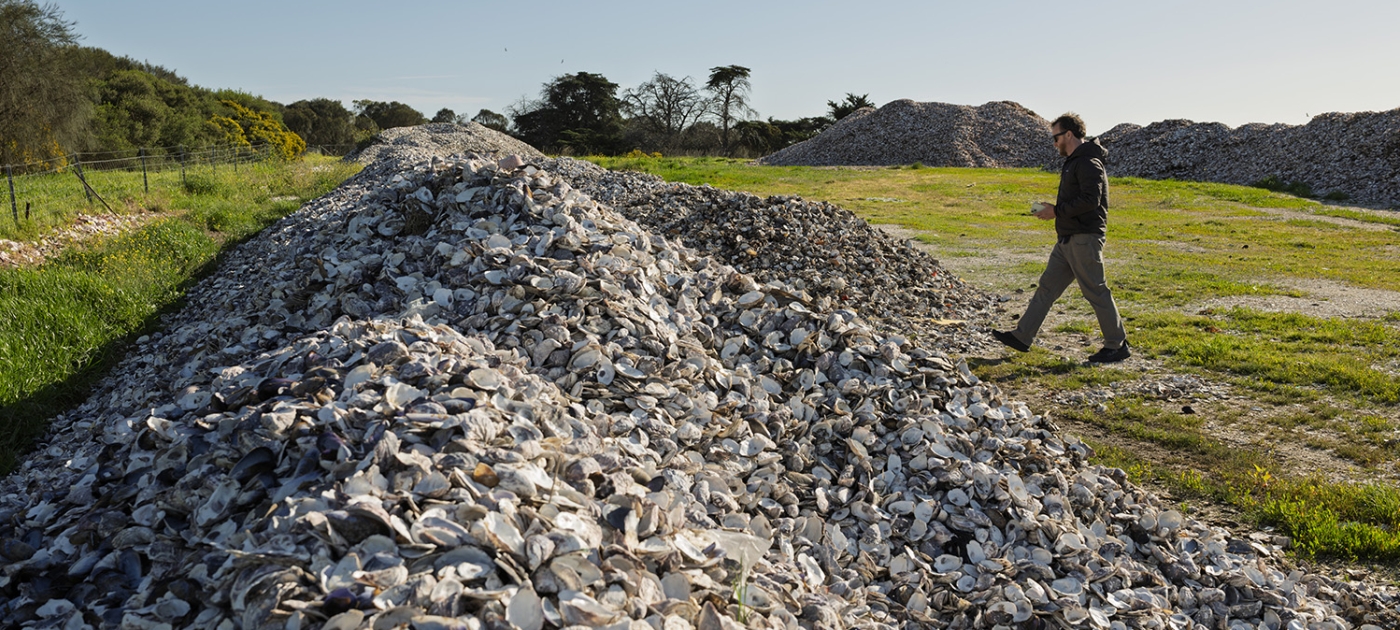
Tipped from a boat into Australia's Port Phillip Bay near Melbourne, a shower of recycled oyster shells settles gently on a bed of rubble that scientists hope will become the latest in a chain of painstakingly restored shellfish reefs.
Thousands of tons of rock and shells have been placed at more than 20 sites along the southern and eastern coasts of Australia under an ambitious, ongoing initiative to save these ecosystems from extinction.
As well as sustaining a trove of marine biodiversity, restored reefs are bringing back valuable benefits for local businesses, communities and Indigenous people with deep ties to the natural world.
“They may not be as famous as Australia’s Great Barrier Reef, but these ecosystems are just as important for maintaining the health of our oceans,” said Natalia Alekseeva of the UN Environment Programme (UNEP). “This initiative shows that when nature is given a helping hand, it can come roaring back, for its own sake and for ours.”
Reefs composed of millions of oysters and mussels were once abundant in the bays and estuaries around Australia, underpinning rich ecosystems that provided food and coastal protection for both people and nature.
Many were destroyed by overharvesting after the arrival of European settlers around 1800. Now, ongoing pressures including coastal development, pollution and climate change continue to threaten the less than 10 percent that remain in the south and east.
Laying a foundation
To reverse that loss, the “Shellfish Reef Rebuilding Program” aims to restore reefs covering a total of 300 hectares at 60 locations by 2030. The drive would return reefs in about 30 percent of their original sites and make Australia the first country to recover a critically endangered marine ecosystem.
Led by The Nature Conservancy and with support from government authorities and many other partners, the initiative has already restored 62 hectares of reefs in 21 of those locations.
In Port Phillip Bay and at other sites, rock and recycled oyster shells poured into the water provide a vital hard surface that shellfish larvae need to attach to and grow.
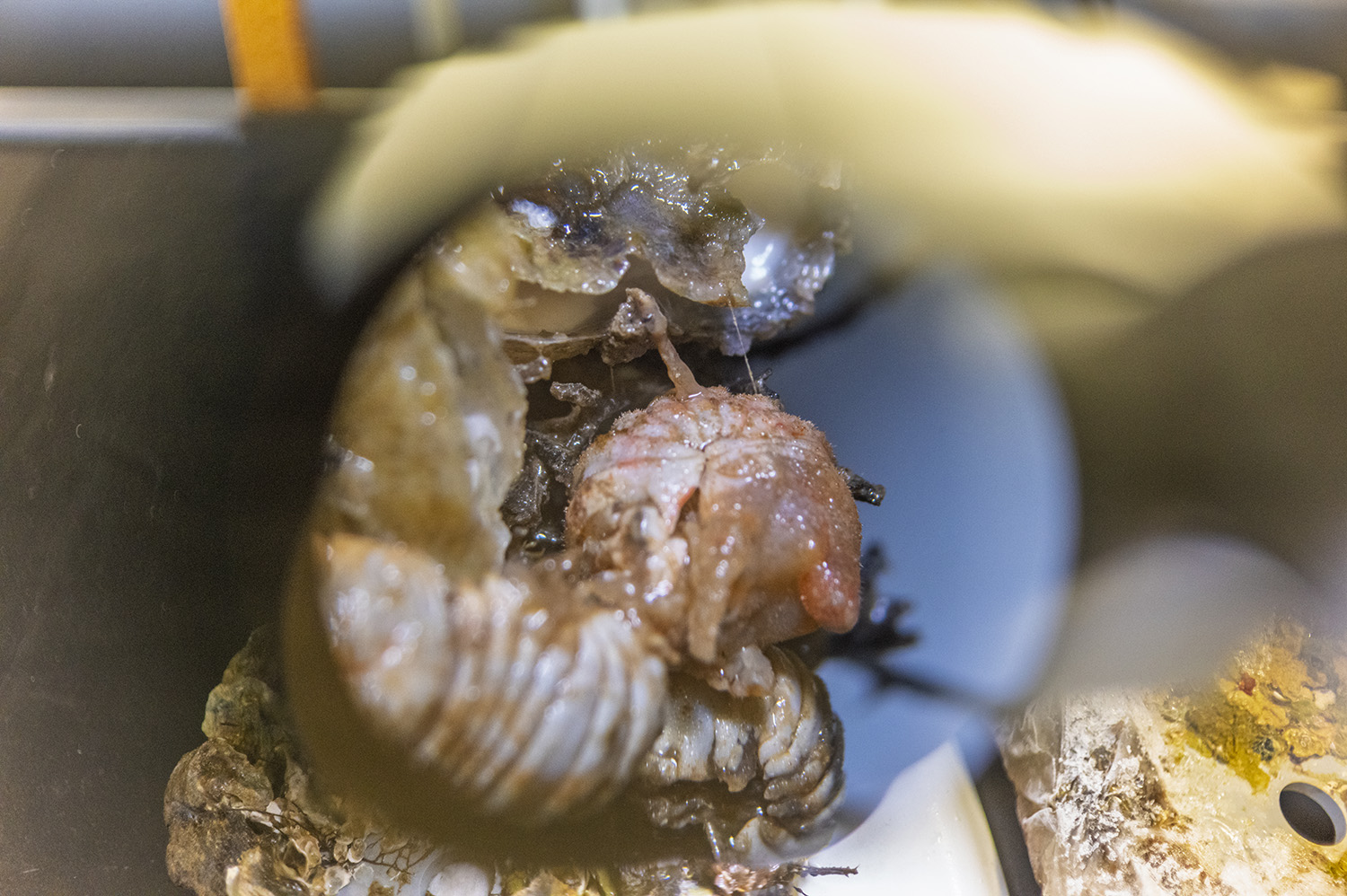
Reefs are additionally “seeded” by first placing some of the shells – collected from aquaculture businesses and local seafood restaurants – in hatcheries so that millions of juvenile oysters and mussels can settle on them before they are deployed.
"What we're really doing is sort of kick-starting that recovery process,” said Simon Branigan, Marine Restoration Lead at The Nature Conservancy Australia. “Since 2014, we’ve recycled like 150,000 wheelbarrows of shells.”

While many of the reefs are still maturing, the results are already encouraging.
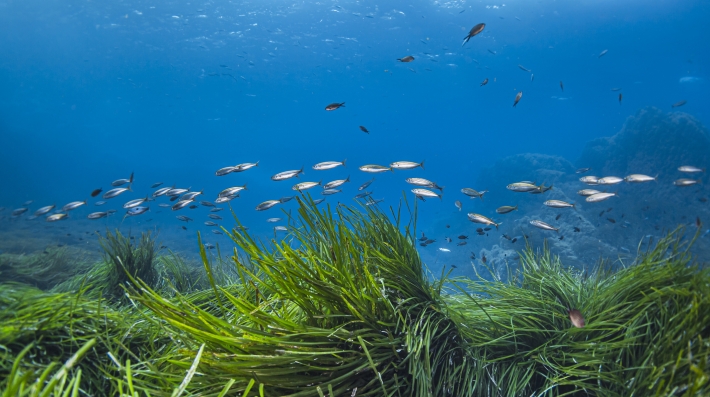
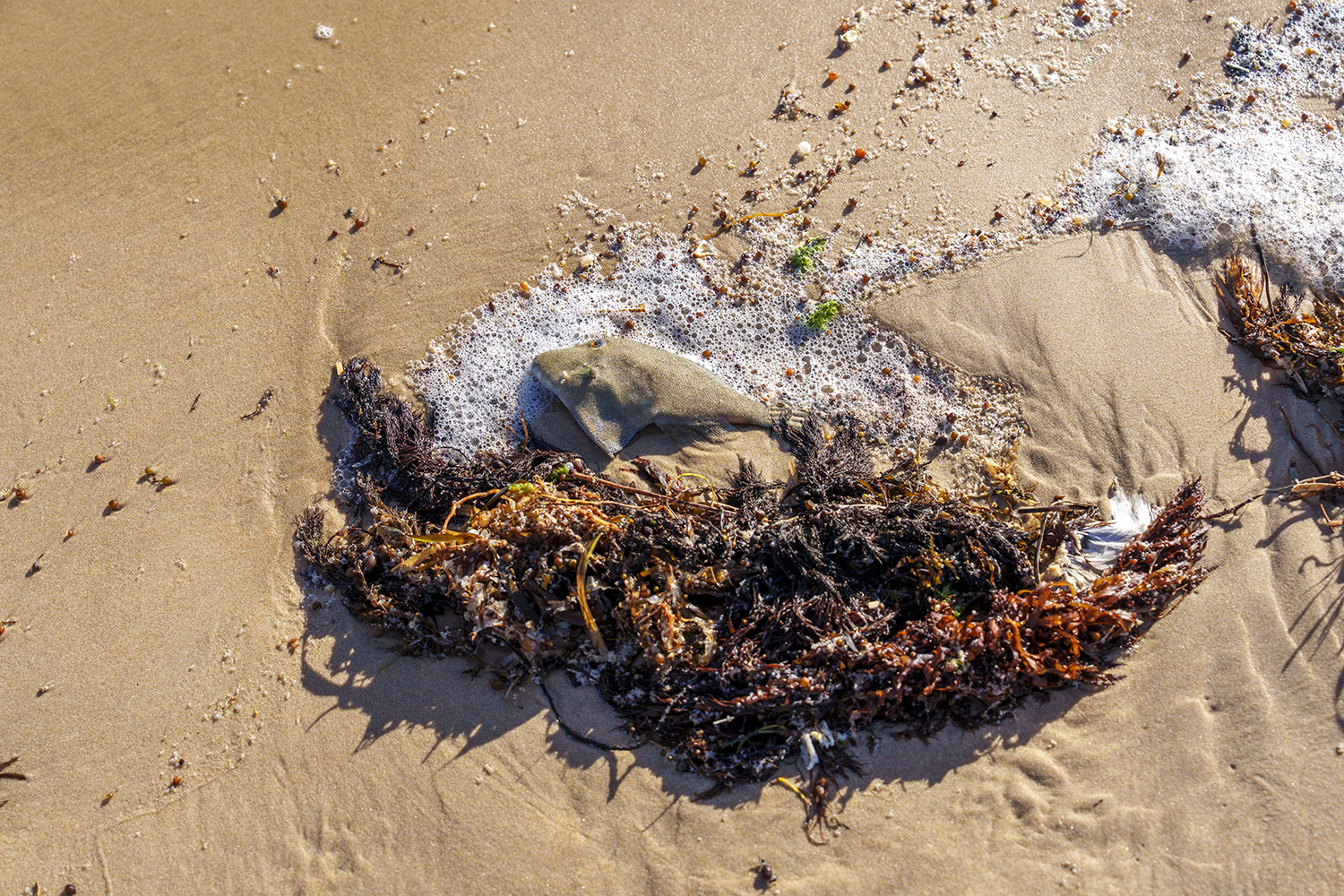
The areas restored so far are boosting fish stocks by an estimated 50 tonnes per year – a figure that could double by 2030: approximately 250 species of fish and mobile invertebrates such as crabs and sea stars have been recorded on the restored sites, compared to 175 species in adjacent areas.
Moreover, by filtering up to 125 billion litres of seawater, the reefs are removing as much as 14 tonnes of nutrient pollution every year, reducing the likelihood and impact of harmful algal blooms.
"When you are restoring reefs that are going down for the long term, in perpetuity, that's a renewable resource and way of sustainably cleaning the water column," said Dominic McAfee, a Marine Biologist at the University of Adelaide.
On completion, the restoration work is also expected to have created about 2,700 jobs, supported 200 local businesses, and generated nearly AUD 14 million a year in ongoing benefits, including for fishing and ecotourism ventures.
Working together
UNEP and the UN’s Food and Agriculture Organization (FAO) have named the initiative a World Restoration Flagship, a status awarded to outstanding and inspiring restoration efforts under the UN Decade on Ecosystem Restoration.
One of the criteria used to select the flagships is long-term sustainability, a box the reef restoration drive ticks through its work on community engagement, scientific research and policy development.
For example, local residents, anglers, Indigenous Traditional Owners and other interest groups are closely consulted and involved alongside regulators in the selection and design of restoration sites. Citizen science projects have included oyster and mussel growing, and underwater video monitoring of fish stocks, and Indigenous communities have been further engaged through naming and other cultural ceremonies.
“Projects like this are absolutely vital to restore the bay to what it once was,” said Matthew Chatterton, Sea and Coastal Projects Officer with the Wadawurrung Traditional Owners Aboriginal Corporation. “I think it's extremely important not only for Wadawurrung people but for the broader Victorian community that our sea country is as healthy as possible.”
At the policy level, the initiative has proposed steps to smoothen the approval process for large-scale coastal and marine restoration. It is also exploring innovative financing methods for more large-scale, long-term projects.
From now until 2030, the initiative is prioritizing sites near other coastal habitats like kelp beds, seagrass, saltmarsh and mangroves, hoping to raise the resilience of entire seascapes and their ability to both mitigate and adapt to climate change.
“There’s a lot of work to do,” Branigan said. "It is challenging, but it is also incredibly satisfying. “But I think what's most satisfying is that we're giving back to nature and people.”
About the UN World Restoration Flagships
Countries have already promised to restore 1 billion hectares – an area larger than China – as part of their commitments to the Paris climate agreement, the targets of the Kunming-Montreal Global Biodiversity Framework, the Land Degradation Neutrality targets and the Bonn Challenge. However, little is known about the progress or quality of this restoration. With the World Restoration Flagships, the UN Decade on Ecosystem Restoration is honouring the best examples of large-scale and long-term ecosystem restoration in any country or region, embodying the 10 Restoration Principles of the UN Decade. Progress of all World Restoration Flagships will be transparently monitored through the Framework for Ecosystem Restoration Monitoring, the UN Decade’s platform for keeping track of global restoration efforts.