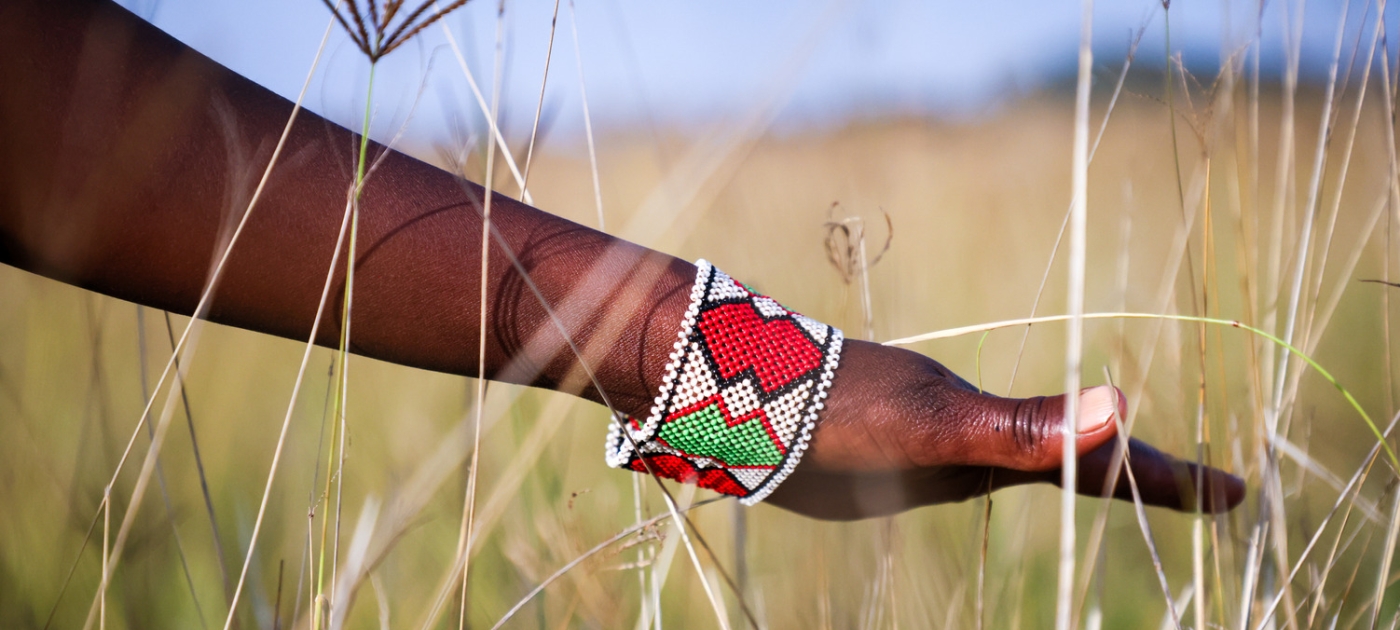
"Treat the Earth well: it was not given to you by your parents, it was loaned to you by your children," a Kenyan proverb says. In a country where an estimated 42 per cent of GDP and 70 per cent of employment is generated by sectors that depend directly on natural capital and ecosystem services, like tourism and agriculture, this wisdom reflects a crucial economic reality. It also warns against the loss of biodiversity - one of the big threats facing Kenyan communities.
Kenya, like much of the world, has experienced significant decline in a variety of its species due to rapid population growth, habitat destruction and the impacts of climate change. In response to these pressing challenges, the country has developed an innovative approach that integrates science, policy and business while empowering local communities. These efforts could provide a valuable example for other countries in Africa and around the globe.
"Kenya's leadership in inclusive biodiversity governance offers a promise of hope,” said Doreen Lynn Robinson, Deputy Director of Ecosystems Division at the United Nations Environment Programme (UNEP). “It is not only inspiring, but also essential that policymakers, civil society and communities decide together how ot conserve their natural resources and habitat.”
Like other countries, Kenya is undergoing an essential process of updating its National Biodiversity Strategy and Action Plan (NBSAP) to align the document more closely with the Kunming–Montreal Global Biodiversity Framework (GBF). Kenya is also using a global support network set up under the GBF to access expert advice, scientific knowledge and new technologies, helping the country put its NBSAP into action.
The GBF establishes ambitious global targets for 2030, which include conserving and restoring ecosystems, tackling the causes of biodiversity loss, and incorporating nature into economic decision-making. With only four years remaining before the 2030 deadline, countries need to ensure that their NBSAPs align with these targets and function as effective tools for achieving them.
"Updating an NBSAP is a complex exercise in itself," Robinson says. "But the real test is bringing all the government sectors with all the society together to turn these policies into meaningful action on the ground. And Kenya came up with a mechanism to achieve exactly that."
As part of its NBSAP, Kenya has created a National Biodiversity Coordination Mechanism (NBCM). Rather than treating biodiversity as the concern of a single ministry or sector, the NBCM seeks to transform fragmented efforts into a coordinated, strategic response that embodies a "whole-of-government, whole-of-society" approach.
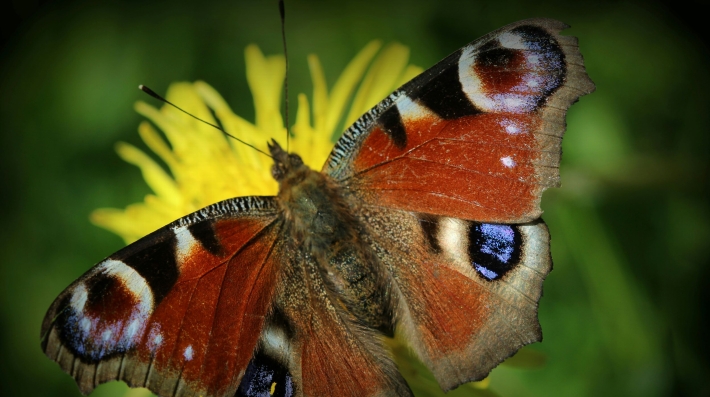
Initiated under the leadership of the Ministry of Environment, Climate Change and Forestry and formally launched in August 2024, the NBCM brings together ministries, county governments, civil society organizations, Indigenous Peoples and local communities, youth groups, research institutions, development partners, and private-sector actors into a single coordination platform.

The mechanism aligns national biodiversity goals with global frameworks and facilitates cross-sectoral collaboration among ministries and government departments whose decisions directly affect ecosystems. It also empowers non-state actors, including communities, academia, and the private sector, to actively work on solutions. Finally, it supports monitoring and reporting through more centralized and coherent biodiversity information systems.
This approach is drawing attention beyond Kenya's borders. Regional bodies and international partners increasingly cite the NBCM as a good practice in operationalizing whole-of-government and whole-of-society approaches to biodiversity conservation. It is also contributing to a positive change on the ground.
This year, Kenya has achieved a significant milestone in wildlife conservation. The Kenya Wildlife Service (KWS) has announced that the country's elephant population has increased to over 36,000, showing a steady rise after decades of decline. Additionally, the population of black rhinos, one of the world's most endangered species, has grown to over 850 individuals. This is a notable success, especially considering that Kenya is home to nearly 80 per cent of East Africa's black rhinos. More recently, Kenya announced the opening of 3,200 square kilometers for rhino conservation in an eastern area called Tsavo, with reports claiming this as the largest rhino sanctuary in the world.
Kenya continues to face many pressures common to biodiversity-rich countries, including the need to better align sectoral policies and strengthen implementation and monitoring systems. Yet, it has made notable progress in overcoming these barriers by bringing together people from diverse backgrounds and interests to work collectively to preserve its valuable natural resources.