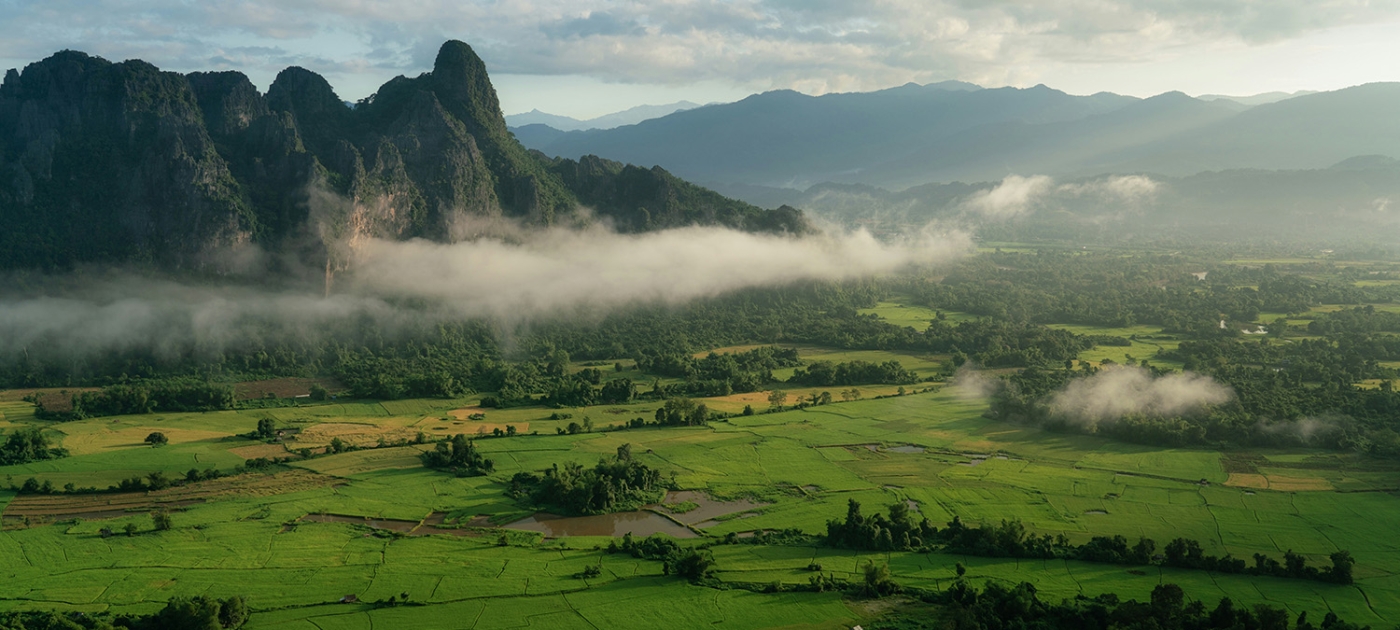
In the highlands of Xiengkhouang Province, in the Lao People’s Democratic Republic (Lao PDR), Alounxay Naphayvong lifts the lid of a beehive and smiles. For him, the low hum of the rising swarm is the sound of prosperity – it’s the sound of communities working in harmony with the forest.
“The more abundant the forest, the more honey we can harvest,” he says. A healthy hectare supports around 14 hives, each producing about six kilos of honey a year (roughly 84 kilos per hectare in total).
“In 2025, our sales from 5,000 kilos of honey brought in about US$35,000”, explains Alounxay. “If the forest remains healthy and our yields continue to improve, we expect that to grow to nearly US$115,000 in 2026 and around US$170,000 in 2027.”
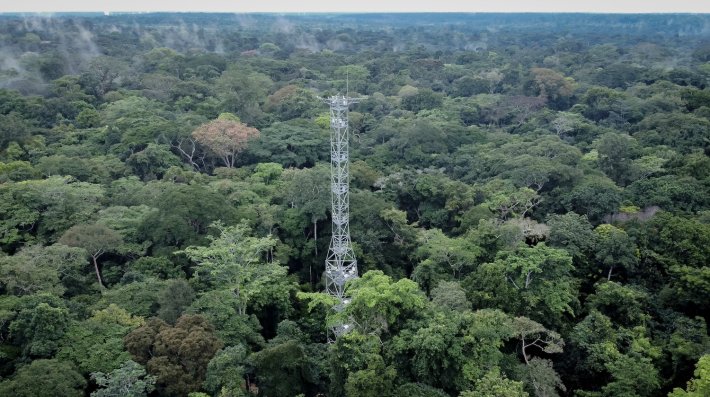
A recent report by the UN Environment Programme found that tropical forests at high risk of deforestation like these – which cover 391 million hectares globally – are among the most essential for both people and the planet. Protecting them provides livelihoods for 25 million people and helps avoid an estimated US$81 billion in climate-related damages annually. Yet these forests are also significantly underfunded –particularly tropical forests where the bulk of global deforestation is taking place.
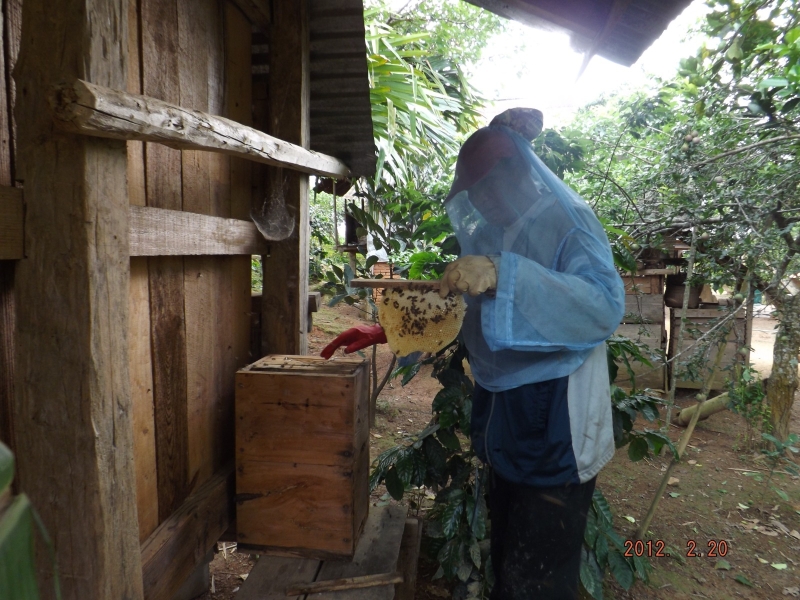
Naphayvong’s company, SoGreen Honey, is part of a growing movement of entrepreneurs across Asia who are demonstrating, in a tangible way, the importance of preserving and restoring these forests. For him, the logic is straightforward: trees support bees, bees produce honey, and honey creates cash income. But turning this logic into a viable business requires the skills and market access that allow communities to directly benefit from forests, thus incentivizing people to protect them.
This is the vision behind Sustaining the Abundance of Forest Ecosystems (SAFE), a joint initiative of the UN Environment Programme (UNEP) and the Korea Forest Service (KFS). SAFE promotes conservation, sustainable management and restoration across Bhutan, Cambodia, Lao PDR and Viet Nam, with a strong emphasis on community-led restoration and forest-based enterprises.
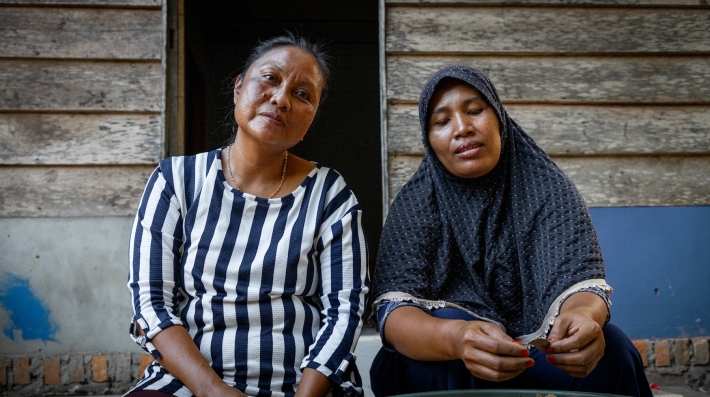
Working through SAFE, more than 1,300 households in four countries have engaged in restoration, protection, capacity development and livelihood activities, including workshops and exchanges on sustainable product sourcing. The resulting community-led initiatives have restored more than 65 hectares of forest to date, thanks in part to new nurseries and unusually high seedling survival rates of up to 95 per cent.
A region of forest-based enterprises
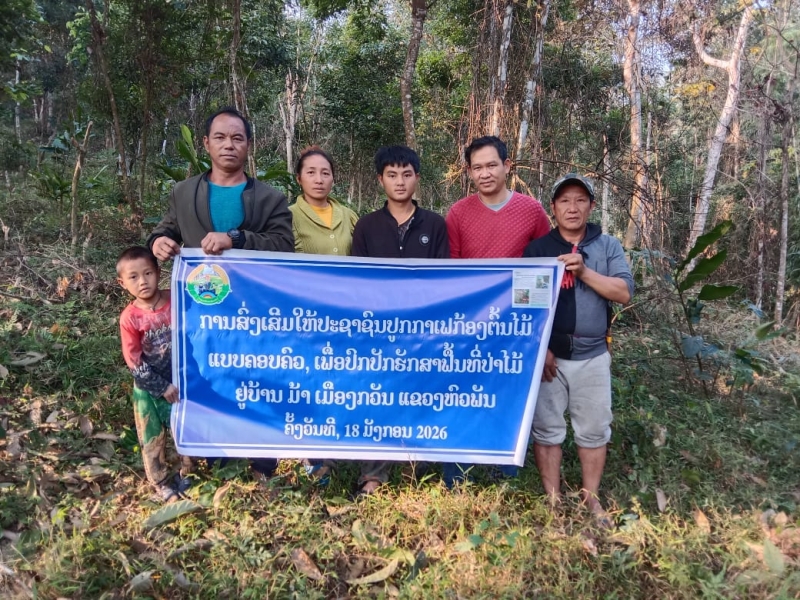
In Lao PDR, SAFE’s business incubator XMT has helped enterprises like Naphayvong’s become more viable. XMT is also helping to scale coffee plantations in Viengkham District, which rely on the forest canopy to shade their beans. All of the enterprises working with XMT depend on intact forests in order to thrive.
Similar initiatives are taking root beyond Lao PDR. In Cambodia, durable materials are being made from fast-growing bamboo, easing the pressure on slower-growing trees. And in Viet Nam, companies like Mộc Truly Huế fashion unique crafts from forest products, blending traditional heritage with modern branding.
The incubator effect
SAFE’s incubation programme supports forest entrepreneurs through structured training, mentoring and technical assistance. In 2025, the programme worked with 72 forest-based micro and small-scale enterprise (MSMEs) across Bhutan, Cambodia, Lao PDR and Viet Nam. Sixty-eight entrepreneurs (30 per cent of whom were women) graduated with solid business plans that will help guide their growth and attract potential investors.
“Our partnership through SAFE is about showing that communities are the strongest guardians of forests,” said Eunsik Park, Deputy Minister of the Korea Forest Service. “These entrepreneurs are proof that climate solutions can come from the hands of villagers and spread to the world.”
From villages to national climate plans
SAFE’s impact extends beyond the private sector. The project also strengthens how forest restoration is reflected in national climate targets. Under the Paris Agreement, forest-related emissions and removals are reported through countries’ land sector greenhouse gas inventories.
Many developing countries also approach forest-based climate mitigation through REDD+ (Reducing Emissions from Deforestation and Forest Degradation), which emphasizes emissions reductions and restoration. However, one challenge REDD+ faces is underreporting of community-led restoration efforts, since field- and village-level data is rarely standardized enough to be integrated into national forest monitoring systems and reporting and validation frameworks.
SAFE aims to align with the objectives of REDD+ and to plug this gap through the Forest Restoration Impact Monitoring Framework (FRIMF), which tracks both forest restoration and its benefits, including expanded biodiversity, reduced carbon emissions and socio-economic development. The FRIMF connects local community-generated data directly to national platforms, allowing restoration sites and community forest enterprises to contribute to national climate plans (NDC) tracking.
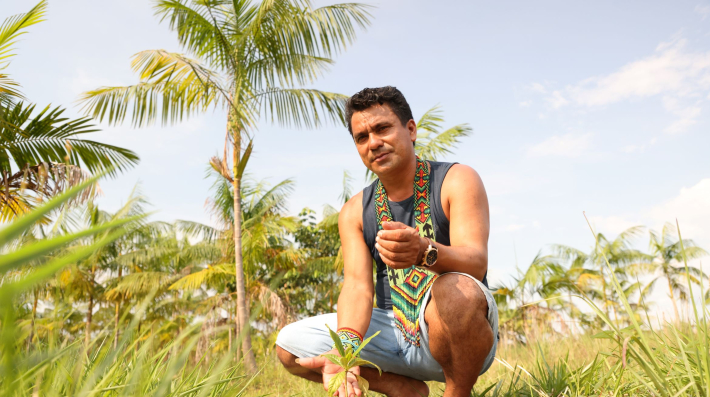
“SAFE is empowering communities to lead climate and biodiversity action in the forests they depend upon,” said Dechen Tsering, UNEP Regional Director and Representative for Asia and the Pacific. “When restoration creates real opportunities for local people, forests stop being seen as resources to extract and start becoming assets to protect. These forest entrepreneurs show that when communities benefit from healthy ecosystems, they become their strongest guardians.”
This article was published for the International Day of Forests, hosted by the Food and Agriculture Organization of the UN annually on 21 March to celebrate and raise awareness of the importance of all types of forests.