Interactives

Nature Action Note – data you need to know

We are experiencing a dangerous decline in nature across the globe, threatening your health, economies, and social equity, disproportionately impacting the world's poorest.

Persistent Organic Pollutants (POPs) are organic chemicals that remain intact in the environment for long periods. They can spread widely through air, water, and soil, accumulate in organisms, and are toxic to both humans and the environment. They are our "Worst Friends Forever" (WFF).

A tool linking the Global Biodiversity Framework and the Sustainable Development Goals highlighting essential links between nature action and sustainable development. 

Human-caused methane emissions are responsible for roughly one-third of the planet’s current warming. Reducing these emissions is the fastest, most cost-effective way to slow global warming in the near-term—and is essential to averting critical climate damages.

To feed the world’s growing population and meet global environmental and sustainability goals, the world’s food systems must be transformed.

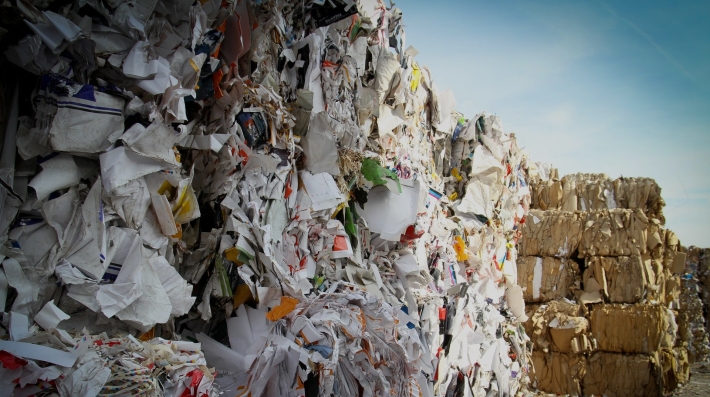
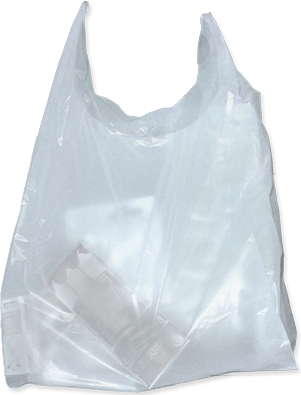
In a relentless pursuit of comfort and convenience, humanity has created a torrent of waste pollution that disrupts ecosystems, threatens economic prosperity and harms human well-being.

The world is witnessing a disturbing acceleration in the number, speed and scale of broken climate records. At the time of writing, 86 days have been recorded with temperatures exceeding 1.5°C above pre-industrial levels this year.

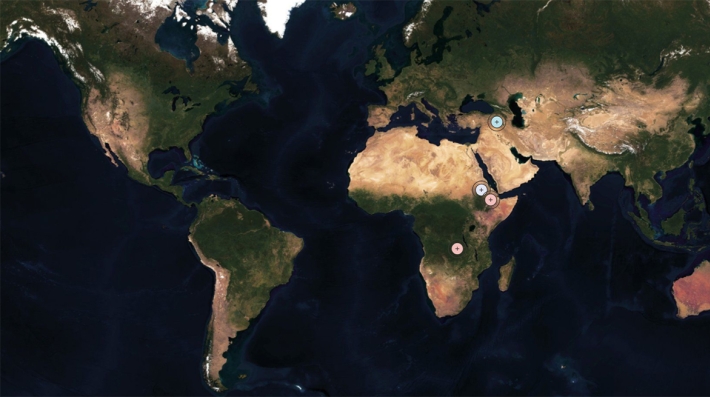
Explore climate scalable solutions across the world and filter according to sector and thematic approach.

Explore more on why too much of nitrogen is a bad thing

Explore different forms of pollution and viable solutions

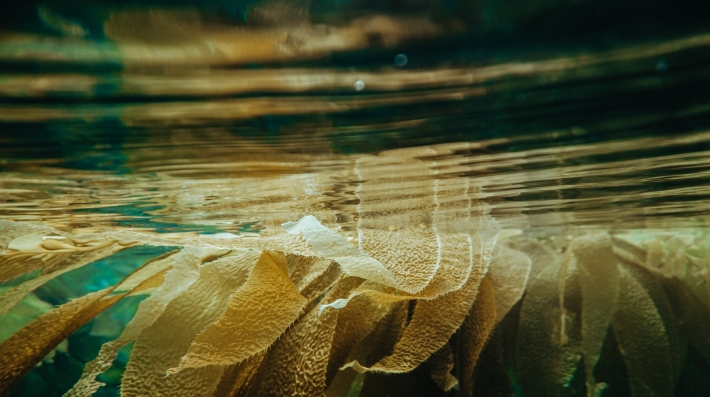
Join us for a deep dive into how humanity can safeguard and restore underwater habitats - kelp forests, mangroves, seagrass meadows and coral reefs.