
News Climate Action

Spotlight on climate action

Credit: UNEP

At a time of profound geopolitical and economic uncertainty—when governments and societies are navigating multiple, overlapping crises—keeping climate action at the top of the global agenda is more important than ever. The world cannot afford further delays or inaction, especially when climate solutions can deliver wider benefits for economies, jobs, public health and resilience.

Climate Live Feed is your daily pulse on climate action—tracking how progress is being made across sectors, finance, technology and resilience. It brings together the latest science, policy developments and practical solutions, from clean energy expansion and climate finance to adaptation efforts and innovation on the ground.

Explore the latest climate news, announcements, reports and events from the United Nations and partners—because when it comes to climate, the heat is on to deliver solutions.

 

09 Jun 2026 11:05

The silent melt: A crisis unfolding in Pakistan’s peaks

Melting Away – The Silent Collapse of Pakistan’s Glaciers,” a short film by Nyal Mueen produced by UN Pakistan and Aga Khan Foundation, highlights an escalating environmental crisis: as climate change accelerates glacier melt across the country’s northern mountain ranges.

Pakistan’s glaciers, located in the Hindu Kush, Karakoram, and Himalayas, are a vital freshwater source feeding the Indus River system. This water supports agriculture, drinking supply, and hydropower generation. However, rising temperatures are causing glaciers to retreat at alarming rates, threatening future water security. 

The video highlights a growing danger called glacial lake floods. As glaciers melt, they leave behind large pools of water that are often unstable. These lakes can suddenly burst, sending powerful floods rushing down valleys. This puts nearby villages, roads, and infrastructure at serious risk.

Despite contributing minimally to global emissions, Pakistan remains highly vulnerable to climate change. Experts are calling for improved monitoring systems, sustainable water management, and stronger climate adaptation efforts.

09 Jun 2026 10:13

Editorial: UN's Mohamed Yahya on why cities must prioritise sustainable cooling

photo of Karachi city

As extreme heat tightens its grip on Pakistan’s cities, a new editorial by Mohamed Yahya, UN Resident and Humanitarian Coordinator, sounds the alarm: urban life is becoming dangerously hot and action can no longer wait.

With temperatures in Karachi, Lahore and beyond now regularly soaring into the high 40s and even touching 50°C, Cooling Cities paints a stark picture of how unplanned growth, vanishing green spaces and concrete-heavy development are turning cities into heat traps. What was once occasional is now the new normal.

But the message is not just one of warning  it is also one of solutions. From Karachi’s life-saving Heat Action Plan to Lahore’s push for urban greening, the editorial highlights real examples that are already making a difference. It also points to simple, cost-effective measures like cooler building designs, shaded streets and more trees that can dramatically reduce heat exposure.

Read the editorial and learn why cities must be redesigned with sustainable cooling at the centre. Not as an afterthought, not as a luxury but as a necessity for survival, health and equity.

Discover our Beat the Heat Interactive. 

09 Jun 2026 09:19

A national push begins in cities: Brazil’s fight against food waste

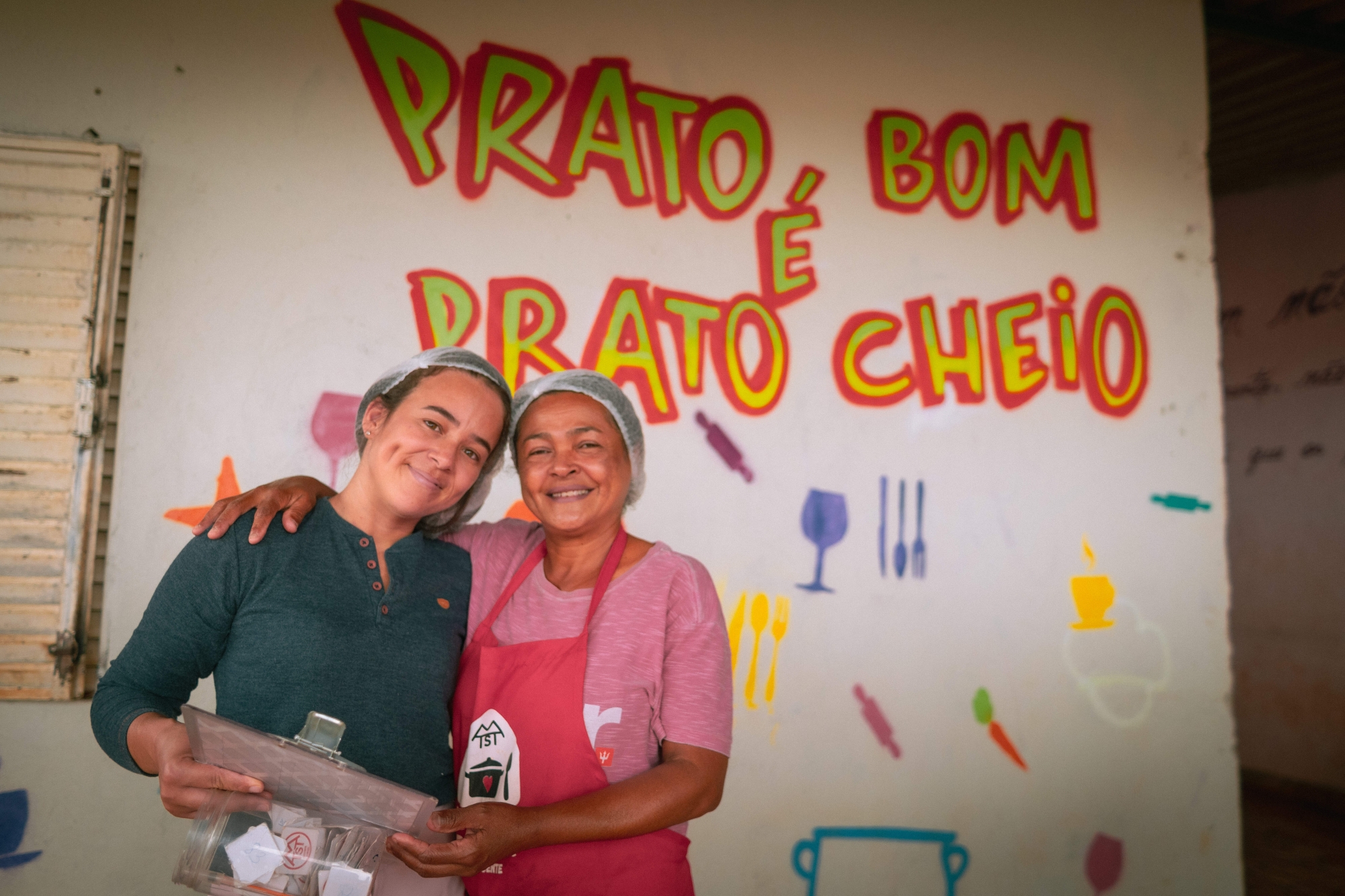
Photo of two women from Rio from feeding cities programme

Food waste is moving to the top of Brazil’s urban and climate agenda and UNEP is helping drive the shift from ambition to action.

In Rio de Janeiro, a new partnership is turning the city into a testing ground for change. UNEP is joining forces with local authorities, universities and civil society to co‑design a bold municipal strategy to cut food waste at its source. The goal: to stop food waste before it happens and create a model that cities across Brazil can quickly adopt. Meanwhile, classrooms are becoming catalysts for change, as a pilot with the Federal University of Rio brings practical food waste solutions directly into schools.

But the momentum doesn’t stop in Rio. Across the country, UNEP is supporting Brazil’s national food loss and waste strategy, helping cities turn commitments into concrete action. Through targeted technical training, municipalities are gaining the tools to design, finance and implement their own food waste reduction plans.

This effort is feeding into the rapidly growing Alimenta Cidades (Feeding Cities Strategy) which is connecting more than 1,000 municipalities committed to building resilient, low‑carbon food systems.

Recent workshops have sharpened the focus: cutting food waste is not just about food, it’s about climate. UNEP-led sessions brought together city leaders to align policies and accelerate local strategies, with particular attention to the North and Northeast, where climate impacts are already disrupting food supply chains.

At the same time, UNEP is helping take the message to the public. In partnership with a national organization, a city‑level awareness campaign is being rolled out starting in Rio to shift behaviours and make food waste visible, urgent and actionable.

05 Jun 2026 12:27

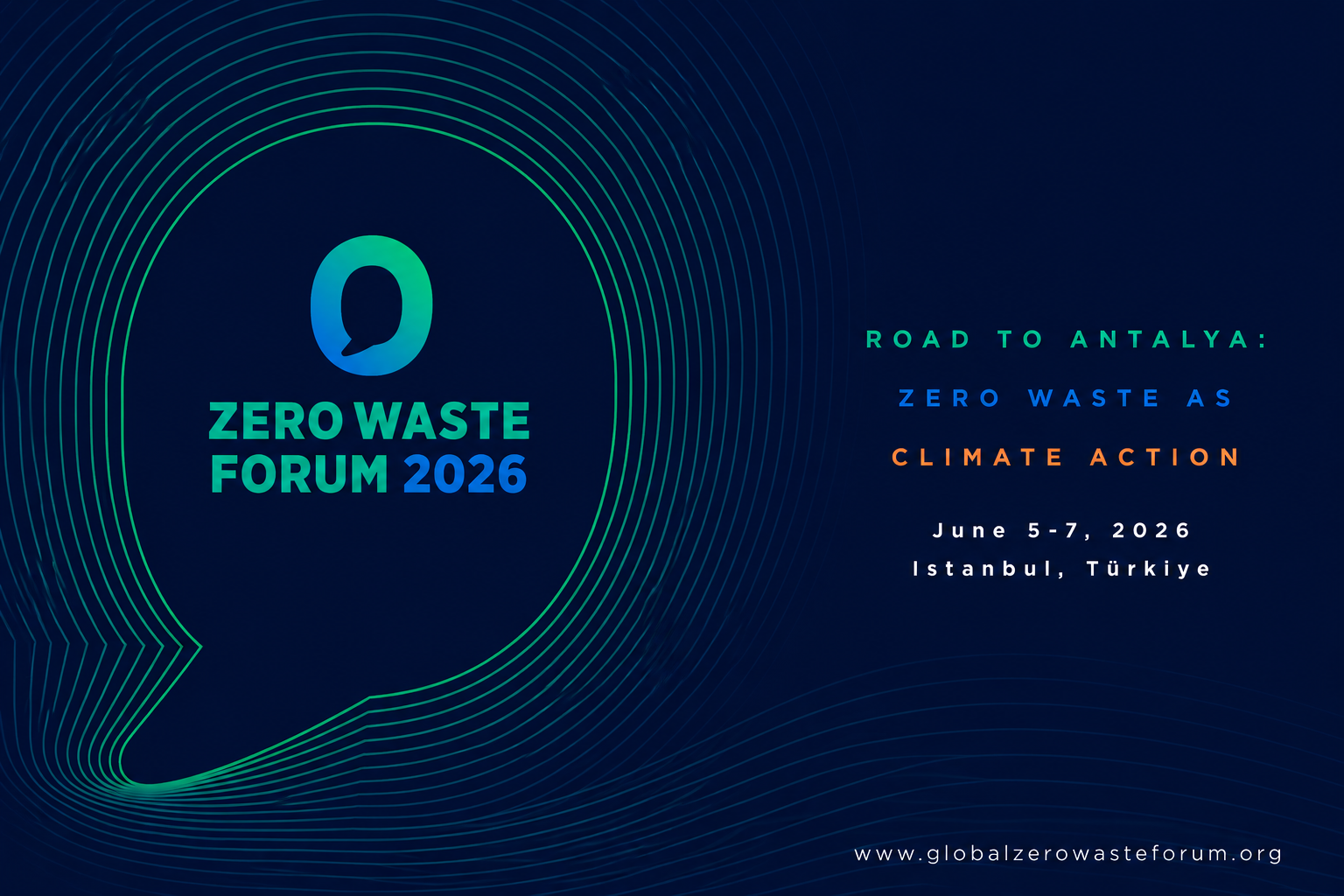
On the ground at the Zero Waste Forum 2026 in Istanbul

From 5 to 7 June at the Zero Waste Forum, UNEP is joining forces with governments, cities, businesses and leading experts to drive forward real solutions that curve waste and accelerate the shift to a circular economy. And the message is clear: tackling food waste is a climate opportunity.

As custodian of SDG indicator 12.3.1and through reports and initiatives like the Food Waste Index Report and the Food Waste Breakthrough, UNEP is spotlighting how halving food waste by 2030 can significantly reduce methane emissions - by up to 7% - while delivering powerful co-benefits for food security, jobs, and resilience.

What’s on the agenda?

  • UNEP is contributing to key discussions on:
  • Food waste reduction, responsible for 8–10% of global emissions and around $1 trillion in annual losses (combined with food loss)
  • Smart pricing signals in waste systems (like PAYT, landfill taxes, and incentives) to prevent waste before it happens
  • Organic waste diversion as one of the fastest ways to cut methane emissions
  • Zero waste as climate action—and how it fits into NDCs and the road to COP31

Why this matters?

  • Right now taking place during World Environment Day week, the Forum comes at a crucial moment for global climate ambition. The numbers speak for themselves:
  • 19% of food available to consumers was wasted in 2022
  • An additional 13% was lost earlier in supply chains
  • Food loss and waste together generate 8–10% of global greenhouse gas emissions
  • Food waste alone contributes up to 14% of methane emissions

Reducing food waste isn’t just a waste-management issue, it’s a climate solution, an economic opportunity, and a fast and cost-effective way to cut emissions and build more sustainable food systems. Let’s turn waste into action.

04 Jun 2026 15:53

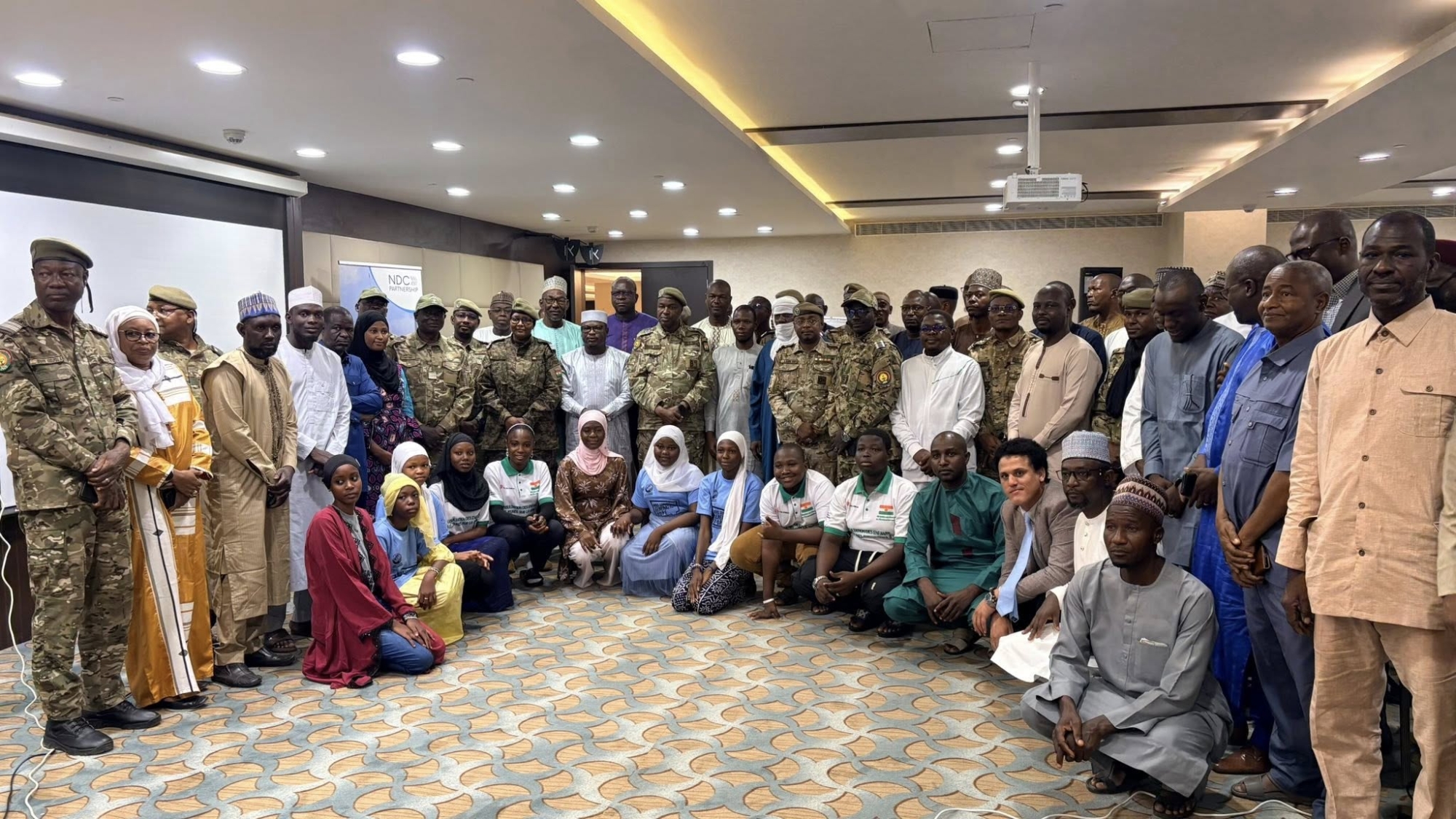
With NDC 3.0, Niger is charting a clearer path toward a more resilient future

Niger has taken a major step forward in its climate action efforts, officially validating its updated Nationally Determined Contribution (NDC 3.0) - a new five-year plan to tackle climate change and protect its people and economy.

Adopted during a national workshop in Niamey on 19 May, the plan reflects Niger’s commitment to stronger, more inclusive climate action under the Paris Agreement.

Niger's NDC 3.0 is built on three key priorities: aligning climate action with national development goals, strengthening resilience for the most vulnerable communities, and scaling up access to the finance needed to respond to growing climate risks.

Supported by UNEP together with its Copenhagen Climate Centre, the plan places a strong focus on those most affected by climate change including rural populations, farmers, women, youth, nomadic groups, and displaced communities while also addressing emerging challenges such as climate-related migration, security risks, and health impacts.

The validation marks the culmination of a year-long, nationwide consultation process, bringing together stakeholders across sectors to shape a more ambitious and people-centered climate plan. Read more here.


03 Jun 2026 23:42

The climate crisis is accelerating, but so are the solutions.

photo of cities
Evgeny Matveev/Unsplash

The climate crisis is accelerating, but so are the solutions.

A new UNEP policy brief, Cheaper. Cleaner. Unstoppable., highlights five climate technologies and approaches that are already gaining momentum and helping cut emissions: renewable energy, electric vehicles, passive cooling, heat pumps and reducing food waste.

The message is clear: progress is possible. With the right policies, investment and public support, these solutions can reach tipping points where change becomes self-reinforcing.

Read the Q&A

02 Jun 2026 09:40

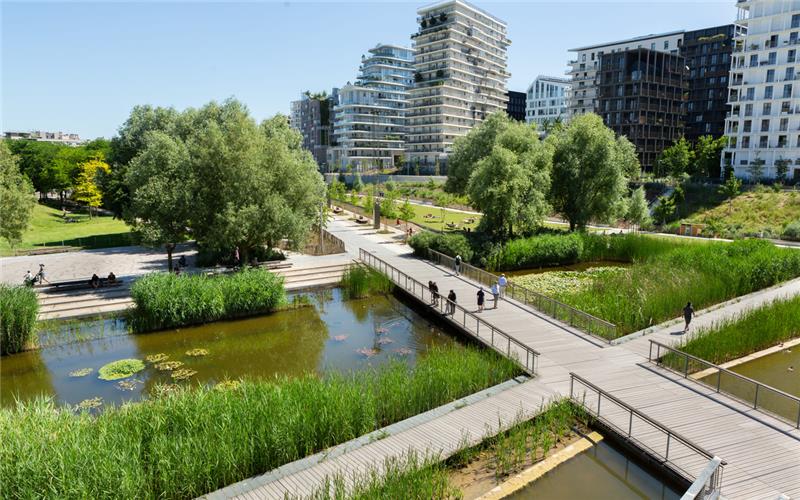
50 Cities for climate action: avoiding and adapting to a 50°C world

Credit: Municipality of Paris

More than 50 cities across the globe have joined UNEP's new 50@50 activation to confront one of the fastest-growing and deadliest climate risks: extreme heat.  

From Lagos to Paris, Melbourne to Mendoza, cities are sharing practical solutions, strengthening preparedness and accelerating action to protect people while cutting emissions. Together, they are showing that climate resilience starts long before a heat emergency strikes. 

Read the press release. 

29 May 2026 16:51

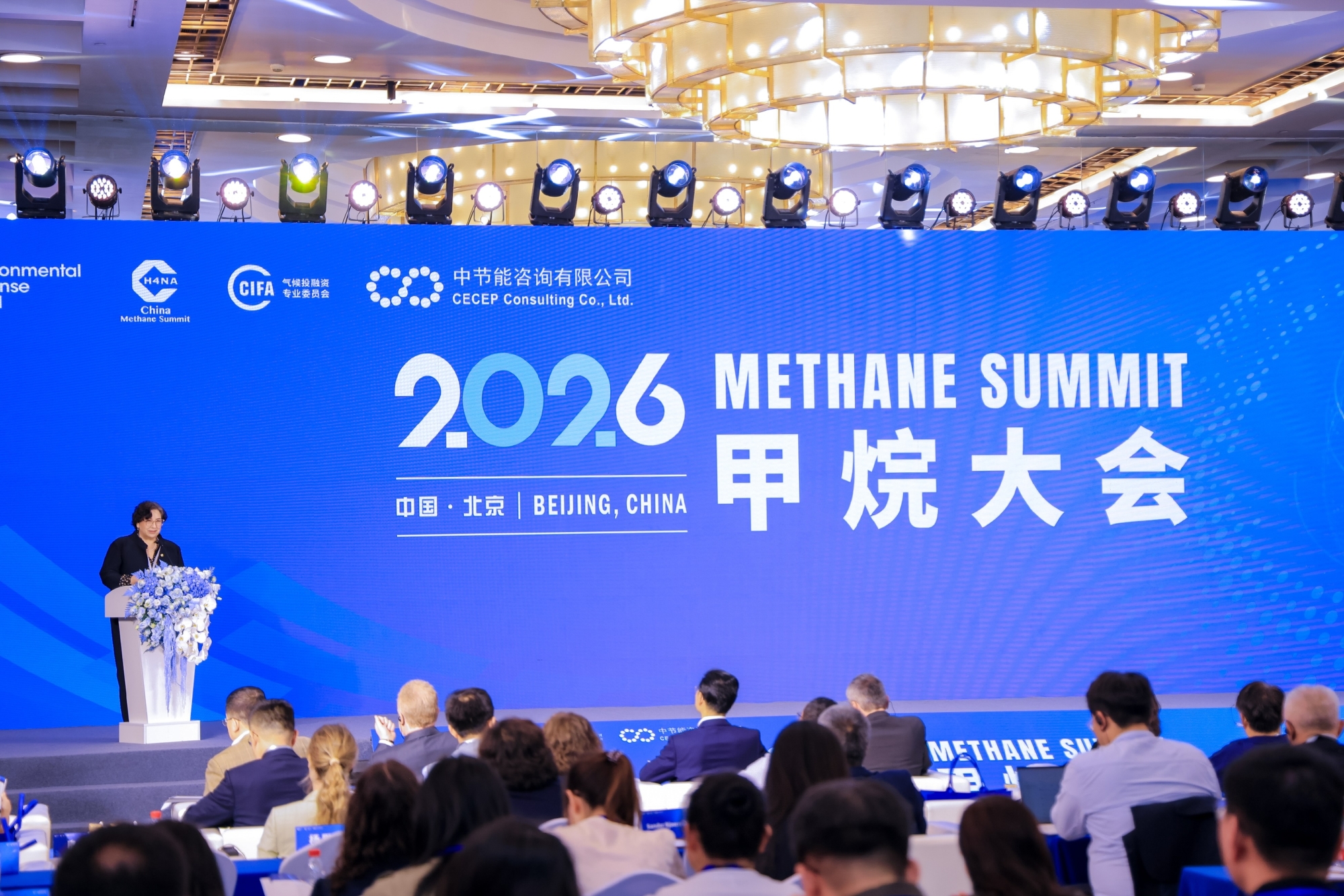
2026 Methane Summit

At the China Methane Summit in Beijing, UN Environment Programme Climate Division Deputy Director Ruth Zugman do Coutto highlighted methane as one of the fastest opportunities to slow near-term warming, noting that “if decarbonization is the marathon, methane is the sprint.” China’s leadership in renewable energy and electrification has already reshaped global climate progress, and applying that same ambition and scale to methane mitigation could deliver major benefits for climate, energy security and public health.

UNEP’s International Methane Emissions Observatory (IMEO) is working with scientific and institutional partners in China to strengthen methane transparency and support practical, data-driven action — from satellite monitoring and methane alert systems to coal mine methane mitigation and methane measurement research. IMEO collaborations with institutions including China University of Mining and Technology and Nanjing University are helping advance scientific understanding of methane emissions and strengthen global methane knowledge.

China is uniquely positioned to help shape the next chapter of methane action through advanced monitoring systems, coal mine methane mitigation and stronger engagement across global methane initiatives such as IMEO’s Methane Alert and Response System (MARS), the Steel Methane Programme and OGMP 2.0. Strong international collaboration will be essential to accelerate methane transparency and turn data into meaningful climate action.

28 May 2026 18:26

Now launched: Rooted in nature – Advancing Nature-based Solutions from national policy to subnational climate action

Developed under UNEP’s Generation Restoration project by the UNEP Copenhagen Climate Centre, Rooted in Nature: Advancing Nature-based Solutions from National Policy to Subnational Climate Action  is a practical guide designed to help governments bridge the persistent gap between national commitments and local implementation of Nature-based Solutions (NbS). The guide shows how urban action can significantly accelerate progress across climate, biodiversity, pollution reduction, and resilience agendas.

It provides policymakers with clear pathways to integrate urban NbS into national frameworks such as NDCs, NAPs, and NBSAPs—ensuring that global commitments translate into tangible local impact. It offers a roadmap for aligning national ambitions with the realities, opportunities, and constraints faced by cities.

Drawing on real-world experiences from UNEP-supported cities—including Manaus, Curitiba, Iloilo, Quezon City, Seattle, Montréal, Lusaka, and Port Louis—the Guide highlights how local governments are already leveraging ecosystem restoration to reduce climate risks, enhance urban biodiversity, and improve public wellbeing. These case studies showcase replicable practices, from nature-positive urban planning to integrated watershed management and community-driven restoration.

For policymakers, the Guide offers three key contributions:

  • Clarity on how national policy levers can unlock and scale urban NbS
  • Concrete steps for embedding subnational action within climate and biodiversity strategies
  • Practical tools and insights drawn from UNEP’s on-the-ground support to cities worldwide
21 May 2026 22:12

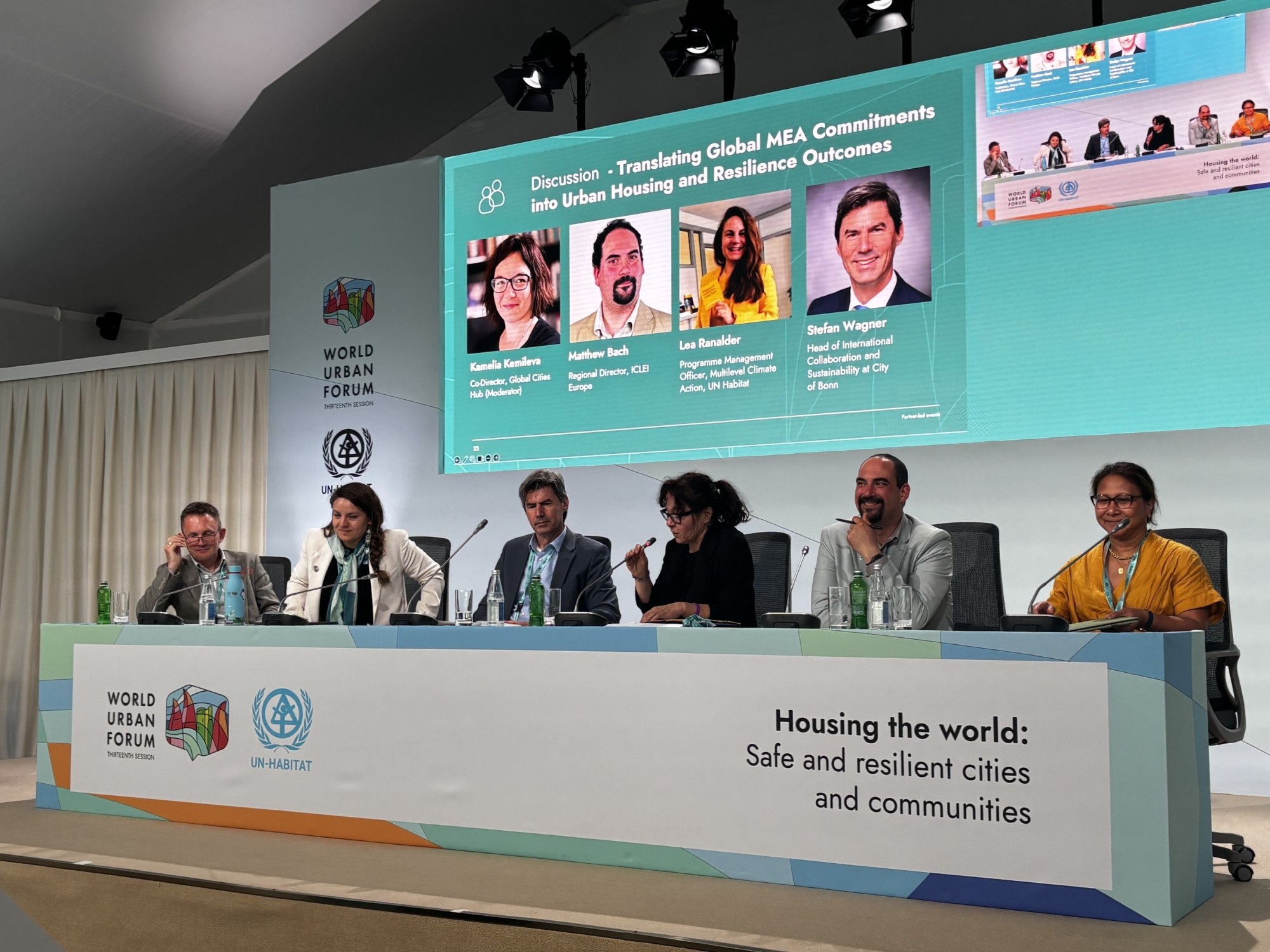
Day 4 at WUF13: From ambition to implementation in resilient cities

Building on Day 3’s focus on the climate–housing nexus, Day 4 at WUF13 shifted strongly toward implementation, showcasing how policies, finance, and technical support can be translated into action on the ground.

Discussions on low-carbon housing highlighted the importance of multilevel governance and collaboration between national and local governments to reduce emissions in the housing sector while maintaining affordability, with practical examples from countries advancing implementation of the Belém Call for Action.

Across sessions, UNEP and partners also explored how technical assistance can unlock climate adaptation projects in cities with limited capacity, and how climate, biodiversity, and pollution action can help address urban fragility and strengthen inclusive resilience, including in contexts affected by insecurity and inequality.

Further dialogues reinforced housing as a determinant of health and well-being, and advanced multi-level governance approaches to support cities in operationalizing global environmental agreements. Water-responsive urbanism and nature-based “sponge city” approaches were also highlighted as scalable solutions for climate resilience, particularly in rapidly growing and informal urban areas.

Day 4 underscored a clear message: building resilient, low-carbon, and inclusive cities requires moving from global commitments to practical, financed, and locally owned implementation pathway