News Nature Action

Updates on nature, land and biodiversity

Nature is humanity’s lifeline. Human health, food, economies and well-being depend on nature. Yet nature is in crisis. One million of the world’s estimated 8 million species of plants and animals are threatened with extinction. Meanwhile, ecosystem degradation is affecting the well-being of 40 per cent of the global population.

The spotlight on nature and biodiversity highlights updates from around the UN System, from partners and others, helping to call attention to the need for a just, prosperous and sustainable future for all.

03 Jun 2026 11:42

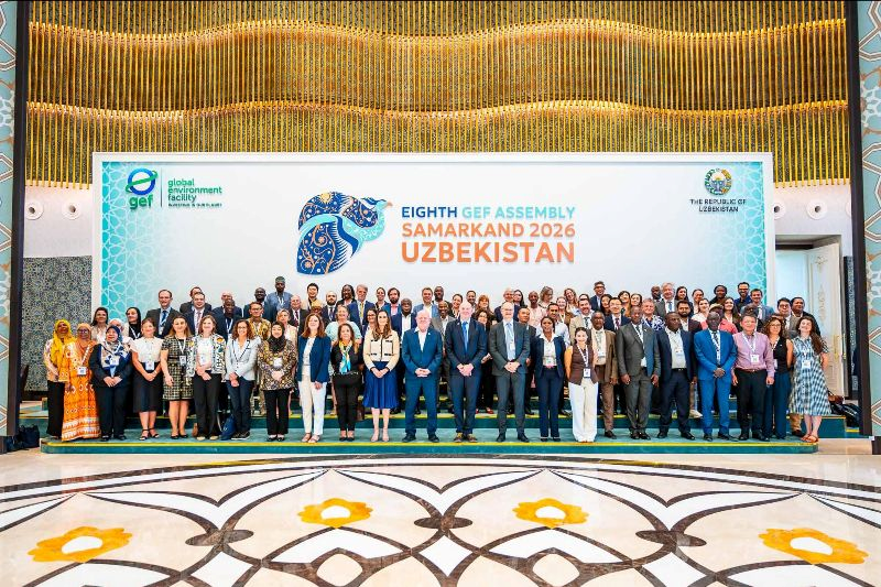
GEF approves $232.5 million in new projects and endorses $3.9 billion replenishment, launching final sprint to 2030

The 71st Council of the GEF concluded in Uzbekistan
Credit: IISD ENB / Danny Skilton


The 71st Council of the Global Environment Facility (GEF) concluded in Samarkand, Uzbekistan, with landmark decisions that will boost international environmental finance through 2030. Meeting alongside the Councils for the Least Developed Countries Fund and Special Climate Change Fund and the Global Biodiversity Framework Fund, the three governing bodies together approved $232.5 million in new environmental financing across 24 projects and programmes in 22 countries.

Read more

03 Jun 2026 10:52

The hidden cost of climate change: Understanding non-economic loss and damage

Extreme weather events are reshaping lives and landscapes across the globe. Floods, droughts, wildfires, cyclones, and rising seas are leaving behind more than damaged infrastructure and economic losses—they are eroding cultures, disrupting communities, threatening biodiversity, and putting entire ways of life at risk. 

Learn more: A framework for assessing climate change and disaster-related losses of biodiversity and ecosystem services 

03 Jun 2026 10:45

Countries unite to strengthen climate resilience in Regional Seas

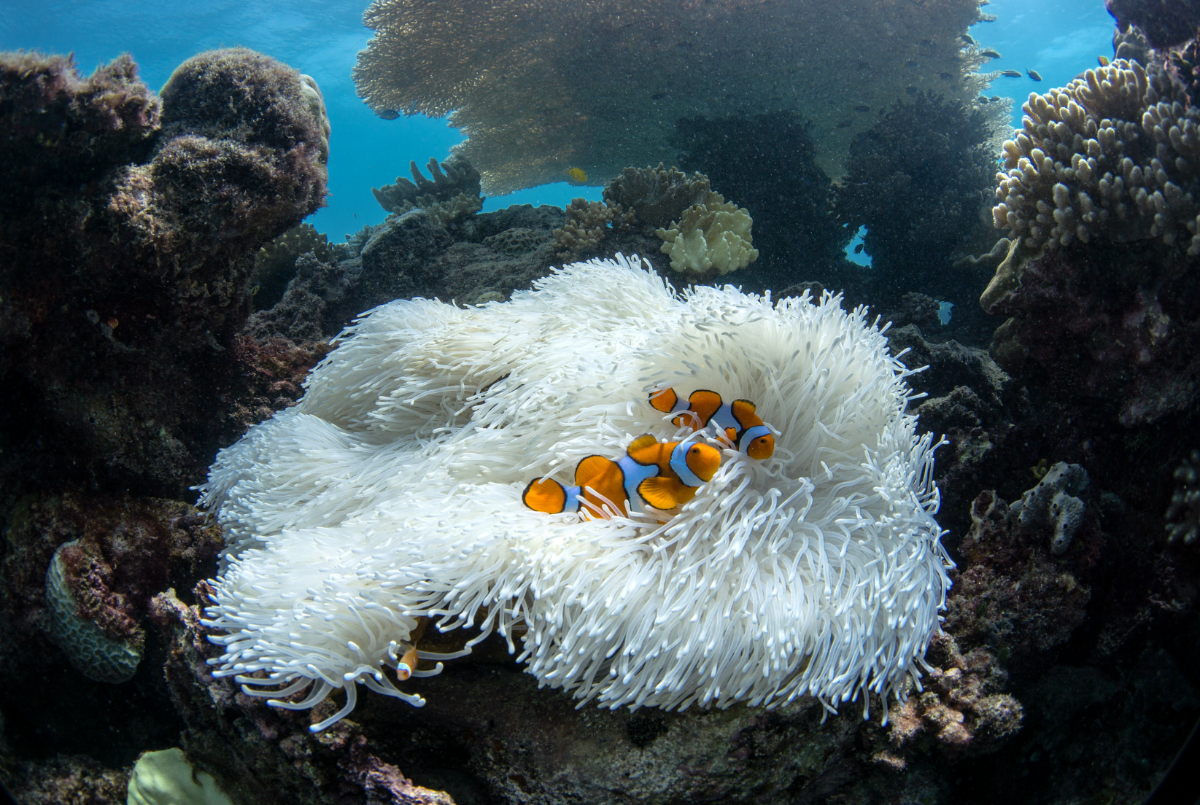
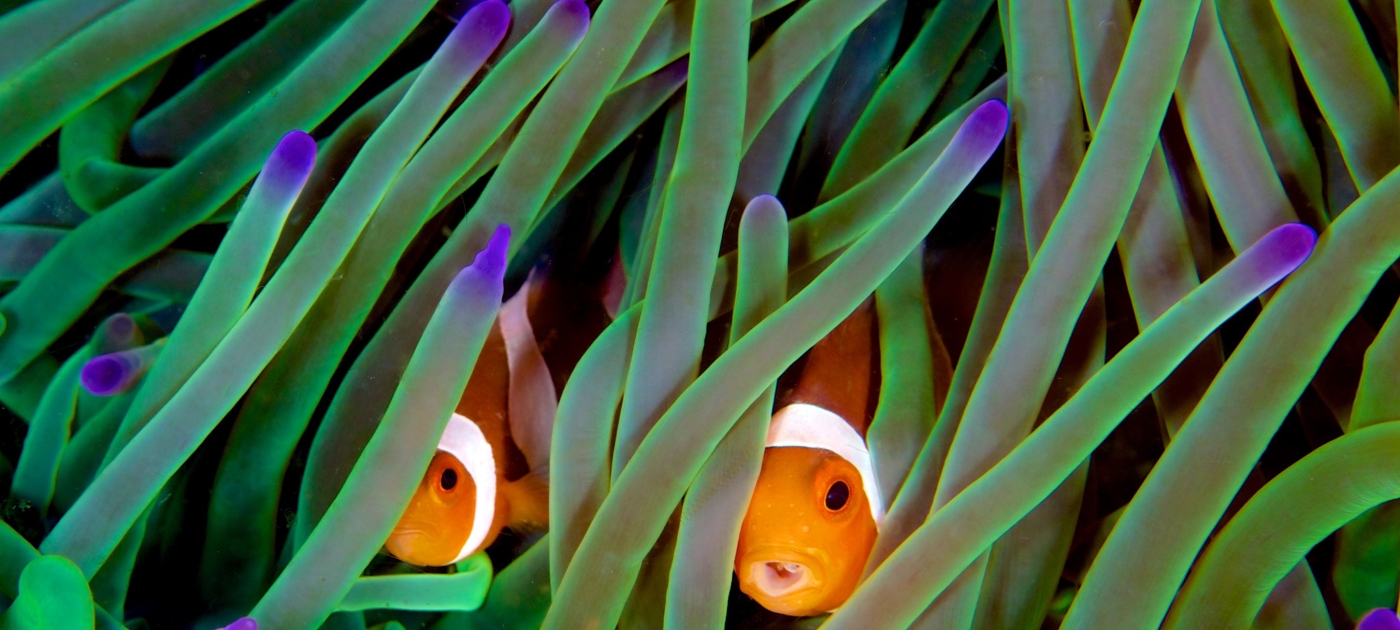
Clownfish in the Coral Groups
Credit:  The Ocean Agency / Ocean Image Bank

The ocean knows no borders. Neither do the impacts of climate change. From the Mediterranean to the Seas of East Asia, from Cuba to Mauritania, countries have recognized this and are working together: By connecting coral reef fragments, protecting species and enhancing carbon storage of blue ecosystems. 

Explore the interactive storymap

28 May 2026 12:10

UNEP Regional Seas Programme newsletter - May edition

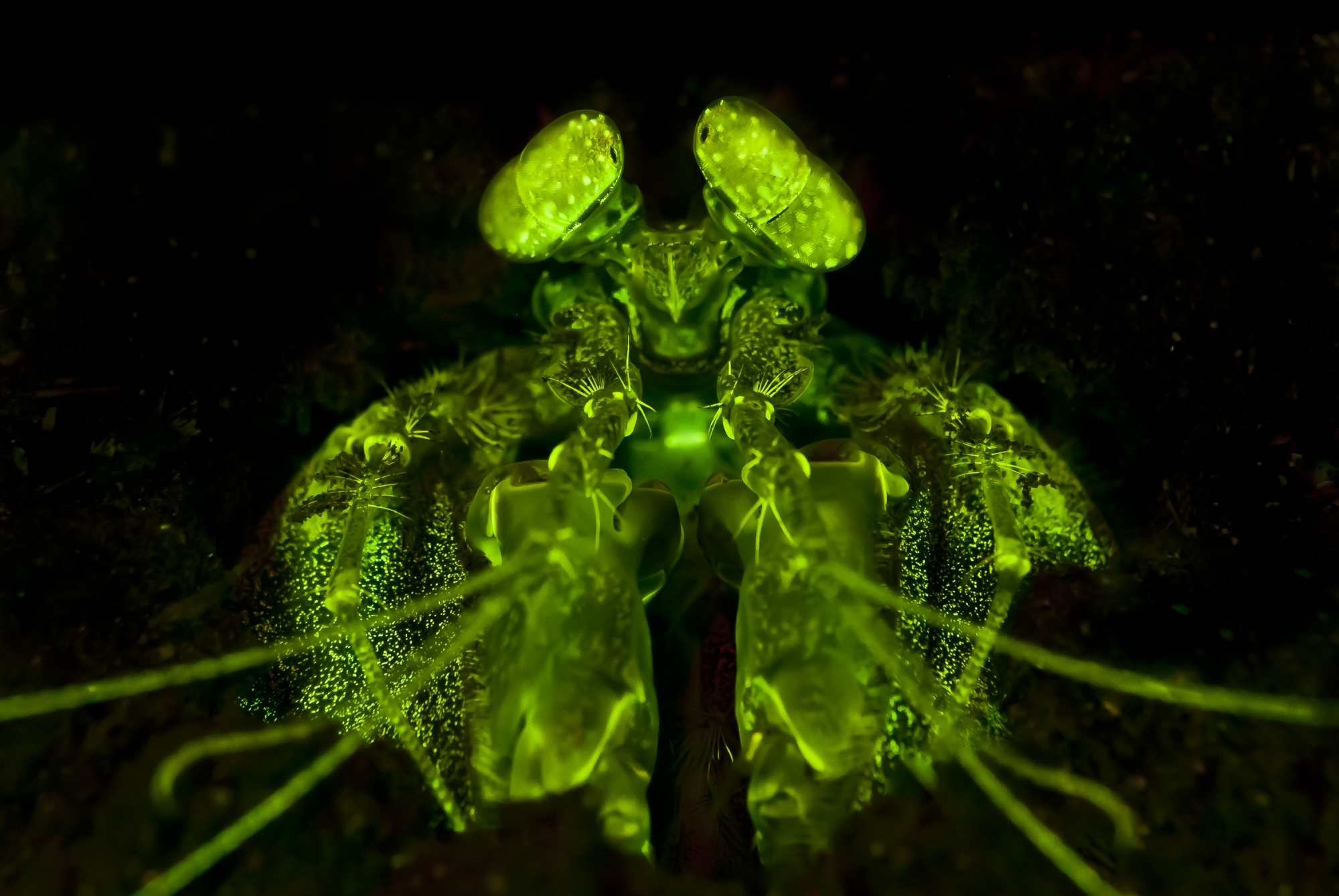
Fluorescent mantis Shrimp in Blackwater
Credit: Ocean Image Bank / Alex Tyrrell

The May issue of the United Nations Environment Programme (UNEP) Regional Ocean Programme has been released, featuring the latest updates and reports from around the world on efforts to protect marine and coastal ecosystems.

Highlights include Pacific nations discussing environmental impact assessments under the BBNJ arrangement, a new environmental protection project in the Caspian region, and Thailand’s initiatives on marine hypoxia and nutrient pollution. The edition also showcases mangrove conservation efforts in Kenya, reflects on 40 years of ocean cooperation in the Western Indian Ocean, and celebrates a decade of collaboration towards cleaner Caribbean seas.

The newsletter also includes updates on training for young Pacific climate negotiators, new publications, events and milestones in Regional Seas Programme communications.

Read the full newsletter to explore more stories advancing healthier oceans and coasts worldwide

22 May 2026 10:07

Five ways you can help heal the natural world

Image of colorful butterflies resting on a pink brick wall
Credit: Unsplash/DRZ


Under the Kunming-Montreal Global Biodiversity Framework, governments have promised to protect 30 percent of land, water and seas, and restore 30 percent of damaged ecosystems by 2030.  

You can help play a role in the restoration process.  

As the world marks the International Day of Biological Diversity on 22 May, from planting a tree to making space for pollinators, there are simple things you can do to support biodiversity that underpins our societies. 

Find out more

04 May 2026 23:18

Registration for UN Biodiversity Conference 2026 opens

The seventeenth meeting of the Conference of the Parties to the Convention on Biological Diversity (COP 17), along with COP-MOP 12 (Cartagena Protocol) and COP-MOP 6 (Nagoya Protocol), will be held concurrently from 19–30 October 2026 in Yerevan, Armenia (collectively, the "UN Biodiversity Conference 2026").

Provisional agendas, approved by the Bureau, are available on the CBD website; supporting documentation will be posted no later than six weeks before the meetings. An information note for participants and further organizational details will be published in due course.

See more details.

21 Apr 2026 15:10

UNEP Regional Seas Programme newsletter - April edition

Fish and seaweed underwater
Credit: Ocean Image Bank/Filippo Borghi


In the April edition of the UNEP Regional Seas Programme newsletter, explore how Regional Seas Conventions and Action Plans (Regional Seas) are taking action to protect marine ecosystems, tackle pollution, strengthen ocean governance, and support coastal communities. From the Western Indian Ocean to the Pacific, South Asia, the Red Sea and Gulf of Aden, and the Baltic Sea, this edition highlights progress and impact on the ground.

Read the full newsletter | Subscribe to the newsletter| Explore previous editions 

01 Apr 2026 17:08

World reaches milestone for nature: 10% of ocean now officially protected

29 Mar 2026 21:08

40 migratory animal species receive new or upgraded protection at close of UN meeting in Brazil

Participants at the CMS COP15 in Brazil
Courtesy of the Brazilian Ministry of Environment & Climate Change


Confronted with stark new evidence that many migratory species are moving closer to extinction, governments at a major UN wildlife conservation meeting agreed on expanded conservation efforts, including new or enhanced treaty protections for 40 species and populations of birds, aquatic wildlife, and terrestrial animals.

Meeting in Brazil, Parties to the Convention on the Conservation of Migratory Species of Wild Animals (CMS) adopted several measures to strengthen global or regional conservation efforts of such iconic species as the cheetah, striped hyena, snowy owl, giant otter, great hammerhead shark, and several shorebird species facing steep population declines.

Read more

09 Mar 2026 12:33

New Report: Decline of populations of migratory species of animals covered by UN Treaty worsens from 44% to 49% in 2 years

A jaguar
Credit: CMS


An interim report, which provides an update to the landmark State of the World’s Migratory Species (2024), warns that 49% of migratory species populations conserved by the global UN treaty are declining (5% more in just two years), and 24% of species face extinction (2% more).

The new warnings are scheduled to be presented at the 15th Meeting of the Conference of the Parties to the Convention on the Conservation of Migratory Species of Wild Animals (CMS COP15), a legally binding United Nations treaty, in Campo Grande, Brazil, from 23 to 29 March.

Read the full press release